
Hygge – the Danish art of chilling out and feeling relaxed, comfortable, cosy and safe, has had a real run for its money in 2020. With so much media and so much fear (rightfully so) due to so many deaths, especially here in the UK and also in the US, feeling safe and secure has been out of our reach for many, many months. Those of us who have had to shield for various reasons, and who are still doing so, feel our anxiety rise every time we have to engage with the public – for my husband and I, that’s food shopping and pretty much it. We haven’t had any other face to face contact with others for over six months because of my husband’s medical conditions, and my surgery and recovery this summer. We will still be extra careful, up until there is a vaccine.
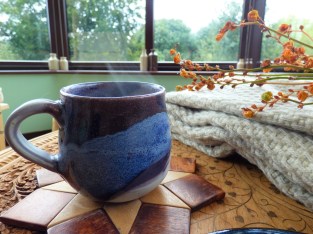 While you can hygge by yourself, and this is my favourite hygge, there is a lot to be said for social hygge. Indeed, for many who do not have solitary, feline souls, the social aspect of hygge is hygge. Getting together with friends around the dining table, having coffee and cake, talking and reminiscing is what it’s all about. But in these strange times, getting together with friends is a real challenge, and for some, not an option.
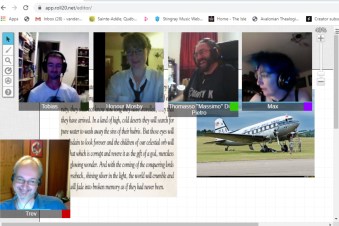 I thought I was doing okay without the social interaction. I have my husband and my cats, and Skype my family once a week, and talk to my mother on the phone as well. We’ve re-started our Saturday roleplaying sessions online (Cthulhu on the Roll 20 platform) and I call my friends weekly just to have a chat. While I was recovering from surgery, a couple of friends came by to drop off care packages and we had a small chat (me at the door, they in the driveway). I thought it wasn’t too bad, as I’m such a solitary creature anyway. But something last week made me realise just how much social interaction is an important part of my life and hygge.
It was my friend Lisa’s birthday at the end of July, and Michelle’s last week, with mine this week. We decided to get together for a socially distanced cuppa and some cake in my back garden. I unlocked the side gate so they could come over without entering the house, and we sat in the shade and talked, watching the hawks circle overhead and the house martins doing their aerial acrobatics. We caught up on each other’s lives, talked about the huge changes and how we are coping. We drank some lovely tea (Chakra Balance from Woodbridge Emporium) and ate some cake. We also exchanged presents and just enjoyed each other’s company for an hour and a half.
Afterwards, when I got back in the house (and washed my hands) I stood in the kitchen and looked out the window to where we had been sitting. I felt a release in my chest, where a tightness had been that I had not noticed until that moment. A long, shuddery breath ensued, the kind that you get after a good, long cry, when the diaphragm spasms and your chest calms down. And that’s when I realised it, that I needed the physical, social interaction too, more than I ever knew.

That feeling of release, after spending time with friends who I had not socialised with in person for over six months, really hit home. It was a physical sensation, as well as a mental one. It pointed out that while video chats, phone calls and social media are great for keeping people together on a regular basis during a pandemic, there is no real substitute for that face to face interaction.
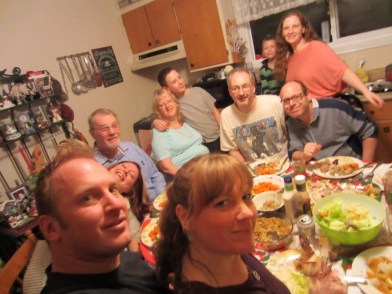 Who knows how much longer it will be before we are able to have that easy interaction again? I haven’t seen my family in Canada for over a year, and I don’t know when I’ll be able to return. That really hurts deep down. My parents’ 50th wedding anniversary had to be cancelled, and who knows if I’ll be able to make it in 2021 when they’ve rescheduled. It’s not until a vaccine has been tried and tested that I can travel safely and visit my friends and family, and that is a hard thing to bear when you haven’t had a hug from your mom for a long, long time.
But we do the best we can. We need to find the hygge still, in a safe and responsible way. We need to feel safe and secure, with family and friends, for our own well-being. We have to abstain where it is dangerous, and take extra precaution in any face to face encounter. It’s hard to hygge in that way, but maybe there is a new form of hygge that will develop out of this: one that can see us through until we can meet each other safely and securely without the threat of illness or death hanging over our heads.
 So I’m practicing careful hygge right now, socially-distanced hygge in the garden with a select few folk. Small steps while we navigate our way through this pandemic, and keep everyone safe. And while there is still anxiety about any social interaction, I can counter-balance that with some solitary hygge: time spent in silence and stillness, watching the sunset, or having a cup of tea and listening to some piano music. Cooking a birthday cake to celebrate 46 turns around the sun, and eating it with great pleasure with my husband and a glass of champagne. Holding hope in my heart that I will be able to see my family soon, and know that their love and the hygge that awaits at my mother’s kitchen table can exist in my mind and in my heart until I can experience the real thing.
So hygge carefully, my friends, and I hope that you manage to find some safety, security and well-being in this difficult times. May you find that little space of sanctuary each and every day, to help you through until we can meet again.
If you have enjoyed this and other blog posts, please do consider becoming a Patron on my Patreon page to support the work that I do, whether it is writing books, blogs, putting together videos, photography, music and more.
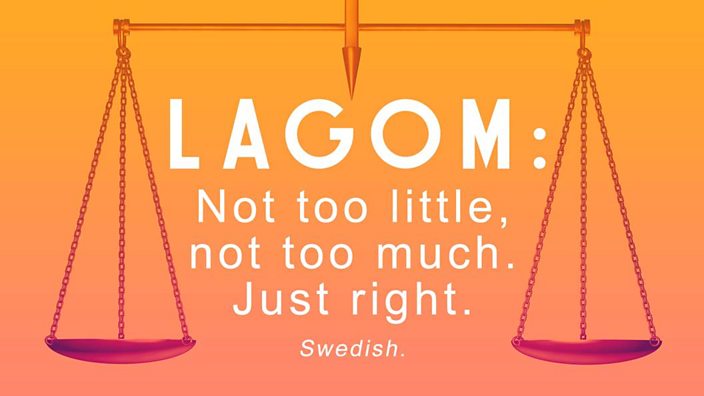 So, furthering my adventures with the Swedish concept of lagom (not too much, not too little, just the right amount) I’m seeing the complete opposite happening all around me here in Suffolk and, I’m sure, many others in the UK and other parts of the world are as well. Whether or not one is accustomed to the concept, everyone knows about basic human decency, but many are still choosing to opt out.
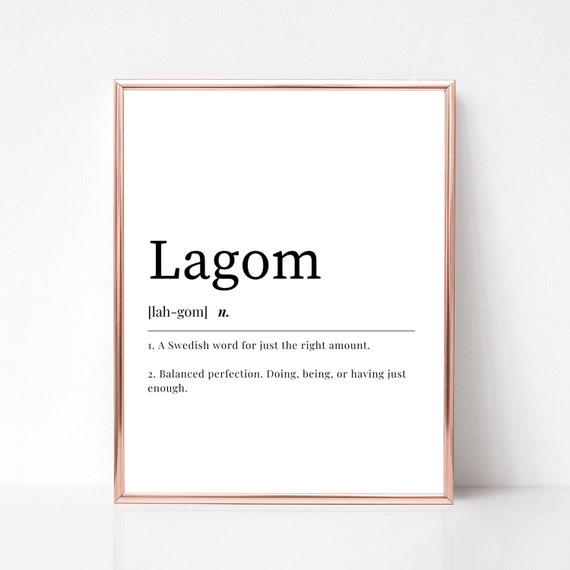 The most noticeable area where the lagom balance is out of whack is, of course, the supermarkets during this pandemic. It took us two weeks to be able to find toilet paper, and I think we just got lucky last week. Before the pandemic began, my husband began noticing people in the supermarket stocking up on the stuff – several giant packs of it in their shopping trolleys. He joked that maybe they know something we don’t. He was right. They knew how to be selfish, how to take more than their share. This is the antithesis to lagom.
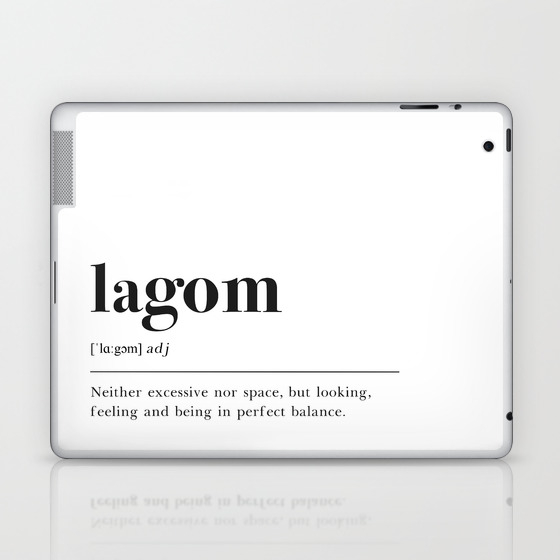 Lagom is all about balance. It’s not altruistic – you don’t have to give up stuff and suffer because of it. You take your fair share, and you leave a fair share for others. Simple. No one is left out. It’s about community. The word stems from the Viking phrase lagom et, which means taking a sip from the communal drinking horn, but ensuring that there is enough to go around the group. How quickly this concept of sharing, of personal responsibility, compassionate caring and just general decency has been forgotten in the face of this global pandemic.
 It’s not just in the supermarkets that we’re seeing people go overboard. Here on the Suffolk coast, many of the richer folks have decided to leave their London homes and head out to their second homes on the coast. Are they practicing social distancing? Are they heck. Cafes, supermarkets, boardwalks and shops are heaving in coastal towns and villages during what would normally be a very quiet time. This poses a real threat, especially to the elderly, who live in these areas, and who a) need the food from their local stores, and b) shouldn’t be exposed to people needlessly. Again, it’s pure selfishness.
 I had thought that my lagom blog posts would be fun, an experiment in the little things of life, like my wardrobe, my home, my relationships. But it turns out that the real test has hit us all very hard on the head, and we’re failing badly. It’s clearly pointing out to me how much we need lagom in our society. It’s the defense against capitalistic over-consumption. It’s the defense against the deterioration of community. It’s the defense against the death of everything we know and love. Seriously.
 Down the Forest Path