Walk lightly in Spring, for the Earth is pregnant

The light is growing – each and every day, the sun sets a little further along the horizon.  Though it’s still cold, it’s nice to drive home in the light – and light enough to still be able to go for a walk when I get home.  Though walking in the dark is nice, it’s a little difficult where I live unless you carry a torch – there are no lights, no light pollution. It is complete darkness.  Torches kind of spoil it, but they do prevent you from falling in ditches…

I’ve always loved going for walks.  A chance to be alone with nature, to listen and smell and feel the earth beneath my feet.  To walk under the shared space of trees, roots curling around stones hidden beneath the ground.  Feeling the breeze on my face, in my hair.  It’s a form of prayer.

I usually go for a walk a couple of times a week, on my “days off”, ie. days when I’m writing or preparing my dance classes, workshops or performances.  I’ve decided that I’m going to try and take a walk almost every day after work – Mondays and Thursdays are a little tricky sometimes, with work and then classes the same day – but I’m still going to give it a go.  Daily sitting meditation has worked well, and now will try daily moving meditation.

Like my sitting meditation, it is a time to be fully in the moment, to be present in this space and time that I am occupying.  Unlike my sitting meditation, this seems to involve more things, more stimuli, more interaction.  Instead of just sitting on my cushion in front of my altar, listening to the sounds of the house, focusing on my breath, hearing the birds outside, feeling my spine relax, the outdoor walking meditation involves even more interaction, with so many more beings.

Connection is integral to Druidry.  A walking meditation, or an outdoor meditation, for me is the best way to establish this connection, which to me is also a form of prayer.  Prayer is communion, and communion with nature is what it’s all about.  I can walk with compassion through the landscape, honouring the land upon which I live, honouring the people that share that landscape – neighbours walking the bridleway, the dog that always barks as I walk past his domain, the hazel hollow that is dark even on the brightest of days.  Doing this daily is a great opportunity to see the community and landscape as it changes throughout the seasons, and even day by day.

It’s also a great way to de-stress, and centre yourself before you come home.  Doing something physical, even something gentle like walking, will do your body a world of good.  Even only 15 – 20 minutes a day is beneficial.  Yesterday when I entered my home, touching the doorway and saying a prayer as I crossed the threshold, I entered in a completely different frame of mind than if I had just gone from my car to porch.  Tired from work, working through anger in issues of human nature, that walk helped me to resolve everything and made me feel more refreshed and relaxed at the same time.  Simply breathing in fresh air after a day in a stuffy office, the scent of warming earth and woodsmoke on the wind, blew away the cobwebs and gave me inspiration on multiple levels – I now had the way to deal with difficult human problems, as well as more mundane issues.

I am reminded of the Native American proverb – “Walk lightly upon the Earth in the Spring, for she is pregnant…”  We must take care of our planet, our minds and our bodies, and walk with compasion.

I look forward to my walk tonight.
 

The Kid

I just watched a Bruce Willis movie, called “The Kid”.  I enjoyed it, though it may be a bit saccharine for some – and yes, I did cry at the happy ending.  It’s a story of a bitter and spiritually dead but incredibly wealthy image consultant who meets his eight year old self, and has to relearn things about himself in order to save himself from a lonely end.  It also showed us that we should never forget our child self, and the dreams that child self had.

What did I want to be when I was eight years old? I can’t quite remember, and I’m not even sure that I thought that far ahead when I was eight.  If I did, I’m pretty sure that I would have wanted to be a fairy elven princess living in a castle in England.  Well, eight year old self, I didn’t do too bad. I’m a Druid living in a beautiful house in the English countryside – it’s pretty close.

What would I say to my eight year old self? Yes, there were rough spots and there were glorious spots.  There were heartbreaking tragedies and uplifting victories. There were mistakes and compassion, beauty and ugliness, and everything in between.  But it all turned out good.

In the movie, the 40 year old self and the eight year old self then meet the 70 year old self.  So, I wonder what my 70 year old self would say to me?  I hope that I have made that person proud, as proud as my eight year old self.  I would hope that life would be filled with love and compassion, and that I would never stop dreaming; never lose that eight year old self.

What would your eight year old self say to you?

Things we learn…

Some people are simply vile. It is hard to find compassion for these people – pity comes easily, but compassion is much more difficult. Thankfully, there are people in life who carry with them such love and joy that they are an inspiration to all – my husband, my family and my wonderful friends. They are the reason, the steadying influence, my True North to guide me.

When you fall, you can either in anger and hate take everything and everyone down with you, or you can simply fall, pick yourself up again and simply be the best person you can be, inspired by the beauty of the world. When someone is full of hate and anger, like a wounded wild animal they may bite and snap and reject all offers of help, love and compassion. So we wait, from a safe distance, until either that self-same anger self-destructs, taking the soul with it, or abates, and reaches out towards us where we can help.

This is what I have discovered, through the inspiration of this world around us. It is about simply being the best person you can be – not better than anyone else, but the best you yourself can be at any given time. We all go through it. Life is pretty amazing, all things considered. Big love to you all.

Troll Country

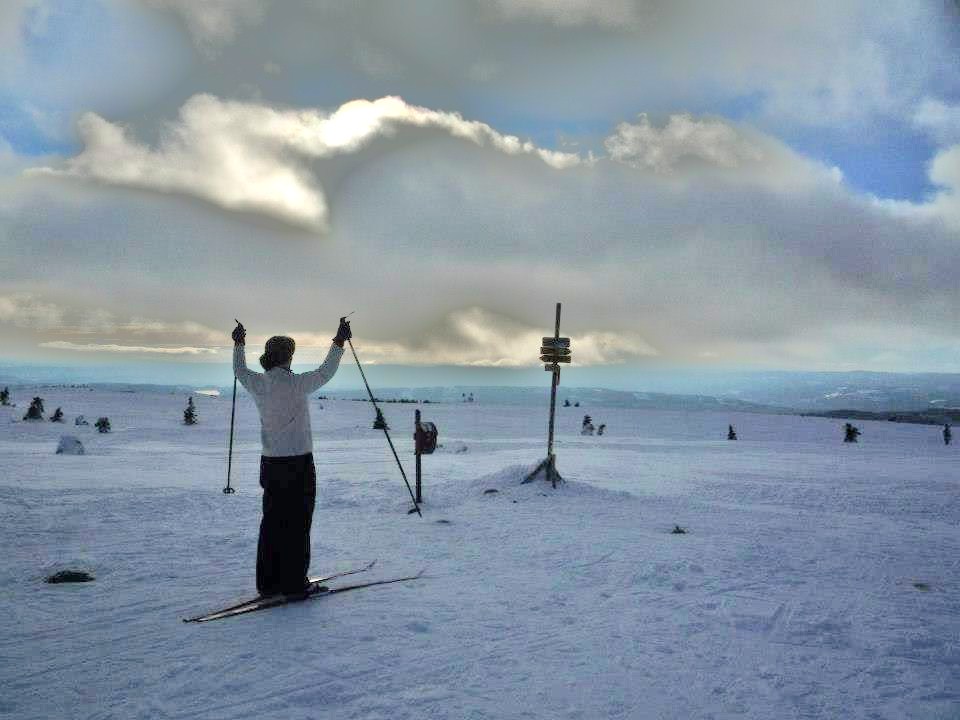
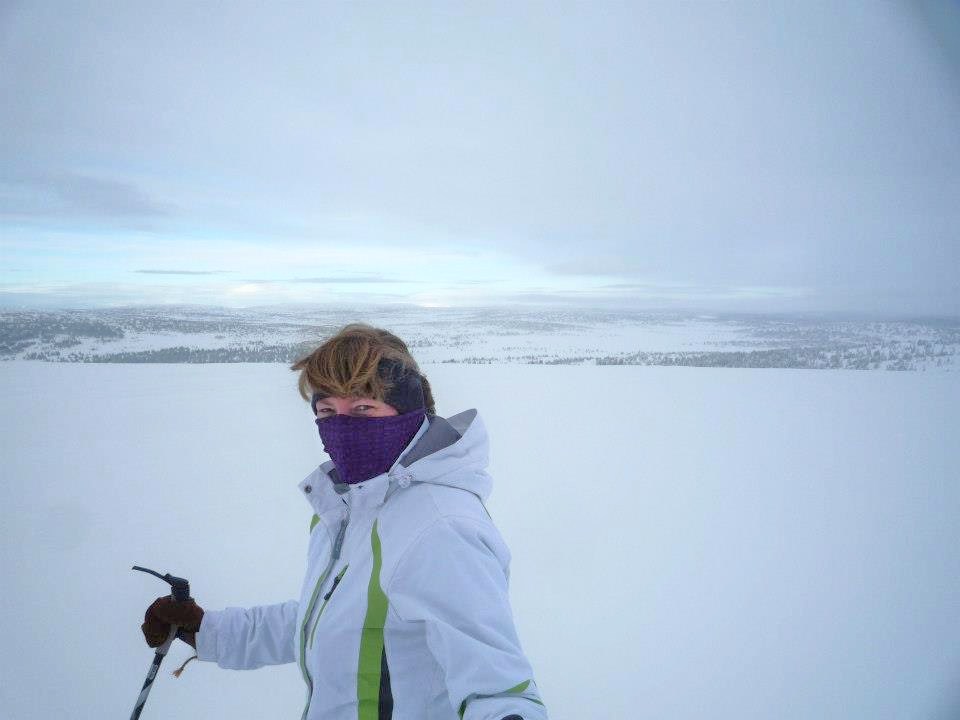
Yes, this is troll country. I am currently in Norway, having a cross-country ski holiday – a week of skiing the forests and fells around Sjusjoen.  Today, we got halfway up the fells before the blizzard kicked in – there was such a wildness in the air, nothing like the softness of the habitated places of the UK.  Here in Norway, there is such a difference between the “human” places and the “wild” places. You can distinctly feel when you step from one into the other.

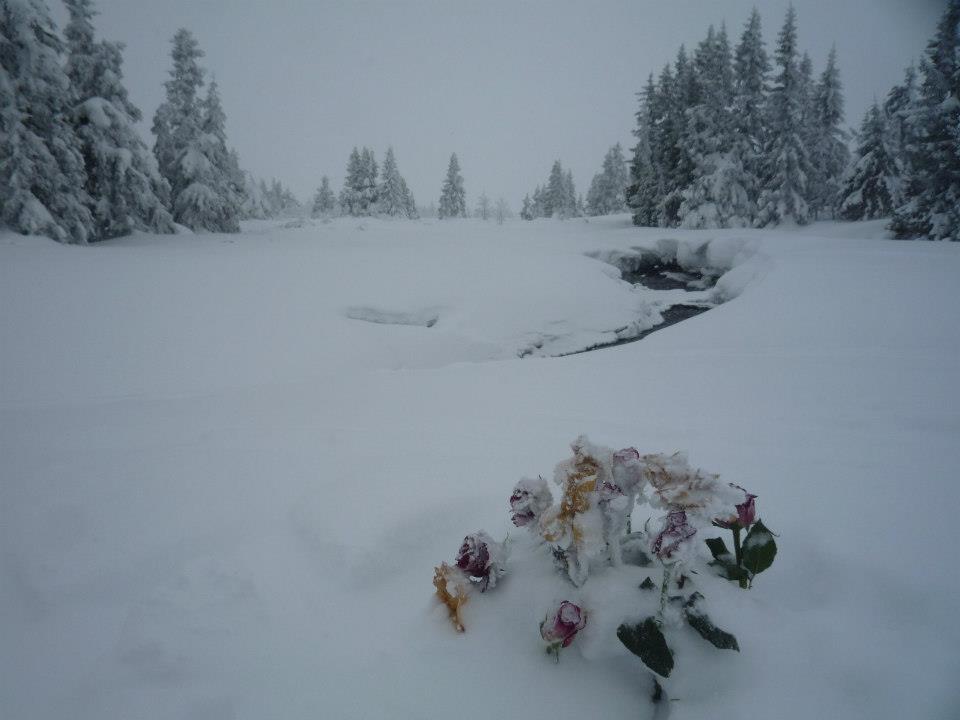
We were skiing out from the village, through the woods until suddenly we came across the open, frozen marshland of the lower fells.  The wind howled – nothing to break it.  You couldn’t see the mountains, for the snow was coming down too heavily.  Leaving the wooded area around the town, and out onto the fells – you could feel that shift. This was the place of the wild things.  This was troll country.

There is actually a place for these giants here in Norway, not too far away – Jotunheim (National Park). In the Northern Tradition (Heathenry) Jotunheim is the realm of the giants – and when you see landscape like this, you can believe it.  This is not a place for human habitation – the wind howls too fiercely, there is no cover.  The mountains loom high, and the marshlands can be treacherous.  This is a place for those who are not so soft – this is a place for ettins, jotuns and giants.

One of my favourite goddesses is Skadhi, an ettin who married into the Northern God clan.  She is wild and she is free – there is no bossing her about.  She is the snowshoe goddess, the hunter, the goddess of skiing.  She walks into the hall of the gods and demands reparation for the death of her father.  She means business.  She lives high in the mountains, listening to the howl of wolves and wind.  I say a prayer to her each time before we embark on our ski journey for the day:

Skadhi, Lady of Winter, know that you are honoured.

May my skis never break,

May my poles never bend,

May my eyes always remain on the beauty that is you.

This wild country tests you – with the wind stinging your face, tiny shards of snow and ice in your eyes, your eyelashes frozen and the howling all around you – you soon learn what you are made of.  I kept looking ahead, peering through the blizzard, almost expecting to see an enormous rock coloured ettin strolling through the snowy fells, enjoying the blizzard and not even noticing the tiny, insect-like creatures on the ground with their snowpants and ski jackets.

Sometimes you win – sometimes you make it through the storm and reach your destination. Sometimes, like today, you accept defeat at the hands of the ettins, and turn back before you lose your way.  We couldn’t see the tracks, we could barely make out the trail markers – it was time to turn back.  So, with a smile and a bow of defeat and in reverence, we turned back.

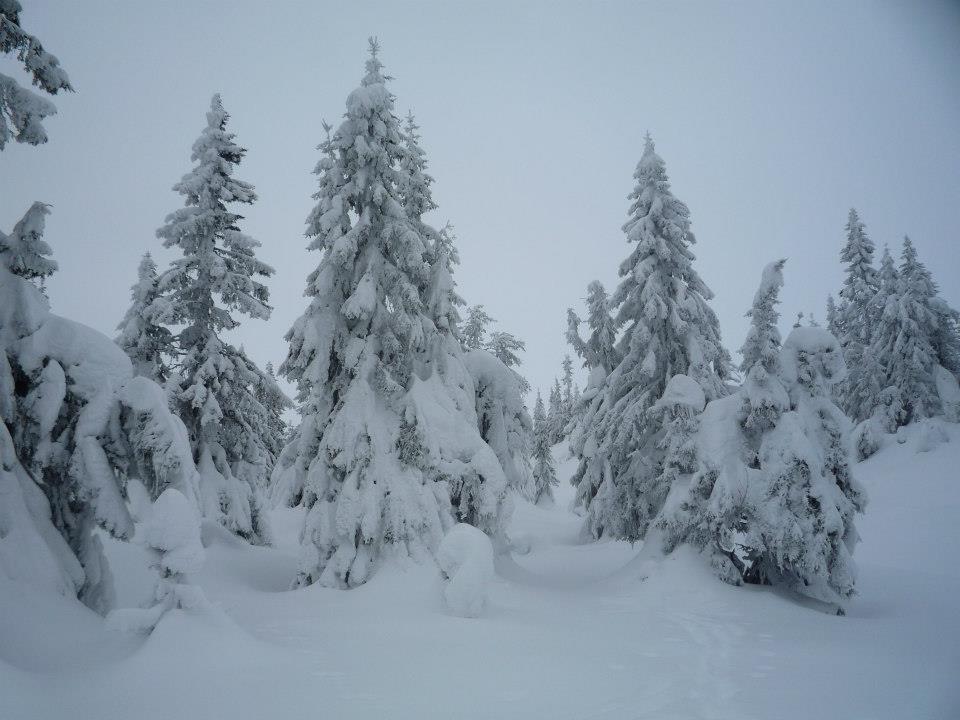
Once back in the treeline, the snow that had stung so much fell softly, almost like a blessing.  The quiet that only a heavily snow-shrouded landscape can bring was all around us – like the sanctity of a cathedral.  We were back in a human place, and behind us the trolls and ettins laughed in the winter’s rages, throwing snowballs and doing whatever is it that the jotuns do.

Coming back to the hotel, with a sauna and a fireplace, was such a relief.  However, we’re still going out again tomorrow, whatever the weather, to see what we can face.  This is what this beautiful country is all about.  This is troll country.

The Lure of Glastonbury

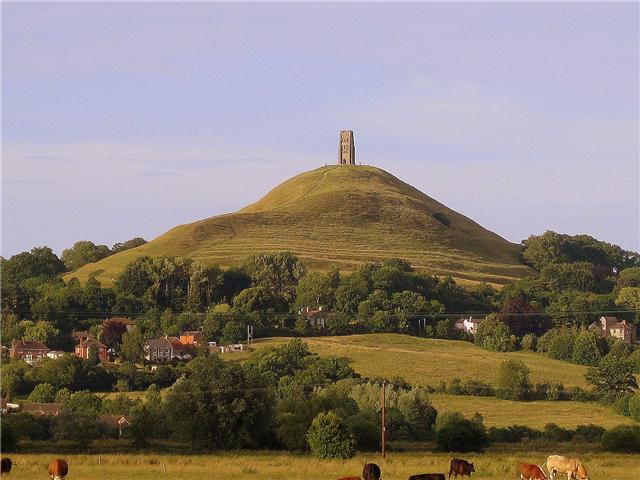
Glastonbury TorEver since childhood, I’ve always loved the stories of King Arthur, of Merlin and the Lady of the Lake.  I loved the tales of swords proclaiming kings, of beautiful and powerful women living on mysterious islands bestowing great gifts, of sorcerers and magicians that could both give rise to and destroy kingdoms.  This love has never left me, though it has changed and developed the more I learn about these tales, and the land upon which I live.

One of the things that has always captured my imagination, and always will, is Glastonbury Tor.  It is a wonderful place, a place of great beauty and incredible mystery.  For me, it is one of the holiest places in Britain.

The landscape is unlike anything I’ve ever seen – rising out of the flat, drained Somerset levels is the Tor.  From a certain angle it looks like a woman lying down.  The Tor itself is a marvel, for carved into it are plateaus, in what appear to be a labyrinthine pattern rising to the summit.  On autumn and spring mornings, often the mist obscures the ground, and the Tor rises out of mist – we could easily believe we have been transported back to the Avalon of old.

What is inside the Tor is equally fascinating – the White Spring.  It is widely believed that inside the Tor is a large carvern, where the White Spring emerges, eventually making its way down into the town of Glastonbury.  Old records mention of a time when a small hole appeared in the top of the hill, and when things were dropped down, it took a long time before a splash was heard.  The White Spring was redirected and made inaccessible in the Victorian era, a large pumphouse created to supply the town and cutting off access to what was once a beautiful little spot where the spring emerged, calcifying everything around it, giving it a fey quality. Thankfully, in 2005 the White Spring Trust re-opened the disused pumphouse and has turned the small caverns, rooms and interiors into separate sites where one can once again pay tribute and honour the spirit of the White Spring.

Two monasteries or churches were built on the Tor in the Christian era – the first destroyed, I believe, due to the Tor itself shifting, causing the building to collapse.  Was the previous pagan site revolting against this new religion?  Or was it the sand and limestone ever shifting, finding a comfortable place to rest for the next 500 years?

All that is left on the Tor now is the tower, St Michael’s Tower.  The rest of the building was destroyed in the Reformation.  I both like and hate the tower atop the Tor – it looks beautiful, standing there all alone, a kind of spiritual trig mark; I hate the fact that anything mars the natural beauty of the Tor, and do think that the tower one day will also collapse, as nature reclaims her own.

Smaller hills surround the Tor, Chalice Hill and Wearyall Hill.  Chalice Hill is said to the be source of the Red Spring, which flows down again like the White Spring to Glastonbury Town, and has the most beautiful gardens built around it.  For a small fee, one can enter the gardens and see it in all its glory (unlike the White Spring, which is free).  It was said that the Red Spring ran beneath a grove of Yew Trees, the iron rich water reflecting the blood red sap of the yew.

The Springs are perhaps the most significant thing about Glastonbury – White and Red, the colours of the Otherworld.  From two separate yet very close sources, these two very different springs come down to Glastonbury and are separated by the smallest of distances – I’m certain that at one point they ran together, but now I believe a street is blocking the union of the two springs.  Perhaps one day they will run together again.

The Tor, rising out of the watery levels, connected the Three Worlds of Land, Sea and Sky. The Red and White Spring issued forth from the fairy mound, the Gateway to the Otherworld.  The labyrinth way to the summit of the Tor was the spiral of life.  This is only a taste of the wonders that very special place – what a magical place!

Is it any wonder why I chose it at the setting for my latest book, The Isle of Apples?

Reblogged: Standing Firm in the Face of the Gods

This is a wonderful blog piece from Snowhawke’s blog, and beautifully expresses the way that I practice my religion and relate to my gods with full awareness and being in the present moment.

http://snowhawke.wordpress.com/2010/12/29/standing-firm-in-the-presence-of-the-gods/

Druidry and the Practice of Connection

All too often in today’s society we can feel disconnected from nature, our conceptions of the “real world” and the spiritual world ever growing further apart. Druidry teaches us that the two are really one world, where spirit is real and reality is spirit. Incorporating exercises to help keep that connection strong are very useful in maintaining a holistic worldview. Here I provide some examples of things you can do every day to remind yourself that that the two are one, that connection with time, place, spirit and reality can and is achieved through everyday actions.

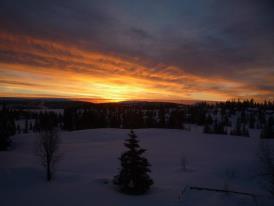
• Watch the sunrise/sunset every day. This is an invaluable exercise in connection with the solar tides, which in turn reflect the seasonal and yearly tides of life. Fitting in the time to either watch the sun rise or set will depend on certain factors, the main factors being work and family. If your schedule doesn’t allow you to watch the sunset during the short winter days, then try watching the sunrise instead. If even this isn’t an option, then try at least to get outside at least once, at the same time, perhaps during your lunch break, to notice where the sun is in the sky. Notice what quality of light there is at that time of year, and how it is reflected in the world around you.

• Similarly, try and watch the moonrise/moonset, if possible. Or, go outside every night and try to find the moon, watch its course through the sky in all the seasons. Watch the stars wheeling overhead, keep track of what is where during which time or season.

• Bathing can be seen as connecting with the very important spirit of water. A ritual that can be done every day, really feel water upon your skin, whether it is a bath, shower or simply washing your face. Immerse your hands into the water and feel its energy, the power that it holds. Find out where your water comes from, and visit that place if at all possible. Learn about your water – it doesn’t just magically come out of the tap from nowhere! This will help you to connect with water in a very positive way.

• Cooking is a good example of connecting with your food, and your loved ones. Finding out where your food comes from, who grew it, are all important factors to consider. Get back in touch with your food – literally. Don’t just peel a potato – feel its skin, the mud and dirt clinging to it, smell the woody, earthy smell, look at it with all its lumps and bumps and colours. This can be done with all food – as children, we explore our food, yet as adults we lose that curiosity and become complacent. When preparing your meal, know that what you are preparing will nourish you, and any others that you are feeding. Give back a little of your meal to the earth in thanks for what you have received.

• Grow something from seed. This really connects you to the power that is life – by watching something throughout its cycle, by tending and caring for it, you will find a connection with that spark that inspires all things to live.

• Meditate every day. Whether inside or outside, taking this time out for yourself to connect with nature and your environment is invaluable. You will feel calmer, more at peace, losing that sense of dis-ease that so pervades our society. Listen to the world around you, feel and see what is happening. A small meditation every day is like a mini-ritual – it is simply taking time out to be, to notice and to honour that specific moment.

Having that connection with the natural world naturally leads us to living a more honourable and sustainable relationship. By taking time out to pause, to notice and to honour our world will help strengthen and nourish that relationship. Think about things you might to do further your connection with the natural world – then go out and do it! You will find yourself blessed with knowledge and a richness in spirit.


(From an aritcle I wrote for The Druid Network a couple of years ago – http://druidnetwork.org/en/node/1540)

Imbolc

snowdropslambs Imbolc – when the first signs of Spring begin to appear after a dark winter on these British Isles.  I have always found this seasonal celebration to be one of the “softer” celebrations – the quieter, more solitary of the rites from the pagan Wheel of the Year.  Usually, any snow that we receive in January is long gone, those one or two brief weeks of the year when a beautiful mantle of white covers the ground, allowing a period of rest and quiet.  In Suffolk, the snows melted over the weekend with the sun and the rain, and the birds, especially the great and blue tits have come out in full force, their songs echoing through the little streambed valley behind my house.  The blackbird cocks are fighting over the food supply, expending far too much energy when they could simply share and all eat a fine meal – instincts are hard to overcome.  The little muntjac deer are often in the garden, day and night, eating birdseed and the first green shoots from various places in my garden, leaving their fertilising little pellets everywhere – a fair exchange, in my opinion. The air is warmer now, the sun holds some strength when it is out in full glory, the pond is thawing and the first signs of new growth are slowly appearing.

Many Druids celebrate Imbolc as the festival of snowdrops, when these seemingly fragile little flowers first appear.  Others celebrate when the ewes begin the lambing season, and the lactation cycle begins.  It was an important time for our ancestors, as this time of year was the hungry time – the winter food stores were running low, and the flow of new milk a welcome and necessary part of survival.  Cheese could once more be made, to accompany the last of the supplies until the first wild food and crops came into season.

I normally celebrate Imbolc when the first snowdrops appear, but I fear my little deer friends may have eaten the first shoots, and perhaps my daffodil bulbs as well.  This year, it is the softness in the air that alerts me to the coming of Spring, to Imbolc.  The birdsong has changed, the snows have melted and everything is slowly awakening from a long slumber. Imbolc comes in the warm southerly breezes, a festival of the element of Air.

With gifts of bread, milk, cheese and song, I give back to the earth, nourishing the little creatures that share the place where I live.  It is a time of reflection – a time to recall the dreams that we dreamt over the long winter, the ones that appeared to us at the winter solstice in the darkest time of the year.  These dreams, like everything, require nourishment, especially at this time of year, or they will fail to come into reality.  And so, at this time of year, we focus, we concentrate our energies into making these dreams come true – we plan, we figure out the logistics, and we celebrate.

It is not yet time to plant these dream seeds, however – February and March can be difficult months, both in the natural world and in the human environment.  Outside, the weather can change in an instant, and we may get more snow, or thick frosts – our seeds would quickly sprout and then die.  In the human environment, February and March are, for many, a financially difficult time of the year. Bills from the holiday season come in, fuel bills and other heating sources must be paid for, and work shifts can decrease due to the slow months after the January sales for those not on a permanent salary. We must carefully look at our resources, and our dreams, to ensure that they don’t fail in these hungry months ahead.

So we plan, and we patiently await the time until the tide turns, at the Spring Equinox, where the days finally become longer than the nights, and our dreams finally emerge from hibernation into the light of reality.  So too do our bodies respond, like the snowdrops and daffodils, to this increase of light from the winter solstice – if we can just make it through to Imbolc, we find that the darkness is in fact receding, that our moods, our bodies, our finances are recovering, and we wait in anticipation for Spring. We need to focus, to concentrate, on making them a reality.  The intention is everything.

May you hold your dreams with nurturing love, and may they be blessed by the coming of Spring.

First full moon of 2013

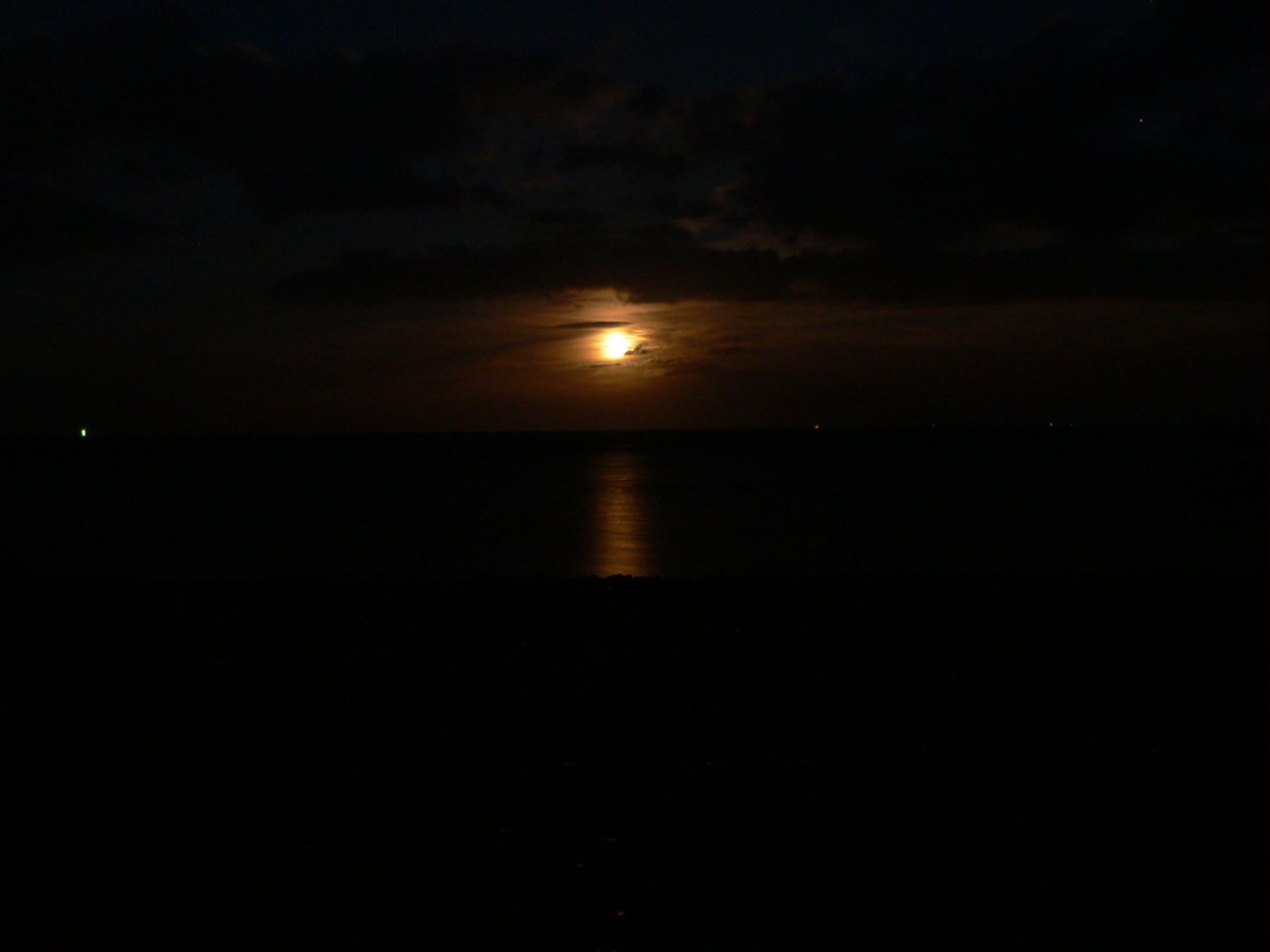
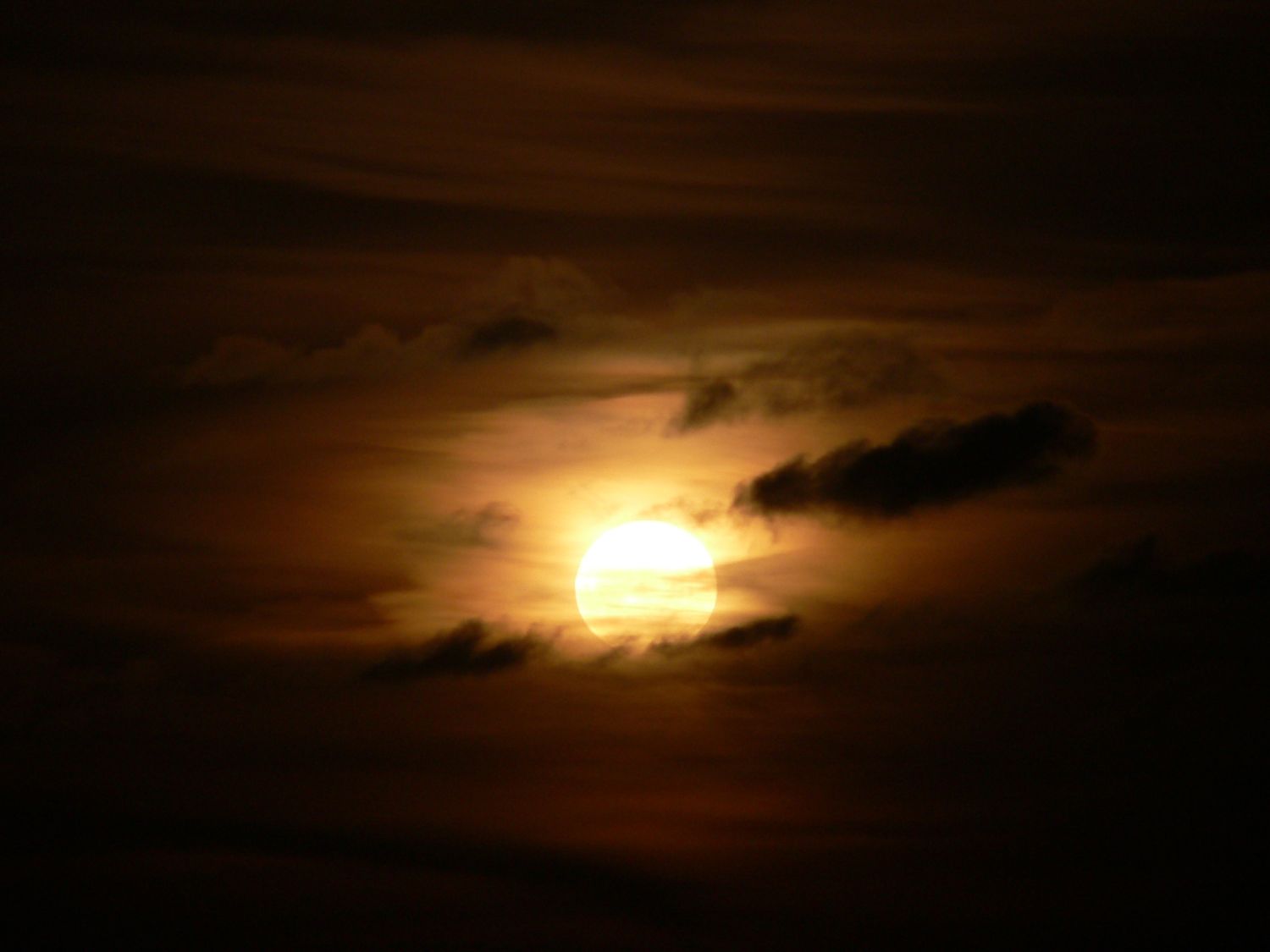
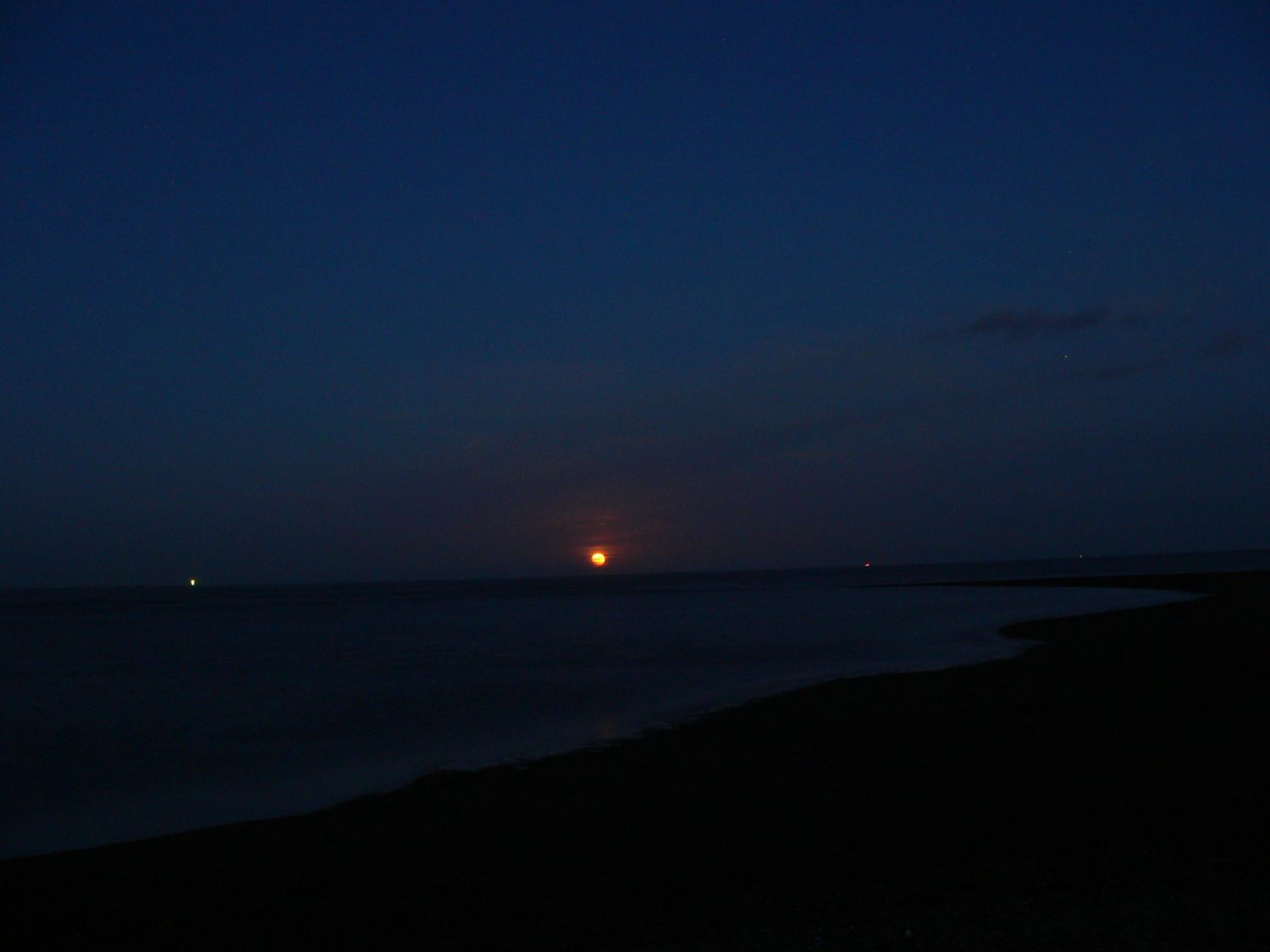
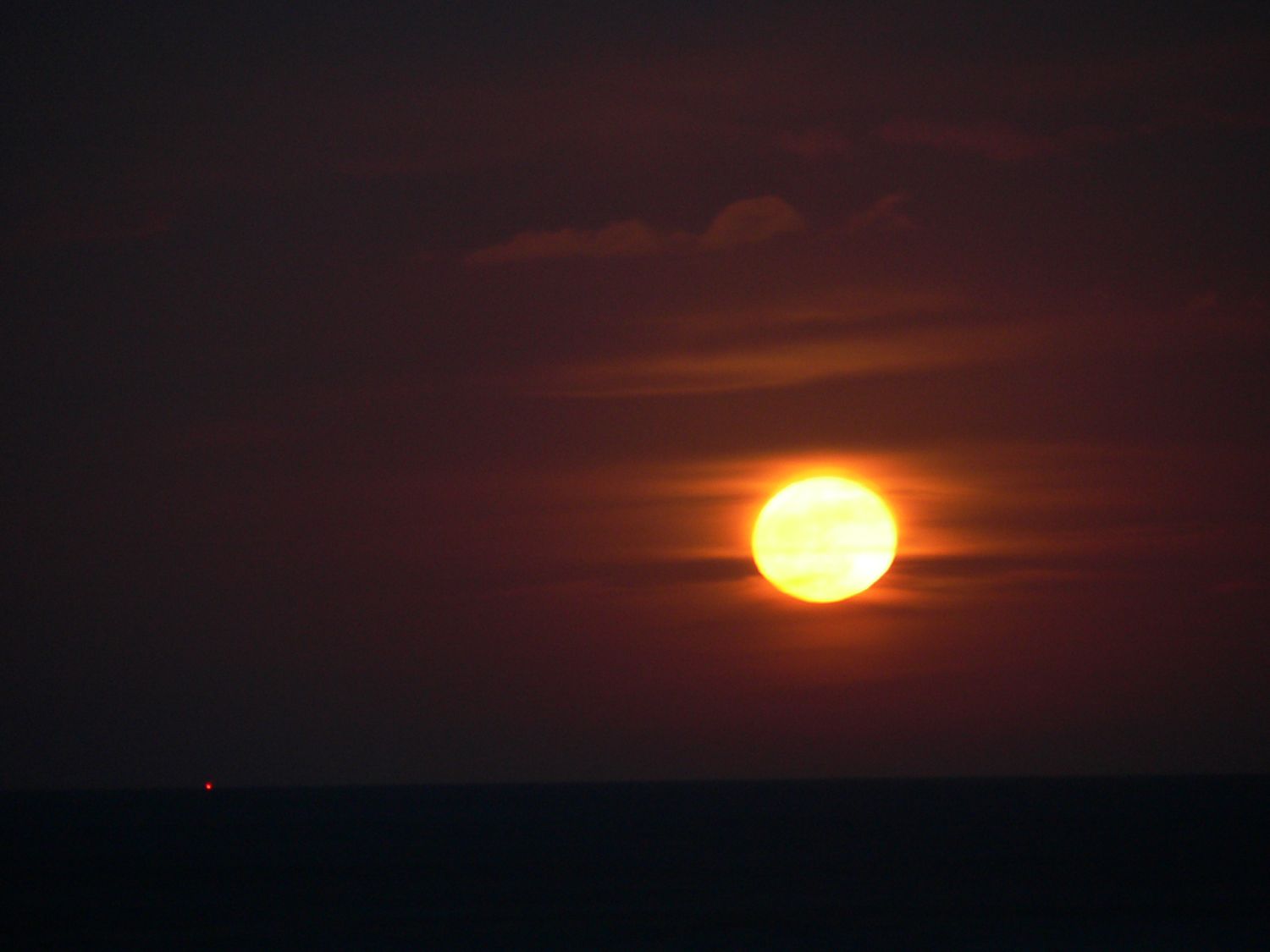
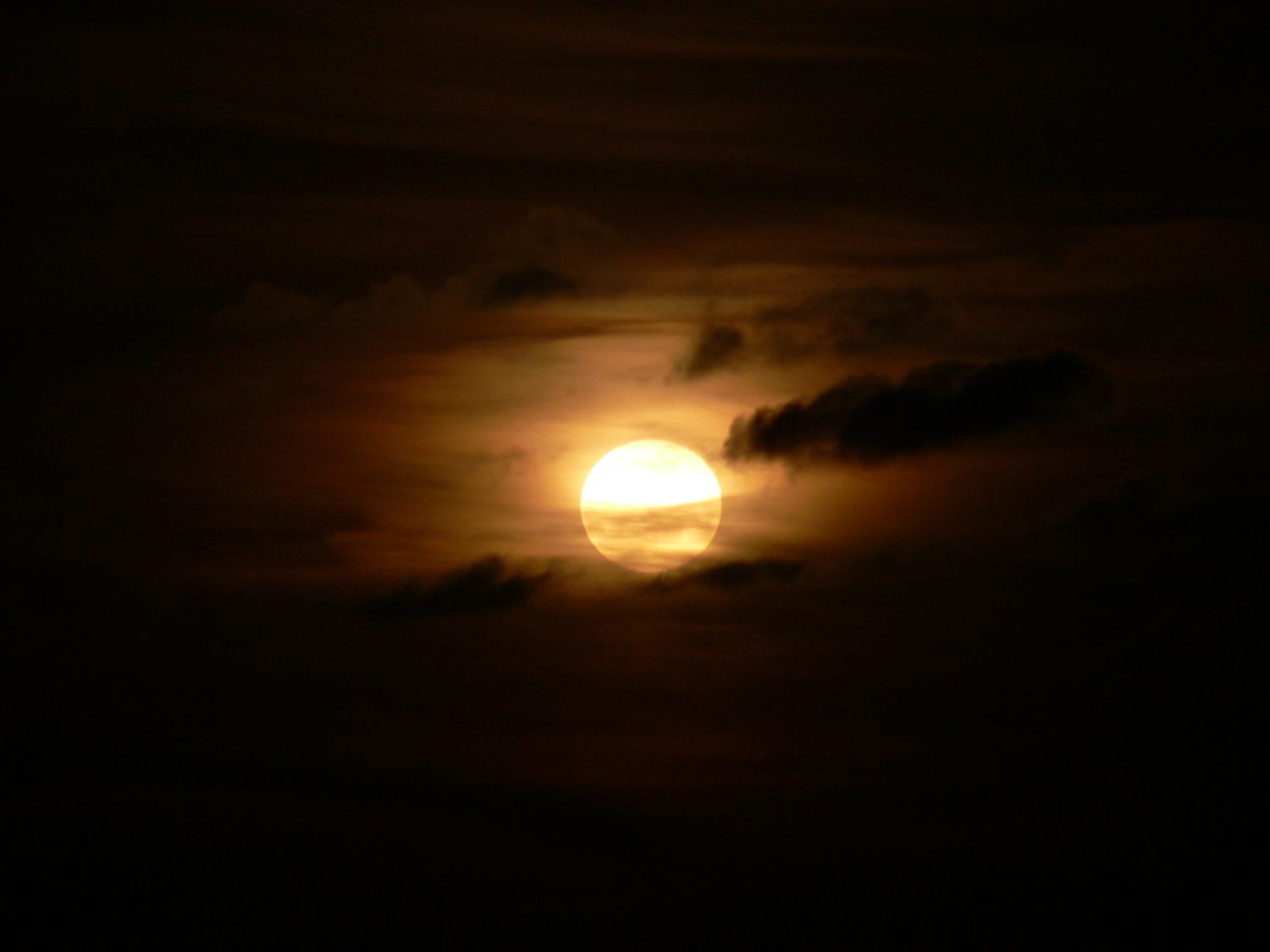
Watching the first full moon of 2013 rise over the North Sea, some of these photos were taken, capturing the beauty of the moment…


7 5 3 4 6