The Lure of Glastonbury

Glastonbury TorEver since childhood, I’ve always loved the stories of King Arthur, of Merlin and the Lady of the Lake.  I loved the tales of swords proclaiming kings, of beautiful and powerful women living on mysterious islands bestowing great gifts, of sorcerers and magicians that could both give rise to and destroy kingdoms.  This love has never left me, though it has changed and developed the more I learn about these tales, and the land upon which I live.

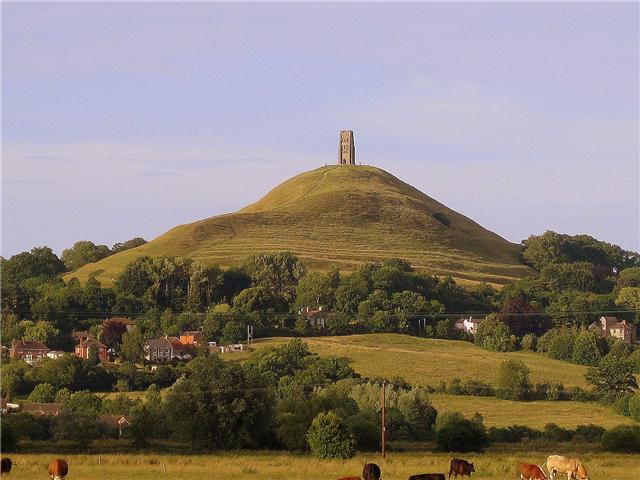
One of the things that has always captured my imagination, and always will, is Glastonbury Tor.  It is a wonderful place, a place of great beauty and incredible mystery.  For me, it is one of the holiest places in Britain.

The landscape is unlike anything I’ve ever seen – rising out of the flat, drained Somerset levels is the Tor.  From a certain angle it looks like a woman lying down.  The Tor itself is a marvel, for carved into it are plateaus, in what appear to be a labyrinthine pattern rising to the summit.  On autumn and spring mornings, often the mist obscures the ground, and the Tor rises out of mist – we could easily believe we have been transported back to the Avalon of old.

What is inside the Tor is equally fascinating – the White Spring.  It is widely believed that inside the Tor is a large carvern, where the White Spring emerges, eventually making its way down into the town of Glastonbury.  Old records mention of a time when a small hole appeared in the top of the hill, and when things were dropped down, it took a long time before a splash was heard.  The White Spring was redirected and made inaccessible in the Victorian era, a large pumphouse created to supply the town and cutting off access to what was once a beautiful little spot where the spring emerged, calcifying everything around it, giving it a fey quality. Thankfully, in 2005 the White Spring Trust re-opened the disused pumphouse and has turned the small caverns, rooms and interiors into separate sites where one can once again pay tribute and honour the spirit of the White Spring.

Two monasteries or churches were built on the Tor in the Christian era – the first destroyed, I believe, due to the Tor itself shifting, causing the building to collapse.  Was the previous pagan site revolting against this new religion?  Or was it the sand and limestone ever shifting, finding a comfortable place to rest for the next 500 years?

All that is left on the Tor now is the tower, St Michael’s Tower.  The rest of the building was destroyed in the Reformation.  I both like and hate the tower atop the Tor – it looks beautiful, standing there all alone, a kind of spiritual trig mark; I hate the fact that anything mars the natural beauty of the Tor, and do think that the tower one day will also collapse, as nature reclaims her own.

Smaller hills surround the Tor, Chalice Hill and Wearyall Hill.  Chalice Hill is said to the be source of the Red Spring, which flows down again like the White Spring to Glastonbury Town, and has the most beautiful gardens built around it.  For a small fee, one can enter the gardens and see it in all its glory (unlike the White Spring, which is free).  It was said that the Red Spring ran beneath a grove of Yew Trees, the iron rich water reflecting the blood red sap of the yew.

The Springs are perhaps the most significant thing about Glastonbury – White and Red, the colours of the Otherworld.  From two separate yet very close sources, these two very different springs come down to Glastonbury and are separated by the smallest of distances – I’m certain that at one point they ran together, but now I believe a street is blocking the union of the two springs.  Perhaps one day they will run together again.

The Tor, rising out of the watery levels, connected the Three Worlds of Land, Sea and Sky. The Red and White Spring issued forth from the fairy mound, the Gateway to the Otherworld.  The labyrinth way to the summit of the Tor was the spiral of life.  This is only a taste of the wonders that very special place – what a magical place!

Is it any wonder why I chose it at the setting for my latest book, The Isle of Apples?

Druidry and the Practice of Connection

All too often in today’s society we can feel disconnected from nature, our conceptions of the “real world” and the spiritual world ever growing further apart. Druidry teaches us that the two are really one world, where spirit is real and reality is spirit. Incorporating exercises to help keep that connection strong are very useful in maintaining a holistic worldview. Here I provide some examples of things you can do every day to remind yourself that that the two are one, that connection with time, place, spirit and reality can and is achieved through everyday actions.

• Watch the sunrise/sunset every day. This is an invaluable exercise in connection with the solar tides, which in turn reflect the seasonal and yearly tides of life. Fitting in the time to either watch the sun rise or set will depend on certain factors, the main factors being work and family. If your schedule doesn’t allow you to watch the sunset during the short winter days, then try watching the sunrise instead. If even this isn’t an option, then try at least to get outside at least once, at the same time, perhaps during your lunch break, to notice where the sun is in the sky. Notice what quality of light there is at that time of year, and how it is reflected in the world around you.

• Similarly, try and watch the moonrise/moonset, if possible. Or, go outside every night and try to find the moon, watch its course through the sky in all the seasons. Watch the stars wheeling overhead, keep track of what is where during which time or season.

• Bathing can be seen as connecting with the very important spirit of water. A ritual that can be done every day, really feel water upon your skin, whether it is a bath, shower or simply washing your face. Immerse your hands into the water and feel its energy, the power that it holds. Find out where your water comes from, and visit that place if at all possible. Learn about your water – it doesn’t just magically come out of the tap from nowhere! This will help you to connect with water in a very positive way.

• Cooking is a good example of connecting with your food, and your loved ones. Finding out where your food comes from, who grew it, are all important factors to consider. Get back in touch with your food – literally. Don’t just peel a potato – feel its skin, the mud and dirt clinging to it, smell the woody, earthy smell, look at it with all its lumps and bumps and colours. This can be done with all food – as children, we explore our food, yet as adults we lose that curiosity and become complacent. When preparing your meal, know that what you are preparing will nourish you, and any others that you are feeding. Give back a little of your meal to the earth in thanks for what you have received.

• Grow something from seed. This really connects you to the power that is life – by watching something throughout its cycle, by tending and caring for it, you will find a connection with that spark that inspires all things to live.

• Meditate every day. Whether inside or outside, taking this time out for yourself to connect with nature and your environment is invaluable. You will feel calmer, more at peace, losing that sense of dis-ease that so pervades our society. Listen to the world around you, feel and see what is happening. A small meditation every day is like a mini-ritual – it is simply taking time out to be, to notice and to honour that specific moment.

Having that connection with the natural world naturally leads us to living a more honourable and sustainable relationship. By taking time out to pause, to notice and to honour our world will help strengthen and nourish that relationship. Think about things you might to do further your connection with the natural world – then go out and do it! You will find yourself blessed with knowledge and a richness in spirit.


(From an aritcle I wrote for The Druid Network a couple of years ago – http://druidnetwork.org/en/node/1540)

Imbolc

snowdropslambs Imbolc – when the first signs of Spring begin to appear after a dark winter on these British Isles.  I have always found this seasonal celebration to be one of the “softer” celebrations – the quieter, more solitary of the rites from the pagan Wheel of the Year.  Usually, any snow that we receive in January is long gone, those one or two brief weeks of the year when a beautiful mantle of white covers the ground, allowing a period of rest and quiet.  In Suffolk, the snows melted over the weekend with the sun and the rain, and the birds, especially the great and blue tits have come out in full force, their songs echoing through the little streambed valley behind my house.  The blackbird cocks are fighting over the food supply, expending far too much energy when they could simply share and all eat a fine meal – instincts are hard to overcome.  The little muntjac deer are often in the garden, day and night, eating birdseed and the first green shoots from various places in my garden, leaving their fertilising little pellets everywhere – a fair exchange, in my opinion. The air is warmer now, the sun holds some strength when it is out in full glory, the pond is thawing and the first signs of new growth are slowly appearing.

Many Druids celebrate Imbolc as the festival of snowdrops, when these seemingly fragile little flowers first appear.  Others celebrate when the ewes begin the lambing season, and the lactation cycle begins.  It was an important time for our ancestors, as this time of year was the hungry time – the winter food stores were running low, and the flow of new milk a welcome and necessary part of survival.  Cheese could once more be made, to accompany the last of the supplies until the first wild food and crops came into season.

I normally celebrate Imbolc when the first snowdrops appear, but I fear my little deer friends may have eaten the first shoots, and perhaps my daffodil bulbs as well.  This year, it is the softness in the air that alerts me to the coming of Spring, to Imbolc.  The birdsong has changed, the snows have melted and everything is slowly awakening from a long slumber. Imbolc comes in the warm southerly breezes, a festival of the element of Air.

With gifts of bread, milk, cheese and song, I give back to the earth, nourishing the little creatures that share the place where I live.  It is a time of reflection – a time to recall the dreams that we dreamt over the long winter, the ones that appeared to us at the winter solstice in the darkest time of the year.  These dreams, like everything, require nourishment, especially at this time of year, or they will fail to come into reality.  And so, at this time of year, we focus, we concentrate our energies into making these dreams come true – we plan, we figure out the logistics, and we celebrate.

It is not yet time to plant these dream seeds, however – February and March can be difficult months, both in the natural world and in the human environment.  Outside, the weather can change in an instant, and we may get more snow, or thick frosts – our seeds would quickly sprout and then die.  In the human environment, February and March are, for many, a financially difficult time of the year. Bills from the holiday season come in, fuel bills and other heating sources must be paid for, and work shifts can decrease due to the slow months after the January sales for those not on a permanent salary. We must carefully look at our resources, and our dreams, to ensure that they don’t fail in these hungry months ahead.

So we plan, and we patiently await the time until the tide turns, at the Spring Equinox, where the days finally become longer than the nights, and our dreams finally emerge from hibernation into the light of reality.  So too do our bodies respond, like the snowdrops and daffodils, to this increase of light from the winter solstice – if we can just make it through to Imbolc, we find that the darkness is in fact receding, that our moods, our bodies, our finances are recovering, and we wait in anticipation for Spring. We need to focus, to concentrate, on making them a reality.  The intention is everything.

May you hold your dreams with nurturing love, and may they be blessed by the coming of Spring.

First full moon of 2013

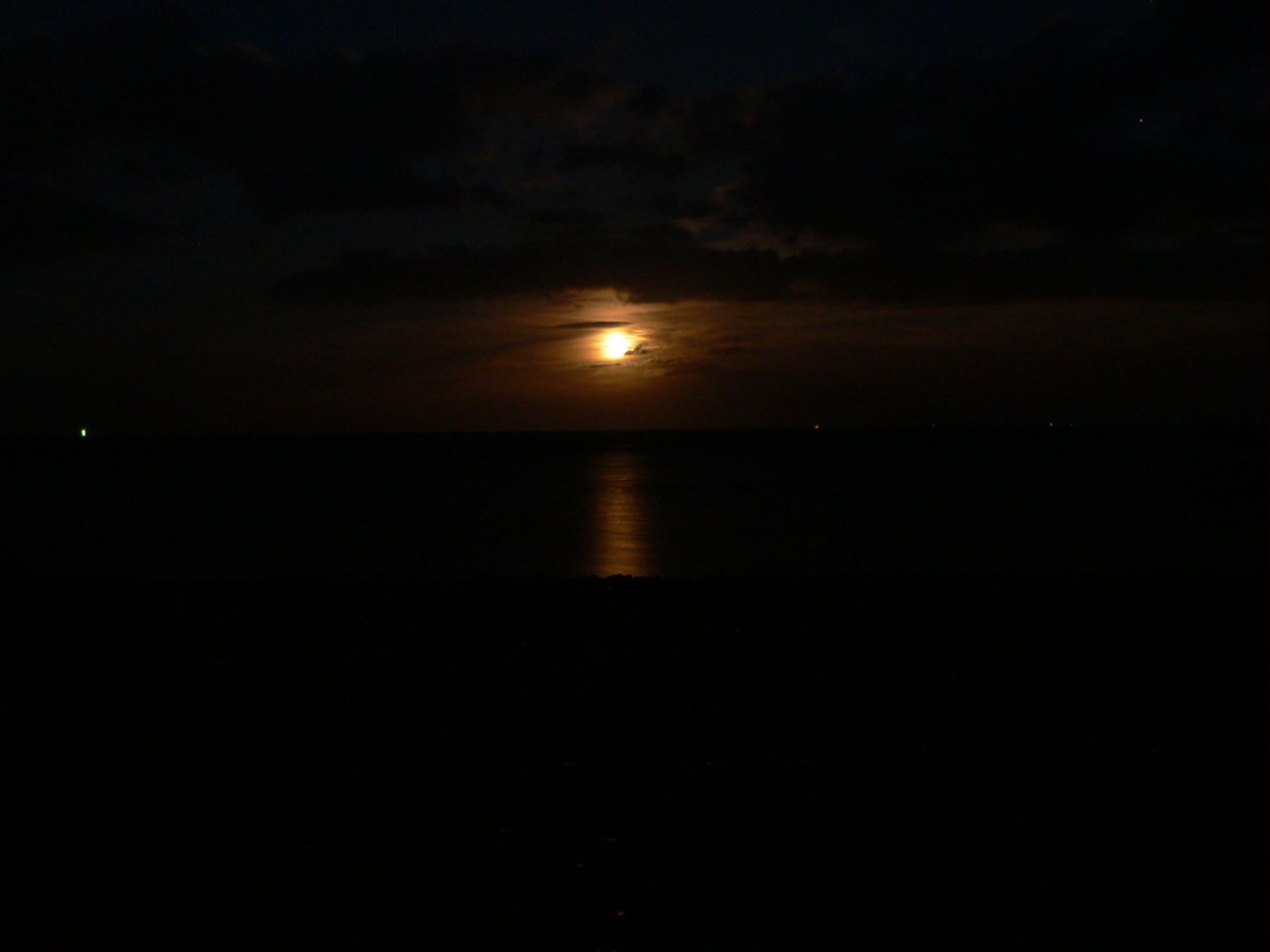
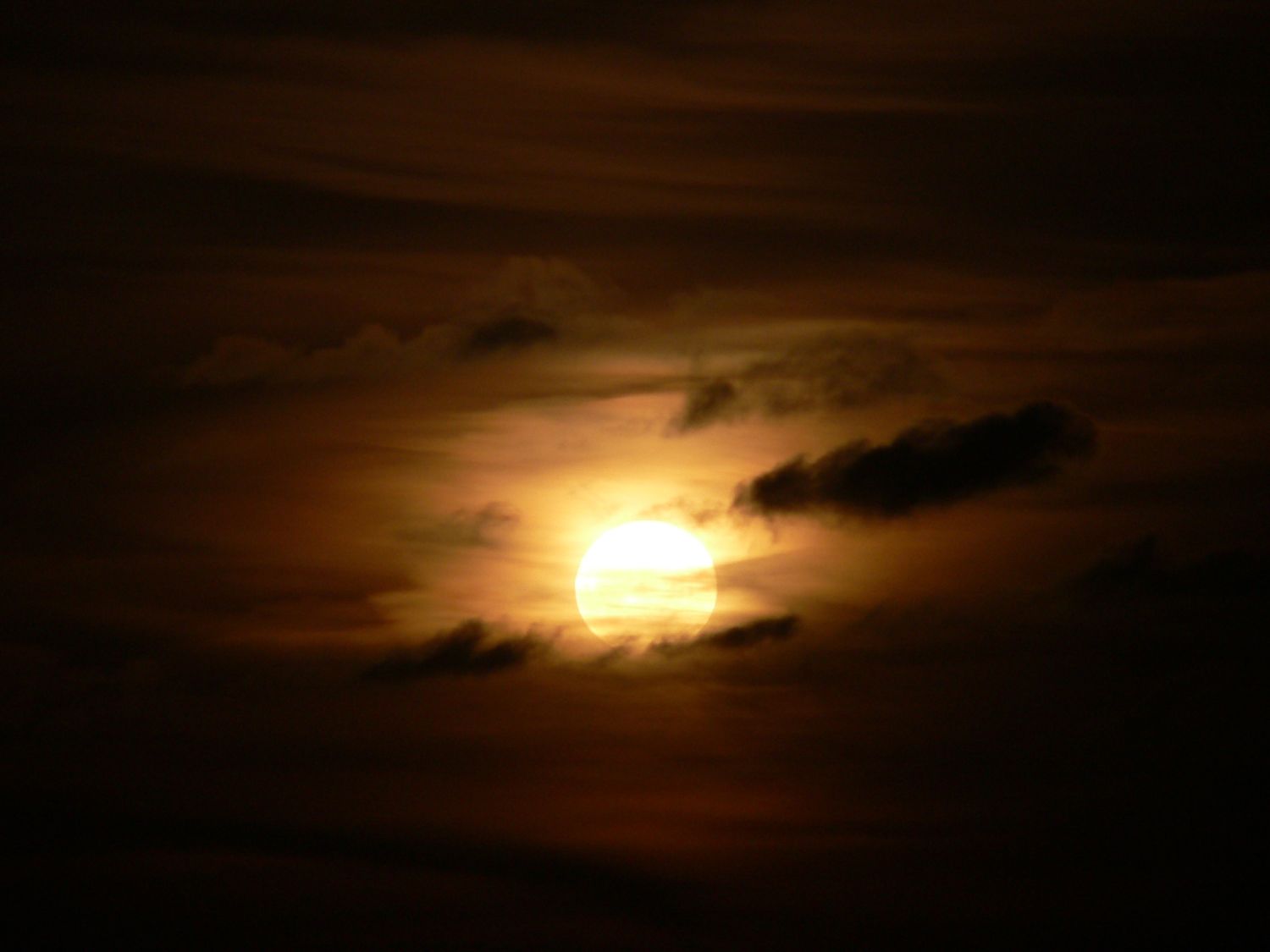
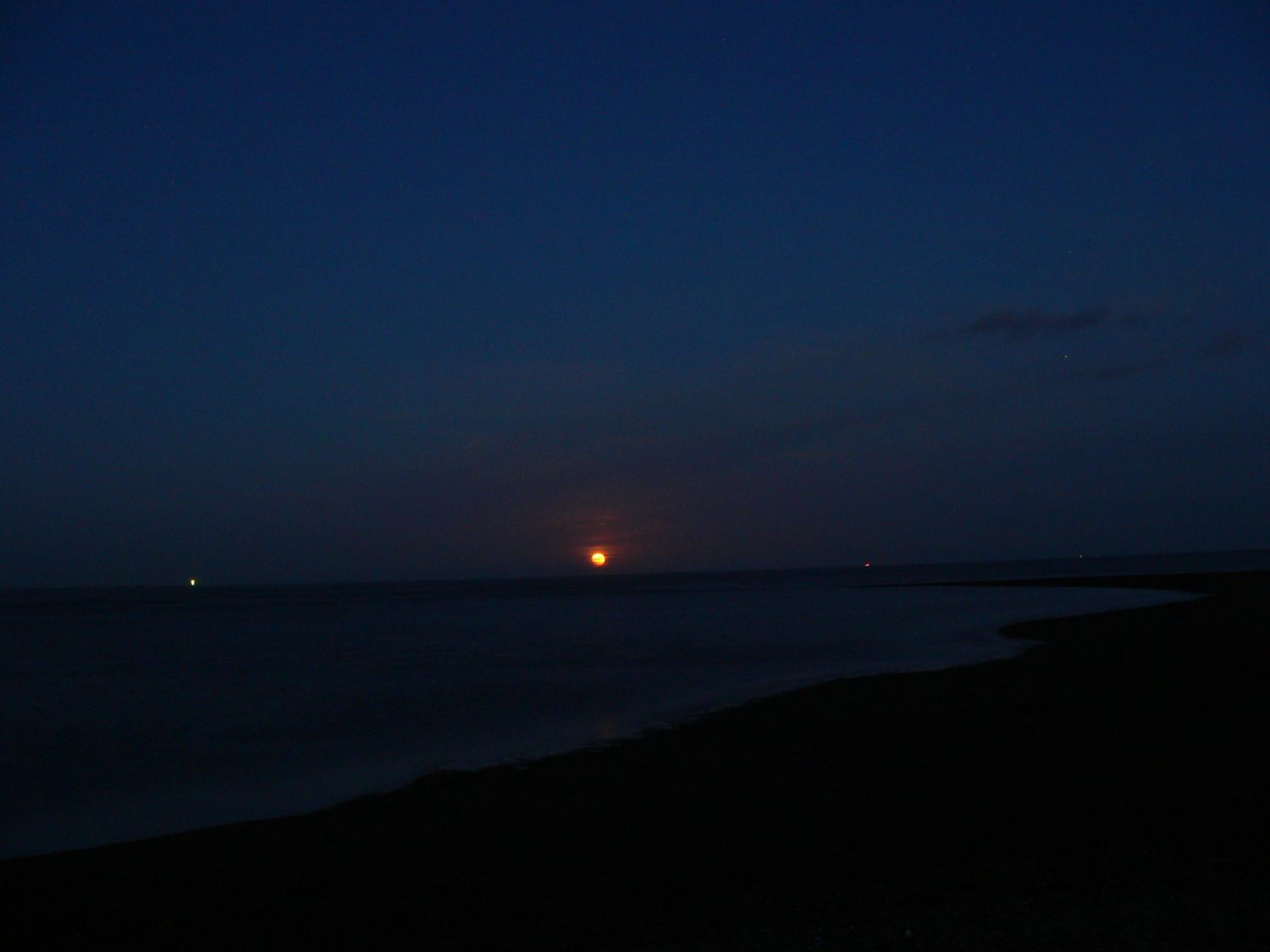
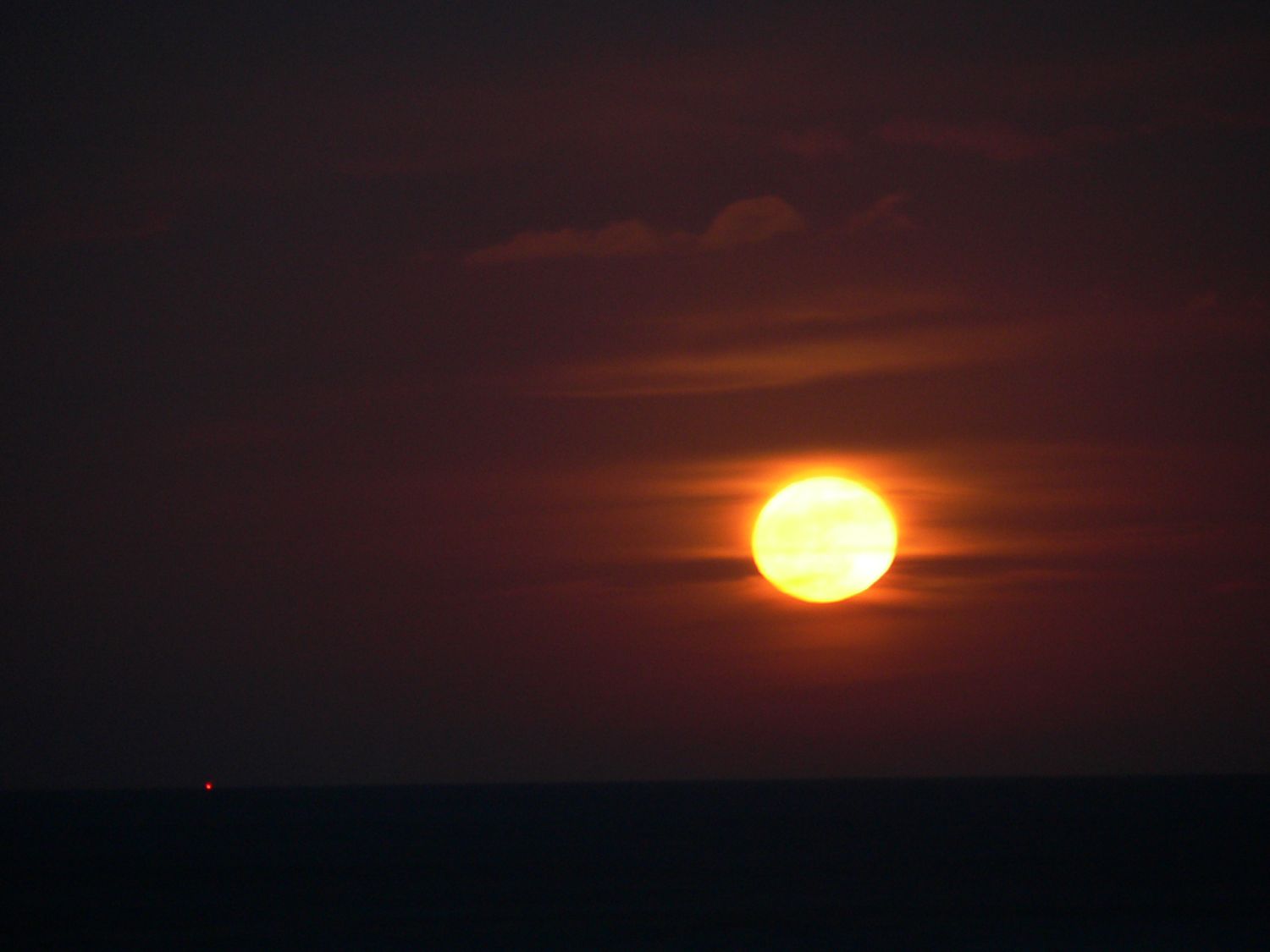
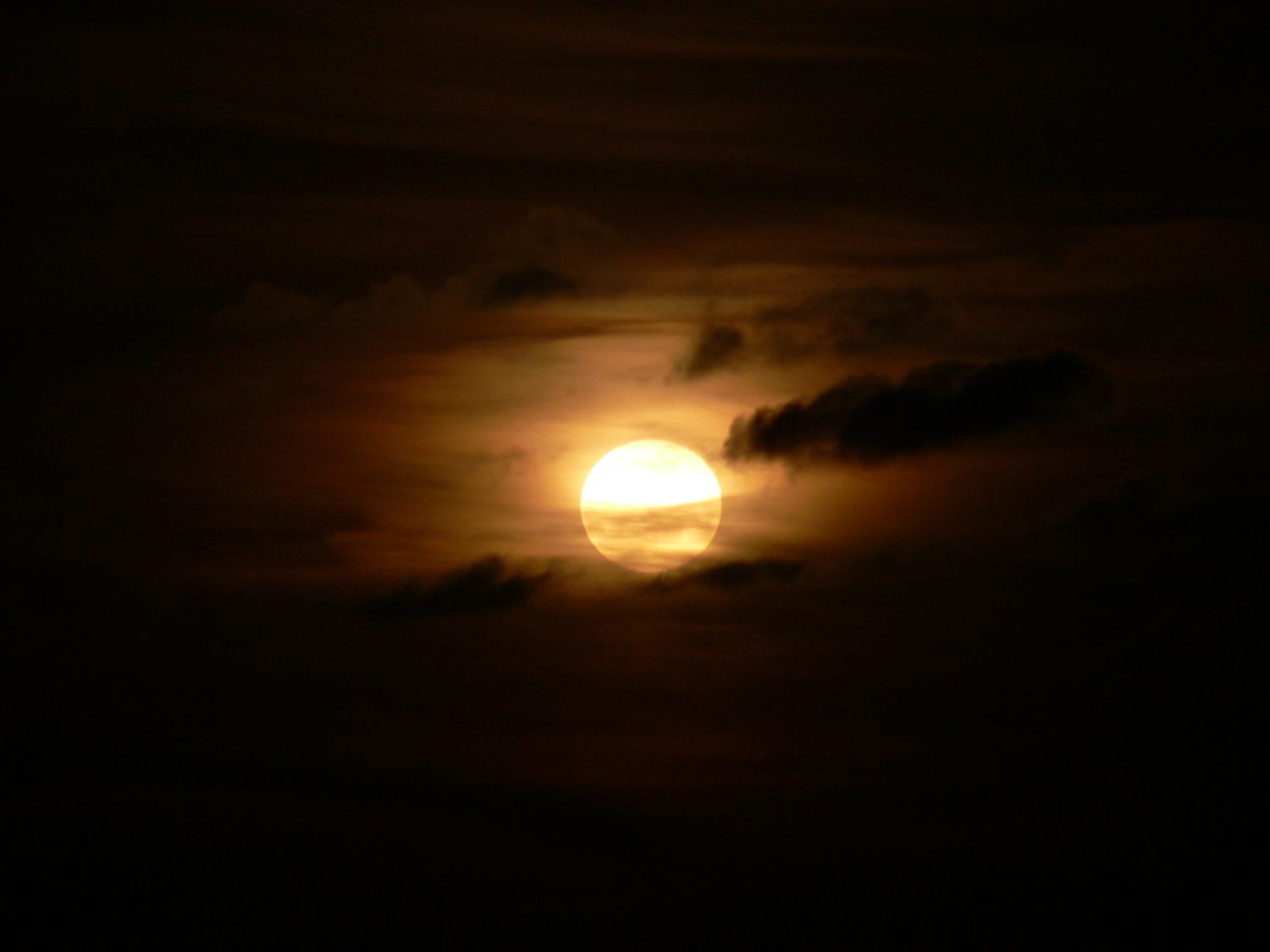
Watching the first full moon of 2013 rise over the North Sea, some of these photos were taken, capturing the beauty of the moment…


7 5 3 4 6

The Druid and the Deer

P1020784 I went out seeking Elen today. I put on my thermal trousers, got on my ski jacket, slipped on my handwarmers and proudly placed my Winnie the Pooh earmuffs upon my head. Grabbing my bag, I opened the front door with excitement and stepped out into the cold January air.

What a beautiful, cold scent! I love the smell of winter, of snow – there’s nothing quite like it. It reminds me of home, in Canada, where that scent stays for longer than a couple of weeks like it does here in Suffolk. The snows were melting – the pavement was now showing and bits of grass here and there.

Walking down the bridleway, more and more mud started appearing, but I knew that wouldn’t last long. Out on the heath the snows, though they were settling, were still enough to cover everything with a mantle of white. I crossed the track to the riding stables and set out upon the heath with a light heart.

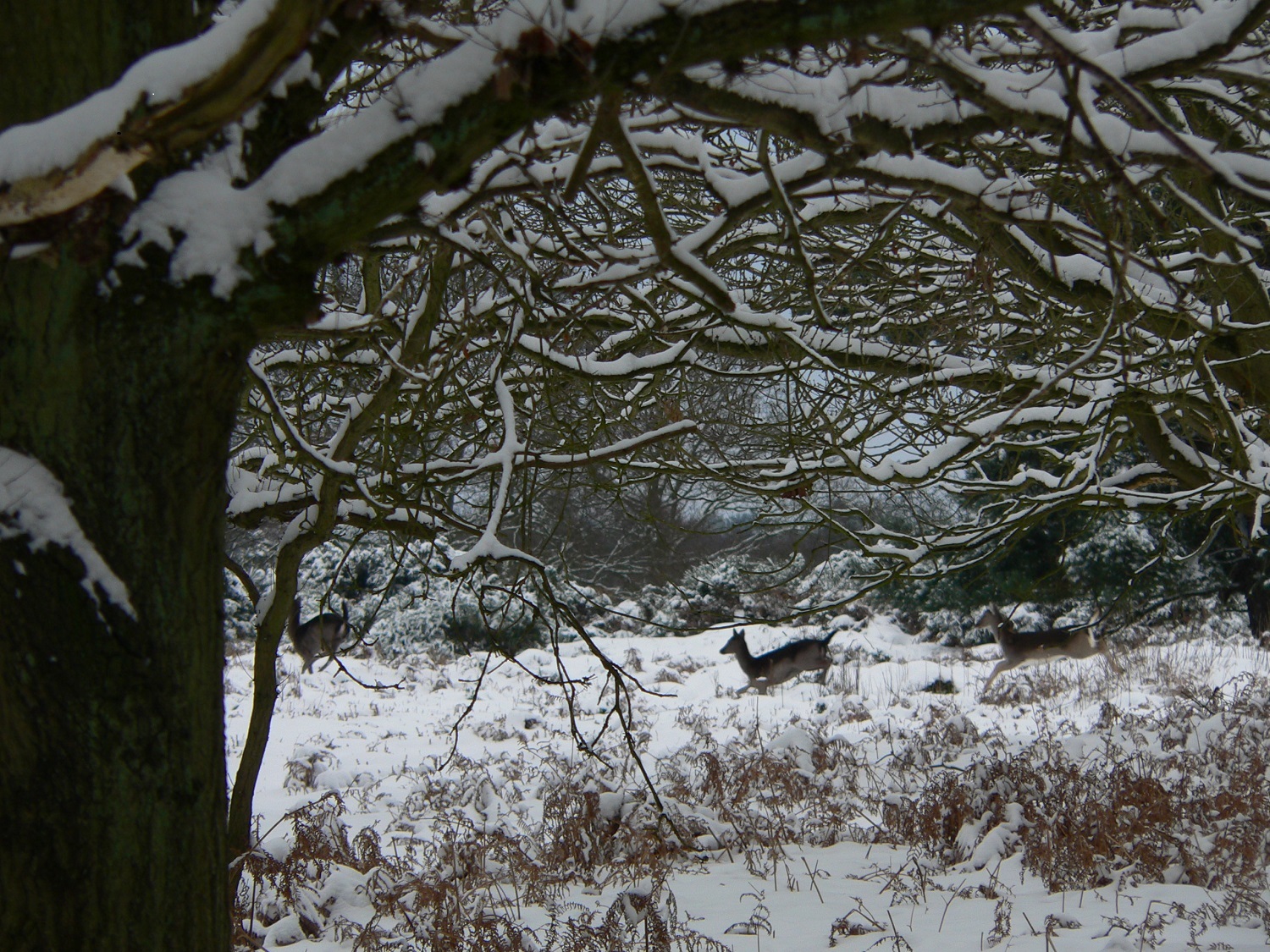
I looked in the first usual spot for the fallow deer – they weren’t there. I went to the second, and again, they weren’t there. I could count on one hand the amount of times I’d been out in the heath and woods and not seen deer, and yet was afraid that this would be another one of those times. A minute later, I knew that it wasn’t.

Straight in my path was the first herd – about 10-15 strong. I saw no stag, but lots of lovely does in all colours, from nearly black to a light fawn colour. They raised their heads, their large ears listening. I took a step forward for a closer look, and they turned and began walking away. I stopped, not wanting to frighten them, but then one doe that very distinct “Eeep!” and then they all turned tail and ran a few hundred yards further down the path.

I continued, watching them melt into the gorse bushes without a sound. I considered following them, but then knew that I should leave them alone and not hassle them. I had a plan – I was going to find one of their spots and sit there, feeling their energy, and hoping that would bring me closer to Elen.

I crossed along the trail to a smaller side track, along the edge of the wood. I knew they often gathered beneath the pines in a small section to the left and all the tracks confirmed my path. I followed, a lone doe under a pine tree about three hundred yards away watching me intently. I stepped on a dried twig, which snapped audibly, and out of hiding another herd ran out to find another shelter.

Again, I felt bad for disturbing the deer, but at least the way was now clear for me to enter into Elen’s realm. I got to the edge of the pine trees and silently asked permission to enter the space. A voice in my head said, “Go quietly,” and so I did.

I shook out my blanket and laid it upon a bare patch of ground where many deer had been under the pine trees. I sat down cross-legged for a few minutes, simply looking around. I realised that I might be here some time, and so I sat with my back against a pine tree, simply listening and looking. The musky scent of deer was heavy in here, mingling with the sharp scent of pine. I breathed deeply, and quieted myself down.

I simply listened, first with eyes shut and then opening my senses, one at a time, to the world around me. The first thing I noticed was the sound of traffic from the road to the village – some days when the air is still, or the breeze blowing in the right direction, the sound is quite loud. This was one of those days. I then heard a plane overhead, a small craft with a growling engine slowly making its way out towards the North Sea. More traffic. My own breathing. I then realised that the birds had stopped chirping. The only sounds I could hear in the middle of the heathland were human sounds.

“You have pushed us further and further,” a voice said in my head. “Our territory is smaller and smaller, and still you encroach upon us, further and further.” I suddenly felt ashamed, not only for my species but also for myself – this was a place for the deer, this was one of their spots. I was intruding upon their space. It was like being found in another person’s front room, making yourself comfortable. I whispered my apology and, scattering some seeds and grains in thanks, packed up my blanket and quickly left that place.

As I made my way back to the path, I saw more deer deep in the wood, shadows flashing between the light spaces behind the tree trunks. “Where is my place?” I asked the heathland, silently. There was no answer.

More deer came out and stood on the path in front of me, leaving the wood. They were curious, and I asked them “Where is my place?” They did not answer. Instead, they melted into the brush once more. I continued down the path, watching more and more deer leave the wood and go out into the heath once more. I saw the white doe, watching me intently from the edge of the gorse, and I whispered softly, “Hail, Elen”. After a moment of watching me, the rest of her herd began to run around the perimeter of the wood, and she eventually joined them. I wished with all my heart that I too could run with the herd, to see what it felt like to be so powerful and yet so light. Without a sound they ran. “Where is my place?” I asked once again, feeling a hint of despair creeping in.

I walked on for ten minutes, and came out to where my path normally would turn out into the open heath. Yet even more deer here, a darker herd with pale underbellies, standing in the snow. The saw me, and sproinged off in the way that only those of the deer persuasion could – bounce bounce bounce. I smiled, realising that everywhere I had turned today, there had been deer.

But still the question remained, “Where is my place?” Walking now in the open heathland, the snow crunching beneath my feet, I pondered the question with a heavy heart. I was not the deer, I was not wild, this was not my place. I was human. Were human places to be my places? I always connected with the wild places before, but knew that this was not my place. So where was my place? A crow laughed from the wood behind me, as I pondered and continued on.

That is the question that is most important to Druids, and what they seek to find most in their spirituality. Where is their place in the wide world? I trudged on, feeling the wind across my cheeks and feeling my bum getting cold. I was living here in the UK, is that where my place was? I was Canadian, is that where my place was? Yet I was out here – where was my place?

My path still followed the deer tracks left in the snow. Everywhere I wanted to go, it seemed I was following deer, lots of them, their little imprints in the snow going in exactly the same direction. I crossed the heath and made my way to the lesser travelled part of the heath, on which I had never seen any humans. This was my special place, where I came to connect with nature and the spirits of place many times before. I hoped that I would not disturb anymore deer, that indeed this was where my place was.

There were no deer to be seen, and yet the path was marked by deer tracks yet again. Less now, but still one or two had followed this way before. I found my footprints from a few days ago, and followed them – they mingled in with deer tracks now. On the edge of the open space, I saw the two lovely oak trees that I had often sat beneath, looking out over the heather and the clear blue sky. I walked to the edge of the bare canopy of the first, and asked permission to share that space. I was welcomed in with warmth. I literally sat within the arms of the oak tree upon my blanket, my back resting upon the trunk, my feet tucked up beneath me.

I closed my eyes for a while, simply listening. I couldn’t hear the traffic so much anymore – I was further away from the road. I distantly heard the church bells chime the hour, though the wind was in the wrong direction and I could not count the bells well enough to tell the time. It did not matter anyway. A stag coughed from the woodland down the way and to the right, and then again. I simply let myself be, opening my nemeton to the world around me, and asked the question once more, “Where is my place?”

I opened my eyes, and an answer came. “Not where is my place,” the oak tree said. “What is my place?” A wave of understanding washed over me – that was it! And here, beneath the boughs of the oak, I knew what my place was – I was a Druid. That was where I fit into the world. It didn’t have a physical space – I could be anywhere in the world and still be a Druid. It was what I was that mattered. The wisdom of the oak once again to the Druid’s rescue.

I lifted my eyes to my footprints just before me, leading to the edge of my blanket, and saw a single set of deer tracks right next to them, leading to this very spot. Not occupying the same place, or even the same time, still they walked the same path. This was the key. Elen of the Ways. Walking the paths, along with others, with respect, compassion and honour – this was what it was all about. Footprints mingling, trodding the same ways, in the same direction, going towards the same thing, branching off to other things, it was the path that was the key. It was The Way that mattered.

I smiled. I got up and thanked the oak for his wisdom, and Elen for showing the the Way. My bum thoroughly cold now, I sat up and the kneeled to leave my offerings of seeds, grain and home baked banana bread beneath the oak’s branches. I replaced my blanket within my bag and headed down the path I had previously trodden.

Again, my footprints were mingled with deer – a minute later new prints emerged, which lead to a dark, sandy patch that showed up through the snow. I followed the prints and found a fox den, to my delight. Recently excavated, they had come out after a long sleep, avoiding the worst of the snow. I could see their sandy pawprints slowly washing clean in the snow as they ventured out from the den. How lovely!

I continued on my way, and eventually came out onto the heath again. I saw the herd once again, with the white doe. She again watched me intently. This time, they made no move to run. I slowly continued on my way and felt a hundred eyes watching me behind the white doe. I turned around and waved a farewell, seeing their inquisitive faces and long necks following my every movement. This time, they did not run.

I made my way home, following horse tracks and deer tracks, rabbit, fox and blackbird tracks. All these Ways, all these paths, all these markers that were left behind in the snow to remind me of the shared path.
I honour you, Elen of the Ways.

The Nature of Prayer

A television show that I enjoy, which originally aired in the late 90’s through to 2002, is Dharma and Gregg. It is about a free-spirited woman with two hippy parents who is very spiritual, very loving and very funny. She marries a conservative born and bred lawyer, and the exchange and growth between the two is what makes this such a great show.

At one point Dharma is praying in a hospital chapel, and her spirit guide, a Native American named George whom she connected with personally before he died, comes to her aid and offers advice in her time of need. He hears her praying, having a conversation with whatever deity will listen, and offers these very poignant words which I remember to this very day.

“So, you’re having a conversation with the Great Spirit, the Creator of All Things, and you’re doing the talking?”

This, indeed defines for me the nature of what prayer is seen as today. Even if we are not asking for anything, a lot of prayer consists of a one-way conversation between the individual and the deity/spirit in question. Prayer is a relationship, for me – and as such necessitates a give and take in everything, including both spoken and unspoken words. Too often in prayer, we forget to listen.

Have you ever had to listen to someone go on and on, and know that they are simply enjoying their own drama? If someone comes to you and asks sincerely for advice, then they will tell their tale and then listen – otherwise it is simply a self-indulgence that is ego-based. Communing with deity means a communication from both sides.

Prayer is also not something done only in times of need. How annoying is it when a friend only comes to you when they need something? A good relationship is being there for someone, to listen and aid a friend, and with a Zen attitude, not expect anything in return. This is a huge ask. I’m not terribly great at it – I still have some expectations, though I am working on the philosophy behind the Zen attitude. I’ve had friends that only take from you, physically or spiritually, and give nothing back. It isn’t nurturing, and that is the main difference, I think.

For relationships don’t simply happen – they do require nurturing and attention, kind of like a houseplant, when I come to think of it. There are some friends who I don’t see for years, due to distance, but when I do see them it is like no time has ever passed, no miles could ever come between. It is because these friends nourish me, as I hope I do for them. It is the same with the gods – some I haven’t communed with for years, but they still hold a special place in my heart, which is renewed upon experience. I sincerely hope this doesn’t sound too self-centred.

I’ve since dropped the friends who are no longer nurturing, who only have their best interests to heart. I have been used by several people, and it’s never nice. The same goes with any deity – I will not pray to any god or goddess who is simply in it for themselves. I seek wholesome, nurturing relationships with my gods, my friends and the environment – it is part and parcel of being a Druid.

So what is the nature of Prayer? The nature is to nurture. It is to establish a connection that sustains everyone involved and which makes this world a better place. It is a give and take, listening and responding, with honour and with integrity and to the best of our ability.

Life itself is prayer.

How Druidry Relates to the Environment

(from an article I wrote for The Druid Network)

Druidry, perhaps more than any other strand of Paganism in the wide weave of spiritual traditions, takes the environment into consideration on so many levels. Druidry – most commonly believed to be from the old Irish words dru and wid meaning “oak knower”, or even the Proto-European deru and weid “oak-seeker” acknowledges this communion with nature in the very roots (pardon the pun) of the word. Heathenry – one from the heaths, or Wicca (most commonly believed to be from the Saxon wicce, to bend or shape, as a willow branch can be bent or shaped into something quite beautiful) have similar nature-orientated origins, however, the communication between the natural environment and the Druid is even closer simply in the name…

How do Druids view their environment? Many, if not most Druids are animistic, believing in the essential spirit of everything, whether it be rock or tree, raindrop, beetle, horse or the sea. There is a sense of consciousness in everything. When I use the word consciousness, I don’t mean in the scientific sense of the last two centuries, where it was used to differentiate between humans and other animals and also “non-sentient” beings. Consciousness, to me, is a part of the greater whole web of life, where threads are woven together, separate but still connected. It is what makes something what it is – whether it is the rose, a cloud or the moon. It is its own inherent identity, or, more poetically, its own song that makes it what it is.

With that sense of consciousness in all things, it is much harder for the Druid to disregard any aspect of the environment. No longer are wildflowers plucked for their beauty, to die within days on our dining room table. No longer is it an option to squash the spider in the living room who seeking warmth from the coming winter. Our entire perception is changed once we view the environment both as having its own consciousness and as we do so conscientiously. We gain both a greater and broader view of the web of existence, at the same time as finding our own place within it. How wonderful is that?

That world view brings with it a responsibility. No longer are we allowed to remain ignorant in the ways of our own environment. If we are to view it as a whole, then we must truly see every part that we also play within it. If the whole of nature has a spirit, then issues arise such as the taking of a life for food. Many within Druidry are vegetarian, if not vegan, and yet there are still many others who eat the flesh of an animal. Some do so, claiming that ethically raised and slaughtered animals for food are perfectly acceptable to put on our plates. In my own vision of Druidry, the damage caused to the environment by the raising of animals for food does not allow that luxury of thinking. It takes much more energy and resources to raise animals for food than it does to plant in the same amount of land a sustainable, organic crop for food. In giving up animal meat and animal products for both food and other commodities, we are caring more for our environment and also, at the same time, sacrificing our ignorance of the weighty issues behind such matters to become fully aware. We must accept responsibility for our part.

The word environment has many meanings, however. Our immediate response to the word is the natural environment – nature. There are many other environments, however – little worlds created by human consciousness. We have our work environment, our home environment, our villages, communities and cities. There is the issue of human to human interaction as well as interaction with nature (though as humans are a part of nature, I realise that I am contradicting myself in some ways, but please bear with me). Our own sense of self, or self-awareness, creates a thorny path through which we must navigate carefully, in order not to injure ourselves or others. Unless one lives as a hermit, the Druid will have interaction with other human beings, some Druids, some not. As with the Druid relationship with nature, sensing the inherent consciousness within it, Druidry teaches us that same sense of consciousness in human interactions. I admit – it is a lot easier for some people to respect an old oak tree than most human beings, however to be fully aware of our relationship with others we must act with a certain sense of honour, that same sense of honour, in fact, that we give to nature. We may not like some human beings, much in the same way we may not like broccoli, but we still acknowledge and respect their place in the wider web.

So how do we relate to our environment? Within Druidry, there is a beautiful Welsh word, awen. Various meanings range from flowing water to divine inspiration. I prefer the inspirational route, however, this is not an “out of the blue” inspirational experience, but one that is crafted through time and dedication to one’s environment to develop a rapport with both nature and inspiration itself, until they both work hand in hand. To the Druid, inspiration lies all around us in the environment, whichever environment that may be. The word – inspiration – to inspire, breathe in. Breathing in must, of course, be followed by breathing out – exhalation. Breathing is the most primitive and simplest way we relate to our environment, and the most effective way of remembering that we are a part of it. The air that we breathe is also the air our ancestors breathed 50, 100, 1000 years ago. It is also the air that the willow, alders and yew trees exhaled 50, 100 or 1000 years ago. The wasp breathes in the same air, the grasses and wildflowers exhaling into the deepening twilight. We can relate to our environment by simply remembering how to breathe, what we breathe and how it is all connected. From that, we literally gain inspiration, as well as being inspired by it. The inspired Druid then exhales that inspiration, whether it be a song to the darkening skies before a thunderstorm, giving thanks before partaking in a meal, writing a symphony, throwing paint at a wall or dancing in the light of the moon. This establishes a communication between the Druid and the environment – speaking to each other, even if it is without words.

We relate to our environment though inspiration, and we are all related, as the Native American proverb says. It isn’t simply communication with our environment, but a soul-deep sense of relativity – we are all related. By being related, this instills within us a sense of responsibility, of caring for the environment, whichever one it may be. If we see that we are related to the badgers living in the brown-land area soon to be re-developed, then we also see that we must take action to ensure that they are safe. If we see that we are related to the food that we eat, we will ensure that we eat organically and, if possible, grow our own food as much as we can to develop that relationship even further. If we see that we are related to our neighbour next door, we are more likely to establish an honourable connection to them and the rest of the community. It creates a sense of caring for the environment and all within it, and it is no easy task.

The challenge that faces the Druid is to see clearly these relationships, and to act honourably in all regards. If this challenge is accepted, then the worldview is broadened considerably, as is the environment. The web of life will shimmer with inspiration along every thread. May it do so for you, all my relations.

Introducing Elen, Wild Goddess

ElenShe is the Lady of the Wildwood.

Hidden in the shadows of the trees, she watches you with eyes millennia old. You may catch a brief glimpse of her, and then she is gone, flitting silent as ghost amidst the snowy boughs, disappearing in a heartbeat.

She is the heartbeat of the wood, of the wild places, of heathland and moorland. She dances under the moon in star-filled skies, her dance exhilarating and free. And in the blink of an eye she is gone, lost in the mist that slowly curls over the land in eloquent drifts.

She is called Elen. Not much is known about her – she seems to have escaped the history books and academia of the human race. She knows this, and it pleases her greatly. You cannot know her without seeking her out, in the wild places, in the darkness and in the light, in the heat and in the cold. She is to be experienced, not to be read about.

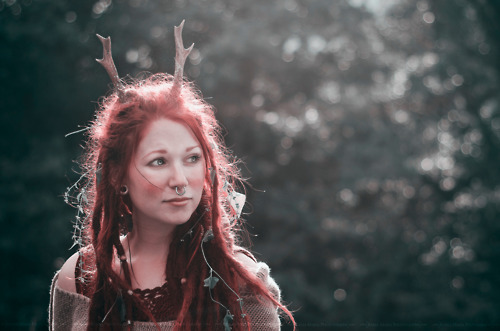
She is an antlered goddess, her antlers showing her free nature spirit. Her hair is long and red, often with twigs and leaves entangled – sometimes plaited back in a long braid down her slim back. Her limbs are white – they glow in the shadows and shine in the moonlight. Her green eyes, full of mischief, hold the secret of the Ways.

She is Elen of the Ways, of the trackways and paths that cross both nature and the human soul. She is a physical deity – you must put one foot in front of the other if you are ever to know her. If you are lucky, you can find the ancient pathways she had trod, leaving her energy behind, enticing you further, deeper into the heart of the wood, where the mysteries lie.

Follow the footprints – in the snow, in the mud, in the sand. The cloven hoof of the deer will lead you to her. They are her children, they are Her. Like the deer, she is grace and strength, she is trusting and wary, she is capable of great stillness and explosive action. She is curious and wise, and she will beckon you further in if your heart is open.

Not much is known about Elen, a patron goddess of mine. I seem to be attracted to deities who have little written knowledge about them – Nemetona, goddess of sanctuary, is the other to whom I have given my heart and soul. Nemetona is a holding deity – she creates a space where we can simply be – Elen is a wild deity, running naked over the heather in wild abandon.

I’ve always known Elen, though I did not have a name for her. I’ve always known and felt her spirit with me, deep in the woods, wherever I am in the world, eyes watching me. She is strongest here, but I am sure that she is strong elsewhere in Europe – so many countries to visit and learn about. But here, in the east of England, where her children, the deer, run free is where I have found her. This is where I have come home, literally and figuratively.

More and more people are finding out about Elen – a friend of mine does an Immerse in Elen Retreat once a year, which is gaining ever increasing popularity, as well as a Reunion for previous attendees.
The group on Facebook for Elen of the Ways has 360 people and counting – more and more she is becoming known. But she is a deity that must be experienced – not talked or read about.

And so I would encourage you – if you feel your soul spreading out, your nemeton relaxing when deep in the heart of the wood, or out among the wild places where the deer roam, that is where you can seek and, if you are lucky, find Elen. Look for the flash in the shadows at sunset, the glimpse of an antler. When you have found Elen, you will know it, and be forever changed.

Photo from http://raniamaria.eu/blog/tag/antler/

To find out more about my writing, please visit my author page at Amazon, where you will details on my books such as The Book of Hedge Druidry as well as The Path of the Hedge Witch

Ritual Importance

Is ritual important? Many Druids perform ritual on a fairly regular basis – at least the seasonal rituals that celebrate the turning of the wheel of the year. Many also honour the phases of the moon, in whatever aspect, whether it be quarter, half, full or new. There are also some for whom daily ritual gives special meaning to their lives and their loves – the rising or setting of the sun and moon, for instance, or saying a prayer of thanksgiving or a blessing before partaking of food and drink. But is it all that important?

I suppose that it is all based on the personal relationship to the natural world around us. For some, daily ritual helps to connect with the rhythms of life that might not otherwise be apparent – say, especially if you are living in the city, and it’s hard to hear the blackbirds at dusk above the din of rush-hour traffic, or aren’t able to see the sun or moon rise due to buildings blocking the way. For others a daily ritual isn’t that important, for they already feel much more connected simply in their living circumstances – for instance, a friend of mine, fellow author and blogger Nimue Brown, lives on a boat and is very much connected to and at the mercy of mother nature. It’s akin to a friendship, in a sense – sometimes your friend lives far away, and you have to make a special effort to keep in contact with her. Sometimes your friend lives right next door, and it’s much easier to keep in touch.

In Zen, regular daily practice of sitting meditation carries through into other aspects of our lives, where we bring awareness into everything, and in doing so taking away the illusionary drama and seeing reality for the wondrous gift that it is. It requires discipline, however – to sit through the boredom, to sit when we don’t feel like it, to be aware when we’d rather be daydreaming. Yet this discipline is, as I have found out, necessary for clarity.

I haven’t meditated for a week now, and I am feeling the difference. That daily ritual, of sitting down and spending half an hour each and every day in awareness really did permeate into the rest of my life. I didn’t become lost in attachments to emotions – I still had feelings, but they didn’t linger and cause as much suffering as before. When taking the time out to stop and meditate and be aware for a designated point each day was given up, those attachments came creeping back in. I was spending more and more time in my own head than in the real world.
Druid ritual can do the same for us, in keeping us connected to our spirituality, whatever our circumstances. Too easily we can become lost in our own worlds, realities that we have created out of our emotions and thoughts. Ritual can say “hey, look – enough. Stop. Look at what’s really going on around you. Hear the stag calling. Hear the aeroplane. Watch the sun rise. The world is more than just you”.

With Druid ritual, we gain inspiration from the natural world around us. That is what Awen is – an insight into nature, the nature of the world around us and our own human nature in turn. By doing Druid ritual we take the time to pause, to reflect, to take in that inspiration so that we may exhale it with love and compassion back into the world.

So, is ritual important? I think so – even if we use the friend analogy, ritual keeps us from taking it for granted. It brings awareness and that magic back into our mundane lives no matter what our circumstances are. No matter where we are in life, taking a moment to stop and simply be in the moment can help us gain inspiration and insight, and to also give back with thanks for all our blessings that we receive in this equally mundane and magical world.

Being a Druid – The Fantasy and Reality

What does it mean to be a Druid today? A lot of the time, when asked, people seem to think of Druids as long bearded men in white robes cutting mistletoe with sickles under the full moon. I’ve never had this image of a Druid. The only Druids I knew about when I was growing up were the ones in my Forgotten Realms and Dungeons & Dragons fantasy books. They didn’t fit the old, beardy image – these were the folk who felt a rapport with the natural world, that cared for it and respected it and worked with it to make the realms a better place. As far as I’m concerned, this was a pretty good introduction to Druidry.

Though these Druids had some pretty supernatural powers, able to call lightning and smite down their foes, or turn themselves into eagles or wolves or other animals, still it was that sense of wanting to leave the so called “civilised world” behind in favour of communing with nature – that sense of ease found in the forest and not in the cities. I empathised with these Druids who hated going within city walls, longing for the woods and the green. It wasn’t their powers that impressed me, it was their very sense of self – a sense of attunement and belonging to the natural world.

Though many modern-day Druids do live in cities, as I once did (not out of choice) it is in this rapport with nature that is the underlying factor in our religion, our spirituality or our philosophy. Our hearts are freer – they soar while standing on a cliff’s edge, or at the shoreline, or deep within a great wood. We hear the song of life around us, that beckons the soul to true expression – to simply be.

The Druid takes inspiration from the natural world around her – she takes delight in a cold winter’s morning as she watches the foxes scamper and chase each other across a field newly covered with snow. She feels the heat and passion as she hears or sees the rutting deer in the cold autumn months. She finds pure joy in the flight of the butterfly searching for nectar in the warm summer sunshine. She finds the thrill of the hunt as she watches a cat stalking its prey. She takes wing with the hawk as it soars across a cloudy sky, finding thermals in ever increasing spirals that reflect the spirals of life.

This may all sound wonderful, and true – but also a bit airy-fairy to some. Being a Druid is also about taking on responsibility for one’s actions, as well as for one’s environment. No longer can one be ignorant about either – it is waking up and making a commitment to understand to the best of our abilities in everything that we do and say. It is learning behavioural patterns in our own selves as well as in those animals that share our environment. It is learning from the cycles of nature, the seasons, the tides and times of life. Knowing when to break free, when to retreat, when to shout aloud and when to keep quiet.

Being a Druid is about making life choices in everything – from vigilant recycling to knowing where our tap water comes from. It is about making a relationship with everything, from the food we eat to the badgers that have been de-homed for the new housing complex. It is a huge sacrifice – giving up ignorance and opening our eyes to the world, and seeing what we can do to make it a better place.

We may wear robes, we may wear wellies – but we are still Druids. We may not smite our foes with lightning, but we fight to protect those of the natural world that humans would harm. We live and we learn through awen, through inspiration from nature. We may not achieve the same status as a 20th level D&D Druid, but we gain something much more important – a real magic in our lives that we can live with and honour each and every day.