Reblog from SageWoman: Samhain Approaching

My latest blog for SageWoman’s online channel: http://witchesandpagans.com/SageWoman-Blogs/samhain-approaching.html

Digital art by Ado Ceric, http://www.adoceric.com/Digital7.php

Digital art by Ado Ceric, http://www.adoceric.com/Digital7.php

As I sit here, writing this, the rain taps at the window, the wind howling down the street, carrying with it the scent of winter and the first of the autumn leaves. The sky is fast moving and furious – low dark grey clouds set amidst a backdrop of pure white/grey.  The central heating has been turned on.  The apples are juicy on the trees.  The starlings are flocking together. Welcome, Autumn.

My favourite season – as you may have guessed. From bright, sunny days where the sun shows the last of its strength, to watery, wind-filled days like these, it is a season of change like no other.  Quick, altogether too quickly, it is over, at least the Fall is, when the leaves change and drop to the ground.  After that, it seems Winter is here – only allowing Autumn a brief time of grace to shine in her beauty before all is blanketed under the dreamy cold slumber of Winter.

It is third week of October – and the hectic days of summer leading to the Equinox have long passed.  I feel I can almost catch my breath – almost.  The main bulk of the harvest is done – both agriculturally and in a personal sense.  I have worked hard this year, and the rewards have been great.  There are always disappointments – from the tomatoes that didn’t do well to the vagaries of life.  But Autumn, with her beauty, captures our hearts and our minds, our attention, and causes us to stop, to listen and watch Her before She is gone.

Samhain is just around the corner.  Time to let go of that which did not come to fruition. It is also a time to carry forth and collect the seeds of our new intentions – for we cannot throw these to the winds just yet.  We release the dross of our lives into the flames of Samhain fires, and protect the seeds of new ideas and next year’s harvest within the larder of our souls.  We cannot release everything – we must hold onto something to take us into the new year, something to sow our intentions with. It could be lessons learned, ideas that did have the time to grow, or ideas that came too late in the season to be utilised to their full potential. And so carry them over we must.

I hope your harvest has been bountiful, and that what you carry over be blessed as well. May the release of Samhain and the dreamy slumber of winter nurture you. May you find beauty and strength in this, the most inspiring and beautiful of all seasons.  May the Goddess of Autumn bring you joy as she does me. x

Here we go A’Maying…

kentwell hall may day

This weekend at Kentwell Hall the Tudor Re-enactment team were in full swing.  Celebrating May Day, they brought to life old customs and traditions for all to enjoy.

First of all, we had to go A’Maying, which is where the tree is felled for the May Tree.  (The maypole with ribbon dancing is a Victorian invention).  With drummers drumming and pipers piping we followed the procession into the woods to where our chosen tree stood.  As we neared the spot, the music stopped and voices were hushed.  The Woodsman and several other men went forward to fell the tree in silence, for they did not want to awaken the Forest Spirit, Jack in the Green.  It was all to no avail, for as soon as axe touched wood out sprang Jack, with green cloak billowing and mossy hair and beard bristling beneath his hood.  He attacked viciously the Woodsman, but the men managed to pull Jack away, and finally subdued him enough to send him back into the heart of the wood.  The tree fell slowly, and I whispered a prayer of thanks to it for its sacrifice.

All the men then gathered around the fallen tree, picking it up and heaving it onto their shoulders to take back to the village.  The music started again, and we followed in procession through the fields to our destination.  Once there, we were invited to tie ribbons onto the May tree, with the intention of making a wish that would come true in a year and a day.  The men then attached ropes to the May tree and hoisted it into a hole they had made into the ground, and wedged it tight.  The May Tree now stood proud in the centre of the village.

Later that day the main procession went from the village to the Hall – and what a sight it was.  The May Queen, a young girl of about 9 or 10 years of age sat bareback upon a beautiful Suffolk Punch horse, that had daffodils plaited into mane and tail.  The young girl was dressed in a simple white gown, and her golden hair shone in the sunlight – indeed, her whole being shone with pride and excitement as she lead the procession.  Behind her in a wagon were her maidens, more young girls dressed in white, waving to the crowd.  The musicians followed, singing their traditional May songs, and the banner bearers with their colourful standards brought up the rear.  It was truly spectacular, with the flags waving in the wind, the music lifting hearts and souls.

Once in the courtyard of the Hall, the May Queen dismounted, and followed the Lady of the Hall into the wagon with the handmaidens.  The Lady of the Hall the crowned the May Queen with a wreath of flowers, to much applause. As the May Queen descended, a fury in green swept through the crowd, and Jack O’ the Green came flying in, grabbing the May Queen and hoisting her over his shoulder. The men ran after him, finally capturing him once again and rescuing the May Queen.  They forced Jack to kneel before her and asked the May Queen if she forgave him.  The young maiden went forward and placed her hand upon Jack’s head, and forgave him, sending him back into the deep woods where he belonged.  “Hail Jack,” I whispered.  “Know that you are honoured”.

The mummers then performed a hilarious play about St George and the Dragon, and then the procession moved back to the village.  There, the music kicked up again in full tilt, and we began the spiral and circle dances around the May tree.  I could feel the energy humming through the crowd, into the ground, making my feet want to move.  A handsome young lad grabbed my hand, asking if I wanted to dance – I said yes, and we swept into the circle, laughing.  I was later joined by my husband, and we performed a traditional tudor dance with many others, where the men and women each have their turns to run, jump, clap and turn.

After the dancing I sat upon the green sward, listening to the musicians and feeling the energy that was created in that spot.  It was joyous, and marked a very important time when winter was bid farewell, and summer was welcomed.  I’m sure the Tudor Re-enactors will have a splendid evening to themselves tonight once the crowds have gone home and the gates are closed.

I wish we had more of these celebrations where I live – I have danced a Victorian Maypole but once, and love the energy that these rituals create.  If you have a chance, go to Kentwell Hall this weekend, and join in the festivities.

For more information on Kentwell Hall activities throughout this summer, please see www.kentwell.co.uk.

Mud and Blood: The Ancestors

I spent this long weekend live role-playing in a new game system called Empire run by Profound Decisions (www.profounddecisions.co.uk).  It was a very good event, in very challenging conditions, and unexpectedly for a fantasy-based game, brought me more in touch with my Druidry and the ancestors than I would have expected.

The weekend was cold. Not just an uncomfortable cold, but a bone-chilling cold especially when temperatures dipped below freezing.  This was the coldest event that I had ever been to in my 15 years of LRPing.  I knew it was going to be cold beforehand and so, like I usually do for the first event of the year, booked a B&B so that I could get some rest at night, and not drive home exhausted from the event once I was sat in a nice, warm car.  Others toughed it out, sleeping for three to four nights in below freezing temperatures.

There were no buildings to warm up in.  The first few days had no hot water in the shower and loo blocks, due to pipes being frozen and generators malfunctioning.  It was achingly cold to be out in the elements for four long days without our modern conventions of central heating, hot water on demand and above all, a cup of tea only minutes away.  I was thankful for the battles that came that weekend, for moving around was the only way to keep warm, and kept you warm for at least a half hour afterwards.

I was camped in the woods with a large nation that can loosely be described as a cross between the ancient Celts and the Rangers from Lord of the Rings.  We had no buildings, and no big tents in which large numbers of people could gather (and share body heat) – we were outside the entire time, with only fires to keep us warm.  The fires were hard to keep lit – the cold and damp just seemed to seep into the firewood no matter how dry it was, and required constant attention.  Take a step away from the fire, and the cold hit you once again.

I was hugely thankful for returning to the warmth after midnight in the hotel room, and even more so upon arriving at home.  I felt that the experience of being out in that drew me closer to the ancestors, giving me a real sense of what they had to go through every winter and every spring.  The constant work of keeping warm, and of keeping fed, was challenging to say the least.  The mud – oh THE MUD was everywhere, well above the ankles and sucking you into its cold embrace wherever you went on the field or on the roads through the wood.

Sitting beneath the trees after the first battle in an almost empty camp, with some bread and very cold water, the snow falling softly around me, I felt a connection with the ancestors – this is what it could have been like for them.  A muddy rath in the winter and springtime, food especially scarce in the spring, and the longing for the warm days of summer flowed through my mind as I listened the blackbird singing above me.  Hearing the cold wind pass over the little hollow with the last rallying cry of winter.  Praying for warmth.  Honouring the cold and the dark. Honouring the mud.

I was blessed with a brief glimpse of what the ancestors had to put up with – never being clean, never being warm, the ease of summer living months away – it was a real eye-opener, to say the least.  I usually go on holiday for a couple of weeks in the year to get away from it all, to reconnect with nature – but as a Canadian, I’ve always done it in the summer. We know better.

With the cold and the mud and the wind came an acceptance of life as it is – complaining about the cold did absolutely no good.  I noticed the first couple of days people’s conversations were rife with comments about the weather, and then as the weekend wore on, less and less comments were made as people either tired of the topic, or came to accept it, as I did – it was as it was, and there was nothing that could be done about it.  We were all in the same boat, so to speak. We were all cold, and tired, and hungry.  It brought us together – I have never been to an event where people were so open and so kind.  I do think the weather had a lot to do with that – when the stakes are high, people pull together to ensure that the community survives.  This community did just that, with my eternal gratitude for being able to be a part of it.

Spring was the hardest season for our ancestors. The cold, the wet, the lack of food and waiting for the crops to be planted and harvested was always on their minds, death always at their door.  I was honoured to really experience that, and will remember this event always for that reason.

Little Pagan Monastery

chalicwell1So, after a lot of interest in my previous Pagan Monasticism blog posts, it looks like I will be co-running a retreat weekend this winter at Chalice Well Gardens, called the Little Pagan Monastery.  The dates haven’t been confirmed yet, but we’re looking at something between October and December 2013, and then again in the summer of 2014.

The Little Pagan Monastery will give people a brief glimpse into a pagan monastic life – the weekend will be structured around daily prayers, meditations, lectures, chores around the houses and Chalice Well Gardens, as well as outings to the White Spring and Glastonbury Tor.  It will be a weekend of the contemplative life – a time to devote yourself 100% to your gods and spirituality in the tranquil setting of Chalice Well Gardens. It is open to all pagans.  Expect to rise with the dawn! We will also have out of hours access to the Chalice Well Gardens, and will end the weekend with ritual.

Prices have yet to be determined, as we need a rough estimate of numbers first.  We are aiming to keep the cost of this weekend as low as possible, to enable everyone no matter what their financial circumstances are the opportunity to dip their toes into pagan monastic life.  We’re hoping that everyone will go away nurtured by the weekend, and finding new and imaginative ways of incorporating more spirituality in their daily lives, should they so wish.

If you are interested, please email me at autumnsong@hotmail.co.uk to be put on the sign-up list.  When we have a good idea of numbers, we will then let people know the financial costs and proceed from there. Space will be very limited, so please get in touch as soon as you can to be put on the list.

We hope to see you there!

The White Serpent Rising and the Goddess of Spring

The earth is stirring, can you feel it? Walking out in the sunshine today, I felt that same feeling that I had when I was a child back in Canada, that first day when the roads are clear, though still thick with sand, and you can take your bicycle out after the long winter months.  That smell of warming ground, of sunlight and fresh breezes, that scent of spring lingering, filtering through every fibre of your soul.  The scent of life.

Today has been warm, the sun’s strength heating the shoulders and exposed skin, pale after a long winter.  The birds are singing with renewed vigour – the great tits and blue tits, the pigeons and blackbirds, jackdaws and crows.  The trees, still snoozing lightly, have the first buds appearing, and the daffodils are mingling with the snowdrops and the hellebore that the deer have decided to stop eating.

There is anticipation all around.  What will this year bring? What new growth will there be, both in the physical and in the spiritual realms?  It’s almost like a humming, deep within the earth, that is slowly rising to the surface. Indeed, the white serpent is rising.

At Imbolc, during ritual I had a vision.  Sitting on my picnic blanket in the rural idyll of my backyard, feeling the ground beneath my feet responding to the first warm sunny day; I had a flash of vision tear through my soul – the white serpent.  Deep within the ground of these isles, there lies a white serpent of the land.  The white serpent IS the land.  It connects all of this land, and it is the heart and soul personified.  I was connected to everything and everyone, and it was inspiring.

This land, England, and indeed the whole of the UK and Ireland, has been inhabited by humans for an indeterminably long time.  I can feel it when I place my hands on the soil here – it is different to Canada, where although humans have lived there for just as long, there are vast expanses of land where no human foot has ever trod.  With space limited in these emerald isles, the songs of humanity run deep through it, alongside that of everything else that makes these little islands so wonderful.

With the deeds to my house, I have old, handwritten ones that go back hundreds and hundreds of years, to when the land was first purchased, and became an orchard, and then “hovels” existed upon it in the Victorian era, growing into cottages and finally the houses that are seen today.  There is a lot of human history here, alongside the natural history that is incredibly fascinating.  Sitting outside today, I could feel the old apple trees, long since cut down, stirring in the first soft light of spring.  Voices of those who lived here, mingling on the breeze with the birdsong and the sound of airplanes, high overhead, bound for the west.

And through it all the white serpent was stirring, awakening from the slumber and rising to the surface. Incredibly beautiful, this white dragon-like being enveloped it all, and still does, closer to the surface now – I’m quite certain that at either Beltane or Midsummer it will be revealed in all its glory.

I have done some research on this white serpent – it is not the white wyrm of the Saxon heritage. It is entirely British, entirely native to these isles.  I have come across a few references of a white serpent and the goddess Brigit, whom I’ve always been intrigued by but never had a “calling” to explore.  I’m thinking that is all going to change in the very near future.

Riding the excitement of the rising tides, like riding down the street that first time on my bicycle in the Spring – that is what life is all about.  New discoveries, and every spring we are reminded to look for these things in our lives, and to take inspiration from it all.

Blessed spring, everyone! May the Goddess of Spring bring you joy.


Troll Country

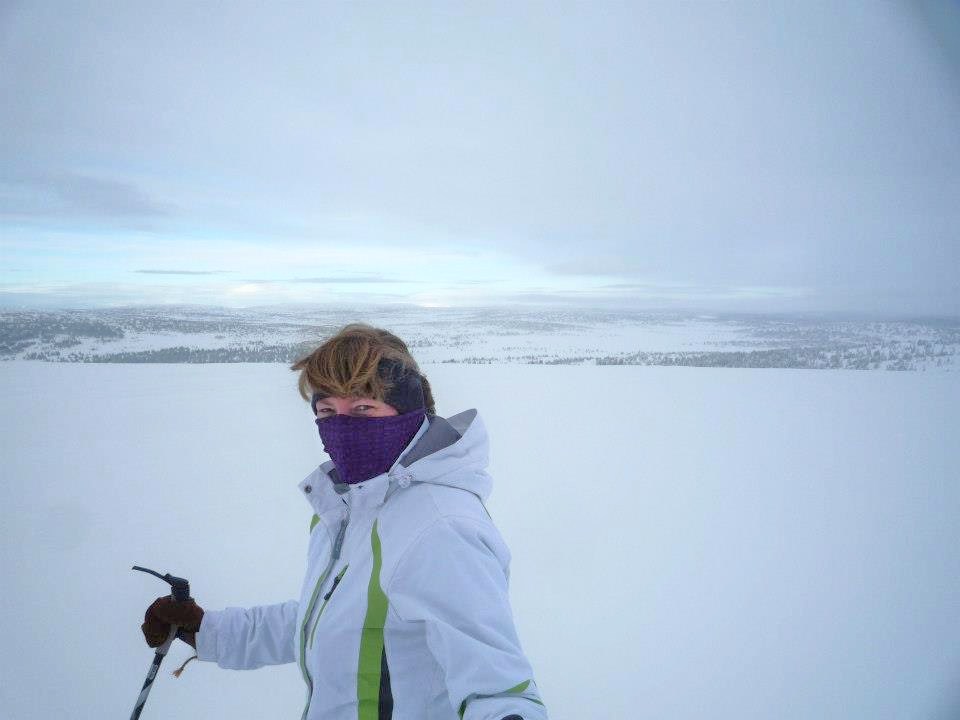
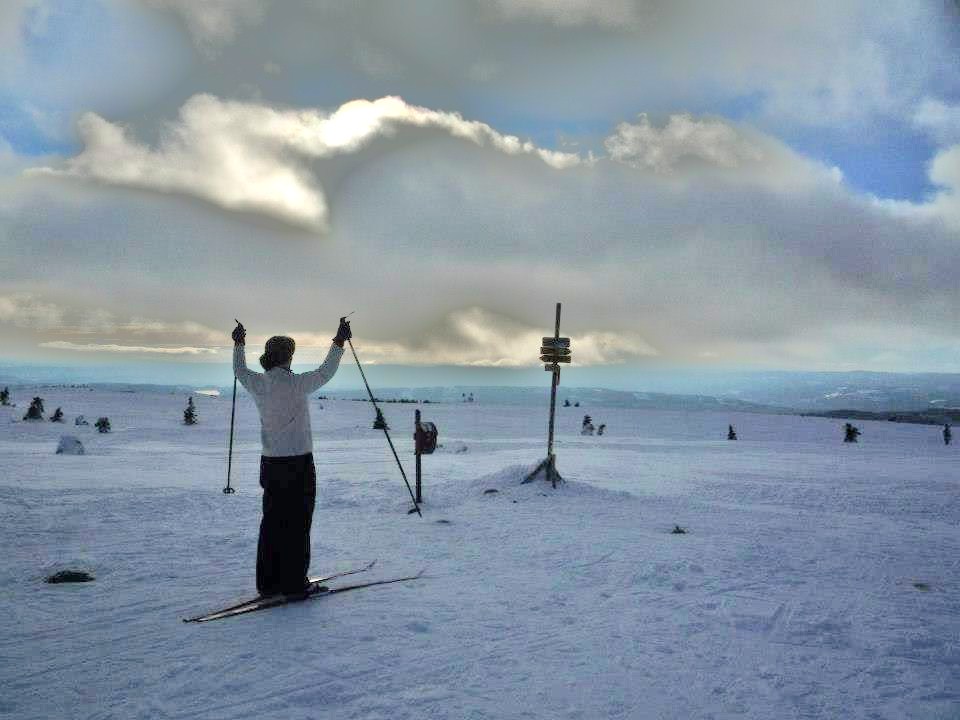
Yes, this is troll country. I am currently in Norway, having a cross-country ski holiday – a week of skiing the forests and fells around Sjusjoen.  Today, we got halfway up the fells before the blizzard kicked in – there was such a wildness in the air, nothing like the softness of the habitated places of the UK.  Here in Norway, there is such a difference between the “human” places and the “wild” places. You can distinctly feel when you step from one into the other.

We were skiing out from the village, through the woods until suddenly we came across the open, frozen marshland of the lower fells.  The wind howled – nothing to break it.  You couldn’t see the mountains, for the snow was coming down too heavily.  Leaving the wooded area around the town, and out onto the fells – you could feel that shift. This was the place of the wild things.  This was troll country.

There is actually a place for these giants here in Norway, not too far away – Jotunheim (National Park). In the Northern Tradition (Heathenry) Jotunheim is the realm of the giants – and when you see landscape like this, you can believe it.  This is not a place for human habitation – the wind howls too fiercely, there is no cover.  The mountains loom high, and the marshlands can be treacherous.  This is a place for those who are not so soft – this is a place for ettins, jotuns and giants.

One of my favourite goddesses is Skadhi, an ettin who married into the Northern God clan.  She is wild and she is free – there is no bossing her about.  She is the snowshoe goddess, the hunter, the goddess of skiing.  She walks into the hall of the gods and demands reparation for the death of her father.  She means business.  She lives high in the mountains, listening to the howl of wolves and wind.  I say a prayer to her each time before we embark on our ski journey for the day:

Skadhi, Lady of Winter, know that you are honoured.

May my skis never break,

May my poles never bend,

May my eyes always remain on the beauty that is you.

This wild country tests you – with the wind stinging your face, tiny shards of snow and ice in your eyes, your eyelashes frozen and the howling all around you – you soon learn what you are made of.  I kept looking ahead, peering through the blizzard, almost expecting to see an enormous rock coloured ettin strolling through the snowy fells, enjoying the blizzard and not even noticing the tiny, insect-like creatures on the ground with their snowpants and ski jackets.

Sometimes you win – sometimes you make it through the storm and reach your destination. Sometimes, like today, you accept defeat at the hands of the ettins, and turn back before you lose your way.  We couldn’t see the tracks, we could barely make out the trail markers – it was time to turn back.  So, with a smile and a bow of defeat and in reverence, we turned back.

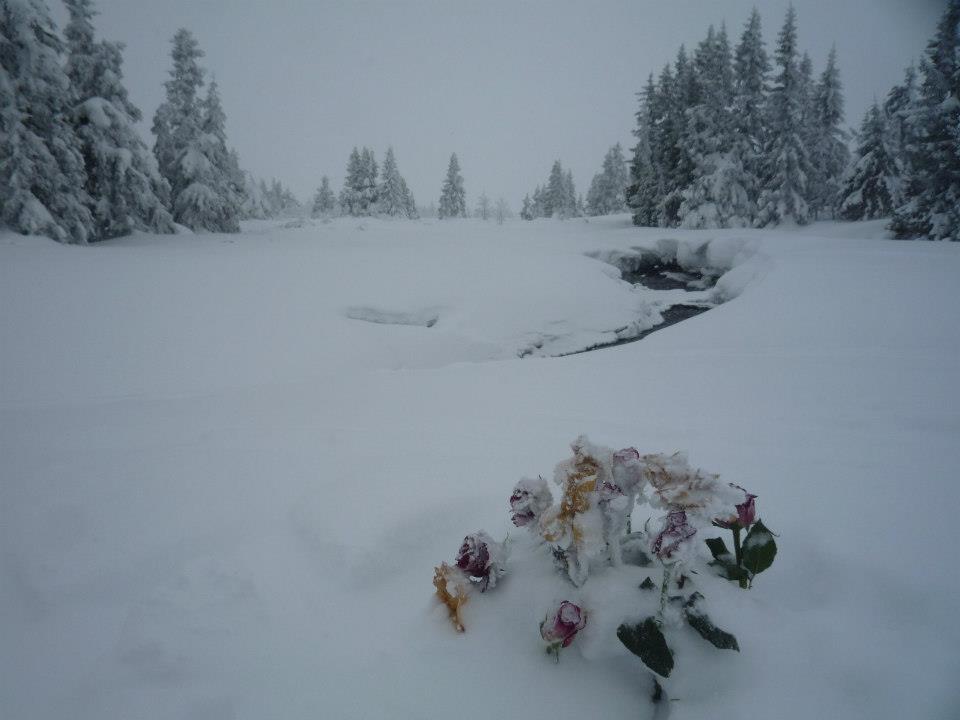
Once back in the treeline, the snow that had stung so much fell softly, almost like a blessing.  The quiet that only a heavily snow-shrouded landscape can bring was all around us – like the sanctity of a cathedral.  We were back in a human place, and behind us the trolls and ettins laughed in the winter’s rages, throwing snowballs and doing whatever is it that the jotuns do.

Coming back to the hotel, with a sauna and a fireplace, was such a relief.  However, we’re still going out again tomorrow, whatever the weather, to see what we can face.  This is what this beautiful country is all about.  This is troll country.

Imbolc

snowdropslambs Imbolc – when the first signs of Spring begin to appear after a dark winter on these British Isles.  I have always found this seasonal celebration to be one of the “softer” celebrations – the quieter, more solitary of the rites from the pagan Wheel of the Year.  Usually, any snow that we receive in January is long gone, those one or two brief weeks of the year when a beautiful mantle of white covers the ground, allowing a period of rest and quiet.  In Suffolk, the snows melted over the weekend with the sun and the rain, and the birds, especially the great and blue tits have come out in full force, their songs echoing through the little streambed valley behind my house.  The blackbird cocks are fighting over the food supply, expending far too much energy when they could simply share and all eat a fine meal – instincts are hard to overcome.  The little muntjac deer are often in the garden, day and night, eating birdseed and the first green shoots from various places in my garden, leaving their fertilising little pellets everywhere – a fair exchange, in my opinion. The air is warmer now, the sun holds some strength when it is out in full glory, the pond is thawing and the first signs of new growth are slowly appearing.

Many Druids celebrate Imbolc as the festival of snowdrops, when these seemingly fragile little flowers first appear.  Others celebrate when the ewes begin the lambing season, and the lactation cycle begins.  It was an important time for our ancestors, as this time of year was the hungry time – the winter food stores were running low, and the flow of new milk a welcome and necessary part of survival.  Cheese could once more be made, to accompany the last of the supplies until the first wild food and crops came into season.

I normally celebrate Imbolc when the first snowdrops appear, but I fear my little deer friends may have eaten the first shoots, and perhaps my daffodil bulbs as well.  This year, it is the softness in the air that alerts me to the coming of Spring, to Imbolc.  The birdsong has changed, the snows have melted and everything is slowly awakening from a long slumber. Imbolc comes in the warm southerly breezes, a festival of the element of Air.

With gifts of bread, milk, cheese and song, I give back to the earth, nourishing the little creatures that share the place where I live.  It is a time of reflection – a time to recall the dreams that we dreamt over the long winter, the ones that appeared to us at the winter solstice in the darkest time of the year.  These dreams, like everything, require nourishment, especially at this time of year, or they will fail to come into reality.  And so, at this time of year, we focus, we concentrate our energies into making these dreams come true – we plan, we figure out the logistics, and we celebrate.

It is not yet time to plant these dream seeds, however – February and March can be difficult months, both in the natural world and in the human environment.  Outside, the weather can change in an instant, and we may get more snow, or thick frosts – our seeds would quickly sprout and then die.  In the human environment, February and March are, for many, a financially difficult time of the year. Bills from the holiday season come in, fuel bills and other heating sources must be paid for, and work shifts can decrease due to the slow months after the January sales for those not on a permanent salary. We must carefully look at our resources, and our dreams, to ensure that they don’t fail in these hungry months ahead.

So we plan, and we patiently await the time until the tide turns, at the Spring Equinox, where the days finally become longer than the nights, and our dreams finally emerge from hibernation into the light of reality.  So too do our bodies respond, like the snowdrops and daffodils, to this increase of light from the winter solstice – if we can just make it through to Imbolc, we find that the darkness is in fact receding, that our moods, our bodies, our finances are recovering, and we wait in anticipation for Spring. We need to focus, to concentrate, on making them a reality.  The intention is everything.

May you hold your dreams with nurturing love, and may they be blessed by the coming of Spring.

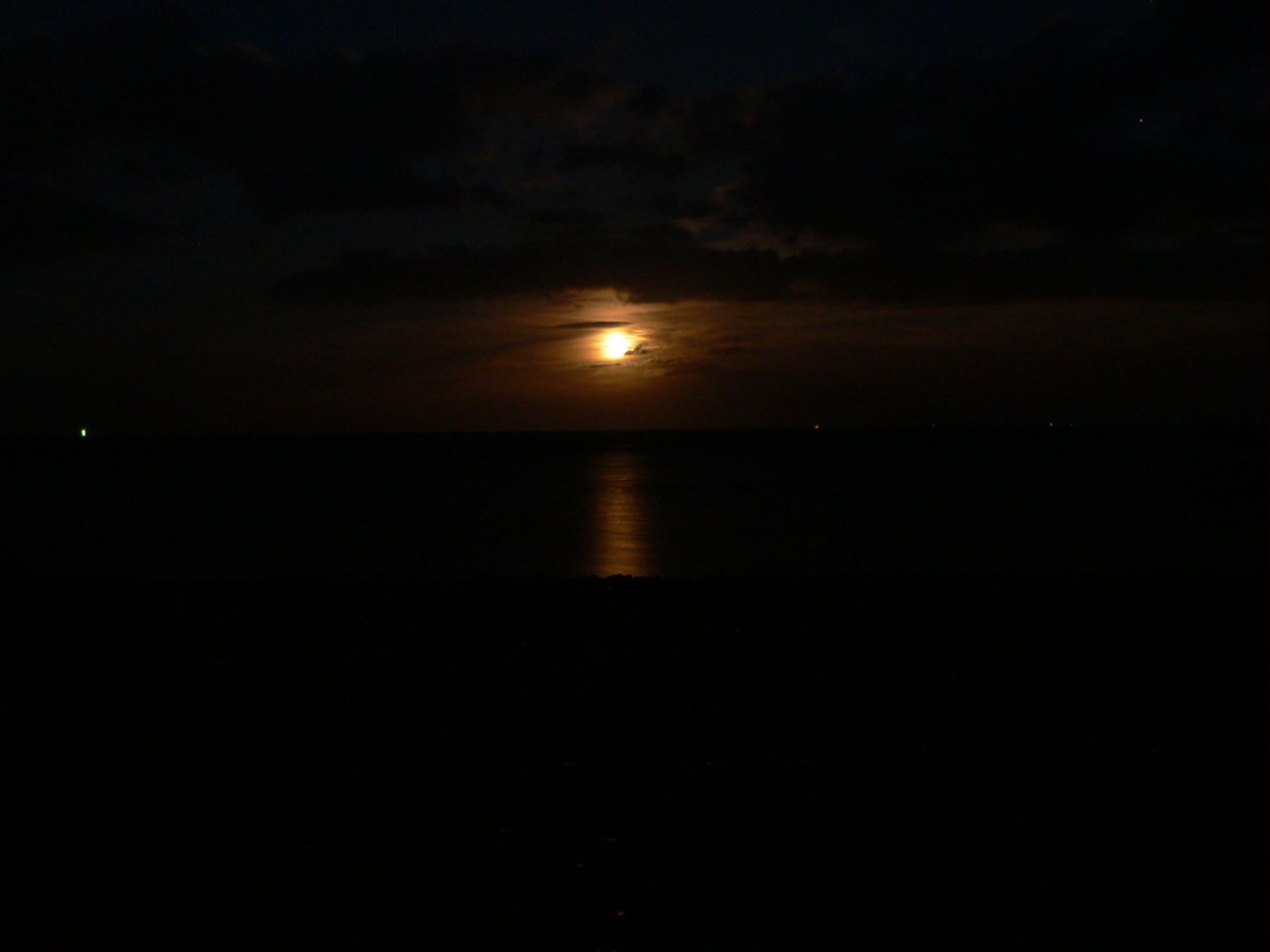
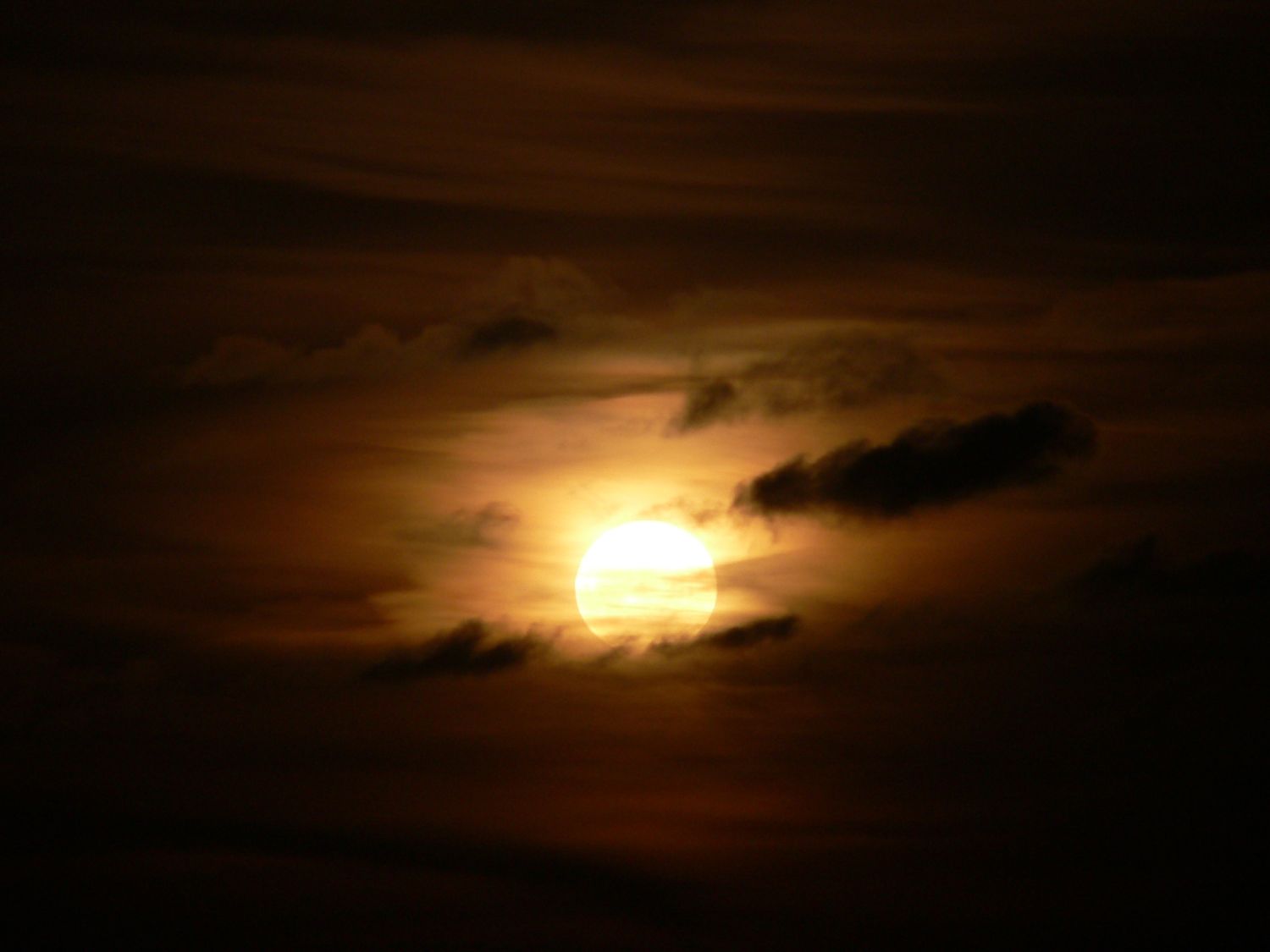
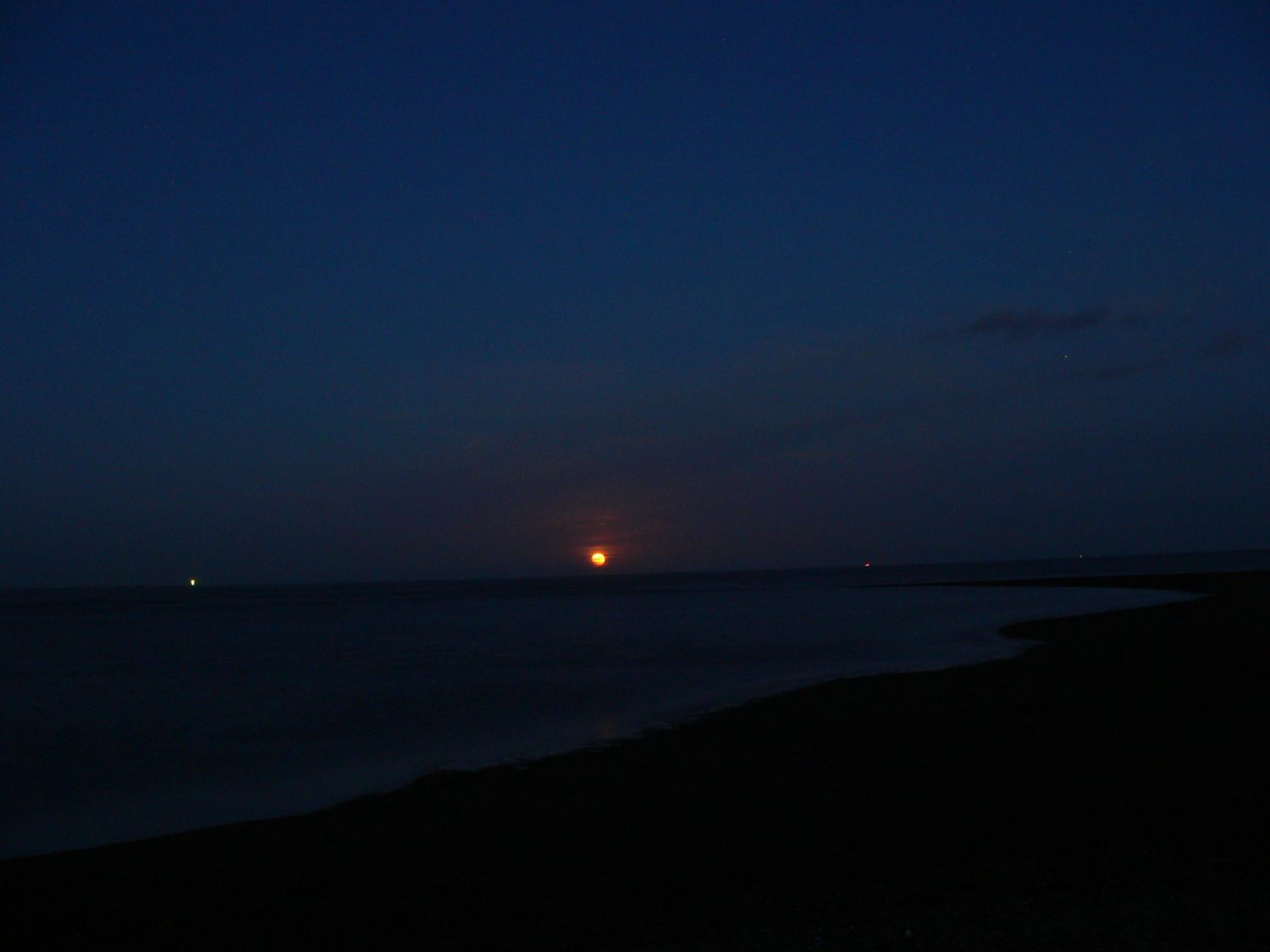
First full moon of 2013

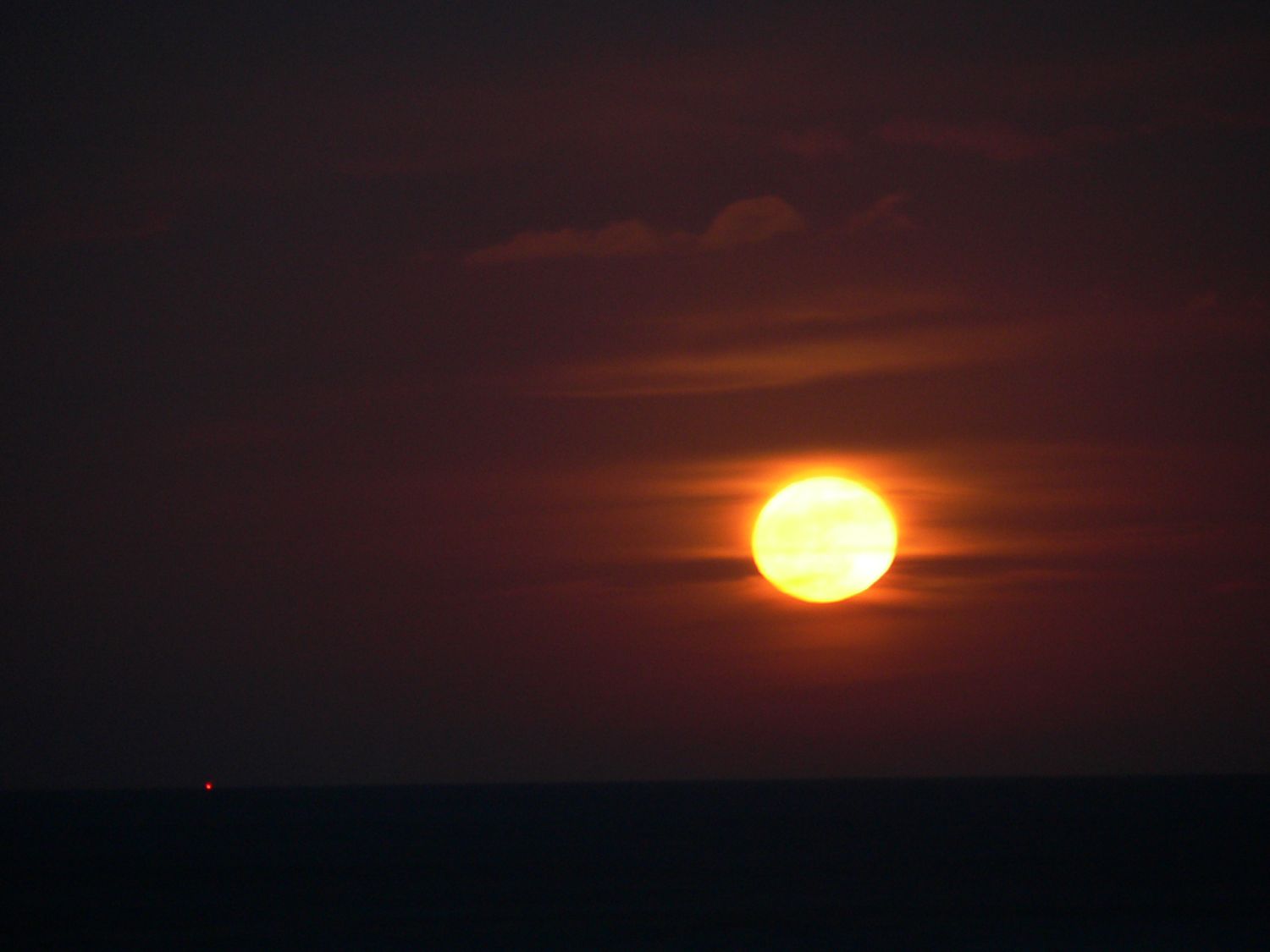
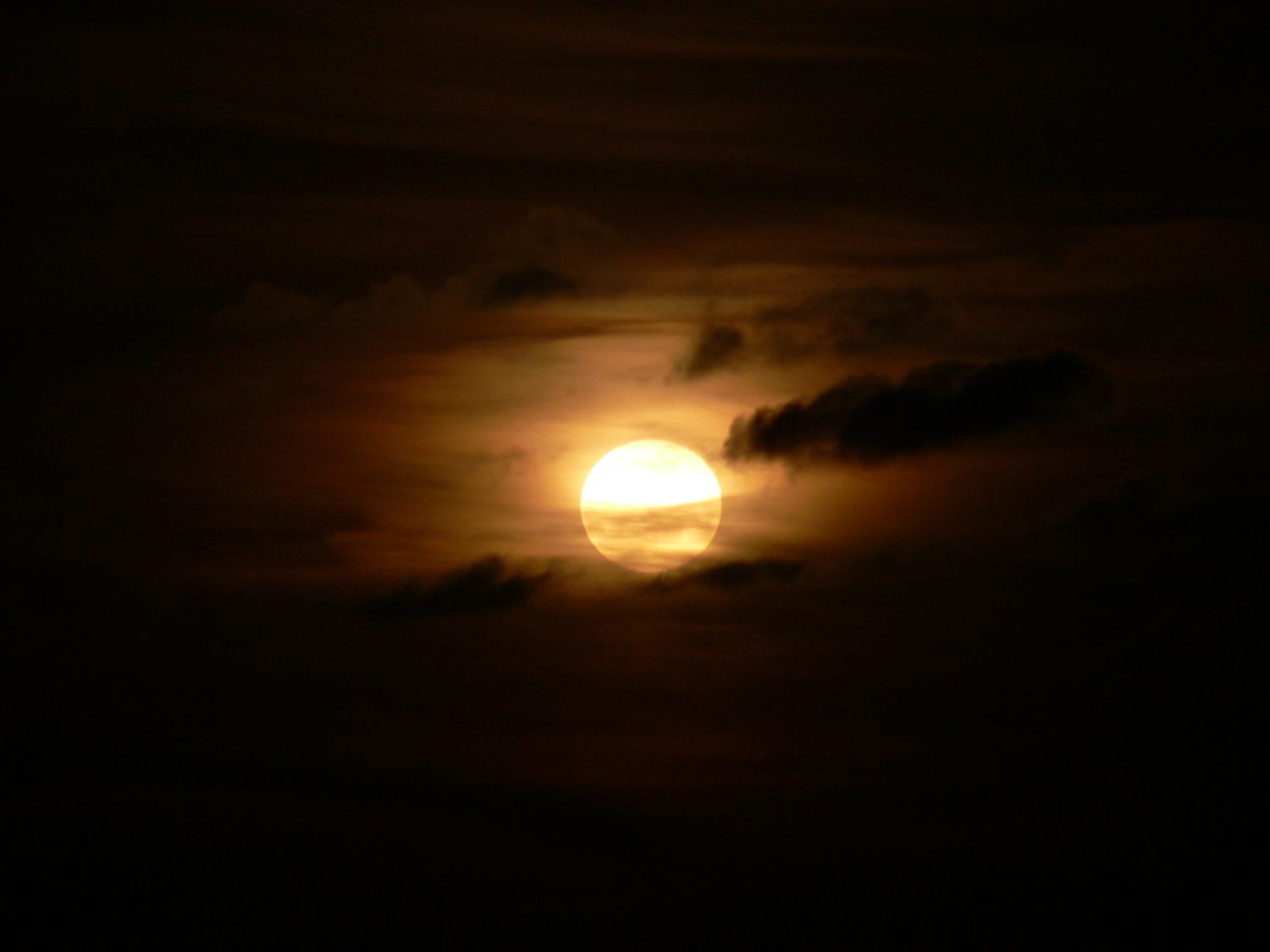
Watching the first full moon of 2013 rise over the North Sea, some of these photos were taken, capturing the beauty of the moment…


7 5 3 4 6

Going lightly through life…

As I was out walking the other day, the saying” Living well is the best revenge” popped into my mind.  After a moment’s thought, an additional part to the saying came to mind – “yet if you are focused on revenge, you are not living well”.

At this time of year, when peace on earth and goodwill towards men is often heard, I thought that the addition was rather apt.  For the first part of the saying, it almost deals with the issue, but yet does not allow for forgiveness.  We are still holding a grudge towards someone for what they have done to us.

It reminded me of a story that I recently read, where a group of young monks were given a sack and a bunch of potatoes.  The Master told them that for every grudge, for every thing they could not let go, they had to put a potato in the sack and carry it with them – a physical reminder of the thoughts that they carry around in their heads, which can be outwardly reflected in our behaviour and even our bodies.

After a while, the young monks decided that it was much easier to forgive and let go than to keep carrying around this heavy load the whole time. So, one by one, the potatoes were taken out as they moved on, letting go.  Yet, even as they emptied their sacks, they realised that the sacks could be refilled, and quite easily as well.  So they discarded their sacks – seeing that the sack was as important as the potato. The potatoes were the thoughts, the sack was their very self.  If they held onto their sense of self as lightly as they did their thoughts, seeing that there is no duality and that all things are connected, then there would be no sack, no potatoes, and no burden to carry through life.

I have applied that story to all the old and new grudges that i have been carrying in my life – why would I want to carry them in the first place? Letting go, leaving it all behind and holding very lightly to opinions and the sense of a separate self seems to be the way forward.  It’s not easy, however. Forgiving someone means letting go of any sense of righteousness.  It means letting go of the idea that someone is wrong.  It means simply living in the moment and enjoying it for every second that it exists.  The saying goes “forgive and forget”.  Now, forgetting is much easier than forgiving. I think simply forgiving is enough – forgetting means that it may happen again.  Forgiving implies understanding and not judgement.

So, now is the time to live well, letting go of any ideas of revenge, of grudges.  Life is far, far too short to carry around all that we do not need.  Go lightly through life.  And blessings of the season to you.