
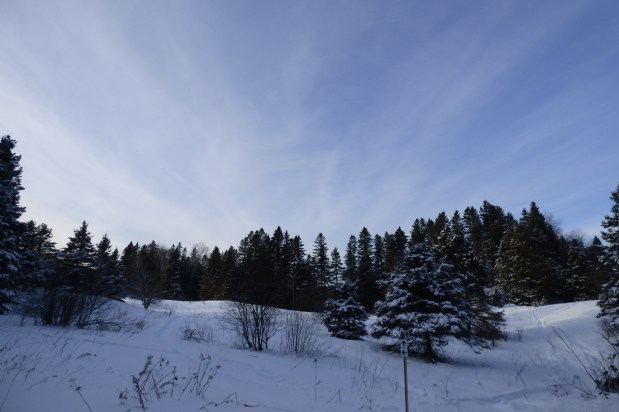
It’s coming to the end of the year, and I am about to take such much-needed time off. Throughout the year, I take two holidays: one summer, and one winter holiday. I use this time to go back home and see my family in Canada, which as the years progress gets even more important. They say you don’t know what you’ve got until its gone, but I disagree. I am so very thankful and happy for my friends and family, and I will spend every single chance I can get with them, no matter what.
This time of year is always reflective for me. The autumn season begins the turning inwards of my thoughts, and as the nights draw in, the leaves fall and the winds of change come in bringing the storms. My energy moves from projecting out into the world, to pulling inwards. It’s a cycle of extrovert and introvert, though I must admit that I am a functioning introvert all of the time. When the leaves have all fallen, and the winter rains and dark days lie ahead, I think of home, of family and friends, of warmth and companionship even as I dream of long walks, snowshoe hikes, and cross-country skiing out in the silent wilderness of the boreal forest.
It’s a time when I take stock of my achievements for the year. This year has been exceptional, in that I have completed three books! The first is the follow-up to The Path of the Hedge Witch, my non-fiction work for Llewellyn. The Old Ways: A Hedge Witch’s Guide to Living a Magickal Life will be available next year in the UK, on the 8 March 2025 for Kindle and 8 April for the paperback. (Don’t ask me why the paperback takes a month longer, I have no idea. I’m guessing shipments from the US to UK Amazon stores are involved?)
The second and third books finished this year begin my new fiction series, Witches of the New Forest. The first two books, Hedge Witch and The Veil Between the Worlds, form two thirds of the trilogy set around the main character, Hunter Williams, as she begins on her path of Hedge Witchcraft. With Druids, otherworldly characters, a magickal community and more, it’s a really fun environment to spend my days in, and I love it. Returning to fiction feels like coming home. (Other books in the series are planned, from different characters’ perspectives.)
I’ve always been a writer. From the age of twelve or thirteen, I’ve been writing stories. Ever since I finished reading Lord of the Rings, I knew that I wanted to write books set in a beautiful fantasy world where myth and magick meet.
Having been so productive this year has, however, caused a little burnout. I’m tired. I need some time away from my computer and my desk, away from social media, away from anything digital. I long to spend hours in the woods where I grew up, smelling the snow and the cedars, watching the chickadees and the wild turkeys coming into garden. I want to reconnect not only with the natural world, but also with my own sense of self. What I am craving most, is peace.
Which is funny, considering how crazy the first few weeks are going to be back home, shopping for presents, organising and attending the family parties, New Year’s celebrations and more. But it’s home, and it’s where I decompress, busy though it might appear. My heart just instantly relaxes, my body gives a sigh of relief and my lungs are filled with the crisp, cold air. There’s even an extra hour of daylight, not to mention days where the sun actually shines!
But peace is something that I’ve always sought after in my life. Little spaces of sanctuary. I have always created these spaces no matter where I was in the world, because I needed that in order to function on any sort of level. My homes have never been just houses, flats or apartments. They’ve been havens from the world outside, where I can let down my own walls and just be.
It’s a strange thing to think about, this need for peace. I look outside the window as I type, and I see collared doves in the beech tree. Are they at peace in this moment? They certainly don’t have to worry about promoting their work, keeping an eye on their sales, updating their social media or paying the bills. But they do have to survive in a difficult climate. Do they worry? About different things? Or are they at peace with what life had dealt them, and they’re just getting on with it?
I’ve studied a lot of Zen Buddhism in my time. That’s all about ways to find peace, by giving up searching for peace. There are so many paths to peace in this world. Maybe you could leave a comment on this post, sharing your path to peace? I’d love to hear about it.
Giving up the need for peace, as most Zen Buddhists would say, brings about peace. It’s the need that is the driving force in our own dissatisfaction. When we realise that we can have peace anywhere, at any time, simply by letting go of our need for peace, it can be like a ton of bricks has fallen from our shoulders. It’s so simple. And yet, so difficult to maintain. It can makes sense for five to ten seconds, before something else demands our attention. And our need for peace returns with a vengeance.
With so many external factors creating our personal circumstances, it can be very hard to see how we can let go of that need for peace in our lives, because people bring problems. Life is hard. We have no control over anything. For many Buddhists, simple acceptance of the circumstances is what brings peace. I’m not quite there yet all the time, but I can understand the mechanics behind the concept and try to remember it as much as I can throughout my day.
During the winter holidays, peace is such a central theme. Scenes of snowy landscapes evoke a feeling of peace and stillness on holiday cards. Snow is wonderful. It muffles sound, and covers all the sharp edges of the world, leaving behind sparkly magic in both sunlight and moonlight. Like a weighted blanket for the world, it holds us, frozen in a moment of time, to offer us peace.
Other simple things can bring us peace. The lighting of a candle, the recitation of a heartfelt prayer of thanks, the cooking of a meal, snuggling into a warm bed. Many things we often overlook can bring us peace. It is true: mindfulness does bring peace.
In a world full of lies, deception, insane politics, war and other atrocities, it can seem impossible to find peace. If you live in a country where people with guns are roaming the streets, if you live in dread of air raids or drones dropping bombs on your home, if you don’t have enough food for your cat, let alone yourself, finding peace is not only difficult, but damn-near impossible. When we are just fighting to survive, we are not at peace.
But I am guessing that the majority of you who are reading this blog do not live in these sorts of circumstances. We live in a mainly moral society, where the rule-breakers often get punished for breaking the social contracts and the laws that we have created through a democratic process of electing those to speak for us. In these worlds, we face other issues. We have the time to reflect on morals, on ethics, on philosophical ideas of all kinds. We can even create strange, perverse worlds where we find ourselves in moral competition with each other. “You’re not angry enough about this,” or “by not speaking up about it, you have failed society,” and other concepts often pop up on the socials, where everyone is judging everyone else, and everyone is found lacking.
It’s no wonder we can’t find peace.
Morality isn’t a competition.
But I digress.
For me, it’s in the small moments and in the small things where I find my peace. Having a moment to watch the sun set in the winter skies, with the golds and peaches highlighting the blues, pinks and purples. Stroking a purring cat curled up on a sunbeam on the bed. Eating a meal with my family. Sitting at my altar, honouring the deities, the spirits of place, and more. The big accomplishments are nice, and they are rewarding in different ways. But the culmination of all the small things is what really brings me peace. It’s not in what I do, but almost in what I don’t do. When I stop ‘doing’ and simply ‘be’, that’s where peace is found. It’s that liminal space, where there is no ‘I’ or ‘You’, but only ‘Us, Together’.
And so, I end this ‘end of year blog’ with an Irish blessing that’s often in my thoughts at this time of year.
Deep Peace to You
Deep peace of the running wave to you.
Deep peace of the flowing air to you.
Deep peace of the quiet earth to you.
Deep peace of the shining stars to you.
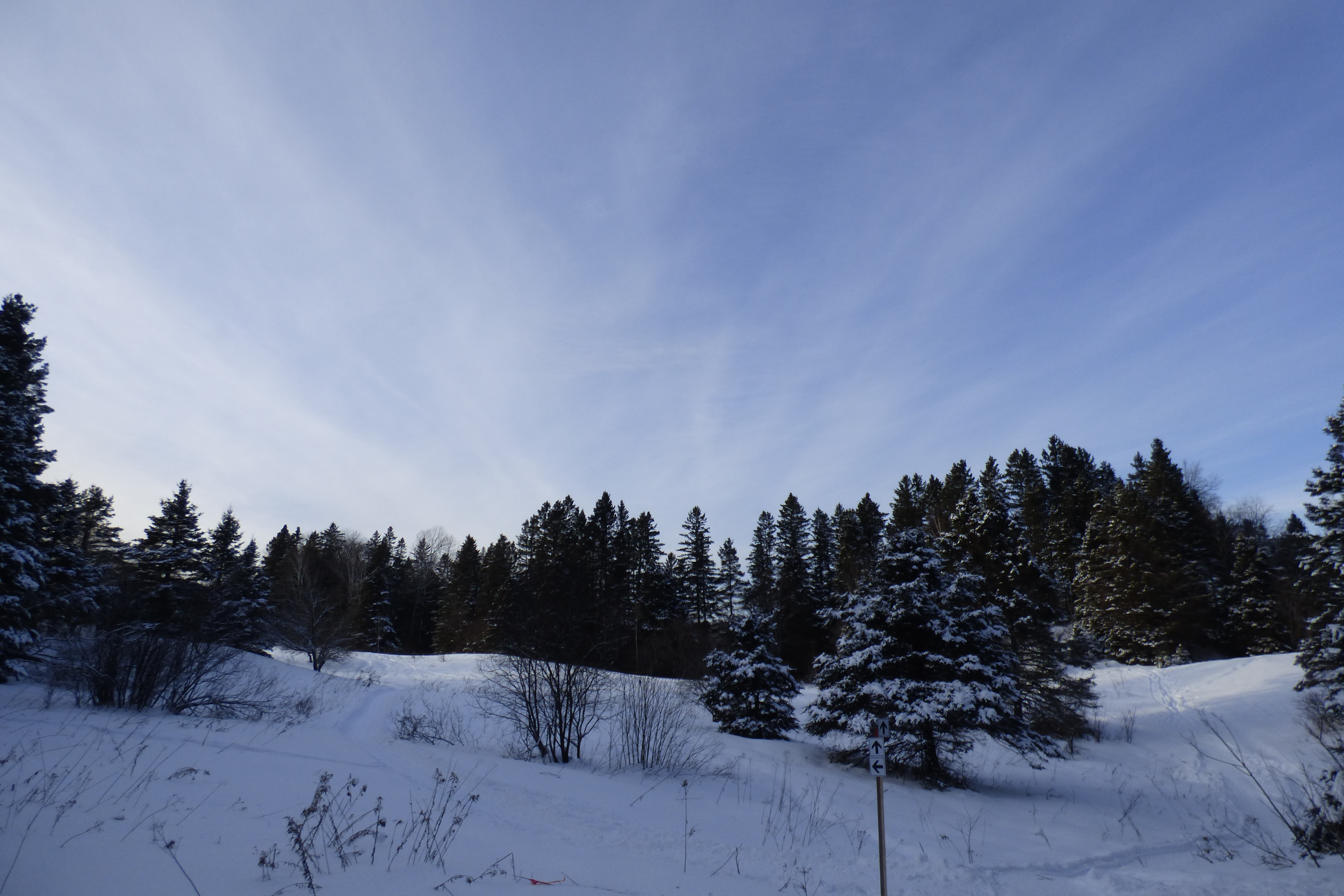
 Down the Forest Path