Not as I was before

Sharing the inspiration… here is Aurora’s beautiful journey into Transformation…

Aurora J Stone's avatarGray Bear in the Middle

I just discovered something I recorded in the autumn near Samhain last year. I feel it is not an accident that it has surfaced once more. As I re-read these words I feel the press of them upon my soul and the weight of them at the centre of my being, my creative core. I shiver reading these words, this message. It is a message for me, but I feel it is also a wider message and may have meaning for others. For myself, I rediscovered them on a retreat day, a day with no interactions except with the cats and the gods, and with my blog as I post these words. I have removed the name since that is for me alone.

My name is ———, and I live beyond your perception, most of the time, unless I choose to reveal myself to you. I watch the portals you…

View original post 2,181 more words

Reblog: Immanence and Transcendence

Here is a lovely reblog from a fellow wanderer down the forest path and friend.  Her words are beautiful, moving, and resonate deeply within my blood and bones…

I have been pondering these two words in relation to spiritual beliefs and religious practise for some time off and on, now and then, here and there. As these things happen they came back to me as I was bent over cleaning out the cats’ litter trays late last week.

I have ruminated about the nature of earth based and book based belief systems. I have pondered upon the impact on the peoples from earth based and book based religions with regards to migration. I have wondered how to frame an understanding of immanence and transcendence that works for me and in my religious and spiritual life as a Druid…

To read the full article, click HERE.

Reblog: A Guide to Cultivating Compassion

Here is a reblog from Leo’s wonderful site.  Number six is the most difficult, but perhaps the most important.  🙂

A Guide to Cultivating Compassion in Your Life, With 7 Practices

“If you want others to be happy, practice compassion. If you want to be happy, practice compassion.– Dalai Lama

By Leo Babauta

I believe compassion to be one of the few things we can practice that will bring immediate and long-term happiness to our lives. I’m not talking about the short-term gratification of pleasures like sex, drugs or gambling (though I’m not knocking them), but something that will bring true and lasting happiness. The kind that sticks.

The key to developing compassion in your life is to make it a daily practice.

Meditate upon it in the morning (you can do it while checking email), think about it when you interact with others, and reflect on it at night. In this way, it becomes a part of your life. Or as the Dalai Lama also said, “This is my simple religion. There is no need for temples; no need for complicated philosophy. Our own brain, our own heart is our temple; the philosophy is kindness.”

Definition
Let’s use the Wikipedia definition of Compassion:

Compassion is an emotion that is a sense of shared suffering, most often combined with a desire to alleviate or reduce the suffering of another; to show special kindness to those who suffer. Compassion essentially arises through empathy, and is often characterized through actions, wherein a person acting with compassion will seek to aid those they feel compassionate for.

Compassionate acts are generally considered those which take into account the suffering of others and attempt to alleviate that suffering as if it were one’s own. In this sense, the various forms of the Golden Rule are clearly based on the concept of compassion.

Compassion differs from other forms of helpful or humane behavior in that its focus is primarily on the alleviation of suffering.

Benefits
Why develop compassion in your life? Well, there are scientific studies that suggest there are physical benefits to practicing compassion — people who practice it produce 100 percent more DHEA, which is a hormone that counteracts the aging process, and 23 percent less cortisol — the “stress hormone.”

But there are other benefits as well, and these are emotional and spiritual. The main benefit is that it helps you to be more happy, and brings others around you to be more happy. If we agree that it is a common aim of each of us to strive to be happy, then compassion is one of the main tools for achieving that happiness. It is therefore of utmost importance that we cultivate compassion in our lives and practice compassion every day.

How do we do that? This guide contains 7 different practices that you can try out and perhaps incorporate into your every day life.

7 Compassion Practices

  1. Morning ritual. Greet each morning with a ritual. Try this one, suggest by the Dalai Lama: “Today I am fortunate to have woken up, I am alive, I have a precious human life, I am not going to waste it. I am going to use all my energies to develop myself, to expand my heart out to others, to achieve enlightenment for the benefit of all beings, I am going to have kind thoughts towards others, I am not going to get angry or think badly about others, I am going to benefit others as much as I can.” Then, when you’ve done this, try one of the practices below.
  2. Empathy Practice. The first step in cultivating compassion is to develop empathy for your fellow human beings. Many of us believe that we have empathy, and on some level nearly all of us do. But many times we are centered on ourselves (I’m no exception) and we let our sense of empathy get rusty. Try this practice: Imagine that a loved one is suffering. Something terrible has happened to him or her. Now try to imagine the pain they are going through. Imagine the suffering in as much detail as possible. After doing this practice for a couple of weeks, you should try moving on to imagining the suffering of others you know, not just those who are close to you.
  3. Commonalities practice. Instead of recognizing the differences between yourself and others, try to recognize what you have in common. At the root of it all, we are all human beings. We need food, and shelter, and love. We crave attention, and recognition, and affection, and above all, happiness. Reflect on these commonalities you have with every other human being, and ignore the differences. One of my favorite exercises comes from a great article from Ode Magazine — it’s a five-step exercise to try when you meet friends and strangers. Do it discreetly and try to do all the steps with the same person. With your attention geared to the other person, tell yourself:
    1. Step 1: “Just like me, this person is seeking happiness in his/her life.”
    2. Step 2: “Just like me, this person is trying to avoid suffering in his/her life.”
    3. Step 3: “Just like me, this person has known sadness, loneliness and despair.”
    4. Step 4: “Just like me, this person is seeking to fill his/her needs.”
    5. Step 5: “Just like me, this person is learning about life.”
  4. Relief of suffering practice. Once you can empathize with another person, and understand his humanity and suffering, the next step is to want that person to be free from suffering. This is the heart of compassion — actually the definition of it. Try this exercise: Imagine the suffering of a human being you’ve met recently. Now imagine that you are the one going through that suffering. Reflect on how much you would like that suffering to end. Reflect on how happy you would be if another human being desired your suffering to end, and acted upon it. Open your heart to that human being and if you feel even a little that you’d want their suffering to end, reflect on that feeling. That’s the feeling that you want to develop. With constant practice, that feeling can be grown and nurtured.
  5. Act of kindness practice. Now that you’ve gotten good at the 4th practice, take the exercise a step further. Imagine again the suffering of someone you know or met recently. Imagine again that you are that person, and are going through that suffering. Now imagine that another human being would like your suffering to end — perhaps your mother or another loved one. What would you like for that person to do to end your suffering? Now reverse roles: you are the person who desires for the other person’s suffering to end. Imagine that you do something to help ease the suffering, or end it completely. Once you get good at this stage, practice doing something small each day to help end the suffering of others, even in a tiny way. Even a smile, or a kind word, or doing an errand or chore, or just talking about a problem with another person. Practice doing something kind to help ease the suffering of others. When you are good at this, find a way to make it a daily practice, and eventually a throughout-the-day practice.
  6. Those who mistreat us practice. The final stage in these compassion practices is to not only want to ease the suffering of those we love and meet, but even those who mistreat us. When we encounter someone who mistreats us, instead of acting in anger, withdraw. Later, when you are calm and more detached, reflect on that person who mistreated you. Try to imagine the background of that person. Try to imagine what that person was taught as a child. Try to imagine the day or week that person was going through, and what kind of bad things had happened to that person. Try to imagine the mood and state of mind that person was in — the suffering that person must have been going through to mistreat you that way. And understand that their action was not about you, but about what they were going through. Now think some more about the suffering of that poor person, and see if you can imagine trying to stop the suffering of that person. And then reflect that if you mistreated someone, and they acted with kindness and compassion toward you, whether that would make you less likely to mistreat that person the next time, and more likely to be kind to that person. Once you have mastered this practice of reflection, try acting with compassion and understanding the next time a person treats you. Do it in little doses, until you are good at it. Practice makes perfect.
  7. Evening routine. I highly recommend that you take a few minutes before you go to bed to reflect upon your day. Think about the people you met and talked to, and how you treated each other. Think about your goal that you stated this morning, to act with compassion towards others. How well did you do? What could you do better? What did you learn from your experiences today? And if you have time, try one of the above practices and exercises.

These compassionate practices can be done anywhere, any time. At work, at home, on the road, while traveling, while at a store, while at the home of a friend or family member. By sandwiching your day with a morning and evening ritual, you can frame your day properly, in an attitude of trying to practice compassion and develop it within yourself. And with practice, you can begin to do it throughout the day, and throughout your lifetime.

This, above all, with bring happiness to your life and to those around you.

“My message is the practice of compassion, love and kindness. These things are very useful in our daily life, and also for the whole of human society these practices can be very important.” – Dalai Lama

Touching the Earth

Imagine my delight when I read how practices I am currently doing in my Druid tradition are also being done by the venerable Zen monk Thich Nhat Hanh (you will notice quite a few blog posts dedicated to his teachings on this blog!). In his book The World We Have: A Buddhist Approach to Peace and Ecology  he provides some lovely daily practices (gathas) to honour the earth that we can fit into our everyday life. Some of these I was doing already in various forms, such as prayers before meals, washing hands/body, drinking water, etc, and some were new and equally poignant, to be incorporated in my daily practice. But what really struck a chord with me was the Five Earth Touchings that he described after the Earth gathas and how similar they were to my daily prayers.

He recommends to Touch the Earth each and every day, to establish our deep and abiding connection with the earth and to give thanks for all that we have, reminding ourselves of who we are, where we came from, our ancestors of the future and living a life filled with compassion and peace.

He states “The practice of Touching the Earth is to return to the Earth, to our roots, to our ancestors, and to recognize that we are not alone but connected to a whole stream of spiritual and blood ancestors. We are their continuation and with them, will continue into the future generations. We touch the earth to let go of the idea that we are separate and to remind us that we are the Earth and part of Life.

When we touch the Earth we become small, with the humility and simplicity of a young child. When we touch the Earth we become great, like an ancient tree sending her roots deep into the earth, drinking from the source of all waters. When we touch the Earth, we breathe in all the strength and stability of the Earth, and breathe out our suffering- our feelings of anger, hatred, fear, inadequacy and grief.

Our hands join to form a lotus bud and we gently lower ourselves to the ground so that all four limbs and our forehead are resting comfortably on the floor. While we are Touching the Earth we turn our palms face up, showing our openness to the three jewels, the Buddha, the Dharma (the teachings of the Buddha), and the Sangha (the community). After one or two times practicing Touching the Earth (Three Touchings or Five Touchings), we can already release a lot of our suffering and feeling of alienation and reconcile with our ancestors, parents, children, or friends.”

The first Earth Touching is “In gratitude, I bow to all generations of ancestors in my blood family.” Here we honour our blood ties, the stories that brought us to where we are today, the generations of love and suffering in our bloodlines that help to create our story today. By opening ourselves to our ancestors we acknowledge all this, and can ask for their protection, love and support. In Druidry, we honour the ancestors, and in my own tradition I state “I honour the ancestors of blood, whose stories flow through my veins”.

The second Earth Touching is “In gratitude, I bow to all generations of ancestors in my spiritual family.” Here we honour the teachers who have shared their wisdom and insight, throughout the years, whether we have known them personally or not. We can see ourselves in these people. These are the people who can help us to transform our suffering and bring about peace, both in our own hearts and in the world. In my own tradition, I state “I honour the ancestors of tradition, whose wisdom flows through the teachings.”

The third Earth Touching is “In gratitude, I bow to this land and all of the ancestors who made it available.” Here we honour the spirits and/or ancestors of place, who have made this world that we live in. They are in the soil and wind, all those who have lived and died and now exist in another form. It is the energy of the land upon which we live, that we can feel humming in our bones, if we only open ourselves to listen. In my tradition, I state “I honour the ancestors of place, whose songs flow through this land”.

The fourth Earth Touching is “In gratitude and compassion, I bow down and transmit my energy to those I love.” Here we share the wisdom and insight gained from our practice and spread that out to all our loved ones in a form of prayer. The energy we have received from the earth is given freely, and so we too give freely to those we love. We can ask our ancestors for their protection and aid in this matter. In my tradition, I state “May there be peace in the hearts and minds of all those I hold dear, my family, friends and loved ones.”

The fifth Earth Touching is “In understanding and compassion, I bow down to reconcile myself with all those who have made me suffer.” Here we learn that the earth gives of her energy without discrimination or prejudice, and we can learn to live magnanimously in all that we do. We understand that people who cause us to suffer do so through their own wrong perceptions, and we pray that they find a way to relieve their suffering. We work towards not holding any anger or hatred towards these people, instead trying to understand in order to better work in the world. Again, we can ask our ancestors for help in this matter. In my tradition, I state “May peace be in the hearts and minds of those who cause me and others around them to suffer, may they know loving kindness.

The similarities between what I currently do as a Zen-minded Druid and these Buddhist practices absolutely delight me, and could to transform much of the world’s suffering if done with mindfulness and loving kindness. Try to take some time each day to recite the Earth Touchings above, or something similar – it could change your life, or at the very least ease some of the suffering and provide a path to peace that is yours and yours alone to walk.

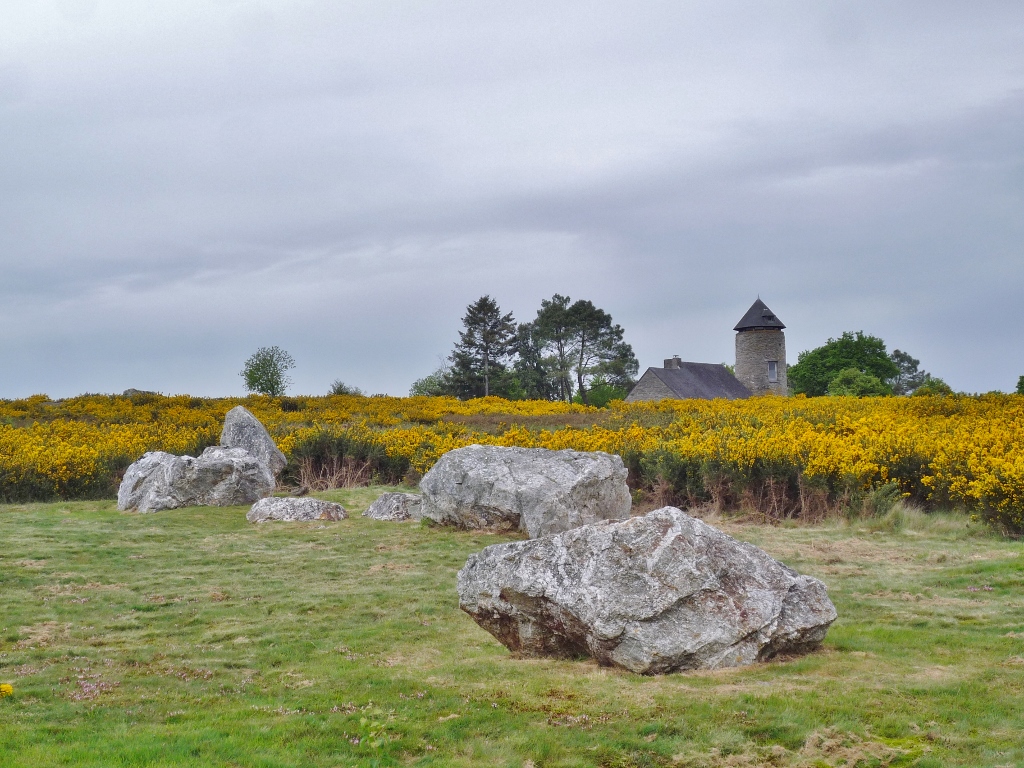
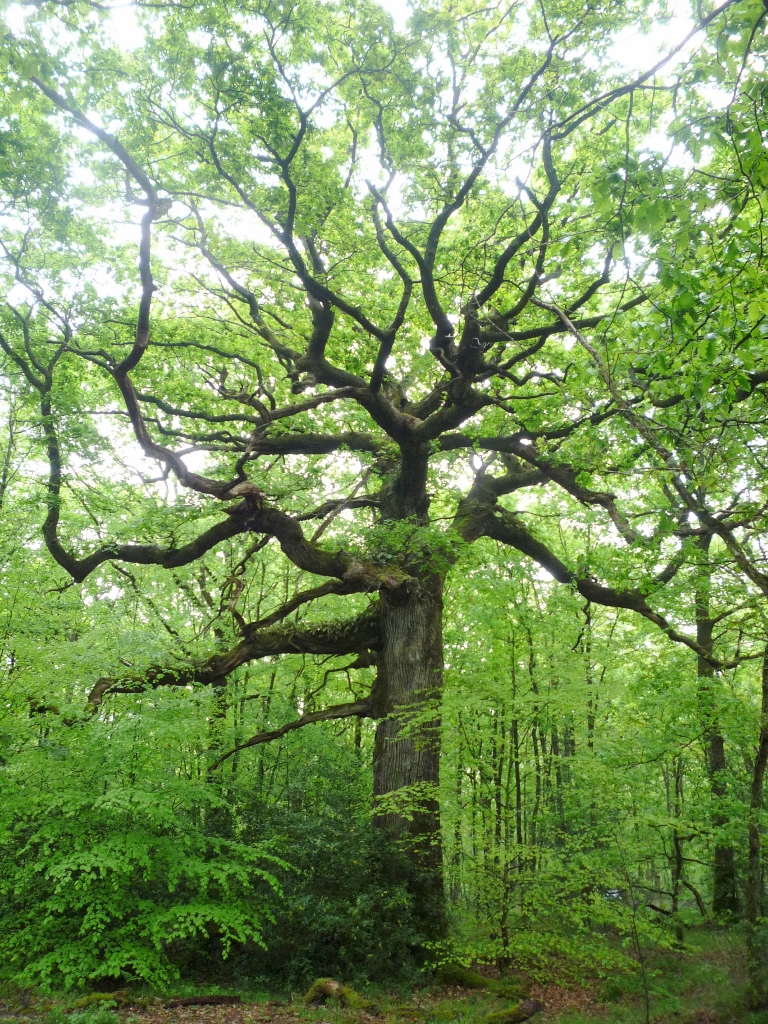
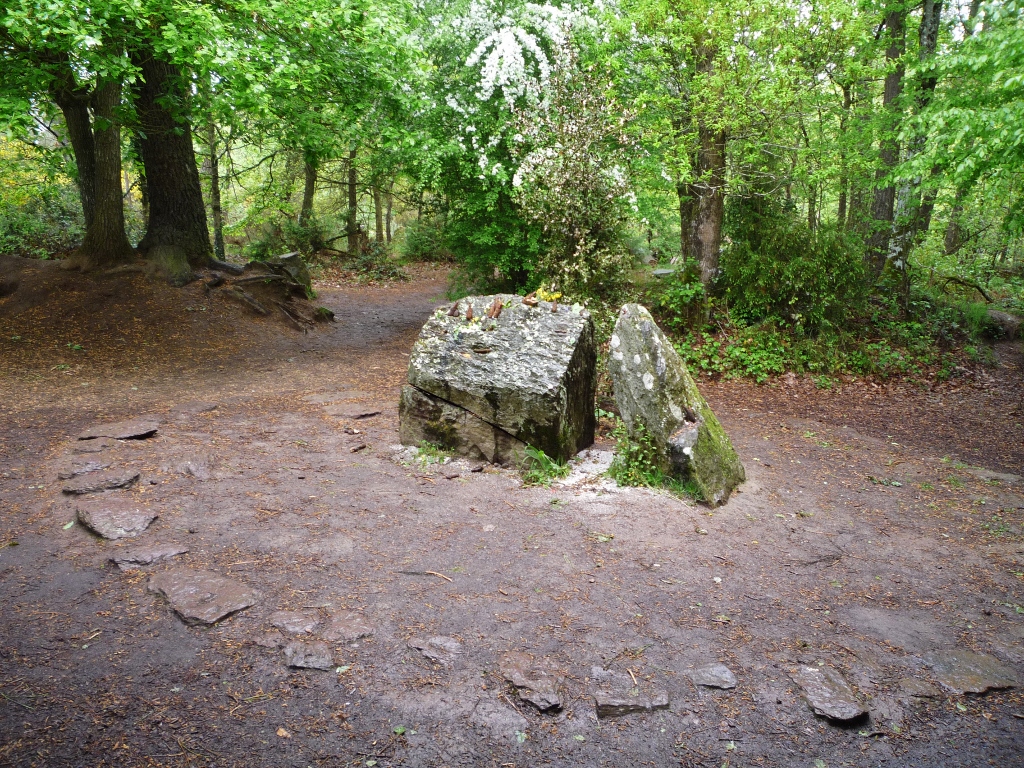
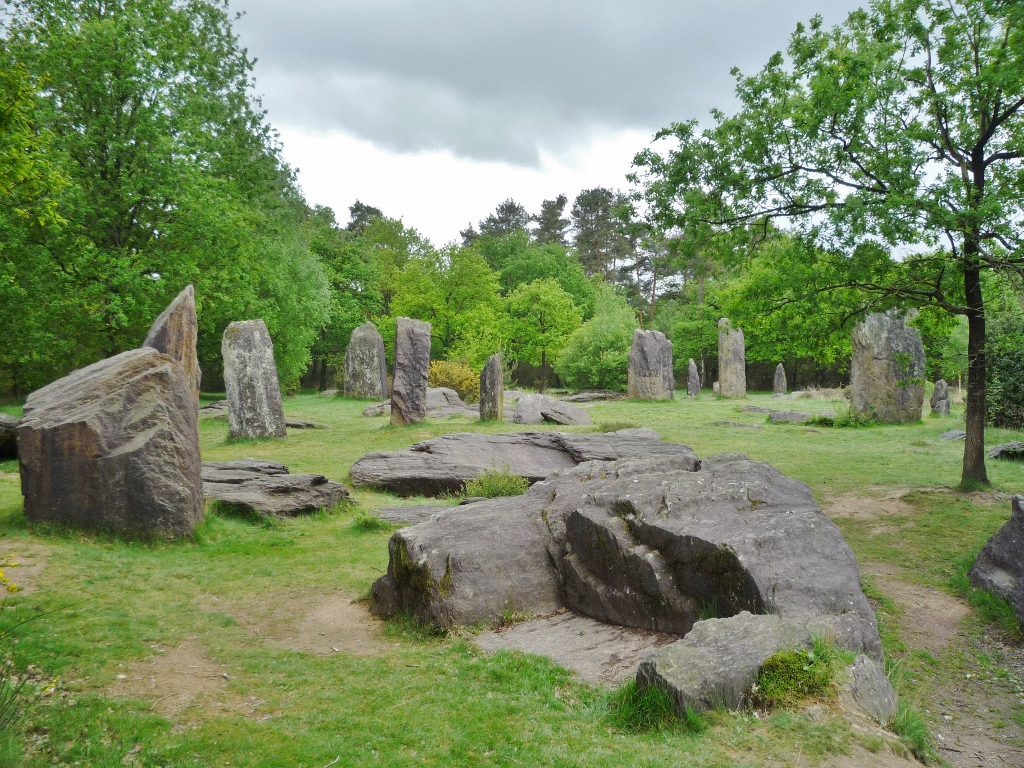
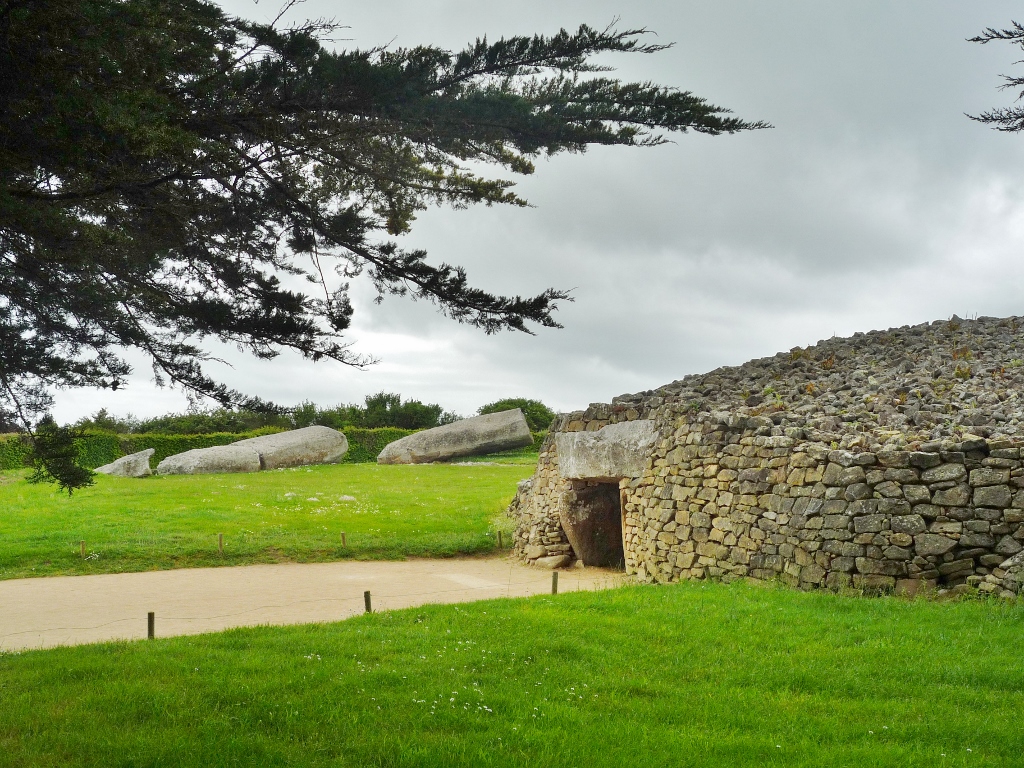
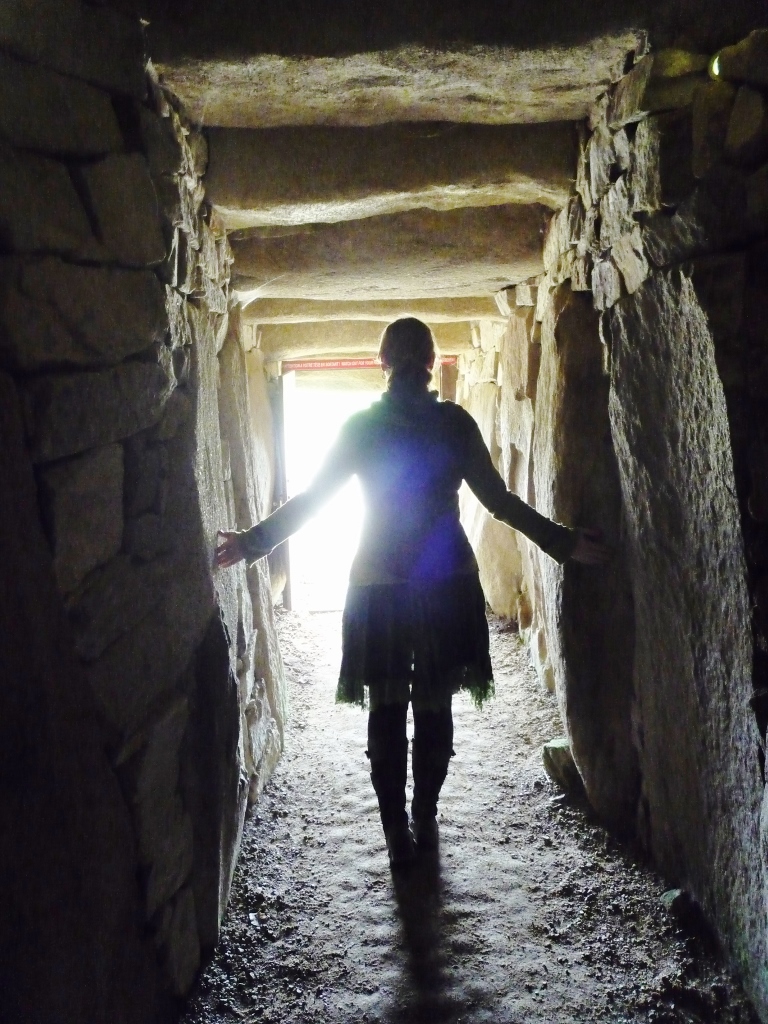
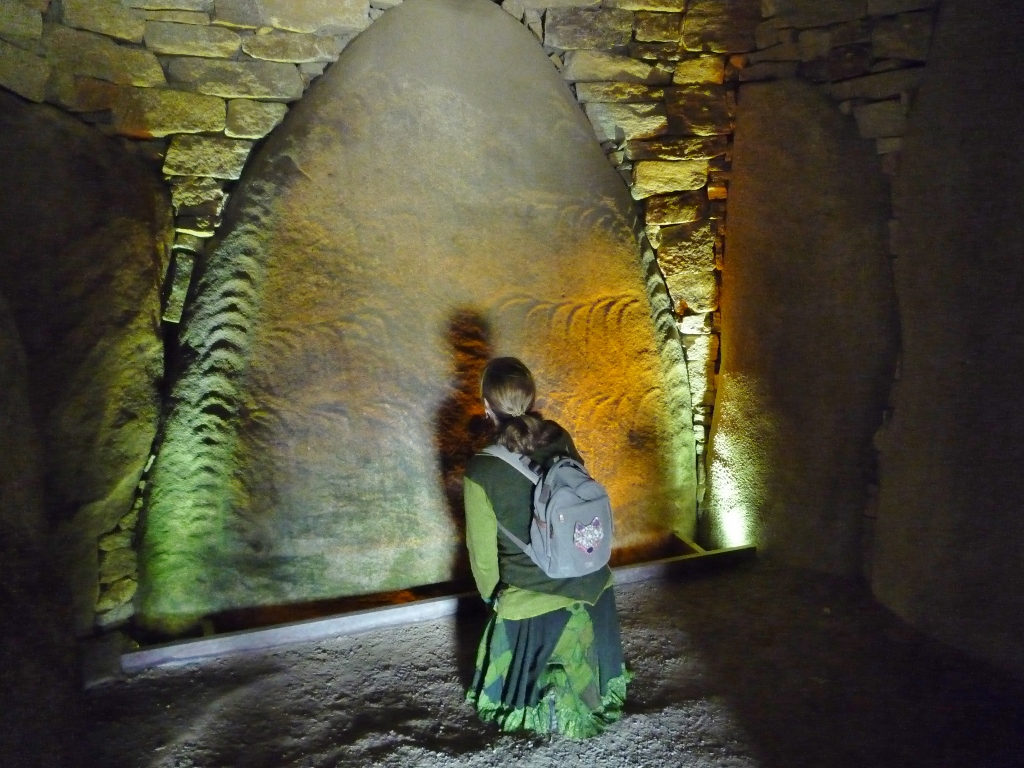
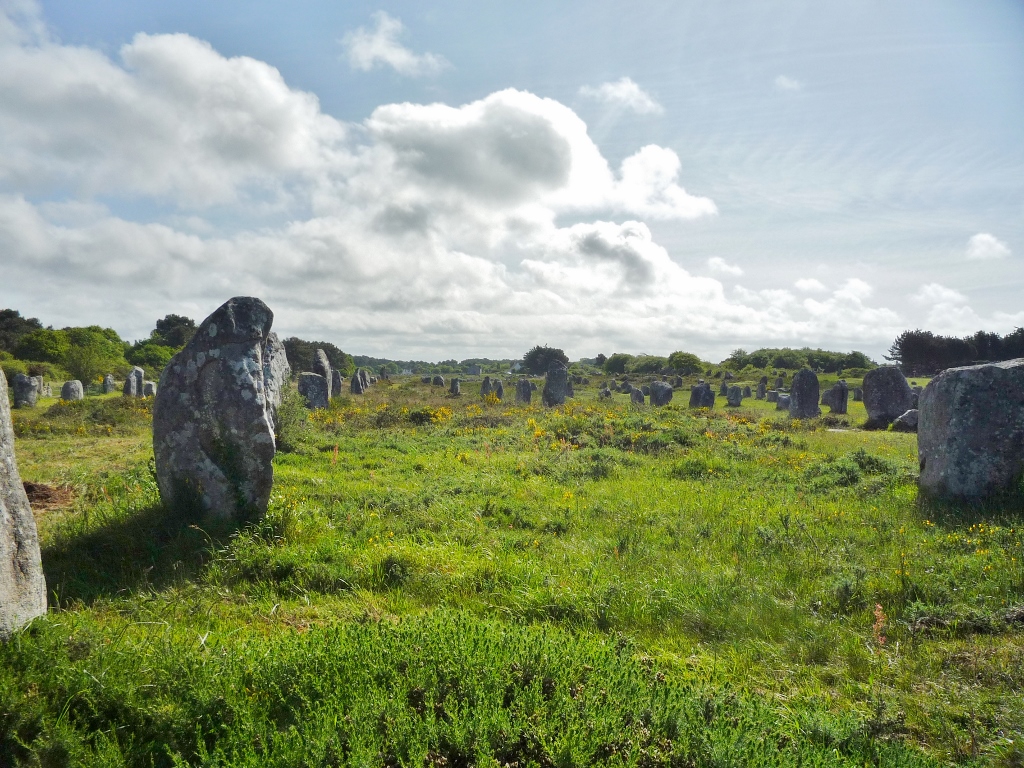
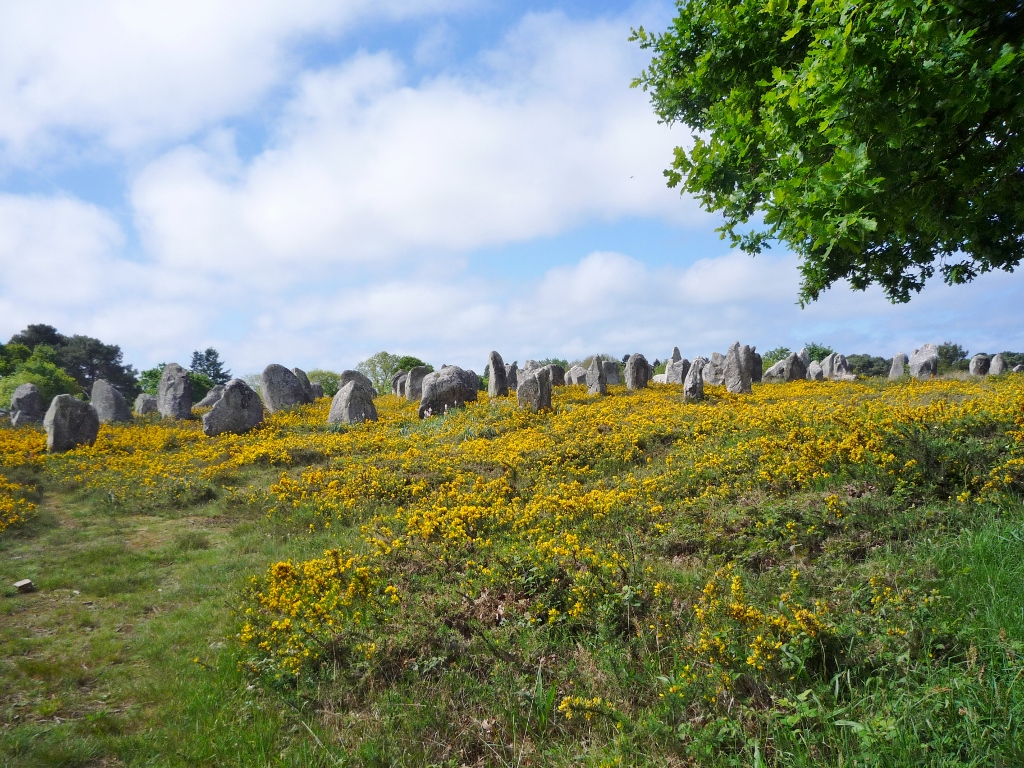
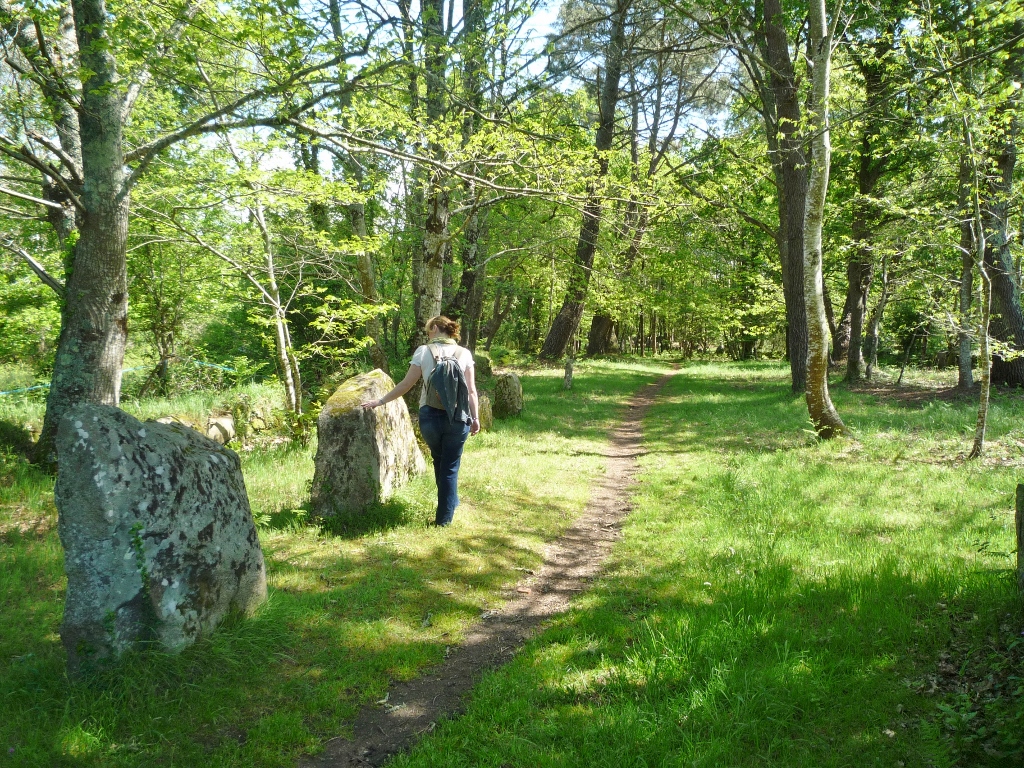
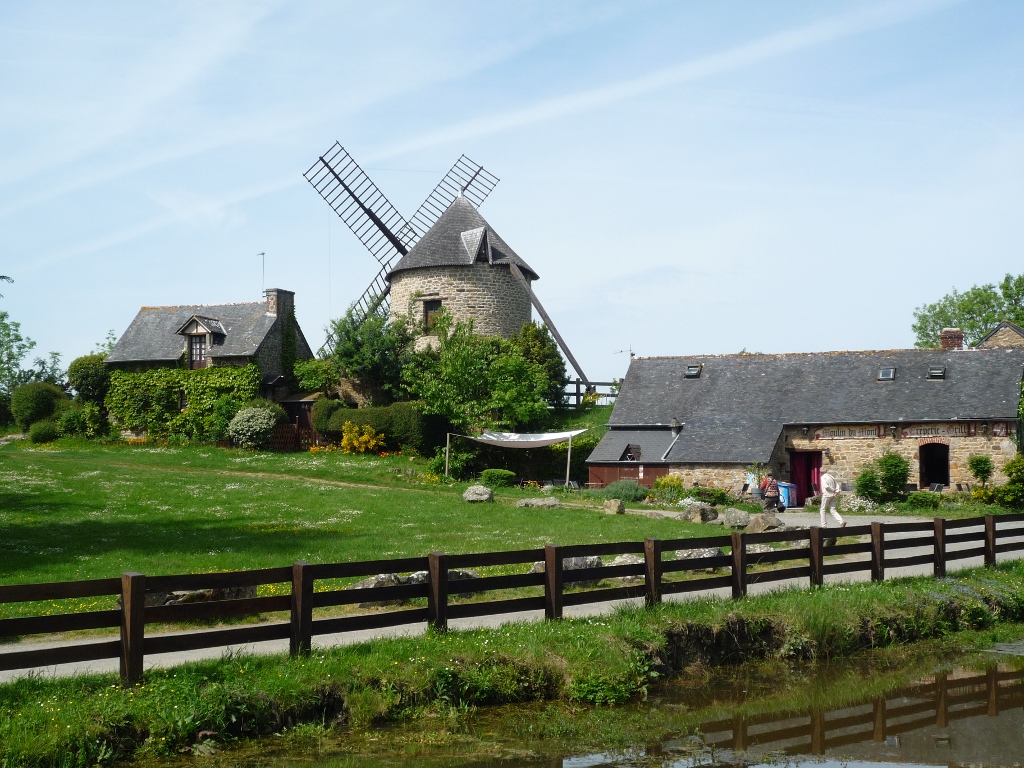
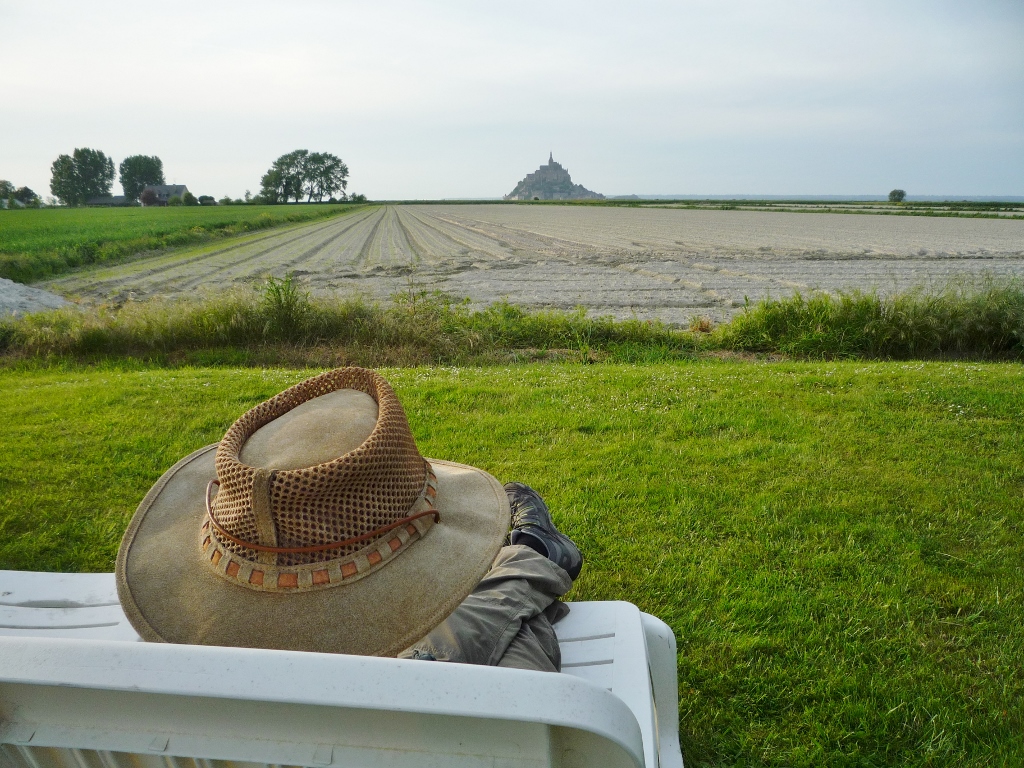
Brittany – Megalithicomania!

So, so many ancient and sacred sites. So much lush and wondrous forest, and stunning coastline.  So much good food and drink.  If you ever have the chance to visit France, go to Brittany!

P1070400 (1024x768) P1070414 (1024x941) P1070423 (1024x768) P1070443 (1024x768) P1070457 (768x1024) P1070463 (1024x768) P1070473 (1024x768) P1070476 (1024x768) P1070493 (1024x768) P1070497 (768x1024) P1070499 (1024x768) P1070500 (1024x579) P1070510 (1024x768) P1070519 (1024x768) P1070526 (1024x768) P1070538 (1024x768) P1070550 (1024x529) P1070558 (1024x768) P1070562 (1024x768) P1070574 (1024x768) P1070594 (1024x768) P1070618 (768x1024) P1070623 (1024x768)

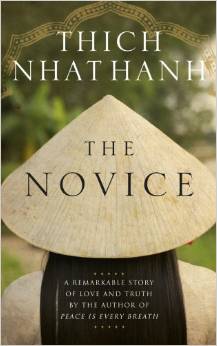
The Novice

noviceWhilst on holiday in Brittany the past week (blog and photos to come!) I read Zen monk Thich Nhat Hanh’s novel, The Novice. It is his first novel, that tells the story of a young woman who has become a legend in Vietnam for paving the way for women to be nuns in the Buddhist tradition. It’s a short book, eloquently written and filled with wisdom throughout.

Kinh Tam is a beautiful young woman who has always felt a calling for deep learning through Buddhist enlightenment. As there were no temples for nuns at the time, she felt that her only option was to do what women did back then – marry and have children. However, her marriage failed as her in-laws falsely accused her of trying to kill her husband one night. Kinh Tam goes back home then, cuts off her hair and disguises herself as a boy, wandering for five days until she comes to a temple where she asks to be taken in as a novice.

She shows an aptitude unlike any other monk in her devotion to the Zen Buddhist teachings and carrying them out. She lives the perfections of generosity, mindfulness, magnanimity, diligence, patience and insight. She has already been through much, after the false accusations of attempted murder, and yet she holds true to her path, holding no malice to those who have wronged her through their own false perceptions.

A young noblewoman who visits the temple falls in love with the young “boy” monk, seeing in him such beauty that only an open-heart can radiate. Kinh Tam avoids her, with as much compassion as possible, as her secret cannot be found out else she faces expulsion. After Kinh Tam turns down the noblewoman’s request for a private meeting, the noblewoman woman becomes enraged, filled with her own anger and wounded pride, accusing the young novice of impregnating her when it was really a servant boy from her household whom she took to bed in anger and despair of not being able to sway the young novice from his devoted path.

Kinh Tam faces the dilemma of choice: tell everyone that it’s not possible, as she is a woman, or face beatings for her “transgressions”. Her love for her path is so strong that it sees her through the beatings, and yet again she never holds any malice towards the young woman (Mau), those who believe her false accusations and even those who beat her. She knows it is only their wrong perception of her that makes them act as they do, and the strength of loving kindness overcomes all the pain she endures.

Kinh Tam goes through further hardships, yet always with the endurance of a loving heart and the deep well of forgiveness. I won’t tell you the ending, but I was in tears as I read it – it was just so beautiful.

Kinh Tam’s story is one that can help anyone going through a rough time. It doesn’t matter what it is that you are enduring, whether it is being shot at, beaten, false accusations or someone trying to undermine you and your work – the open heart of compassion and seeing the unity of all things is stronger than any of these. Anyone can relate to Kinh Tam’s story. As a woman, I felt a deep bond with her struggles and an empathy for her trials and tribulations. I felt deeply the tug of sadness as one woman falsely accuses another (albeit unknowingly regarding the disguised gender, yet with an intended malice in any event). As a practitioner of Zen I found deep wisdom in the teachings that lay like little stars filled with light across the pages, twinkling with their insight into living a life of less suffering. We all suffer, for various reasons, but we can lessen that suffering through the open heart of compassion. Those who try to hurt us, physically, emotionally, intellectually, who undermine our person and our work, who tell lies and allow their pride, anger and other emotions to overwhelm their reason and the ability to see clearly the heart of the matter – these are things we all go through at some point in our lives. Whether it is through war, office/work politics or family issues, the cause is the same: wrong perceptions. Because they have a wrong perception of us, they act out, lash out, are ruled by the monkeys riding on their backs.

Yet we don’t have retaliate like for like. We can see their suffering, and still send them our love and compassion, even from afar. Because they perhaps have not seen that there is another option, they have no way out. Living through our actions, of opening our eyes to all possibilities and the reality of the present moment we can hopefully provide an example for a peaceful way of life that benefits the whole. We can forgive these misjudgements from others, as they are easily created. Through diligence we can work to dissolve these false perceptions within ourselves, through meditation, deep insight and the other teachings of Zen Buddhism.

I always doubted whether humans were truly capable of forgiveness. When explained through the words and story told by Thich Nhat Hanh, it makes so much more sense; it is so easy. There are three appendices to the story, one describing further the legend of Kinh Tam, the second describing the legacy of Kinh Tam by Sister Chan Khong of Plum Village monastery, and Thich Nhat Hanh’s own addendum about practicing love. These appendices are just as important as the story itself, for it shows “Engaged Buddhism” in action as Sister Chan Khong and Thich Nhat Hanh both relate how the practice of compassion helped them through the suffering of the Vietnam war, exile and more. We see first-hand how the Zen Buddhist precepts are put into practice, actually lived out in the lives of those who worked in the DMZ, offering wisdom and deep insight into how suffering is different for each individual and yet can be overcome when held in the arms of compassion.

In the UK, you can buy this wonderful little book from as little as £1.04 second-hand; do try to read it if you are at all interested in Zen Buddhism, mindfulness, compassion or loving kindness. If you feel you are suffering in any shape or form, this book might be able to help you find the way to transforming suffering into something that instead brings peace and harmony to your world, and thereby to the world at large.

May we be peace. x


Gypsy Dreams celebrating May Day

Here is our dance troupe, Gypsy Dreams, performing at the May Day celebrations last weekend in Mendlesham, Suffolk. It’s a mix of improv dances and choreographed dances. Blessed Beltane everyone!

Reblog: Bless the Water Thrice by Alison Leigh Lilly

A brilliant blog post by Alison Leigh Lilly 🙂

In the days of the ancient Celts, a devotee might have honored the gods of her people with a votive object — a torc, a piece of intricately-wrought jewelry, a small statue of a god or goddess, a bent silver coin — given in offering to the clear-running waters of a river or wellspring, or deposited in the murky waters of a marsh at a dedicated sacred site. In the same way, a warrior might have offered up his sword or shield, ritually broken to render it useless or perhaps forged specially to be a sacrifice, never to be used in battle.

But those days are gone.Blessing the Waters, An Environmentally-Safe Method for Making Offerings, by Alison Leigh Lilly  Read more HERE

1,000 Oceans

Another beautiful song that spoke to me many, many years ago and still makes me weep.  Let the earth heal you, let Her into your heart, free Her and yourselves from the cages we constantly build.  Love the Earth, love yourself, love each other.  Let love rule.

The Golden Seed

Golden Seed

Check out the Order of Bards Ovates and Druids (OBOD)​’s book celebrating the 50th anniversary of the Order! I was honoured to be interviewed by Philip Carr-Gomm for this very special weekend, and was delighted to be a part of it all. You can buy The Golden Seed from OBOD’s online store now! Click HERE for more details.