Sacrifice

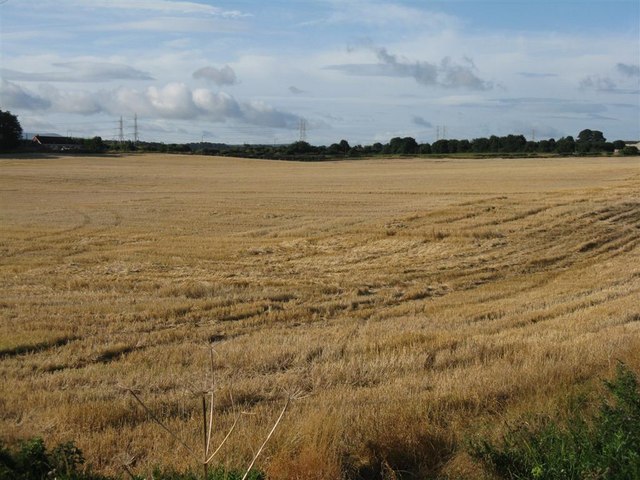
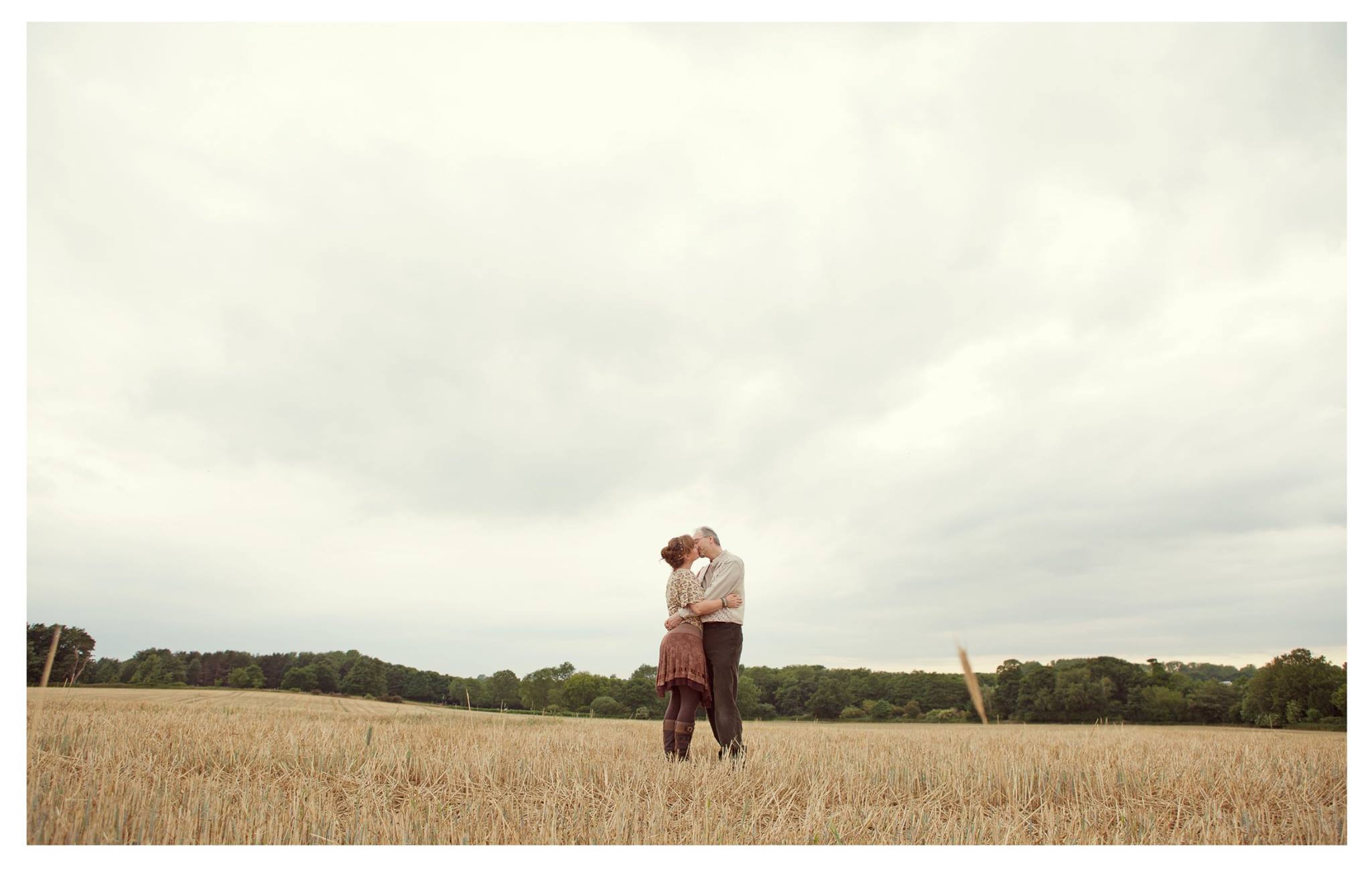
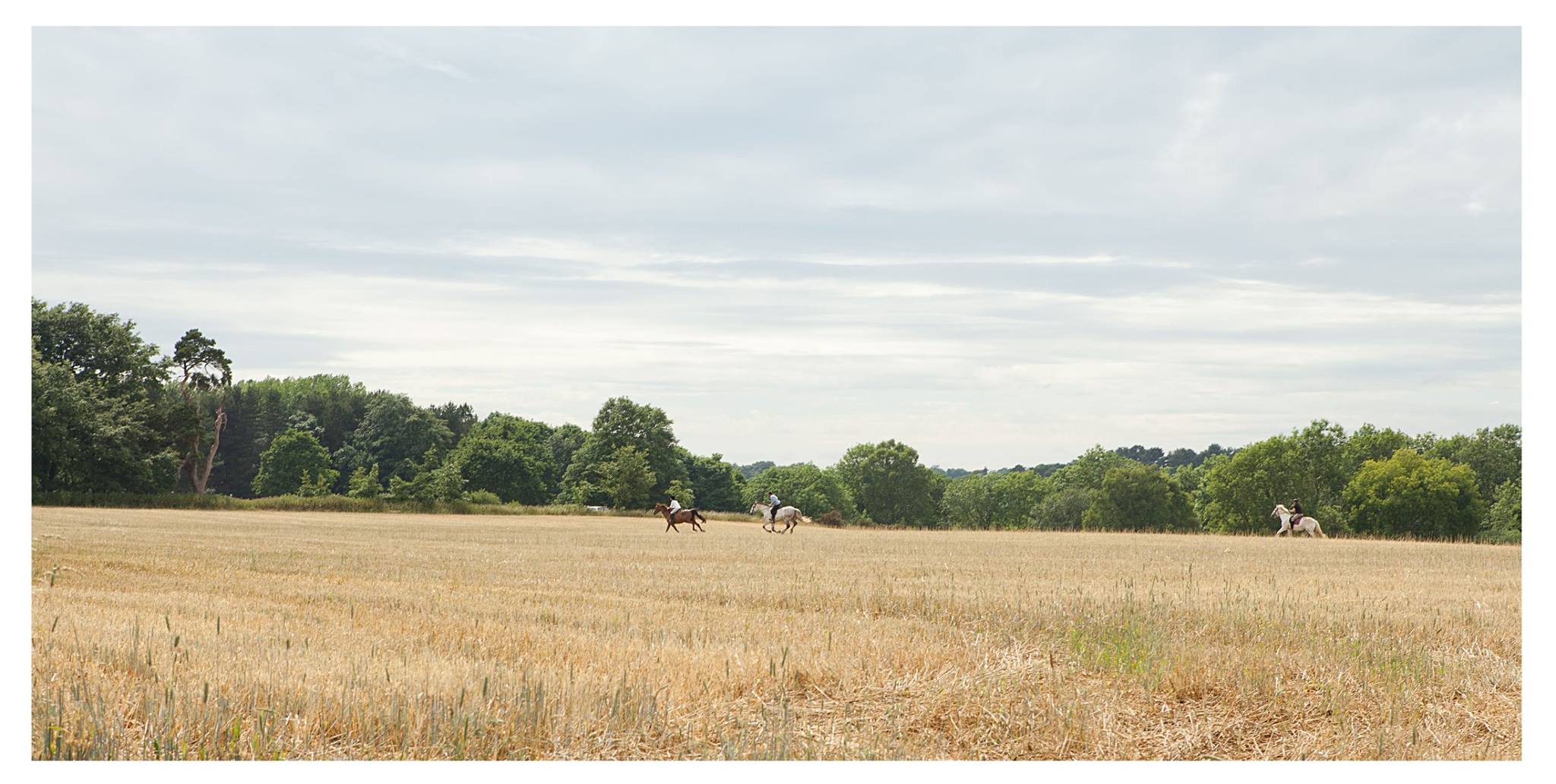
barley stubbleSacrifice – it’s one of those “old” words, like honour and duty. Many who have read Roman accounts of the Druids associate the word, sacrifice, with the priest caste of the Celtic people at that particular time. However, the word goes even further back into the beginnings of time for the human animal, when the importance of relationship with nature was everything, when we knew that to disconnect ourselves from the natural world meant death. Today, we must remember this, remember each and every day how much we are a part of the world, how much our everyday actions count, no matter how small. Each day is also an opportunity to give thanks for the blessings that we have. At Lammas, however, just giving thanks doesn’t seem quite enough. When the first crop is harvested, and the land lies stark and naked, shaved and shorn from under the combine harvester, giving thanks and saying words over the field doesn’t feel adequate. This, for me, is where sacrifice comes into play.

It’s hard as the line keeps shifting between giving thanks and the notion of sacrifice. What might be an offering to one person might be seen as a sacrifice to another. I can only speak from my own personal viewpoint, as I may value things differently from my neighbours, my family, and members of my pagan community. So, what is the difference between an offering and a sacrifice?

For me, sacrifice is something of significant value. This is not necessarily a monetary value, but could be something that is cherished, prized, something that is utterly loved and which has a representative value of the threads of connection we hold with the gods, the ancestors, the spirits of place. What is it that I have which I value? What am I willing to give back in return for the flow of awen, that spark where soul touches soul and is inspired? What am I willing to do to achieve that?

When the barley in the field by my house is cut, the energy of the land drastically changes. Between the homes and the heathland there are two arable fields, one which was harvested in the spring for green barley, and one which still has the golden, bowed stalks waiting to be harvested. Acknowledging the change isn’t enough, for when we hear the songs of the ancestors, I feel how important these crops were for them, how important their relationship with the land meant their survival and success. In a field of growing barley, there is potential, a shimmering energy waiting to be harvested. When that field is cut, the potential can be scattered if the land is not honoured. The ancestors knew this, but we have forgotten. Modern farming depletes the soil of essential nutrients that must be replaced, often by less-than-natural means. The barley is cut, and the field then stands, barren and forgotten for weeks, until the farmer and his tractor are ready to plough in the winter or spring crops.

The land isn’t respected, isn’t acknowledged anymore. As an animist, I find this appalling. When the land has been used, has given us so much in a beautiful field of barley, and we don’t even give thanks, much less sacrifice then there is dishonour. As with any relationship, if one side continually gives and gives, and the other continually takes and takes, the balance will shift, the relationship will crumble and great suffering will ensue.

What can I give that will honour the lives that this crop will feed, that will honour the land that grew it, that will honour the ancestors that worked it, that will honour the spirits of place who live there? What will be a significant gift for all we have received?

The sacrifice will change year upon year. What matters most is the importance of the sacrifice to me personally.

Offerings represent a more daily interaction, little gifts and niceties that you would present to any friend that you meet: a cup of tea, a biscuit, some of the fresh-baked bread you just made, or your home-brew mead. Finding out what the local spirits of place would like is as polite as asking your guest how she would like her tea: with or without milk, honey or sugar? When it comes to sacrifice, however, the shift of focus changes to become more introverted rather than extroverted.

I’ve previously in earlier articles described sacrifice as something that is not only of great value, but also as something that can help you “get to the next level”, so to speak. No, we’re not playing at Druids on World of Warcraft, but we are seeking to deepen our relationship with the land. Sacrifice is key in this regard, helping us to go deeper, to give more of ourselves in order to understand more of the land.

Many within the Pagan traditions see the Sun King as offering himself as sacrifice at this time of year, to be cut down as the grain is cut, to be reborn at Yule. Yet are we comfortable allowing the Sun King to do this each and every year, or should we also take our part in the sacrifice, participating rather than simply watching the cycles of life unfold?

And so I will spend the next few weeks walking the land, finding out what I can give, what I can do to deepen my relationship with it, to be an active contributor instead of a passive spectator. Some aspect of my self must be willing to die alongside John Barleycorn in order to understand the cycles of nature. Some sacrifice must be made.

The Mole Problem: Why Good Animists Make Good Neighbors

Another brilliant article by Alison Leigh Lilly…

The Mole Problem: Why Good Animists Make Good Neighbors.

Working with the Gods of Time

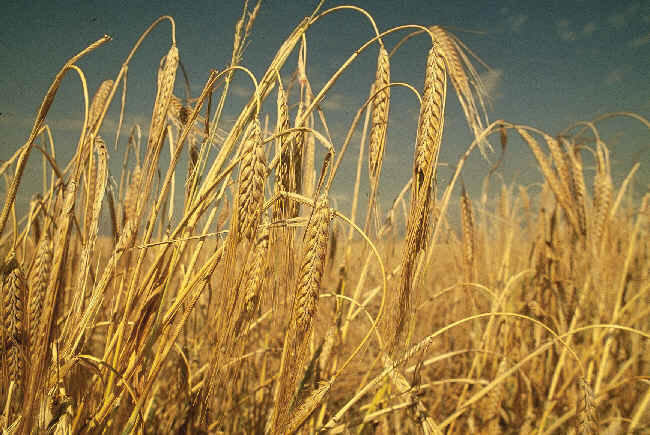
barleyDruidry is hard work. If you want to establish a deep and meaningful relationship with the land, the gods and the ancestors you have to work at it, each and every day, really walking the talk and living your religious or spiritual path. Like most things in life, you get out what you put in.

At this time of year, things can seem crazy busy, with all the plans that we dreamt up over the winter months and put into action in the spring finally coming to fruition. Working as a Druid priest, not only do I have my own personal plans to attend to, but also those of the community. July and August are heavy months in my diary, filled with handfastings and weddings mostly. In the later summer months we are inspired to a deep commitment, not only in our work but in our love lives as well. If we want our harvest to be successful, we have to work at it.

The warm months encourage us outside, even though we may have a pile of work waiting on our desk. It’s important to experience these months physically, as well as on a spiritual level, especially here in the UK where sometimes the summer can seem so short. It makes greater demands on our time, and I find that I do not get nearly as much writing done from June to October as I would like, with other duties and the hot sunshine or warm rain calling me outdoors. It’s equally important to be outside in all kinds of weather, but perhaps it is because I was born in August that this month really appeals to me, with more thunderstorms, hot sunshine, refreshing rains and muggy weather. Though autumn is my favourite season, it can often be too short, whereas summer (hopefully) lingers on in the heat of the stones and the land, the smell of the rain, the flowers and the scent of mown grass.

So even though my work goes a bit nuts at this time of year, I take time out each day to remind myself of that commitment that I made with the land. To work with her, to honour her, to be with her, to learn from her. I hear the songs of the ancestors flowing through the land. My lady Brighid sings deep within my soul, every day.

Even though I had only a small window of opportunity yesterday to get out there, still I went to the field opposite my house to be with the barley before the harvest, listening to the brilliant rustle of the drying stalks under the sun, hearing the songs of the land and the troubles with the bluebell woodland beyond. Saying my prayers and blessings over the crop and the land, connecting with the earth and her nourishment, giving of myself in return was a necessary part of the day. Like being in any long-term relationship, it requires constant presence and not taking anything for granted. This was really brought home to me when I studied with Bobcat many years ago in the beautiful setting of the Cotswolds, when we discussed with the other students the gods of time. Working with time is a great learning curve, coming to learn how to relate to the gods of time, working with deep integrity and honesty.

So you will please excuse me if there are fewer posts between now and the end of August – in the few moments of brief respite from other duties and obligations, I’m probably out in the fields or forest, heathland or seashore, spending time with the ancestors, honouring the gods of time and reminding myself to be present.

Blessings of the harvest!

New book by Danu Forest coming soon!

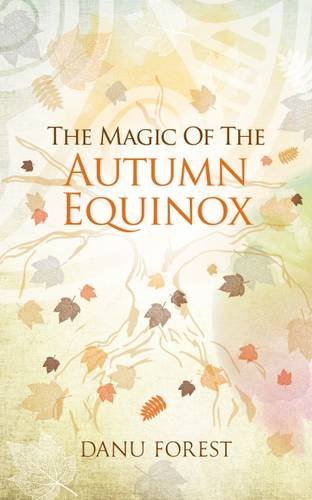
DF autumn equinoxApologies for the lack of posts lately – this is an incredibly busy time of year, for me as a Druid priest and also getting through my Herbcraft diploma course, as well as starting up Druid College this October.  However, I saw that the ever-lovely and talented Danu Forest has a new book coming out soon, and I wanted to share the good word here! I really enjoyed the first book in this series, which was The Magic of the Summer Solstice.  Her second offering, the Magic of the Autumn Equinox is available for pre-order now! Click HERE for more details.

Druid College, Year 1 this October!

HF2We’re getting all geared up for Year One this October at Druid College UK!

In Year One We will be looking at core principles and teachings of Druidry, Living with Honour, Rooting in the Earth, Working with the Ancestors, Animism and the Spirits of Place, Listening and Druid meditation, Awen and the cycle of creativity, Working with the Nemeton, Developing Authentic Relationship, Inspiration and the Poetic arts, Storytelling and cultural heritage, The Cycle of Life and the “Wheel of the Year”, Working with the Gods/Deity, Anarchism and the end of Submission, Emotions and “riding the energies”.

Your tutors are me (Joanna van der Hoeven) and Robin Herne, and there are still places available: for more information visit www.uk.druidcollege.org

Re-blog: Weaving a Stronger Web

This is a preview of my latest blog post on SageWoman Magazine’s blog channel at Witches and Pagans. To read the full article, please click HERE.

Taking time to become aware of the self is a large part of the modern Pagan movement. In the last twenty years, exploring the psychological aspect in many of the traditions has been as important as the metaphysical and the spiritual work. Many have done this, as part of a training course or in their own deep learning, but perhaps subsequently allowing it to fall by the wayside; once it’s been studied, that’s it, let’s move on. Being aware of your emotions and behaviour is a never-ending quest in self-awareness. In order to live as Pagans it should be a lifelong exercise, in order to ensure that we are living honourably and respectfully within nature and the natural cycle.
Indeed, it is our responsibility to be aware of what we put out into the world, emotionally and physically, as Pagans. We know that we are a part of a greater web, therefore when one strand is tugged, all the others shiver all the way down to the core. We need to be able to see when we have failed to act with honour, in our human relationships, in our relationships with the natural world, in our relationship with the gods and the ancestors. And in doing so, we can work to make amends, to reweave those threads that have been pulled apart…

To read the full article, click HERE.

Photos from Wedding Vow Renewal

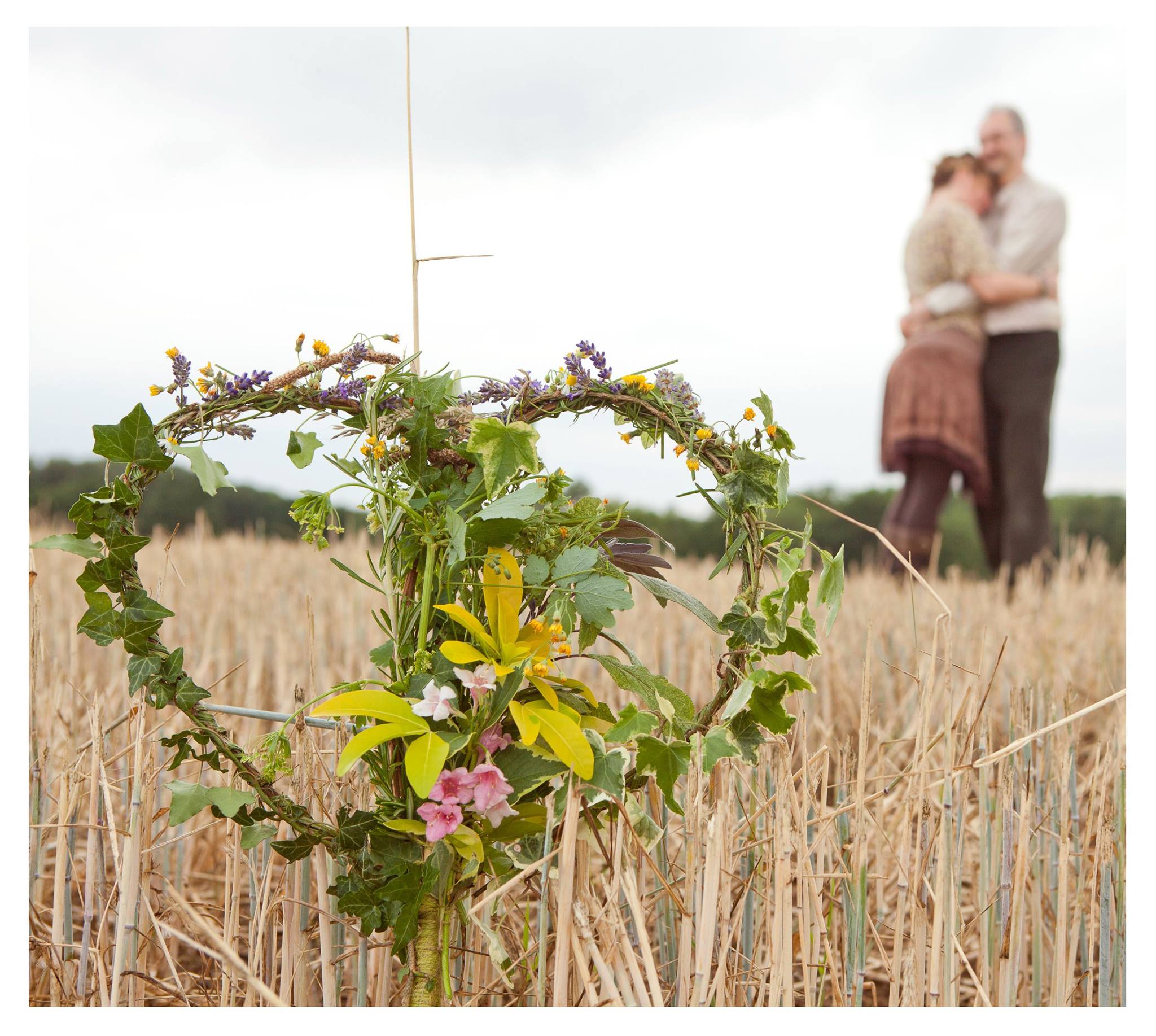
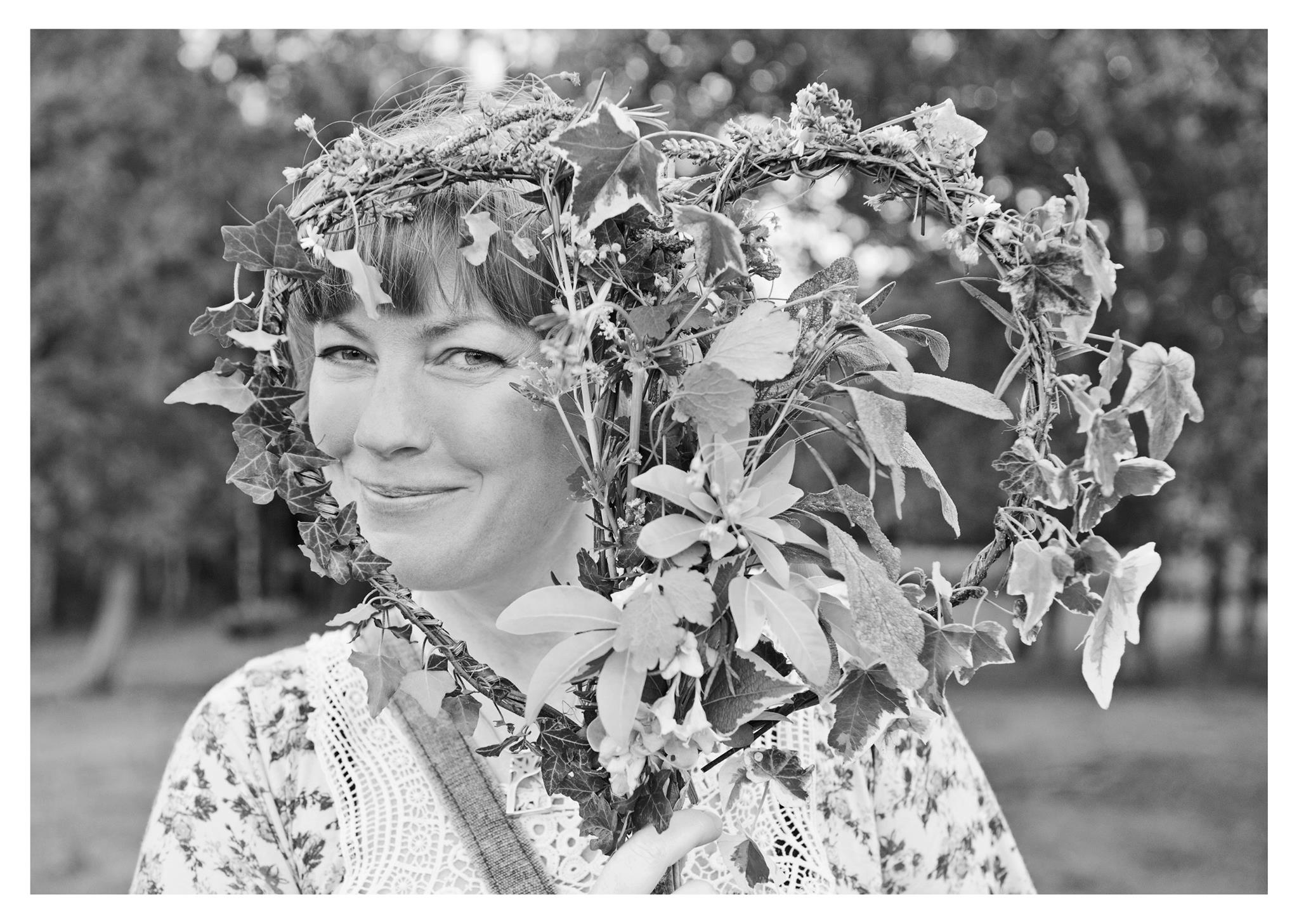
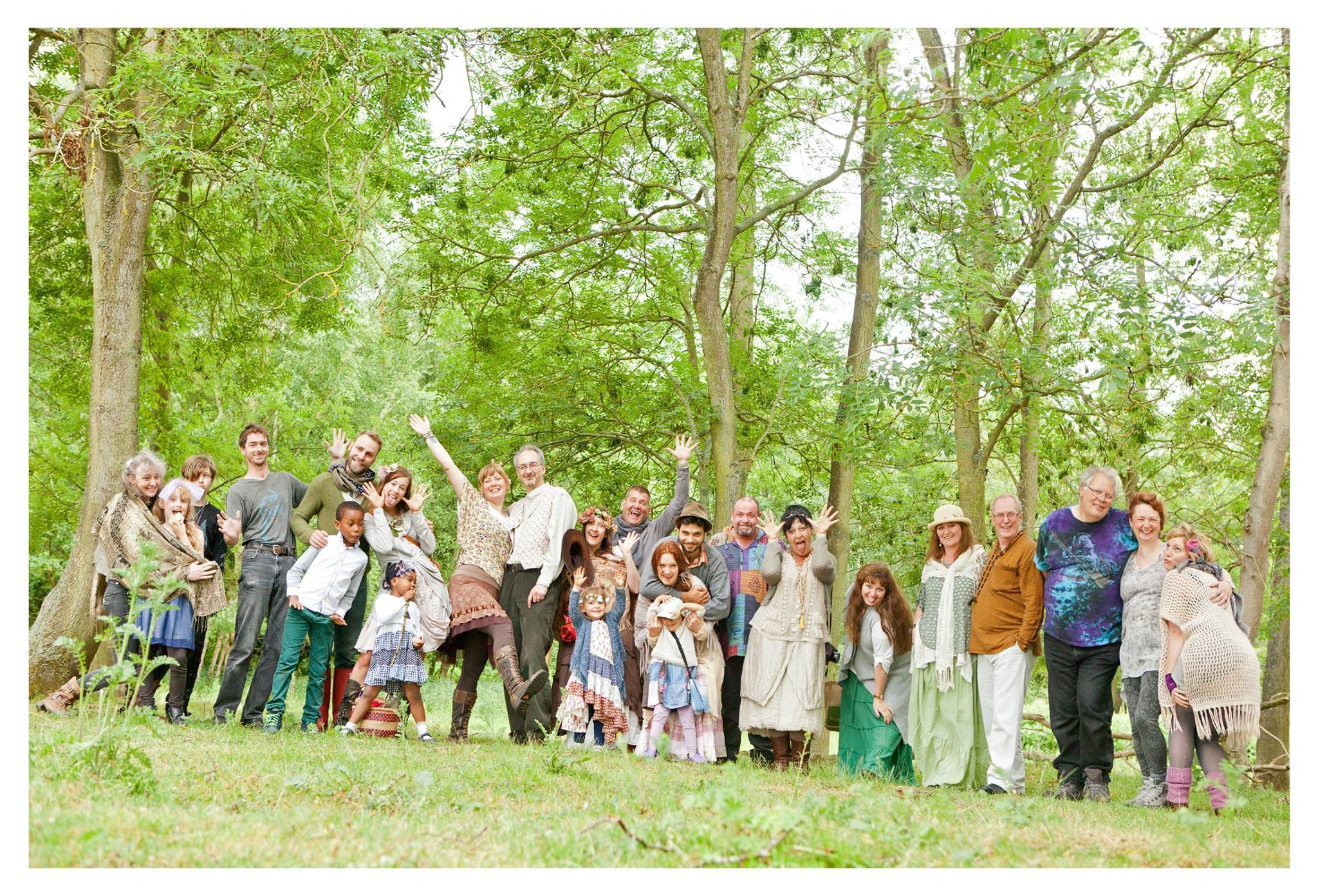
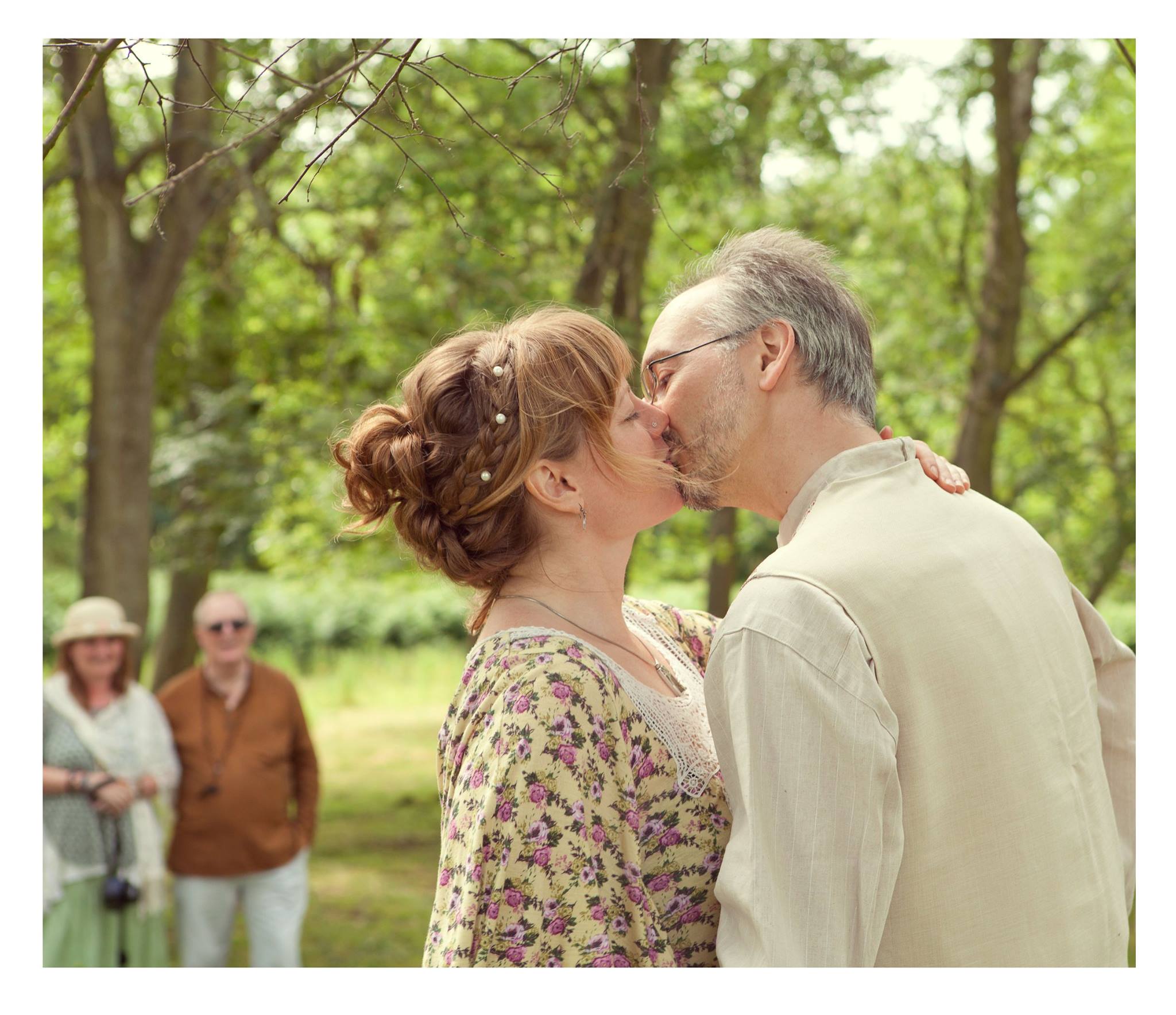
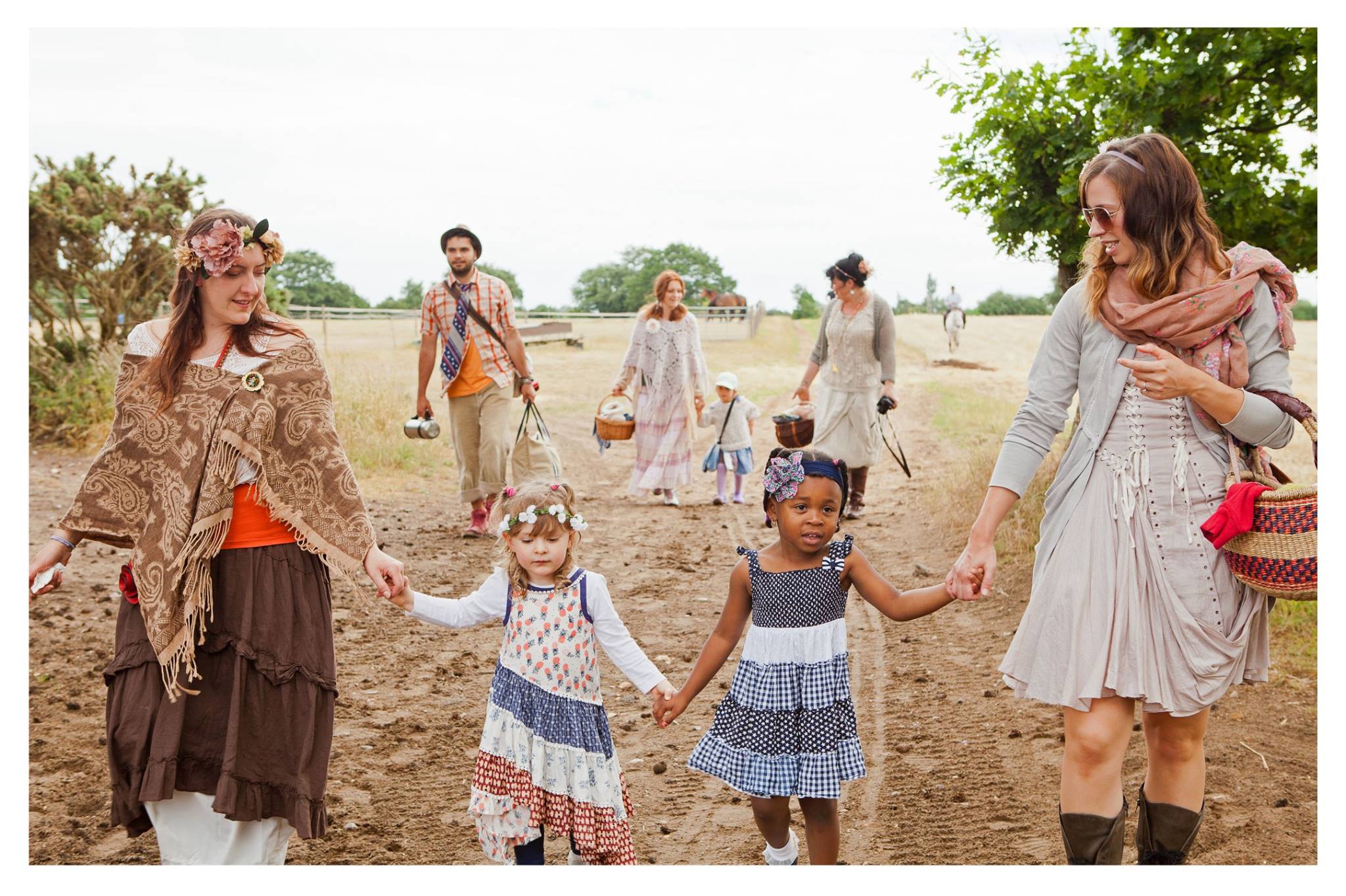
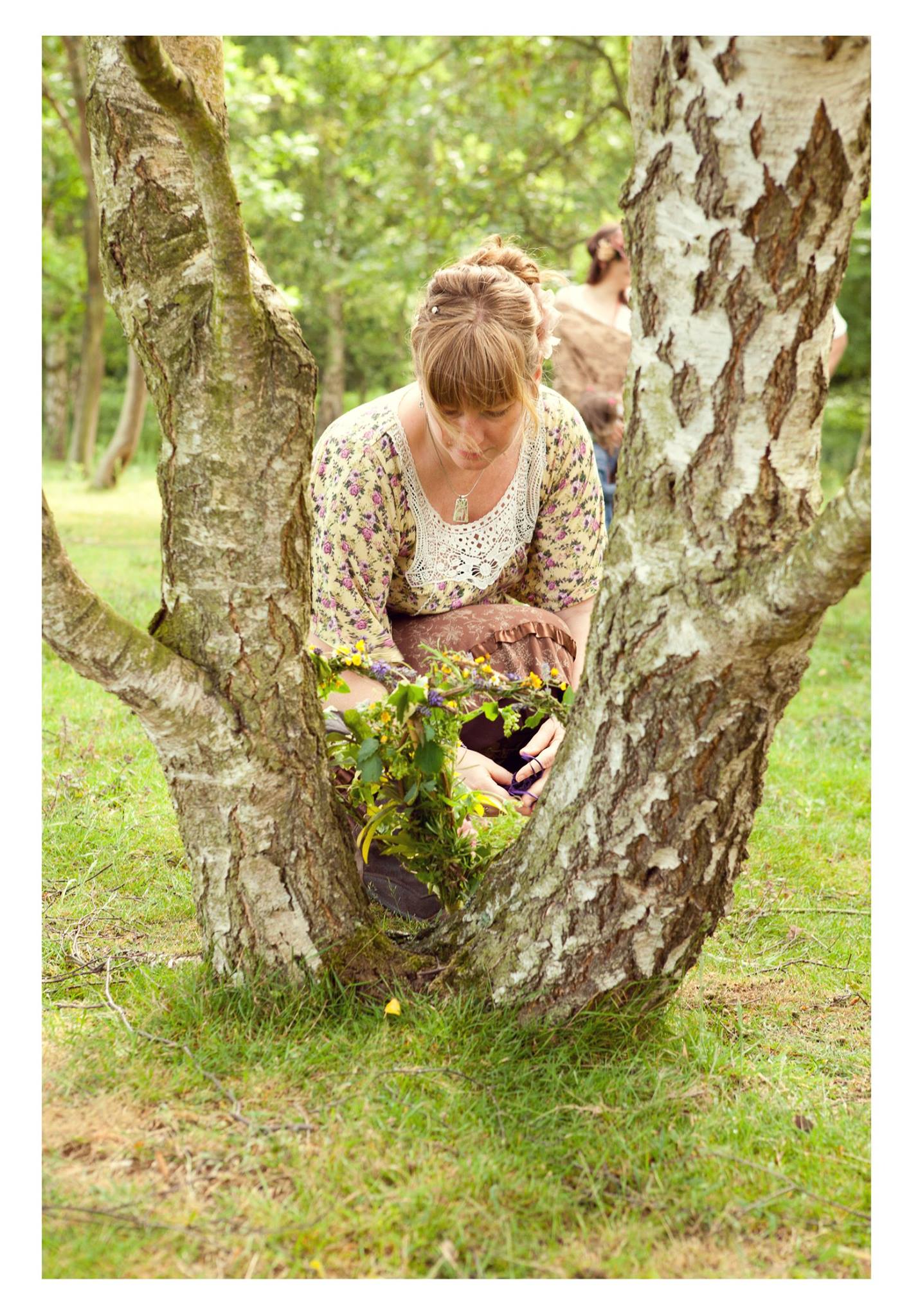
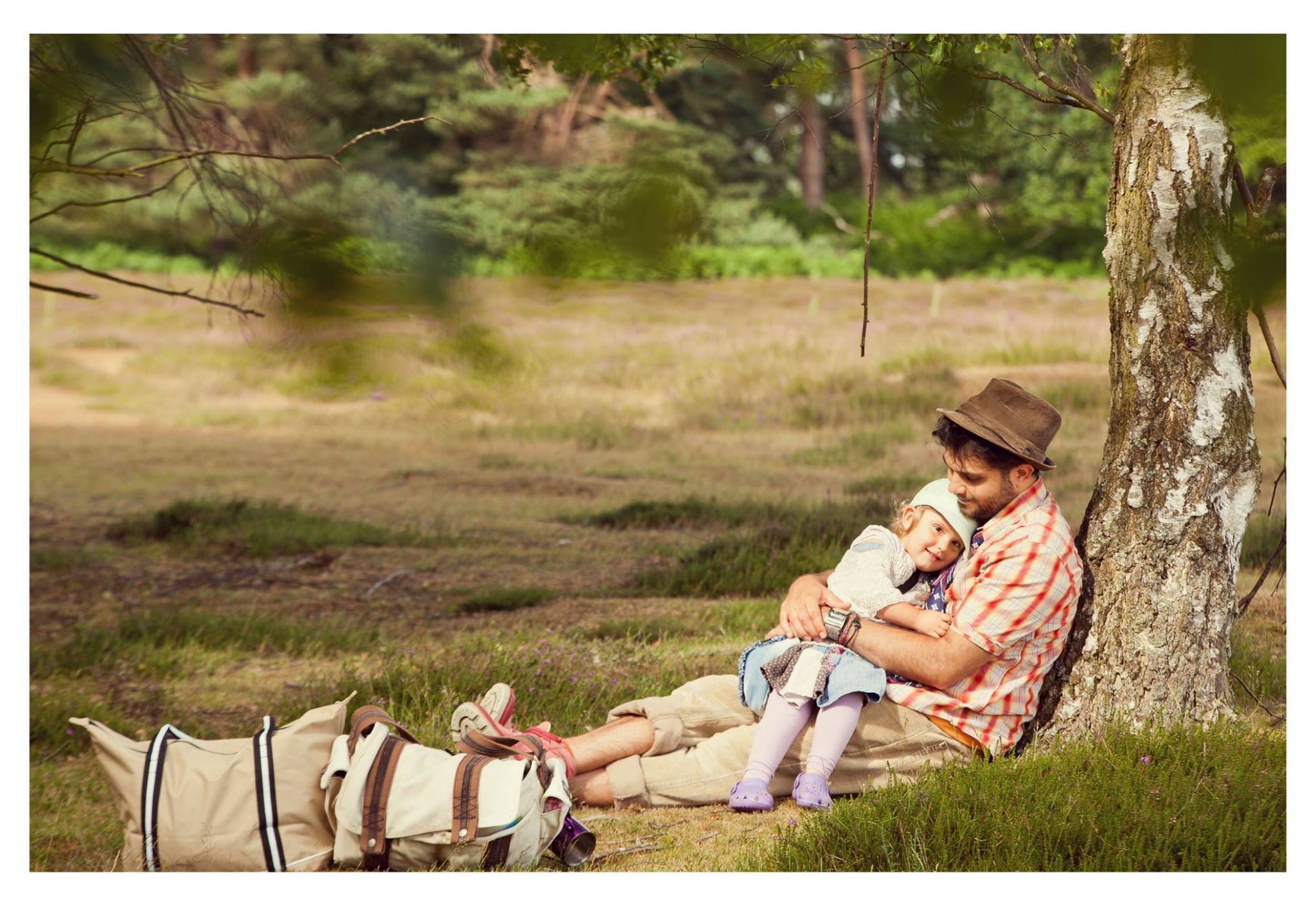
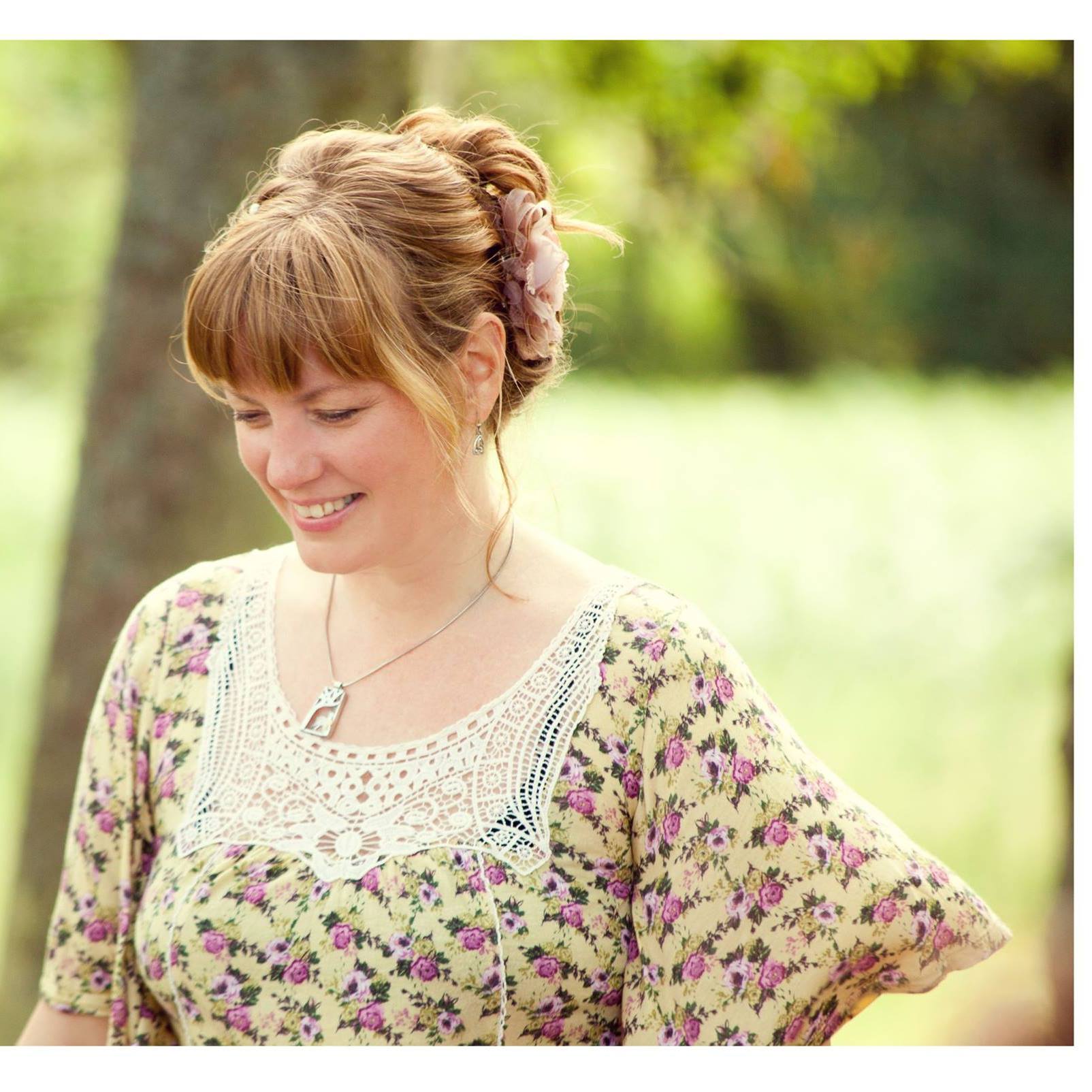
Here are some lovely photos taken by the very talented Emily Fae of our wedding vow renewal last weekend – to visit Emily’s website, click HERE! P.S. She does Pagan handfastings at vastly reduced prices 🙂

1 © Photography by Emily Fae, www.photographybyemilyfae.com © Photography by Emily Fae, www.photographybyemilyfae.com © Photography by Emily Fae, www.photographybyemilyfae.com © Photography by Emily Fae, www.photographybyemilyfae.com © Photography by Emily Fae, www.photographybyemilyfae.com © Photography by Emily Fae, www.photographybyemilyfae.com © Photography by Emily Fae, www.photographybyemilyfae.com © Photography by Emily Fae, www.photographybyemilyfae.com © Photography by Emily Fae, www.photographybyemilyfae.com © Photography by Emily Fae, www.photographybyemilyfae.com

Happy Canada Day

Today is Canada Day, 1st July. Back home in Canada there will be fireworks, music and celebrations from backyard barbeques to city-wide parties and festivals. Days like this I miss my homeland, my mother country. As today has approached, I’ve been giving some thought about what it means to be a Druid in a land that is not “your own”, living in a foreign land.

A Druid’s relationship is with the land, first and foremost. It is the defining part of our spiritual tradition, religion and philosophy. We deepen that relationship through working with the ancestors, deities, the three worlds, etc. However, at the heart of the matter is the land upon which you live. Establishing a deep and sacred relationship with it is the main part of our work as Druids. But what is this relationship?

We have to know the environment we are living in, in order to live well in it. If we live with ignorance, we might cause damage. If we run against the currents of energy that are flowing through our land, say for example spending inordinate amounts of energy during the winter holidays when the darkness is actually calling us to rest a moment, to get in touch with the depths of winter, then we become exhausted, ill, suffering from diseases and dis-ease. We have to dance with the land, and when dancing with another it is of utmost importance to acknowledge the other’s movements, in order not to cause injury or step on anyone’s toes. We have to be aware of what is going on, each and every day in our landscape. It is not enough to celebrate the eight festivals of the modern pagan Wheel of the Year – to be a Druid requires much more than that.

It is a relationship that is not one way. Singer/composer/pianist Tori Amos once described her relationship to the land through her Cherokee grandfather’s guiding words: “We are either caretakers, or takers. It’s your choice”. While as Druids we don’t really have a sense of stewardship of the earth, for that would place us in a hierarchal order of being that doesn’t really make any sense, we do know that taking too much is damaging and so we work to live in harmony, in balance. Inspired by the ecosystems around us, we see how to fit in, to work with each other, whether that be human or beetle, stinging nettle or oak tree.

My relationship with the land began in Canada, where I was born. I drank from the rivers and lakes: that water is in my body. I grew up in the Laurentian mountains: those granite hills are also in my bones, in my foundation. The wild thunderstorms of summer are in my blood, the cold crisp air of winter in my lungs. They are a part of me and I am a part of it. We are inseparable, the land and I. The conditions manifested at the right time to bring me into being in that space and in that time, and I cannot disengage with it any more than I can wilfully cut off an arm or a leg.

But I live in the UK now. I am a resident of this country, and have been for many, many years. I have been here almost as long as I have lived in Canada. I have learned to dance to the rhythms of this land, with its differently beating heart, its slower pulses and island mentality. I have felt Brighid’s serpent rising and falling with each passing year, deep within the earth, dancing in the light of the sun in summer and retreating again, curled up within the depths of winter’s darkness and at the base of my spine. I have seen different gods of thunder and lightning, of seas and oceans, rivers and deep, cold lakes. I have felt and honoured the ancestors of this land, feeling their stories sung in the evening breeze, feeding from their bodies in the food grown on this land, breathing the air they breathed. I have walked many, many miles all across this land, coming to know its vast and intricate landscape, from craggy sea cliffs to heather moorland, from the Scottish Highlands to the White Cliffs of Dover. I have danced in this energy, so different and still similar to that of my mother country.

The questions remains: to whom do I belong?

I have roved many parts of this world, been in many places on this beautiful blue planet. I belong to this planet, I would say, first and foremost. Though I still carry a Canadian passport, I am a citizen of Earth more than a citizen of any country. Those lines on a map really mean nothing to me, spiritually. A land defines its spirituality, for sure, but there is a shared spirituality as well, as we are all part of this huge ecosystem called Earth. The energies run differently here in the UK than they do in Canada, on the surface, at least. But delve deep enough, in to the core of this spherical mass hurtling through space and it’s a shared centre, with sacred fire holding it all together.

I feel equally at home here in the UK as I do in Canada. There are other places on this planet that I feel at home – Sweden is one. I cannot date my ancestry back to either Scandavian or Celtic roots, but I know that I did come from the same basic ancestors as we all did those many, many years ago. It matters not what more modern root I come from in my Druidry. I was baptised and confirmed a Protestant, but I am a Pagan Druid. I honour different gods from all traditions, and still question the existence of all of them. I quest the awen daily, searching for inspiration, looking for answers, searching for the right questions, sitting in silence and dancing in delight. It doesn’t matter where I came from. What matters most is what I do now, in the land that I am in, whether it is the UK, Norway, France or USA. What matters is that deep connection to the spirits of the land, to the essence of nature wherever I am, and in that connection an honourable, sacred and sustainable relationship. I am not a tourist anywhere.

Yet still I call myself Canadian for the most part. My accent, though much bastardised, is still different and people will ask me where I’m from. Legally I am a Canadian who is resident in the UK. Yet I vote on UK policies, not Canadian ones. I follow deities that are from this land. I honour the deities of Canada and North America, those different energies moving along swifter currents and wilder ways. But I work with the land beneath which I walk, barefoot on the grass in my backyard, the ash trees whispering ancient secrets to me beneath a mackerel evening sky. Perhaps I am not a Canadian. I am not British. But I am Druid.

Summer solstice ritual

Last night a couple of friends and I went out onto the heath to celebrate the summer solstice. We have a tight-knit little group of friends, who feel a deep and abiding love of this land and who choose to celebrate it with spontaneous ritual. Tired as we were, we decided to forego the planned ritual in the backyard around the firepit and instead sought the wildnerness of the heath.

The clouds came in and it looked ominous, but we just smiled and headed out into the wilds with our drums. We came across small herds of young deer almost straight away, maybe a year old, hanging out together like many teenagers do. We made our way to a small wood of beech and pine trees, just before the rain began to fall softly.

The smell of green and growing things was all around us, the canopy of beech trees waving in the wind above us. Beneath the tall, grey trunks lay the remains of a fallen tree, a perfect altar around which we stood, pulling our drums out of our bags. Without a word we spread out around the altar, pulling drums out of our bags and beginning to drum softly, the heartbeat of the land at dusk.

Warming to the heartbeat, we let it die away into the quiet of the deepening dark. We then took a few deep breaths, allowing the energy of the land and the time of year to infuse our spirit. The drums then began to beat again, a rising rhythm of joy and celebration, ringing out to all who could hear. And indeed, many did hear – a herd of young deer came running over to us, to see what was going on, their inquisitive eyes watching us, then recognising us and resuming their normal business.

We began to chant, a chant to Elen, which merged into a chant of the summer solstice. We sang of the land around us, honouring all that was happening in that moment. Fully immersed in the serpent energy swirling around us at this sacred time of the year, we allowed the awen to flow through us, as vehicles for the inspiration to come through and be expressed in deep reverence and joy.

As the darkness deepened we moved to a lighter patch beneath the beech trees, and began to dance. We dance the sacred round, hand to hand.

We then moved out onto the open heath, the wind picking up and the setting sun glowing in the north-west. The crescent moon appeared every now and then from behind tattered clouds in the west. We spoke of our thanks for our blessings, of the courage to walk into the dark half of the year, of the brilliance and our thanks for the light and for the teachings of the coming darkness.

As the sun disappeared beneath the horizon we made our way home, across the sandy soil and past the field of green barley, harvested last week. Where our bodies were previously tired, smiles now replaced yawns, and our bodies hummed with the wonderful energy of the summer solstice.

May we be the awen.

Interview in Aontacht

I was recently interviewed for Druidic Dawn’s Magazine, Aontacht for their summer solstice edition.  You can read the whole thing HERE.

Blessings of the solstice to you all! I hope you have all had a great weekend. x