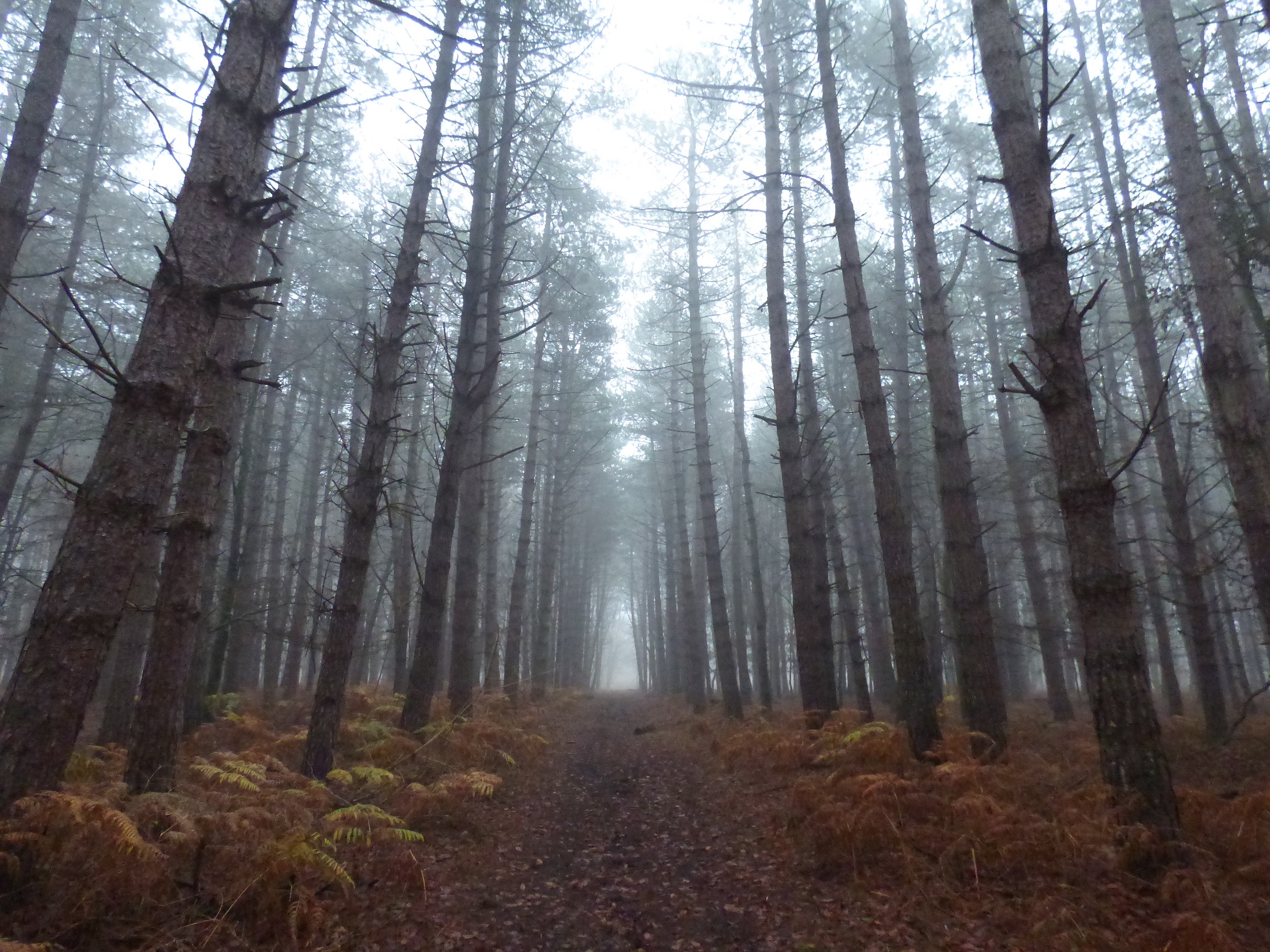
I’d like to take this opportunity to thank everyone who has walked down the forest path with me over this year. It’s been a difficult and trying year for so many, and I feel hope that so many have pulled together, lighting the darkness so that others can see, guiding them through the dark night of the soul.
This year, I’m no exception to the many who have slogged their way through personal pain. Physical illness and surgery, isolation and separation from family (and not knowing when I’ll be able to return to Canada to see them), and now a recent death in the family and more have all laid their burden upon my soul. But I take heart that the days will soon begin to lengthen, and find hope in the darkest of days. There is a long way to go for most of us, and the trials and tribulations of winter still lie ahead. But have courage, and remember the good moments, the times of joy and celebration, for they will come around again.
We must all accept personal responsibility for getting out of this pandemic. Stay safe, stay well, and look after your loved ones appropriately. I wish you all the best in the coming year, and I’ll be back here once again after a little time off during the holidays.
Blessings of the solstice season, to you all. xoxo
In this blog series , we will go through the runes as they are recorded in the Anglo-Saxon or Old English Rune Poem.
The fourth rune, Ōs has two different interpretations, yet which are linked. The first is that Ōs means god, or divinity, and usually Woden (Odin). The second is that Ōs means mouth, which again is related to Woden, who uses the breath of life and also the breath of inspiration. So it most likely that this rune relates to Woden directly, whichever way we look at it. Ōs is also known as Ansuz, which means a member of the gods’ family or tribe.[1] With the shape of the rune Ansuz, the ends of the branch do not turn upwards as they do with the Old English rune Ōs.
In the Anglo-Saxon or Old English Rune Poem, the verse reads:
Woden is the bringer of runes to humankind, who sacrificed himself on the tree for nine days and nine nights until, screaming, he took up the runes from the Well of Wyrd. This scream is again related to the mouth, breath and inspiration. It is all coming from the inside, to be expressed externally. As the god of frenzy and inspiration, this suits Woden very well. Woden also specialises in eloquence and poetry, let’s not forget.
Warriors and heroes were supposed to valiant in battle, but also eloquent afterwards. They had to know how to trade verses and come up with poetry, sometimes on the spot (though not while fighting!). This might relate to the hope and blessings aspect of the rune verse with regards to heroes, or perhaps that they will be remembered for their deeds after they have died with good words, poetry or song. Woden’s later incarnation as Odin in the Viking Age was both a boon and a bane to his chosen heroes, for he often betrayed them. And so, the blessings and hope we see in the rune poem make more sense in the remembrance of the hero, rather than a divine blessing or hope.
Albertsson states that Woden was much different for the Anglo Saxons as his later Viking counterpart was to his people: Woden was primarily the wise one connected to words and speech, the creator of spoken language, he who inspired the poets.[3] He ruled the wind, which included the breath that creates speech (æthem). This breath of life is also the final thing that we do upon death: we exhale for one last time, thus denoting Woden’s role in death as well as life. Thus, Ōs can also be seen as the rune of life and death, perhaps even rebirth.[4]
Ōs has a relation to the use of magic as well, as spoken words in charms were and still are very common. In the text, Hávamál, Odin claims to know galdor, to know how to use the words and spells against fire, sword edges, arrows, fetters and storms. He could also summon up the dead and speak to them to gain more knowledge.
In runic readings, Ōs means communication, inspiration, poetry and knowledge, usually of divine origin. If the querent is a devotee of Woden, it might have even more meanings. You can us Ōs magically to help increase eloquence, to find the inspiration to write that book or poem. Holding up the rune to your lips while concentrating on receiving inspiration can open up new pathways gifted by Woden. You can trace the rune on work surfaces and tools such as laptops, especially if you are a writer. And here’s hoping it brings wisdom, comfort, blessings and hope, even to the most stubborn writer’s block! Finally, you can use it to communicate with the dead, should you so wish, as this is one of the realms of Woden’s power.
[1] Pollington, S. Rudiments of Runelore, Anglo-Saxon Books, (2011), p.46
[2] Pollington, S. Rudiments of Runelore, Anglo-Saxon Books, (2011), p.46
[3] Albertsson, A. Wyrdworking: The Path of a Saxon Sorcerer, Llewellyn, (2011), p.186
[4] Wodening, S. Hammer of the Gods: Anglo-Saxon Paganism in Modern Times, Angleseaxisce Ealdriht, (2003), p. 185
Peeking behind the curtain – my behind-the-scenes video from “Beating the Winter Blues”! To see all my behind-the-scenes videos, join me on Patreon at: https://www.patreon.com/joannavanderhoeven
New prints now up for sale on my website! And free delivery for all print formats until 31 December 2020 on UK orders only (offer not applicable for deliveries outside the UK). This one is “Magical Forest” http://www.joannavanderhoeven.com/Photo-Prints.php

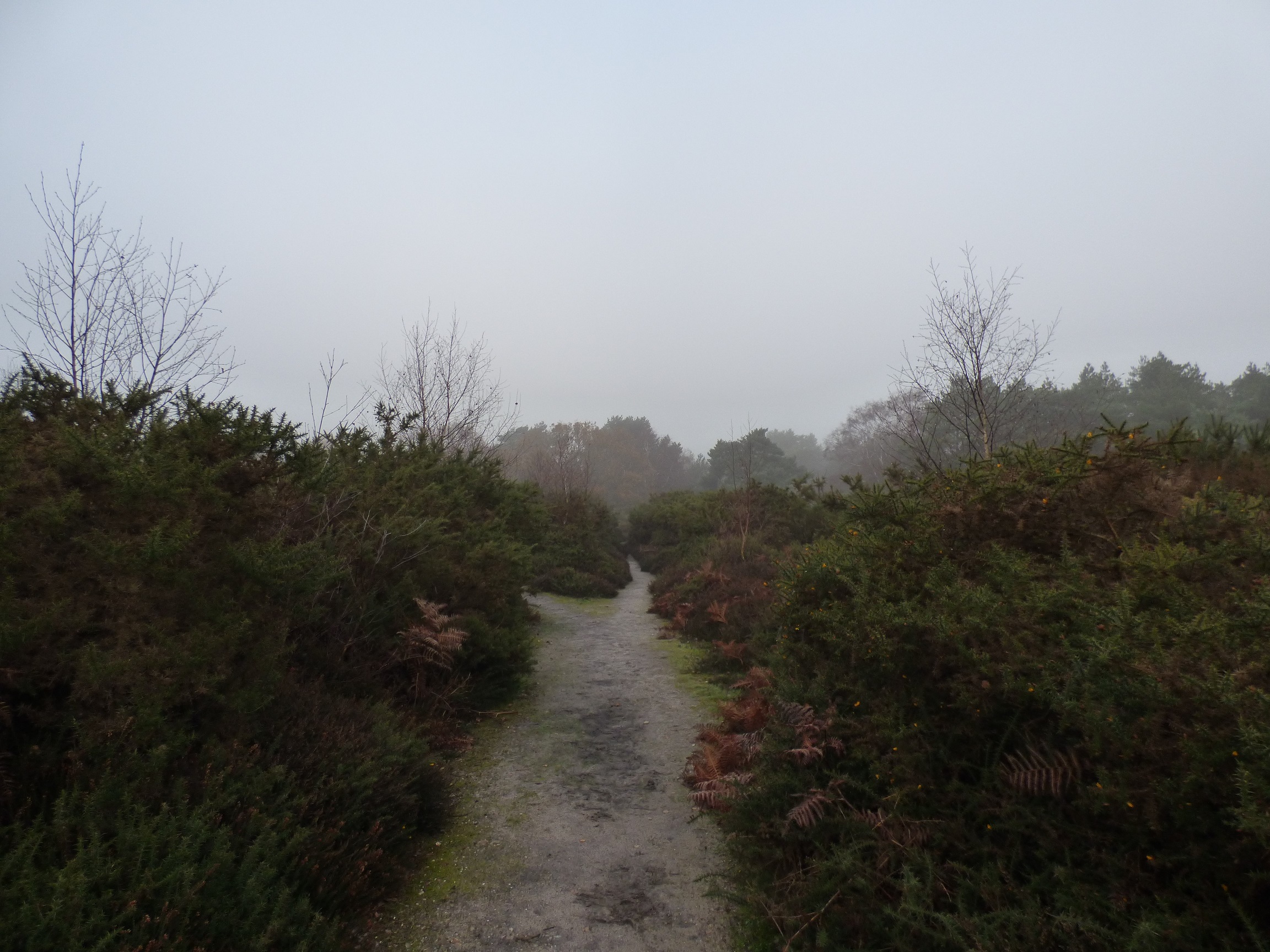
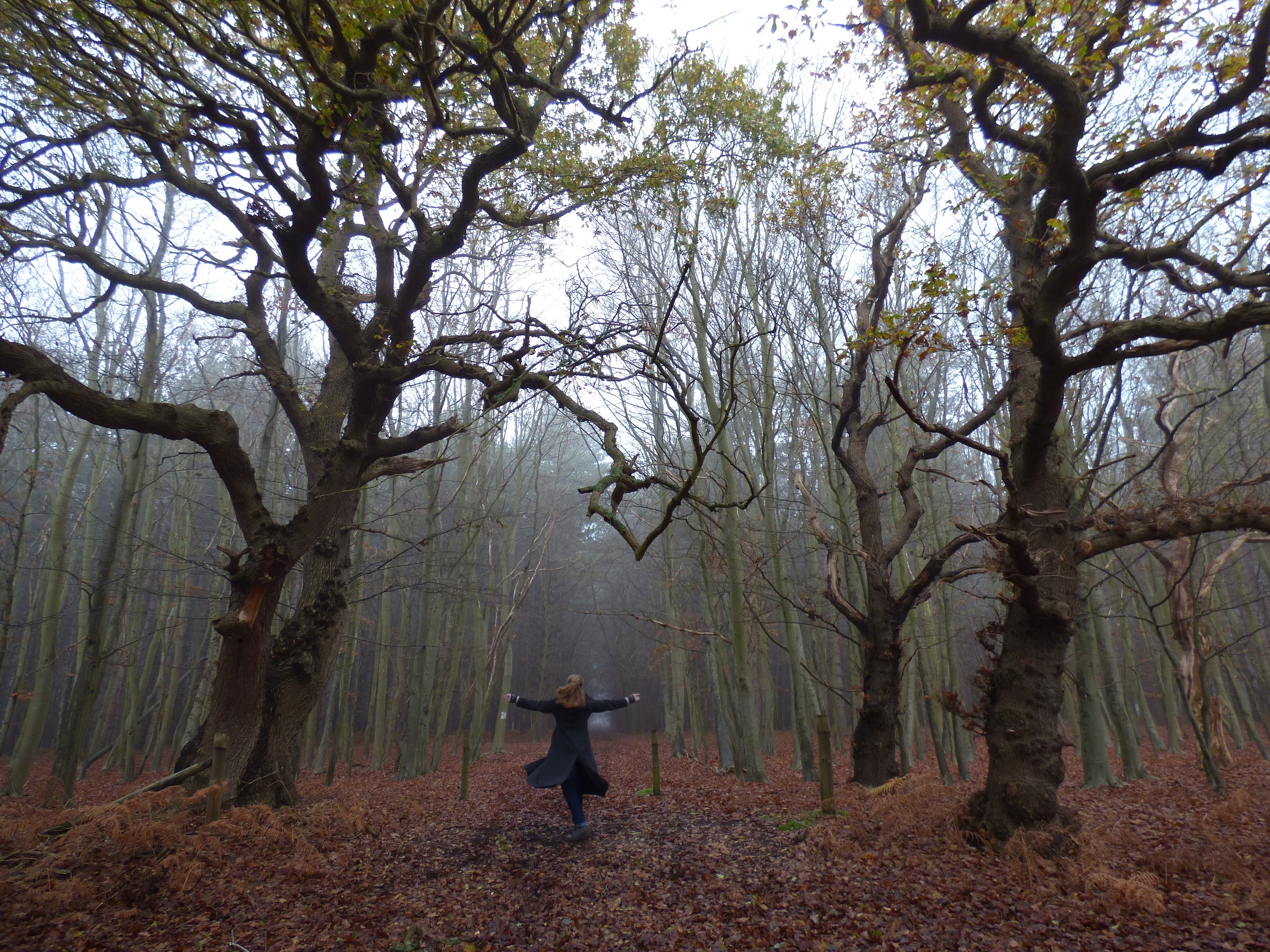
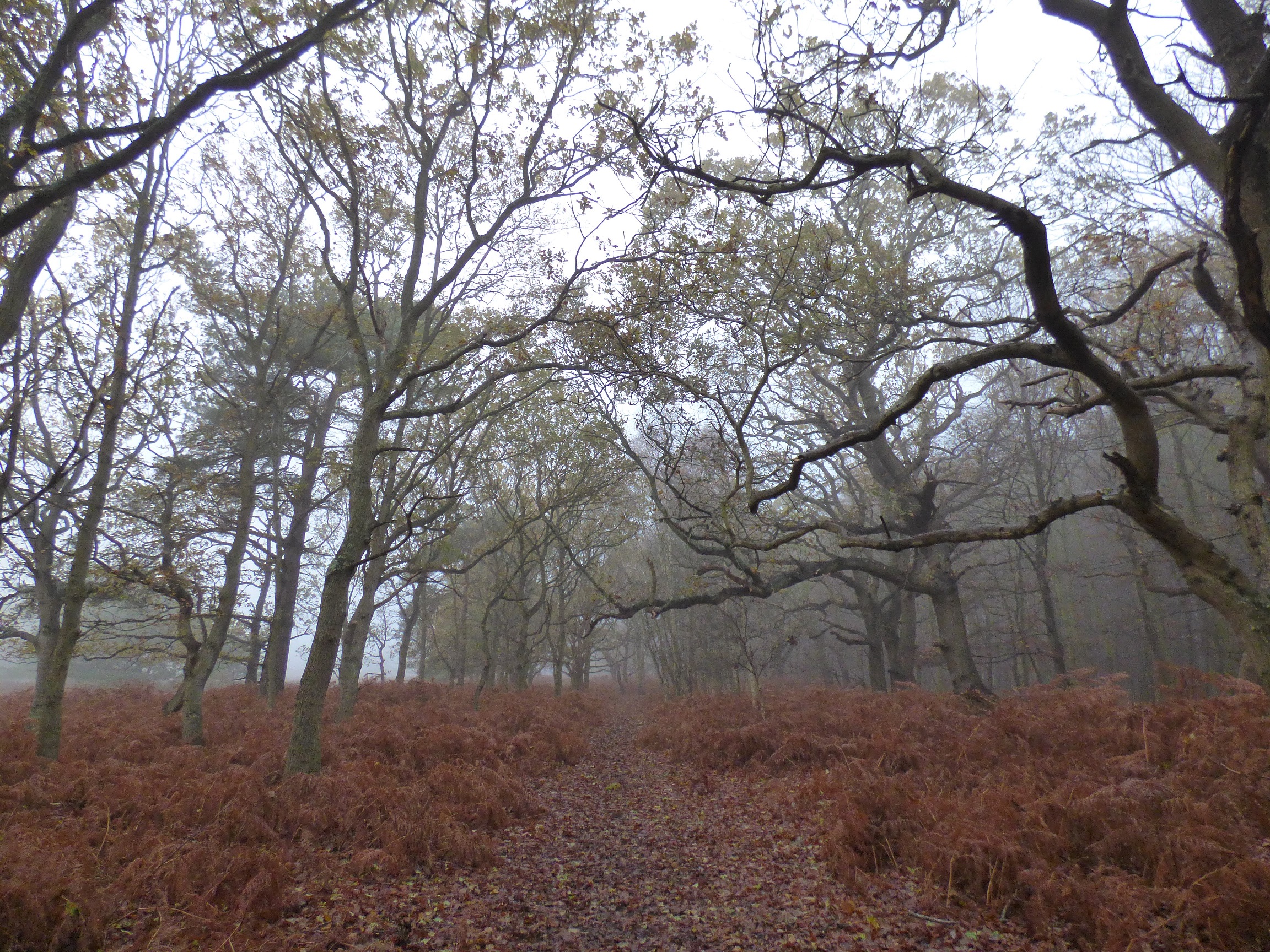
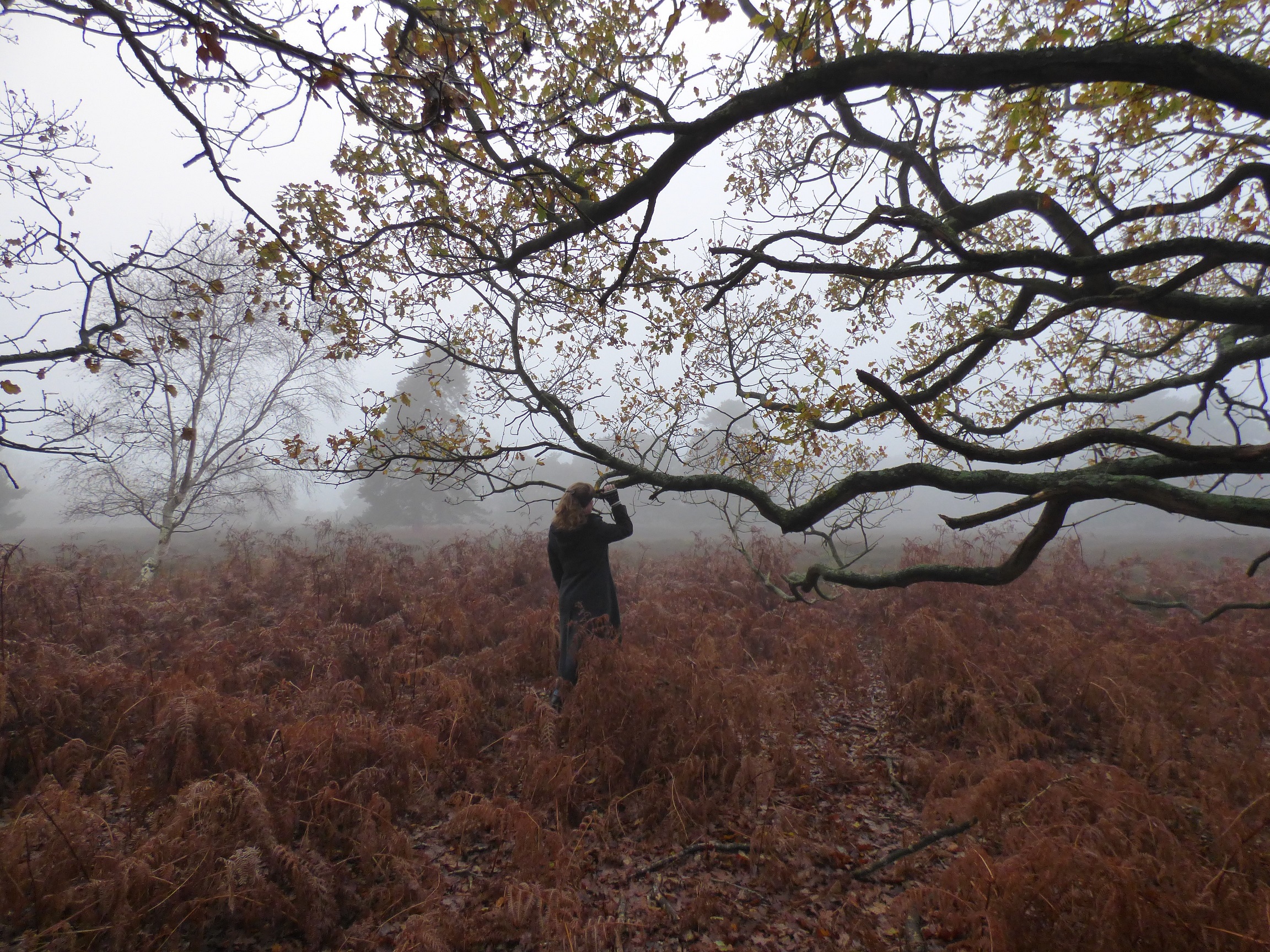


 Down the Forest Path