Touching the Earth

Imagine my delight when I read how practices I am currently doing in my Druid tradition are also being done by the venerable Zen monk Thich Nhat Hanh (you will notice quite a few blog posts dedicated to his teachings on this blog!). In his book The World We Have: A Buddhist Approach to Peace and Ecology  he provides some lovely daily practices (gathas) to honour the earth that we can fit into our everyday life. Some of these I was doing already in various forms, such as prayers before meals, washing hands/body, drinking water, etc, and some were new and equally poignant, to be incorporated in my daily practice. But what really struck a chord with me was the Five Earth Touchings that he described after the Earth gathas and how similar they were to my daily prayers.

He recommends to Touch the Earth each and every day, to establish our deep and abiding connection with the earth and to give thanks for all that we have, reminding ourselves of who we are, where we came from, our ancestors of the future and living a life filled with compassion and peace.

He states “The practice of Touching the Earth is to return to the Earth, to our roots, to our ancestors, and to recognize that we are not alone but connected to a whole stream of spiritual and blood ancestors. We are their continuation and with them, will continue into the future generations. We touch the earth to let go of the idea that we are separate and to remind us that we are the Earth and part of Life.

When we touch the Earth we become small, with the humility and simplicity of a young child. When we touch the Earth we become great, like an ancient tree sending her roots deep into the earth, drinking from the source of all waters. When we touch the Earth, we breathe in all the strength and stability of the Earth, and breathe out our suffering- our feelings of anger, hatred, fear, inadequacy and grief.

Our hands join to form a lotus bud and we gently lower ourselves to the ground so that all four limbs and our forehead are resting comfortably on the floor. While we are Touching the Earth we turn our palms face up, showing our openness to the three jewels, the Buddha, the Dharma (the teachings of the Buddha), and the Sangha (the community). After one or two times practicing Touching the Earth (Three Touchings or Five Touchings), we can already release a lot of our suffering and feeling of alienation and reconcile with our ancestors, parents, children, or friends.”

The first Earth Touching is “In gratitude, I bow to all generations of ancestors in my blood family.” Here we honour our blood ties, the stories that brought us to where we are today, the generations of love and suffering in our bloodlines that help to create our story today. By opening ourselves to our ancestors we acknowledge all this, and can ask for their protection, love and support. In Druidry, we honour the ancestors, and in my own tradition I state “I honour the ancestors of blood, whose stories flow through my veins”.

The second Earth Touching is “In gratitude, I bow to all generations of ancestors in my spiritual family.” Here we honour the teachers who have shared their wisdom and insight, throughout the years, whether we have known them personally or not. We can see ourselves in these people. These are the people who can help us to transform our suffering and bring about peace, both in our own hearts and in the world. In my own tradition, I state “I honour the ancestors of tradition, whose wisdom flows through the teachings.”

The third Earth Touching is “In gratitude, I bow to this land and all of the ancestors who made it available.” Here we honour the spirits and/or ancestors of place, who have made this world that we live in. They are in the soil and wind, all those who have lived and died and now exist in another form. It is the energy of the land upon which we live, that we can feel humming in our bones, if we only open ourselves to listen. In my tradition, I state “I honour the ancestors of place, whose songs flow through this land”.

The fourth Earth Touching is “In gratitude and compassion, I bow down and transmit my energy to those I love.” Here we share the wisdom and insight gained from our practice and spread that out to all our loved ones in a form of prayer. The energy we have received from the earth is given freely, and so we too give freely to those we love. We can ask our ancestors for their protection and aid in this matter. In my tradition, I state “May there be peace in the hearts and minds of all those I hold dear, my family, friends and loved ones.”

The fifth Earth Touching is “In understanding and compassion, I bow down to reconcile myself with all those who have made me suffer.” Here we learn that the earth gives of her energy without discrimination or prejudice, and we can learn to live magnanimously in all that we do. We understand that people who cause us to suffer do so through their own wrong perceptions, and we pray that they find a way to relieve their suffering. We work towards not holding any anger or hatred towards these people, instead trying to understand in order to better work in the world. Again, we can ask our ancestors for help in this matter. In my tradition, I state “May peace be in the hearts and minds of those who cause me and others around them to suffer, may they know loving kindness.

The similarities between what I currently do as a Zen-minded Druid and these Buddhist practices absolutely delight me, and could to transform much of the world’s suffering if done with mindfulness and loving kindness. Try to take some time each day to recite the Earth Touchings above, or something similar – it could change your life, or at the very least ease some of the suffering and provide a path to peace that is yours and yours alone to walk.


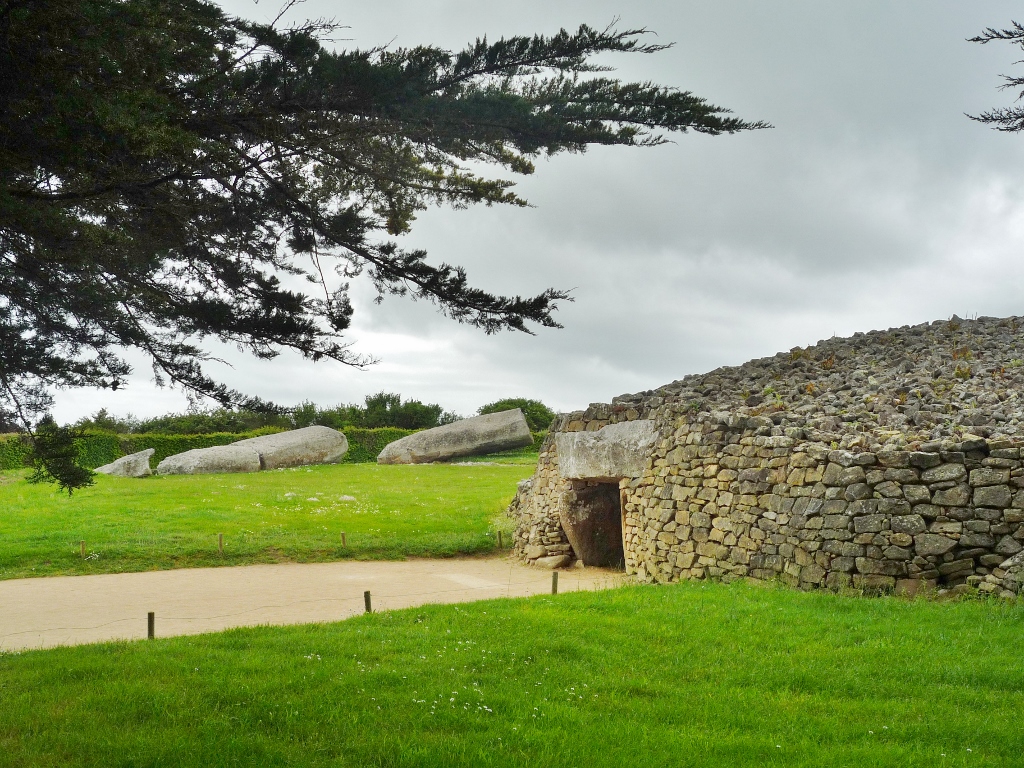
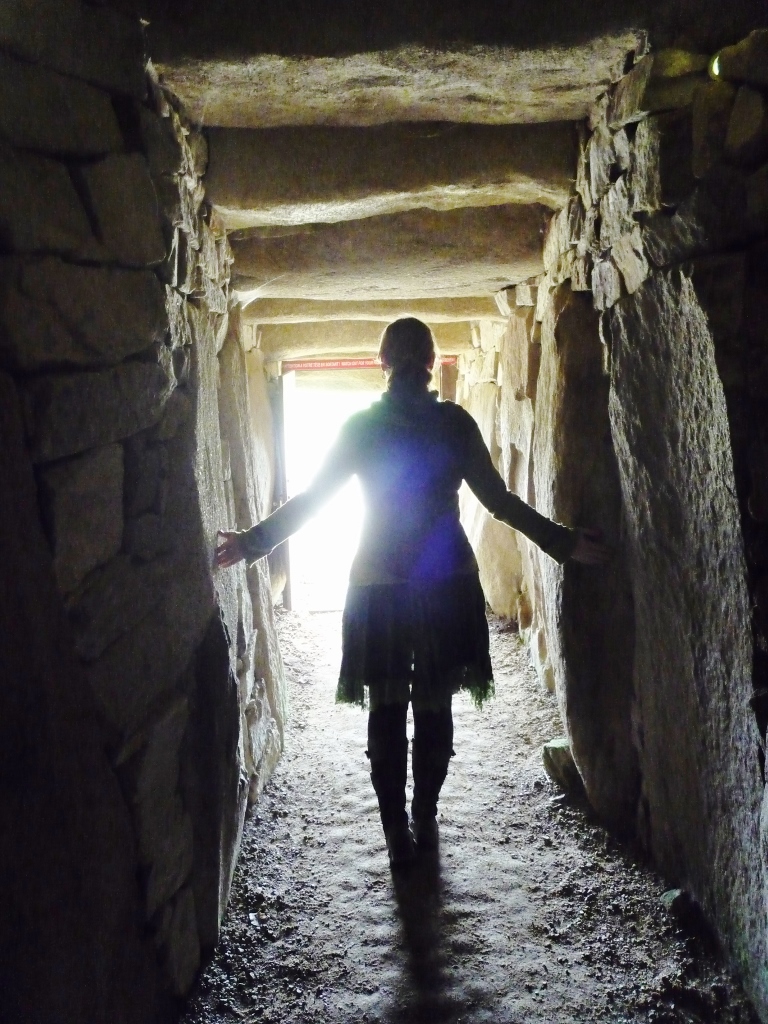
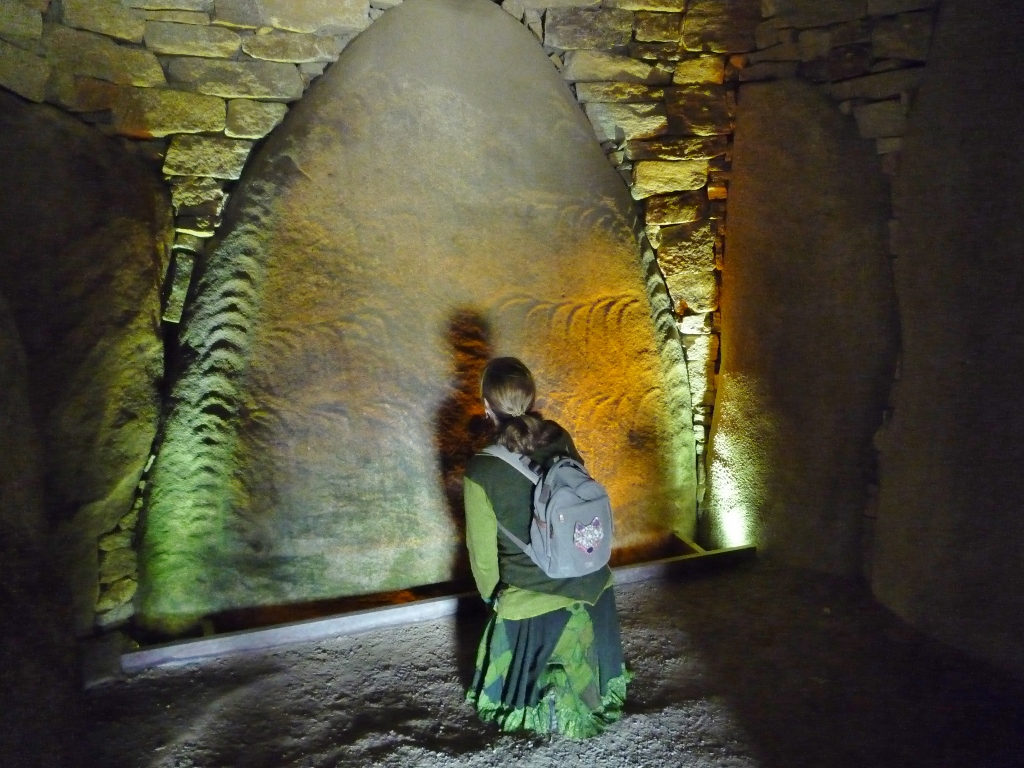
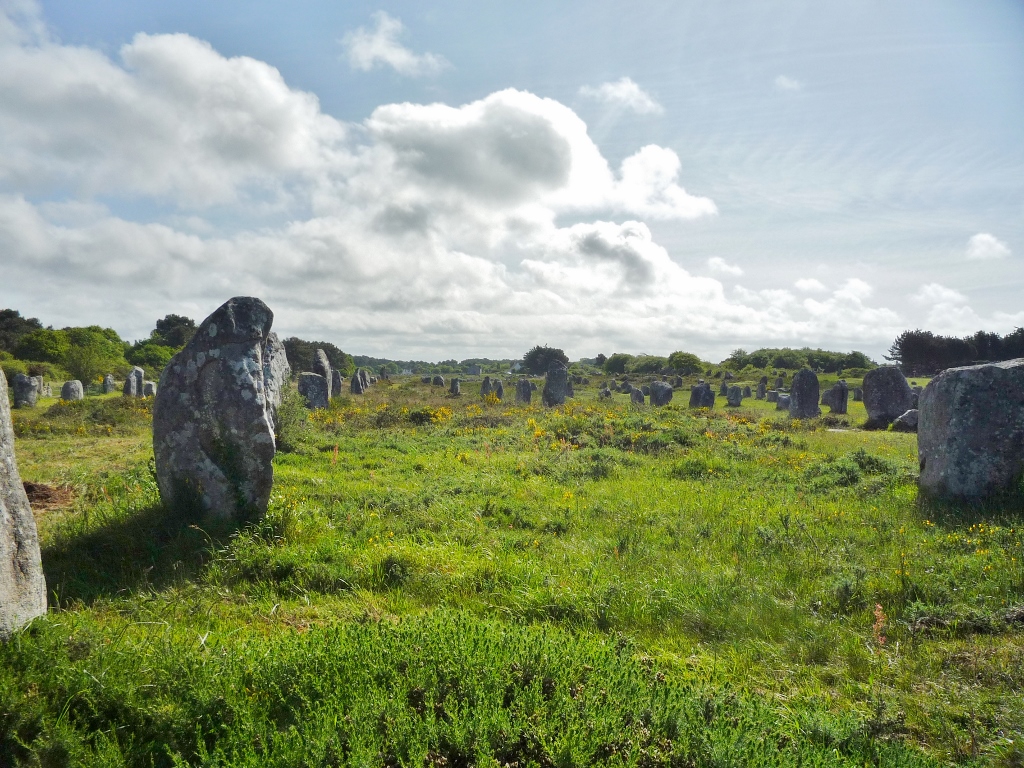
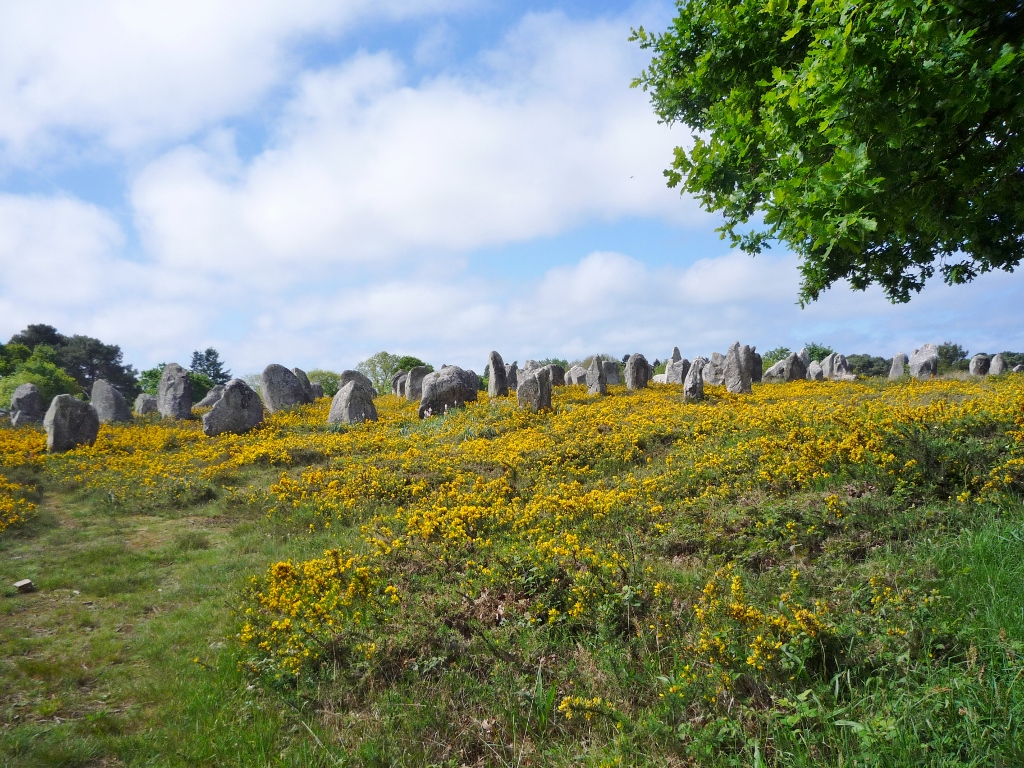
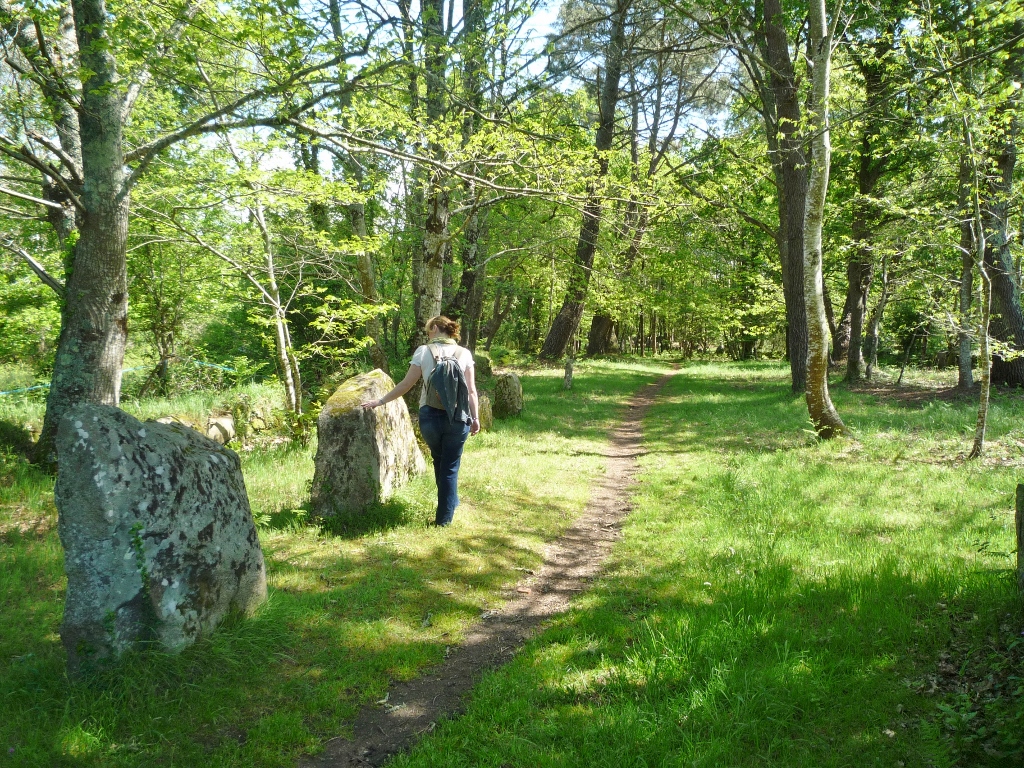
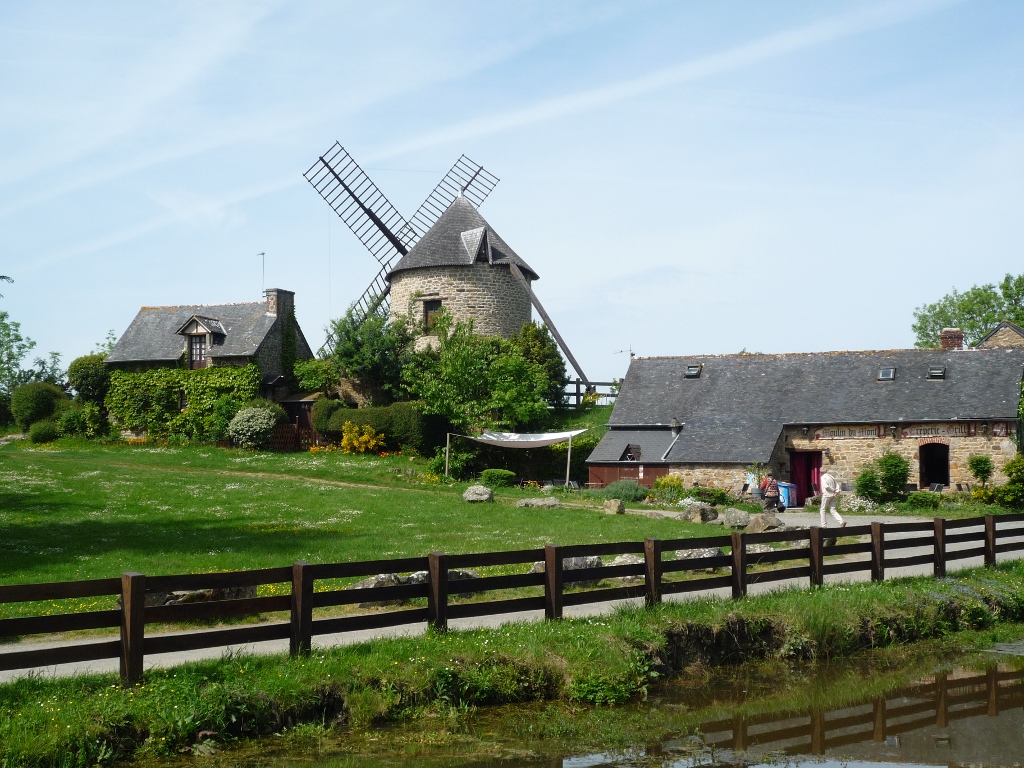
Brittany – Megalithicomania!

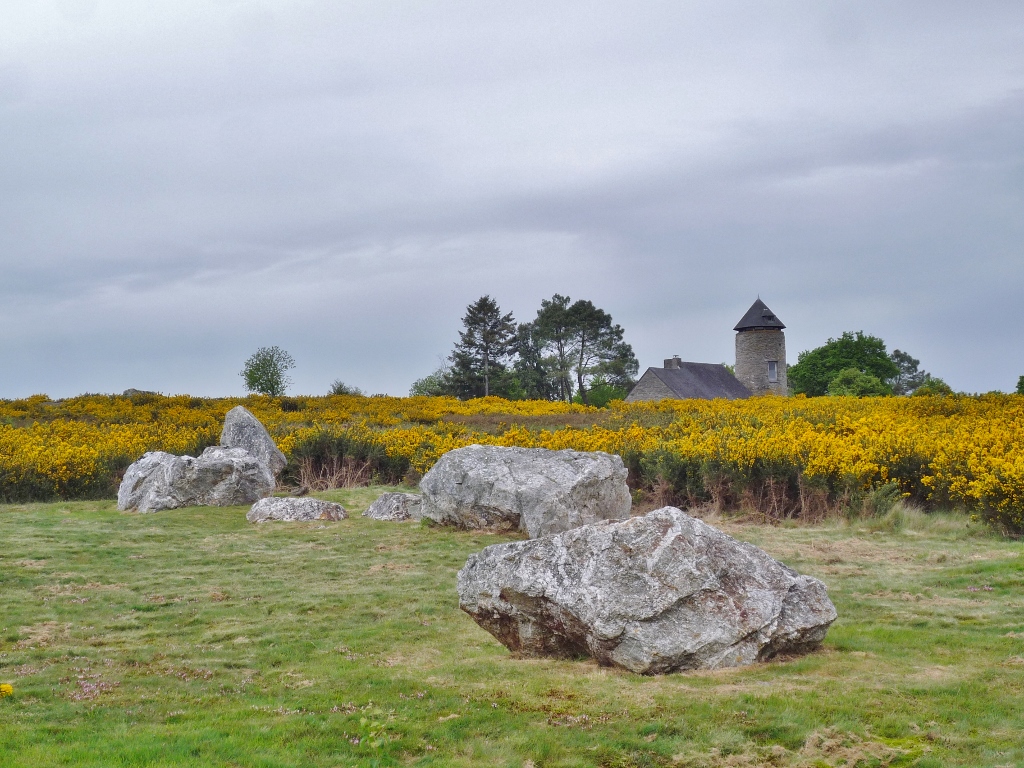
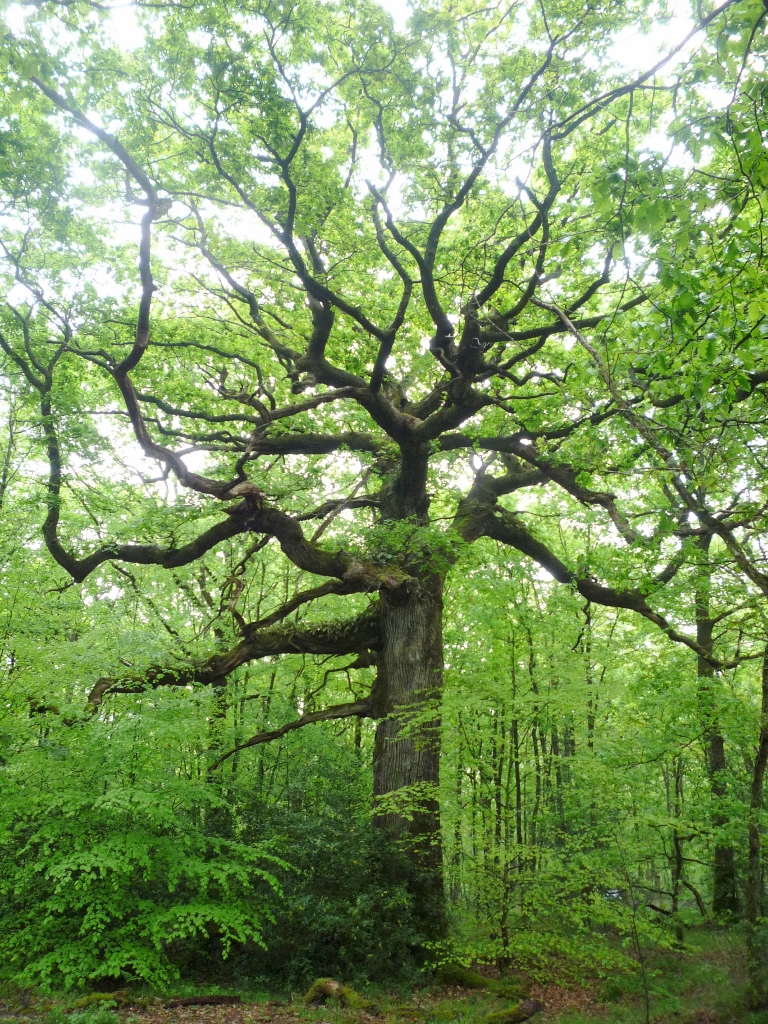
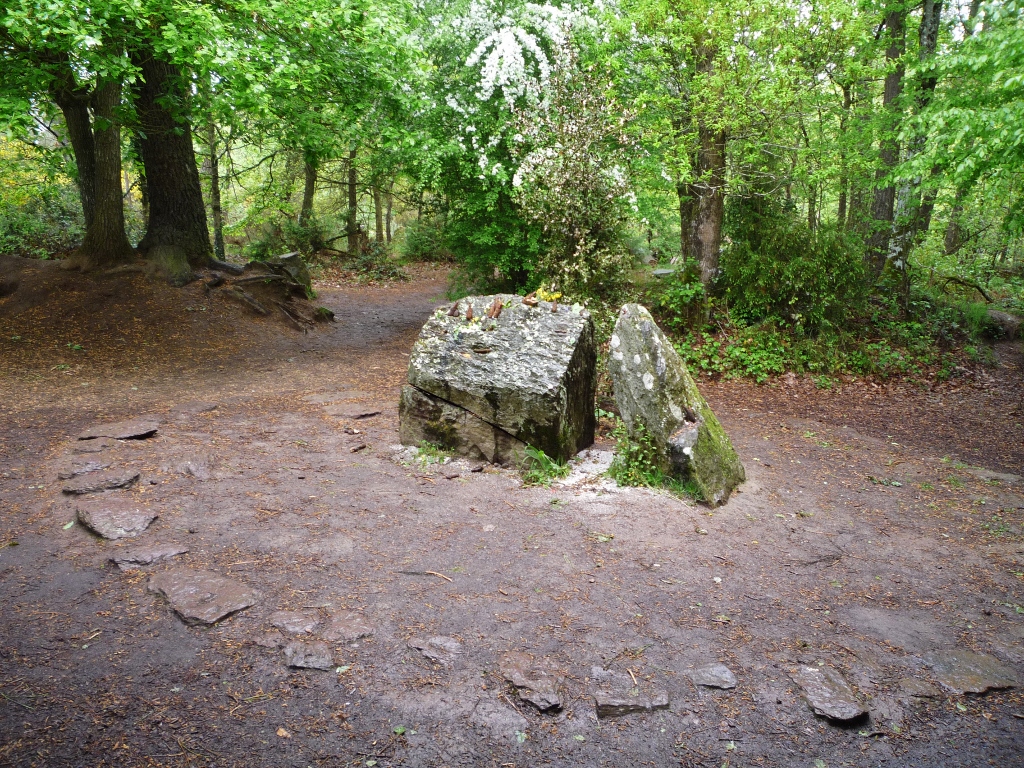
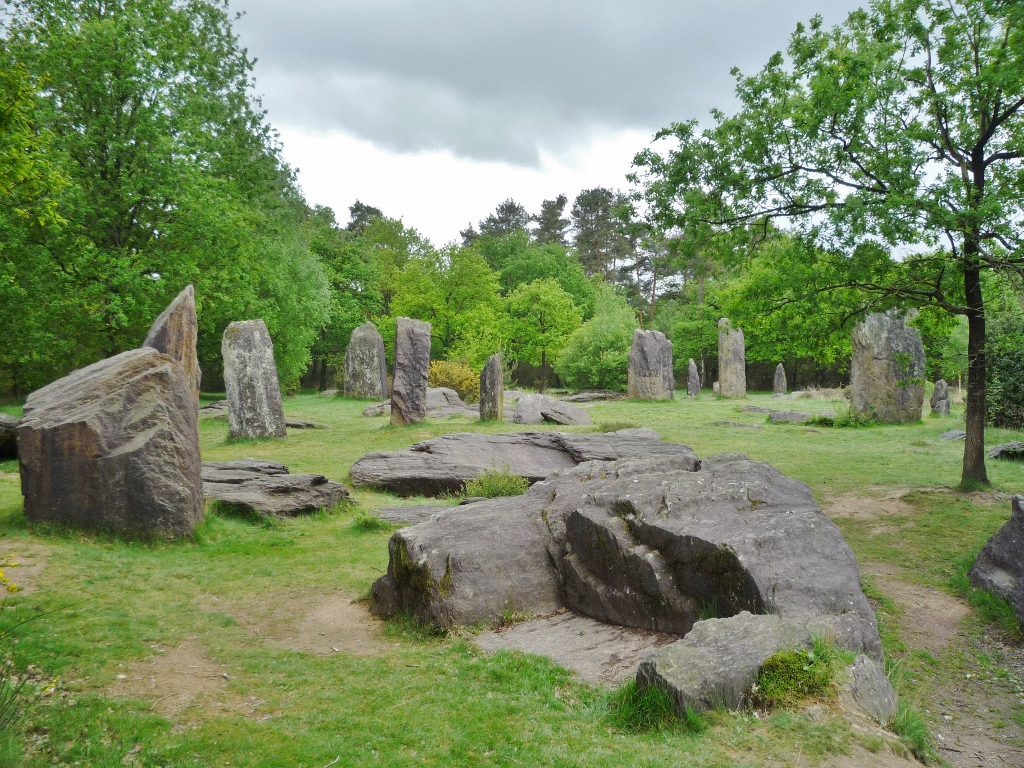
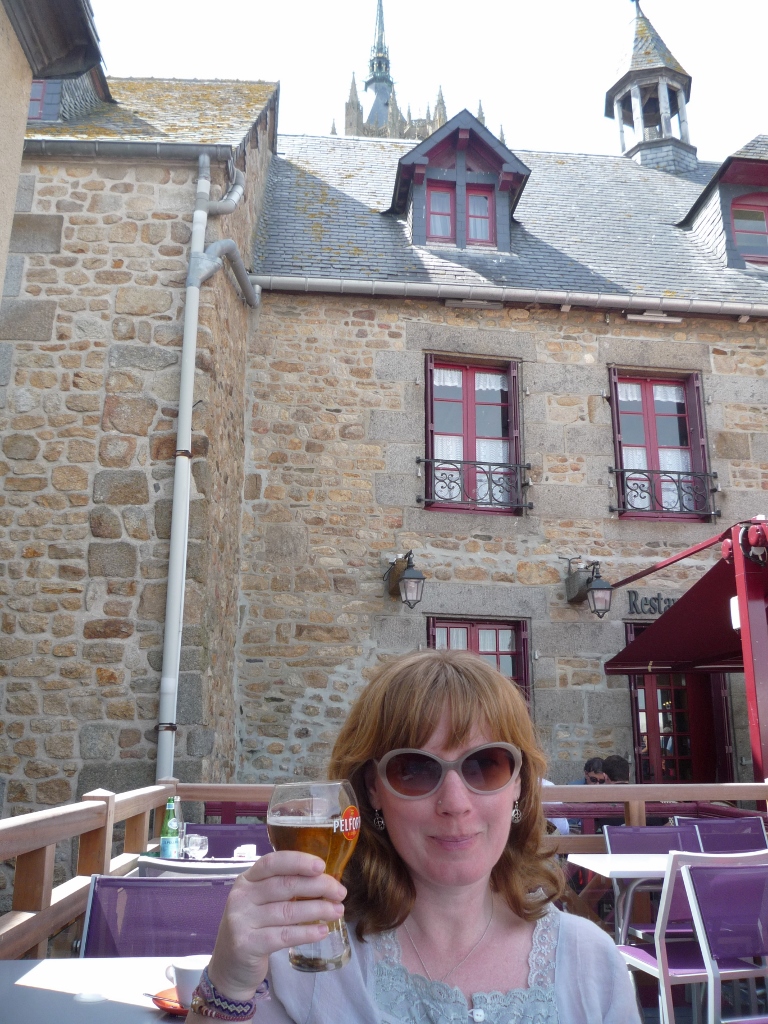
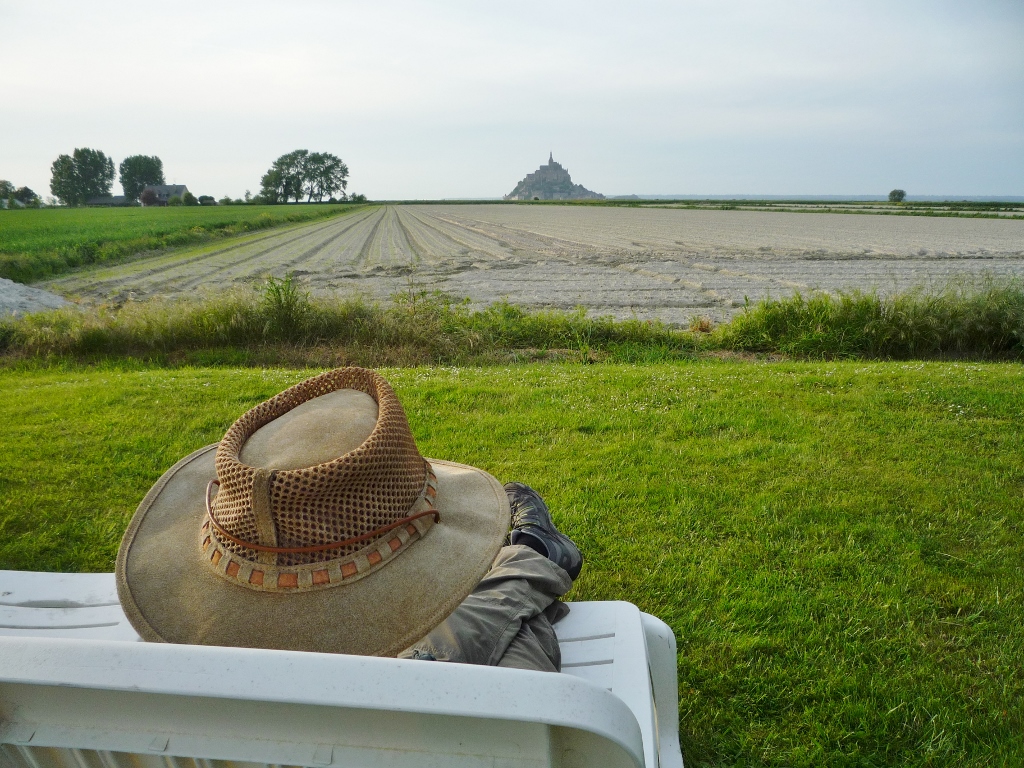
So, so many ancient and sacred sites. So much lush and wondrous forest, and stunning coastline.  So much good food and drink.  If you ever have the chance to visit France, go to Brittany!

P1070400 (1024x768) P1070414 (1024x941) P1070423 (1024x768) P1070443 (1024x768) P1070457 (768x1024) P1070463 (1024x768) P1070473 (1024x768) P1070476 (1024x768) P1070493 (1024x768) P1070497 (768x1024) P1070499 (1024x768) P1070500 (1024x579) P1070510 (1024x768) P1070519 (1024x768) P1070526 (1024x768) P1070538 (1024x768) P1070550 (1024x529) P1070558 (1024x768) P1070562 (1024x768) P1070574 (1024x768) P1070594 (1024x768) P1070618 (768x1024) P1070623 (1024x768)

The Novice

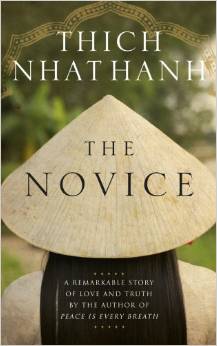
noviceWhilst on holiday in Brittany the past week (blog and photos to come!) I read Zen monk Thich Nhat Hanh’s novel, The Novice. It is his first novel, that tells the story of a young woman who has become a legend in Vietnam for paving the way for women to be nuns in the Buddhist tradition. It’s a short book, eloquently written and filled with wisdom throughout.

Kinh Tam is a beautiful young woman who has always felt a calling for deep learning through Buddhist enlightenment. As there were no temples for nuns at the time, she felt that her only option was to do what women did back then – marry and have children. However, her marriage failed as her in-laws falsely accused her of trying to kill her husband one night. Kinh Tam goes back home then, cuts off her hair and disguises herself as a boy, wandering for five days until she comes to a temple where she asks to be taken in as a novice.

She shows an aptitude unlike any other monk in her devotion to the Zen Buddhist teachings and carrying them out. She lives the perfections of generosity, mindfulness, magnanimity, diligence, patience and insight. She has already been through much, after the false accusations of attempted murder, and yet she holds true to her path, holding no malice to those who have wronged her through their own false perceptions.

A young noblewoman who visits the temple falls in love with the young “boy” monk, seeing in him such beauty that only an open-heart can radiate. Kinh Tam avoids her, with as much compassion as possible, as her secret cannot be found out else she faces expulsion. After Kinh Tam turns down the noblewoman’s request for a private meeting, the noblewoman woman becomes enraged, filled with her own anger and wounded pride, accusing the young novice of impregnating her when it was really a servant boy from her household whom she took to bed in anger and despair of not being able to sway the young novice from his devoted path.

Kinh Tam faces the dilemma of choice: tell everyone that it’s not possible, as she is a woman, or face beatings for her “transgressions”. Her love for her path is so strong that it sees her through the beatings, and yet again she never holds any malice towards the young woman (Mau), those who believe her false accusations and even those who beat her. She knows it is only their wrong perception of her that makes them act as they do, and the strength of loving kindness overcomes all the pain she endures.

Kinh Tam goes through further hardships, yet always with the endurance of a loving heart and the deep well of forgiveness. I won’t tell you the ending, but I was in tears as I read it – it was just so beautiful.

Kinh Tam’s story is one that can help anyone going through a rough time. It doesn’t matter what it is that you are enduring, whether it is being shot at, beaten, false accusations or someone trying to undermine you and your work – the open heart of compassion and seeing the unity of all things is stronger than any of these. Anyone can relate to Kinh Tam’s story. As a woman, I felt a deep bond with her struggles and an empathy for her trials and tribulations. I felt deeply the tug of sadness as one woman falsely accuses another (albeit unknowingly regarding the disguised gender, yet with an intended malice in any event). As a practitioner of Zen I found deep wisdom in the teachings that lay like little stars filled with light across the pages, twinkling with their insight into living a life of less suffering. We all suffer, for various reasons, but we can lessen that suffering through the open heart of compassion. Those who try to hurt us, physically, emotionally, intellectually, who undermine our person and our work, who tell lies and allow their pride, anger and other emotions to overwhelm their reason and the ability to see clearly the heart of the matter – these are things we all go through at some point in our lives. Whether it is through war, office/work politics or family issues, the cause is the same: wrong perceptions. Because they have a wrong perception of us, they act out, lash out, are ruled by the monkeys riding on their backs.

Yet we don’t have retaliate like for like. We can see their suffering, and still send them our love and compassion, even from afar. Because they perhaps have not seen that there is another option, they have no way out. Living through our actions, of opening our eyes to all possibilities and the reality of the present moment we can hopefully provide an example for a peaceful way of life that benefits the whole. We can forgive these misjudgements from others, as they are easily created. Through diligence we can work to dissolve these false perceptions within ourselves, through meditation, deep insight and the other teachings of Zen Buddhism.

I always doubted whether humans were truly capable of forgiveness. When explained through the words and story told by Thich Nhat Hanh, it makes so much more sense; it is so easy. There are three appendices to the story, one describing further the legend of Kinh Tam, the second describing the legacy of Kinh Tam by Sister Chan Khong of Plum Village monastery, and Thich Nhat Hanh’s own addendum about practicing love. These appendices are just as important as the story itself, for it shows “Engaged Buddhism” in action as Sister Chan Khong and Thich Nhat Hanh both relate how the practice of compassion helped them through the suffering of the Vietnam war, exile and more. We see first-hand how the Zen Buddhist precepts are put into practice, actually lived out in the lives of those who worked in the DMZ, offering wisdom and deep insight into how suffering is different for each individual and yet can be overcome when held in the arms of compassion.

In the UK, you can buy this wonderful little book from as little as £1.04 second-hand; do try to read it if you are at all interested in Zen Buddhism, mindfulness, compassion or loving kindness. If you feel you are suffering in any shape or form, this book might be able to help you find the way to transforming suffering into something that instead brings peace and harmony to your world, and thereby to the world at large.

May we be peace. x


Gypsy Dreams celebrating May Day

Here is our dance troupe, Gypsy Dreams, performing at the May Day celebrations last weekend in Mendlesham, Suffolk. It’s a mix of improv dances and choreographed dances. Blessed Beltane everyone!

Reblog: Bless the Water Thrice by Alison Leigh Lilly

A brilliant blog post by Alison Leigh Lilly 🙂

In the days of the ancient Celts, a devotee might have honored the gods of her people with a votive object — a torc, a piece of intricately-wrought jewelry, a small statue of a god or goddess, a bent silver coin — given in offering to the clear-running waters of a river or wellspring, or deposited in the murky waters of a marsh at a dedicated sacred site. In the same way, a warrior might have offered up his sword or shield, ritually broken to render it useless or perhaps forged specially to be a sacrifice, never to be used in battle.

But those days are gone.Blessing the Waters, An Environmentally-Safe Method for Making Offerings, by Alison Leigh Lilly  Read more HERE

1,000 Oceans

Another beautiful song that spoke to me many, many years ago and still makes me weep.  Let the earth heal you, let Her into your heart, free Her and yourselves from the cages we constantly build.  Love the Earth, love yourself, love each other.  Let love rule.

The Golden Seed

Golden Seed

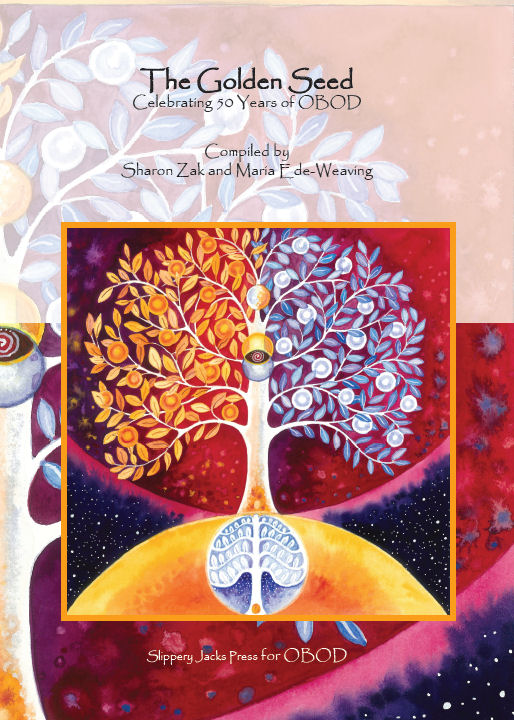
Check out the Order of Bards Ovates and Druids (OBOD)​’s book celebrating the 50th anniversary of the Order! I was honoured to be interviewed by Philip Carr-Gomm for this very special weekend, and was delighted to be a part of it all. You can buy The Golden Seed from OBOD’s online store now! Click HERE for more details.

Healing Happens All Around

Just beautiful. Recorded in Plum Village Monastery (set up by Thich Nhat Hanh) by Tabea with the loving support of Sister True Vow.

Reblog: Beltane and the Sensual

Here is a reblog link to my latest post at SageWoman on DruidHeart …

bjorkSensuality – what a lovely word. It rolls off the tongue – you have to say it slowly, it really doesn’t work otherwise. Like dripping honey. Sweet molasses. A cat’s stretch. It needs time, awareness, mindfulness.

Sensuality is often misinterpreted as relating solely to the sexual experience. What we need to do is bring the sensual back into our everyday lives, seeing how it relates to the whole experience rather than just a sexual one. Sensual – input from the senses. There are so many other senses that are pretty much asleep for most of our day. Sometimes there are very good reasons – we couldn’t really function if all our senses were firing on full all at the same time. But reawakening them, especially at this time of year, and working with them intentionally can help us to rediscover our world through our bodies, rather than just living in our heads.

All too often we experience life only through our minds, leaving our bodies out. Mind and body are intertwined, and both need input, both need nourishment in order to function properly. When we get too caught up in thinking, our bodies are often neglected. When we are too wrapped up in the physical, our intellect or even spiritual attributes can suffer. Finding a holistic balance is key.

I know far too many people living in their heads. They suffer greatly, because they cannot escape their own mindtraps.  To alleviate that suffering, we need to reawaken the sensual.

So what is the sensual? Essentially, it is working with the senses…

To read more, click HERE.


The naked form

Beltane is fast approaching – the house martins are back, the bluebells are coming out, the earth underfoot is soft and the air is turning warmer. Many thoughts are turning to the coming summer, the long days, the short nights, the summer clothes, or lack thereof. I’ve heard it said that Beltane arrives when it is warm enough to make love outside without freezing your bits off, alongside the usual ‘when the hawthorn blooms’. But I do wonder, with a smile – is it ever the season in Britain to have your clothes off?

Don’t get me wrong – I love being naked. Without the restriction of clothing, the body moving freely, feeling the air upon your skin, swimming naked; all these are pure bliss. What’s not so lovely about being naked outdoors is sunburn, or bug bites, sitting on thistles or treading around nettles, etc. We humans (sadly, in my opinion) have evolved without all that much fur to protect us from the elements.

On the rare days that it is warm enough here in Britain to get outside naked, you’re more than likely to get sunburn, especially if you’re fair like I am. I’m not a big fan of slathering sunscreen all over my body (I don’t like the feeling of the lotion). I’d rather wear some lightweight clothing to protect my bits from the sun, wearing sunscreen on any exposed bits. That way, it also doesn’t interfere with any insect repellent that I might be wearing – I love lavender, as well as citronella, as they are brilliant at keeping away the mozzies and the midges. However, they can react with your sunscreen, making it less effective, so I try not to combine the two on my skin. So, if you’re not being burned or bitten, it’s probably cold and wet and rainy, which is nice, for a while being outside and naked in, but for a sustained length of time leaving you shivering and probably not terribly healthy in the end.

There are also other considerations to bear in mind when being outdoors and naked – will others see you? It’s still illegal in this country, unless you’re in a designated naturist resort or camp. I’ve spent many summer days at nudist beaches and hot springs, revelling in the lovely feeling of freedom of being naked (bugs are less of an issue on the beach and around the hotsprings, though sunscreen is a constant pain). These are places where people know that they will be seeing other naked people – it’s not a surprise or a shock when they come across the naked human form. We have to consider other people’s issues as well as our own when we are exploring nudity – we can’t just think of ourselves in this regard. How would I feel if my nudity made someone feel uncomfortable? While it’s good to challenge people’s perceptions every now and then, pushing them into uncomfortable situations isn’t all that respectful. Think of the young girl who has been sexually abused by her stepfather, and confronted suddenly with a naked male stranger during ritual or at a pagan camp – that’s not a situation that is taking into consideration her story, her feelings on the matter. Working with compassion means we have to try to understand everyone’s story, even as we are telling our own, and realising that others’ stories matter, even if we haven’t heard them. If we are in a designated area where we know there will be nudity, and where everyone is in the same mindset, then we can be more respectful to the thoughts and feelings of others, whatever their situation.

It’s a great and liberating thing to do, to explore nudity outdoors, getting in touch with your body, spending some time around other naked bodies without a sexual agenda. However, I would say that there is a time and place for this, in order to respect other people’s feelings (and the law). My last trip to Avebury in March saw a couple just on the other side of the bank pleasuring each other in a field – a beautiful affirmation of their feelings, yes, but not entirely appropriate perhaps when walking around with a three-year old. And speaking of sexual agendas, making love in the forest, while perhaps being illegal (indecent exposure) can be a beautiful expression of our souls connecting not only with each other, but the earth itself (though do be prepared for possible bug bites in embarrassing places – or massage each other first with a lavender massage oil!). It all comes down to respect – will you be disturbing anyone? If so, I’m sure that there are other equally fine alternatives.

It all comes down to respect – respect for yourself, for others and for the land. May you find blessed freedom and comfort in your own body!