New Year, New You?

New Year, New You?

It seems like almost every other magazine or online article in January starts with this title, doesn’t it? And just what does it mean? Can there be a new you? What is it that makes the sudden change from the old to the new, when it is only a calendar day apart? What magic is this?

There are many different new year’s traditions from all over the world, celebrated at different times of the year. Here is the western part of the world however, it is the 31st December and the 1st January where the shift happens, where things start afresh, where we have tabla rasa, a clean slate. Or so many would like to think.

Now, I’m not going to poo poo anyone who wants to make a change. Change is great! It means we are developing into our best selves, our truest selves, into forces that make positive change and impact upon our world in whatever way we can. In our secular society we have a whole ritual set up on new year’s eve to achieve this, so why not take advantage of it? When the clock strikes midnight we begin the year anew often with resolutions to better ourselves and in doing so, better the world, for change can only start from within.

It’s wonderful to have this ritual. But can there really be a new you? Or are we working with what is already there, what lies deep within that is buried beneath the weight of years, circumstances, emotional upheavals and general life experience? We often confuse what is new with what is pure, unblemished, something that is perfect in and of itself. But that purity simply does not exist. Nature is compounded, biodiverse imperfect and just plain messy, but it is still wonderful. There is no such thing as purity in nature. We are all made up of different things, originally from star-stuff and beyond. We are all intertwined, and cannot be separated into distinct categories for the sake of purity. If you love and adhere to the cycles of nature, you know that there is no such thing as purity, and that it is a human construct.
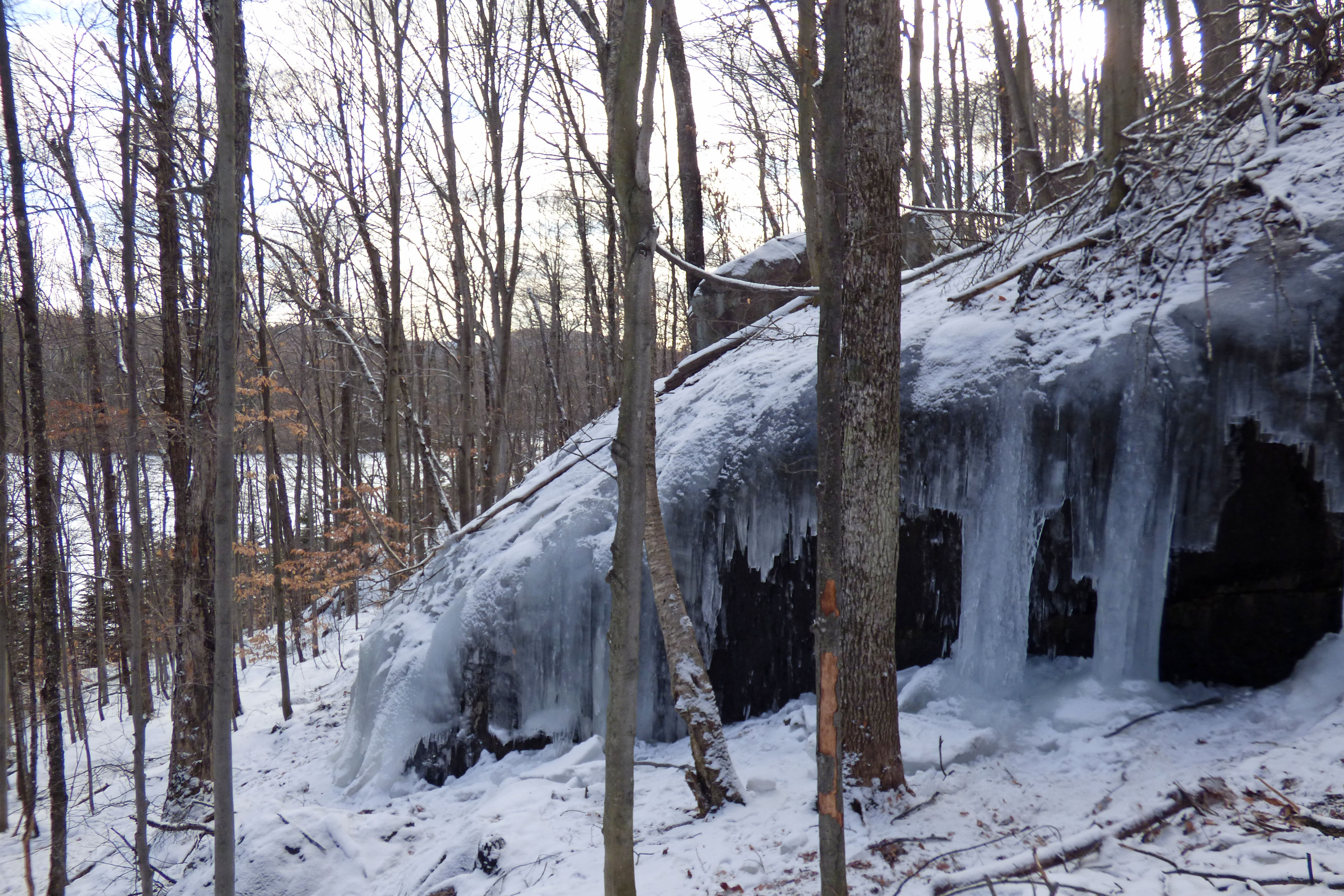
Instead of looking for purity, perhaps we should seek out authenticity instead. Our true selves, who we are and who we are meant to be are both one and the same. It’s all there, waiting for us to discover it. When we do this it might feel new, but it really has been something that has lain within us all along.

Many resolutions in the new year relate to happiness and health. These are wonderful goals to strive for and achieve in your daily life. But they have been there all along, in some fashion. It’s not a new you that you are discovering, but rather shifting your perspective and strengthening your resolve to notice and make the changes necessary for that to happen, rather than finding terra incognita.

The magic has always been within, and is not dependent on a calendar date.

That being said, it’s good to have these rituals, for they remind us to do the thing instead of letting our lives roll past without acknowledgement or change. I’m all for rituals, I have many in my life as many of you know from my body of work. And at the beginning of each year, we are given leave by secular society to make new rituals in order to become better people, so who am I to argue this?

This year I’ve committed to two things: to get into better shape and to be more compassionate, especially to those in my inner circle. I’ve let my physical ability slide a bit in the past year, which usually occurs when I’m in a writing year cycle, and spend way too much time at my keyboard typing away. I’ve also noticed that some of this time has been spent on social media when it could have been better spent elsewhere, and so along with getting in better shape and being more compassionate, I’m spending less time on social media too. Over the winter holidays while I spent time with my family in Canada I did not do social media at all for nearly three weeks, which I found amazing and liberating. The constant barrage of other stories, not to mention advertising, was really starting to wear me down, and so I needed to create a space of silence where I could hear myself again.
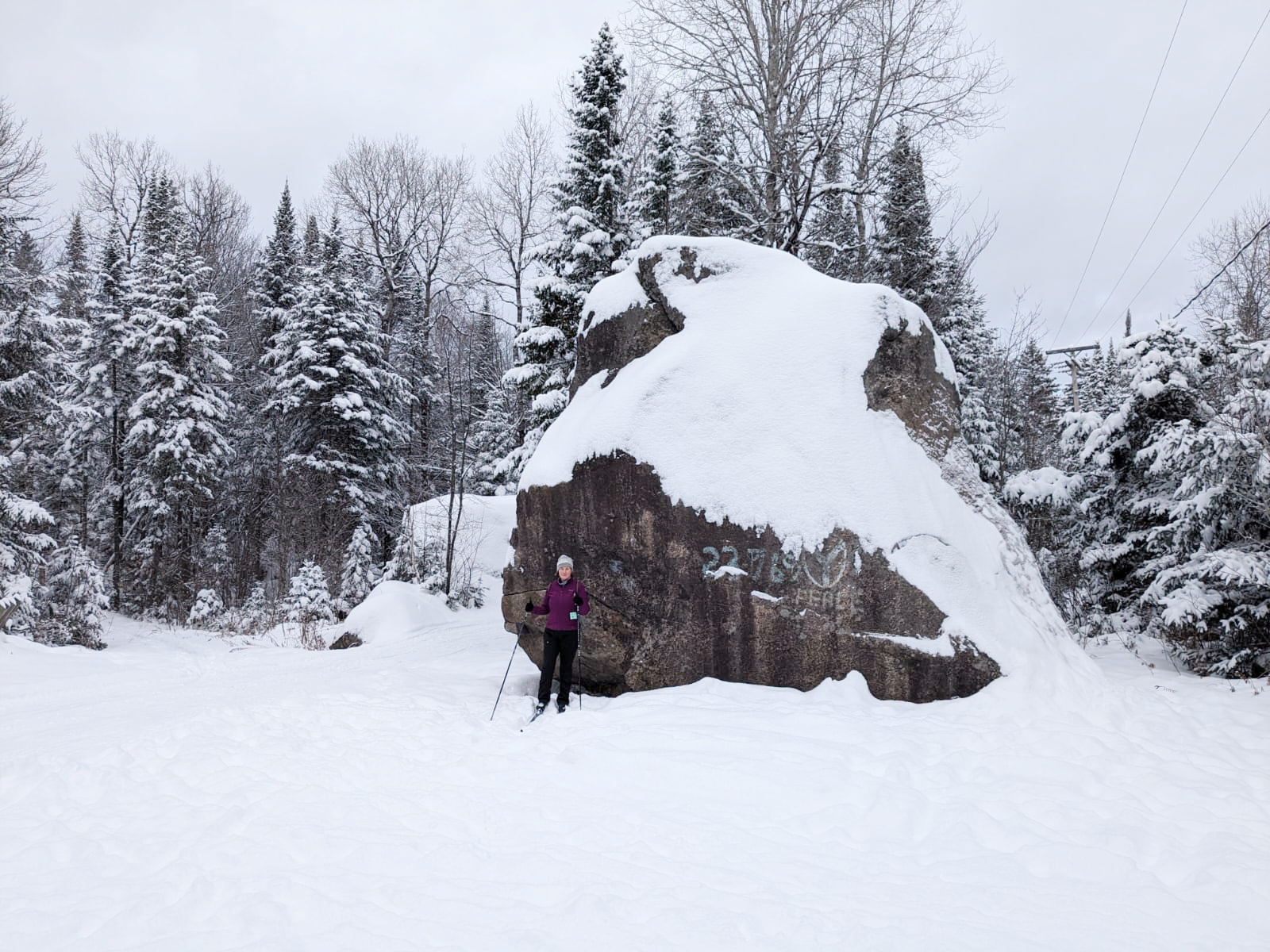
This year is a “research and experience” year for me. As an author, I need to take time to recharge and try new things so that I have new things to write about. I may even take two years this time to do so, to allow the new experiences to deepen and fully integrate into my soul. Along the way, I will keep to the resolutions that I made at the beginning of the year as best I can, holding myself accountable while still listening to my needs.

Can there be a new me? No, not really. I am made up of my past experiences and the choices that I have made in my life, which have all led me to where I am now. And in all honesty, I wouldn’t want to be a new me, because then I would have to disregard all the past experiences that I have had, for good or bad. Instead, I am returning to a truer and more authentic part of my being, one that listens, pays attention, is compassionate and active. One that sees the magic in the world, and celebrates it with every moment. One that pushes forward, and not getting mired in the past. This will be a change in my current modus operandi, but it will not make me new person.

Magic is change, often in accordance with will. And so let’s make the magic happen.
The Deer’s Secret

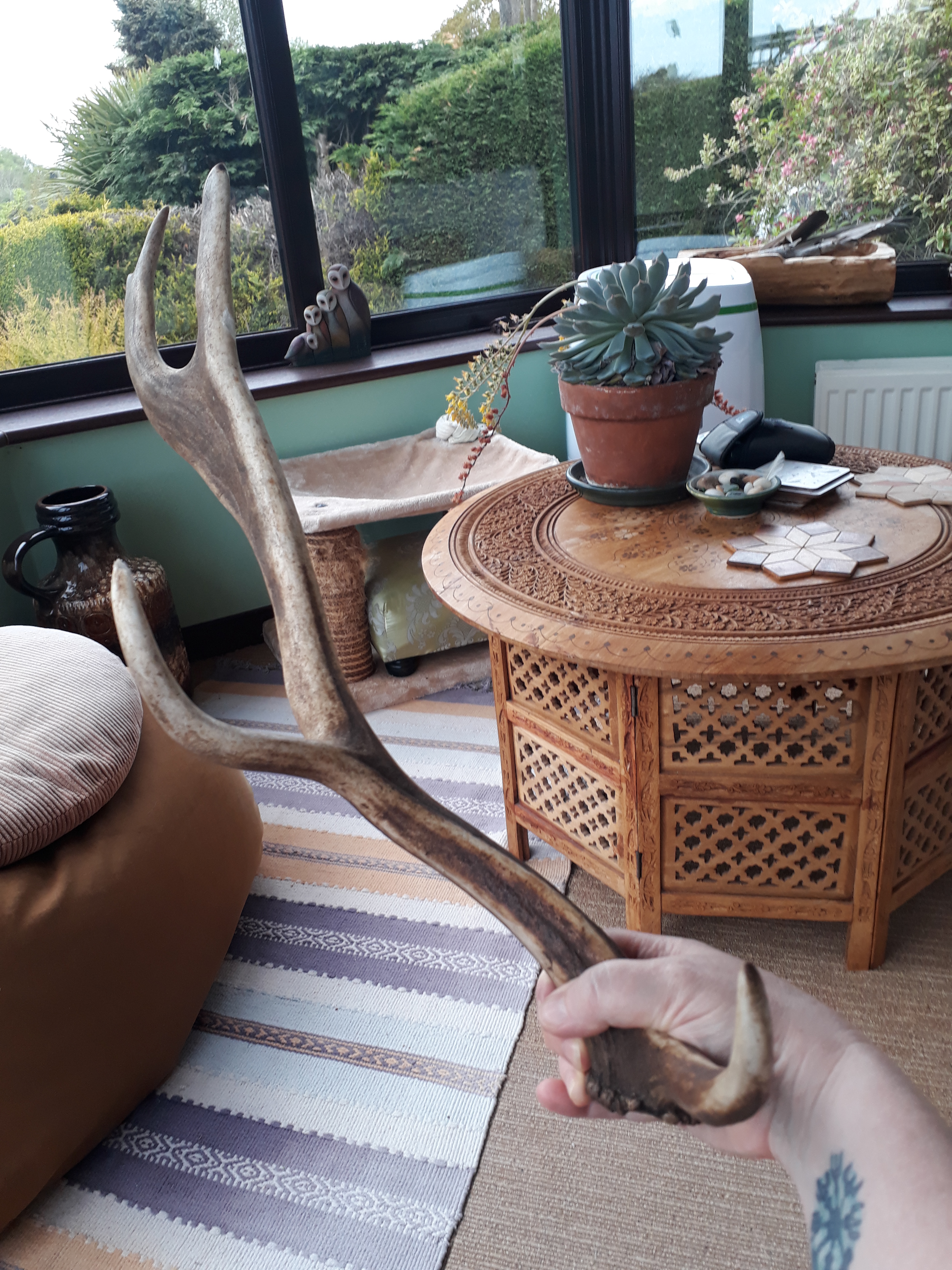
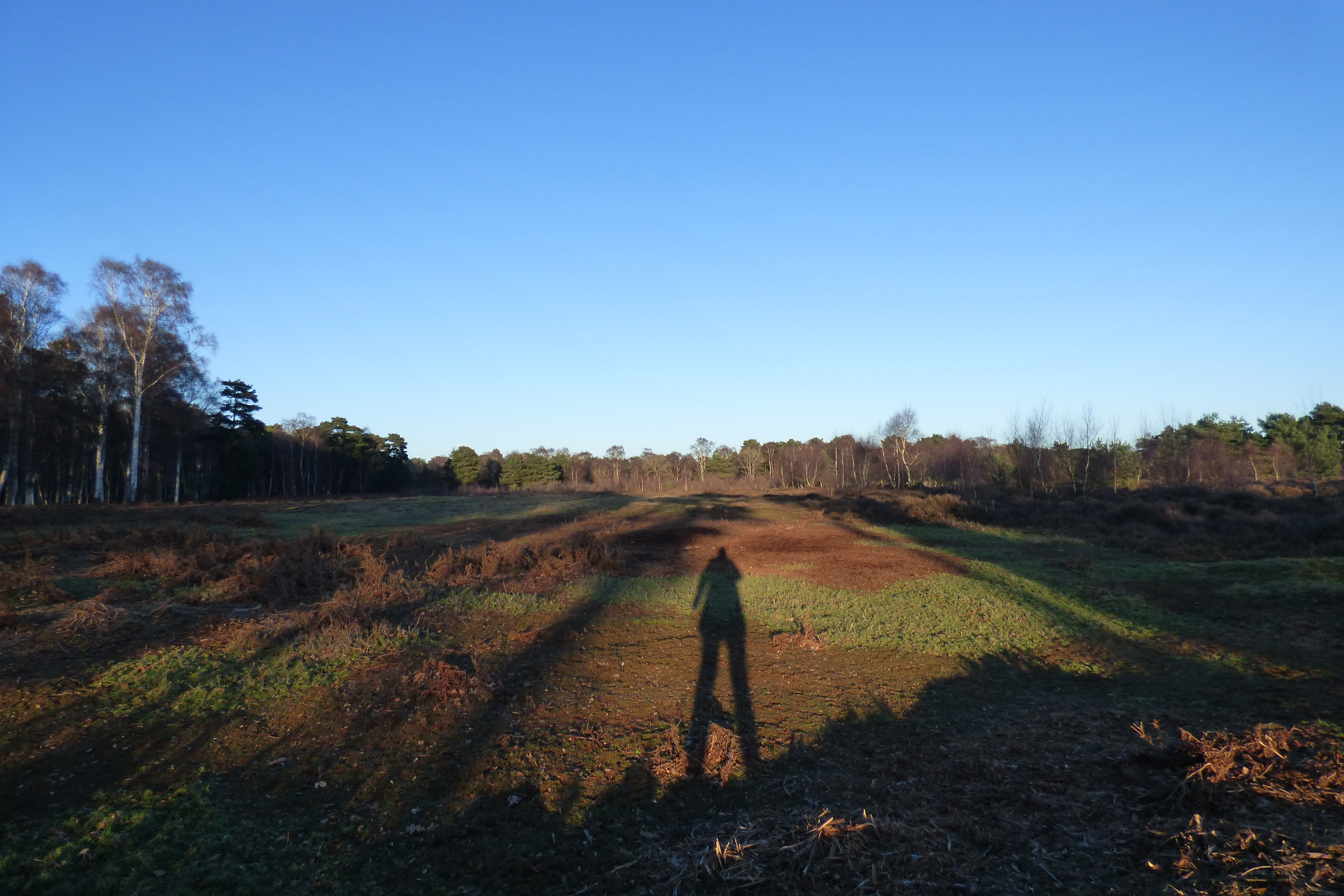
The fallow deer stags have shed their antlers on the heath and in the forest in the last few weeks. As I found one atop a small rise next to ancient Celtic tumuli (burial mounds), dropped on the grassy tuft of a half sunken oak stump, I was gifted with this beautiful reminder that we all need to let go of certain things in our life.

It can be hard to let go. Whether it is past experiences, trauma, emotions or loved ones, eventually we will have to let go at some point. If we don’t, we will hinder ourselves as we travel through life on our own personal journeys. Just as a deer must shed his antlers in order to grow new ones, so must we shed that which no longer serves us in our lives. If the deer doesn’t shed his antlers properly, fully and completely, complications arise when the new ones begin to form. When the time is right, the stag knows when to let go. Sometimes it is with a simple, gentle shake; other times the antlers need to be knocked off purposefully on low trees branches or stumps. Either way, the setting is created for new growth.

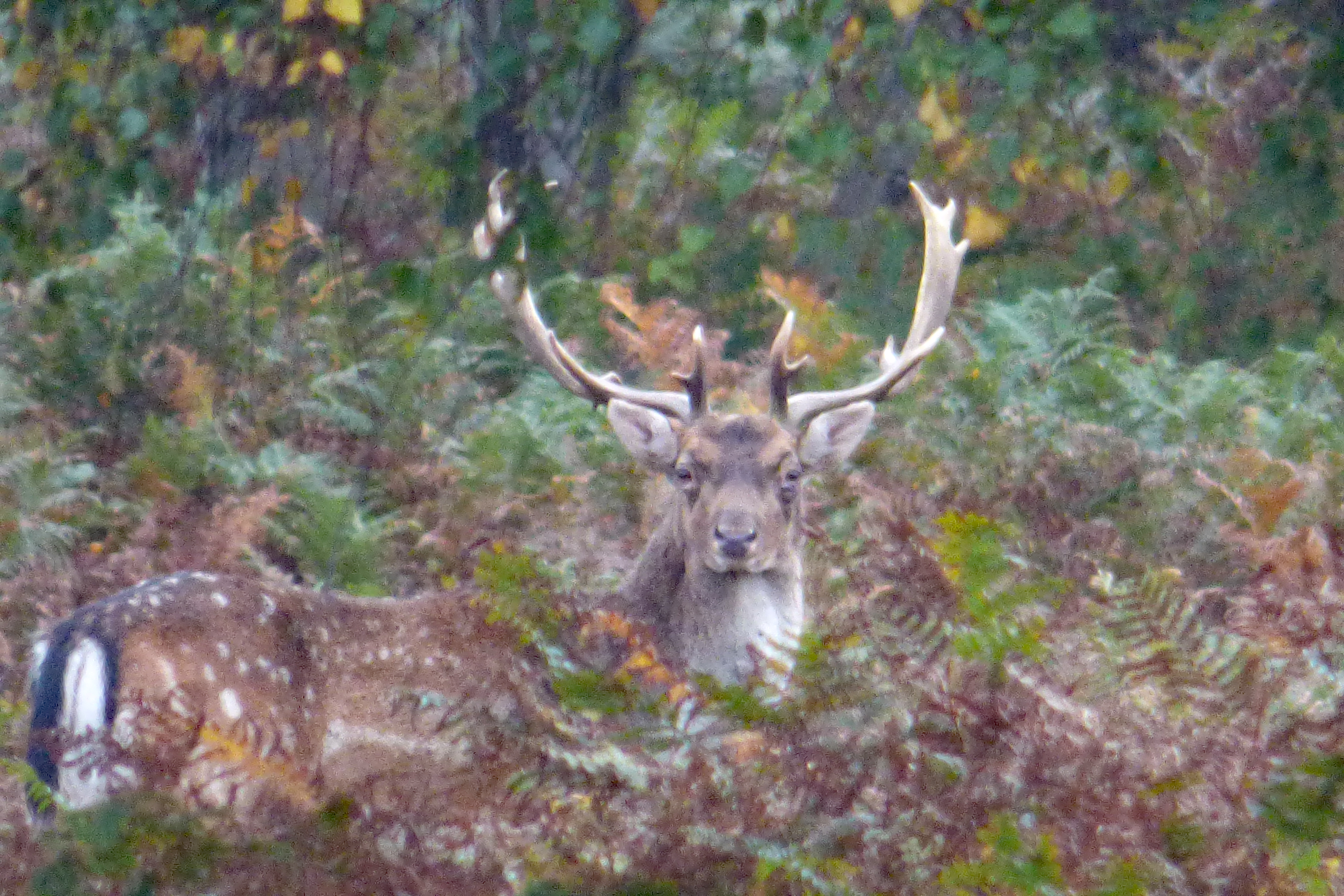
The stag’s antlers grow throughout the summer, enabling him to display them proudly come the autumn rut. When growing, the antlers are covered in a beautiful, soft velvet to protect them and allow for room to grow into the shapes destined for that year. When the antlers are full grown the velvet begins to fall off, and the deer helps this process by rubbing it on trees to shed the last of the strips and allow the antlers to fully dry out and harden in the early autumn sunshine. The older the deer, the more points on the antler appear. There are some majestic old King Stags on the heath, whose great strong necks hold up a crown that is almost impossible to imagine. These antlers will help fight off any challengers to the does that have chosen to be with a certain stag, and are both an aggressive and defensive means, one tool of many for the continuation of the herd. When the antlers are no longer needed they are shed, demonstrating the cycle of life, death and rebirth, and the need to let go of that which no longer serves.

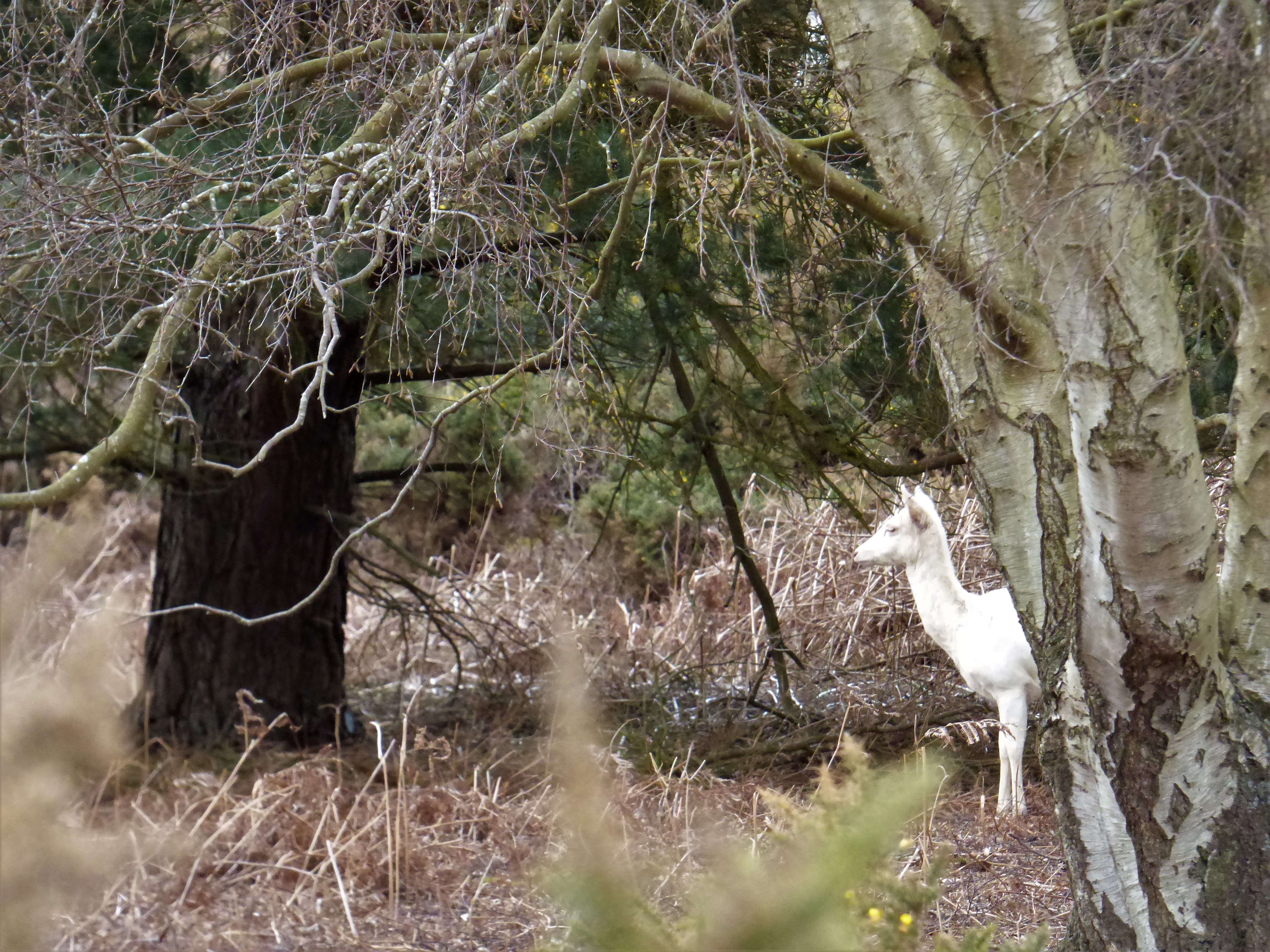
Though many in the Pagan community use the festival of Samhain to reflect on what no longer serves them in their lives, for me here living with the local deer community it is the month of May where I find this inspiration. Closely observing the deer, hauling buckets of water out onto the heath for them in the last two years as we have had so little rainfall, leaving offerings of seeds and song, I have established a relationship with them that is so beautiful and inspiring. They know me now, and I have watched as young prickets have matured into stags, and lead does hand over the power to a younger female as their reign over the herd comes to a natural close. I have spent an amazing three years with a white doe, always catching her watching me as I roam the heathland and knowing that she carries messages from the Otherworld in her spiritual capacity. Though she is now gone from us, her spirit lives on in the dappled light of the beech wood and the gentle breeze that blows the heather bells, ringing the faery bells in both this world and the Otherworld.

If we are unable to let go, we cannot move forward with health, vitality and authenticity. We will hinder our progress, sabotage our current situation and be mere shadows of who we could be. The deer remind us that letting go is not a one-time affair, but a process that happens again and again as we work our way through the spirals of life. Every year they must shed their antlers, this cyclic dance of the Antlered God reminding us of the process, and how to move through it.

Some of what holds us back are shadow aspects that no longer serve us in the present moment. While they may have been necessary coping mechanisms in their time, in this present moment they only stop us from being our true, authentic selves. We may have been hurt in the past, but that hurt lies in the past, and carrying it always into the present moment is a burdensome thing to bear. Instead, letting go again and again is the way to move forward, to develop the skills necessary to cope with what life is doing at this very moment in time. We must learn to shed that which no longer serves, and grow into our antlers of sovereignty. And when the time comes, we shed those antlers too.

From “Stories of the Knights of the Round Table” by Henry Gilbert, first edition, 1911.

The sword Excalibur that was given to King Arthur needed to be returned to the Lady of Lake upon Arthur’s death. We return that which no longer serves to the earth, to the waters of the subconscious, to the Otherworld and the Goddess in order for it to be transformed and wrought anew when the time is come. This cyclic myth may have been created through observation of the natural world, and the cycles of the flora and fauna that inspire Pagan mythology. We wield our swords of sovereignty, and then return the power to the land when the time is right, ready to forge anew what it is that we need in the next cycle, like a stag shedding his antlers and then growing anew.

As I look out over my laptop and out into the verdant green of the garden, the beech, ash and birch trees swaying in the light breeze, I am filled with the beauty and mystery of this earthly life and its cycles. We have come out of a long, difficult winter and now the summer is in full swing. The world has turned soft and lush, the bare branches of the trees now heavy and singing in full voice of the songs of summer. The blackbirds join in the song all day long, and the house martins beep beep overhead as they dive and glide to feed their young. That all important Mystery that lies at the heart of Pagan traditions is so abundant all around me, and I am so grateful for this journey. I know what it is that needs letting go, and I do it each and every day, until I find that I am no longer carrying it but have instead stored it away neatly on the shelves of life experience. I walk forward free, able to grow and be in my full, sovereign self.

Thanks to the Deer’s Secret.

Reblog: Authenticity vs Validity

Here is my blog for Moon Books’ blog page – I write the monthly essay. Check out some of their other blogs as well – really good stuff there!

I remember, quite a few years ago now, reading Ronald Hutton’s Triumph of the Moon. I had always known, vaguely, that modern paganism was just that – modern.  After reading that book, and finding out just how modern most of our rituals and celebrations are, I had a bit of a religious crisis.  I was having a really hard time coming to terms with the fact that the spiritual path I was following was essentially made up by two guys in the 1950’s and 60’s.

For a couple of weeks I toiled with this issue, until it finally dawned on me that all religions, at some point, were made up by some people.  Simply because someone made it up 200, 2,000 or 20,000 years ago didn’t make it any more valid. I realised that authenticity did not equal validity.

There was no way of tracing pagan roots back to what we would imagine to be a more “pagan time”  – ie. for most this would be before Christianity.  Paganism didn’t write or record much down in words, though we can catch remnant in snatches of old folk songs, rhymes and the like.  If our paganism is inspired by an even older spirituality, such as our Neolithic ancestors, then certainly we have no written records – a few artefacts, burial mounds and sacred sites to draw inspiration on, but nothing of their words to live by. We still do not know, and can never be certain, what they actually believed, how they lived their lives and how they communed with their gods, if any. We can only speculate.

And so, two men, Gerald Gardner and Ross Nichols pieced together a spirituality as best they could, after looking into folk traditions and seeking inspiration from the natural world itself.  This evolved into what is recognised as Wicca and Druidry today.  These paths are not hundreds of years old, though they have been inspired by older traditions.  This does not invalidate them in any way.

I would personally have a harder time believing in the validity of someone’s path who told me that they were following a “thousands year old British tradition” than someone who told me that they made up their own spiritual path.  Why? Because the need for justification of a tradition bothers me – why do we need to justify our paths?  Our good Druid friend, Iolo Morganwg, made up a lot of stuff when he couldn’t find any reference to it a couple of hundred years ago, and yet the stuff that he made up has great resonance and beauty for some druids.  Yes, he passed it on as “real”, and was only caught out fairly recently in his forgeries, however they still remain beautiful and meaningful forgeries nonetheless for many.  It bothers me that he felt the need to forge these documents, but it doesn’t make his tradition any less valid for himself and others with whom it inspires. The question of lying about the authenticity of a tradition is what invalidates it for many.

Why do we feel the need to authenticate a religion or spiritual path before we embark upon it?  Does this have anything to do with the Age of Enlightenment vs the Age of Reason? Why should one be more valid than the other, simply because it has hard facts that it can draw upon?

A religious and spiritual path is such a personal thing, that I find it hard to believe that any one path is good for more than one person.  We can certainly be inspired by it, but the path must be walked by us, and us alone – no one else can do it for us.  Buddha said “Be a light unto thyself”.  We have to find our own ways of communing, our own relationship with the world in order for it to make full sense to our hearts, bodies, minds and souls.  Oftentimes the words and teachings of others can come close, and yet they are still not quite as personal as a one to one relationship.

Protestants have a more personal relationship with God, for the most part, than Catholics when it comes down to it.  That in an inherent part of Protestantism, one that is explored and made quite poignant in Arthur Miller’s The Crucible.    Protestantism placed a great emphasis on personal, individual reading of the Bible, thereby increasing the personal relationship with God – no other could really do that for you.  Sadly, within history and especially after the birth of Calvinism, fundamentalism became de rigeur.

How much of our paganism today is influenced by this Protestant way of thinking? It’s hard to tell, but it’s not something I have a problem with.  I like the idea of everyone having to find their own personal relationship with God, or a god, or goddess, or the spirits of place, their ancestors or the three worlds of land, sea and sky.  This idea is, of course, not solely attributed to Protestantism (remember Buddha’s quote?) but it is one of the more recent religious institutions in the UK, of which we are currently exploring the legacy.

How far back the tradition of personal relationship with deity goes is, to me, of no consequence.  It’s nice to have historical authenticity, but it does not a spirituality make.  It is within the personal relationship with whatever it is that you are communing with, and which changes you, inspires you or moves you that is really what matters in this life.  Whether you pray using a prayer that is a thousand years old, or one that you made up on the spot, it is in the feeling and intent behind it that matters most, not in the words themselves.  It must connect you with what it is you are trying to reach, else what is the point?

So, to all those out there who are making it up as they go along, who find spiritual validity in what they do, I give a hearty hail!  To those whose find the words of others resonate deeply within their soul, and blend their historic traditions with personal experience, again I give a hearty hail!  Life is too short to follow a path simply because others have trodden it – we can learn from that path, but ultimately it is we who are doing the walking, no one else, and in that is our own validity and personal experience found and blessing us along the way.

http://moon-books.net/blogs/moonbooks/authenticity-v-validity/