
The extreme winds we’ve had for the last few weeks have made it very difficult to film outdoors, especially here on the coast. So I made a new video this week, using footage filmed from last year. I hope you like it!
wicca
The Goddess has a plan… or does She?
I’ve come across the phrase “the Goddess has got a plan” or something similar within the Pagan community, especially when people are trying to sort out why good things happen to bad people, and bad things happen to good people. For me personally, there are a few reasons why this just doesn’t sit right in my own Pagan worldview.
To begin with, I simply don’t believe in predestination. Many people have a simplistic view of “fate”, which seems to preclude the concept of free will. Many things are “fated to happen”, or meeting that person was “just fate”. Sometimes the notion of free will is forgotten in these instances, other times willingly overlooked in order to explain or justify the reason something has happened. Many Pagans, and all Wiccans, believe that we have free will, such as in the Wiccan rede (maxim or “counsel”) “an it harm none, do as ye will” which translates to “do not harm others while you live up to your full potential”. You will is your potential, your spiritual goal, your highest self.
But everyone is on this same ride. We are all going through life together, and someone else’s will may come into your life to challenge, support, annoy, or validate your own experience and your own will. Some would argue that a higher power has a plan for everyone, and that they are in some sort of control over the final destination, which means that there is some sort of control over the everyday experiences that lead to this final destination. This precludes free will, in my opinion.
Some have turned away from deity because of what has happened to them in their lives. They can’t believe that a deity would allow such things to happen to them and/or to the world in general. This is still a belief in pre-destination, and a deity that controls everything like some master puppeteer.
For me, deity is most certainly not this in any shape or form. Deity is the energy of life, of death and of renewal. That is its agenda. This energy may be seen in many different ways, relative to culture, to personal preference, to environment and so on. Different people attribute more associations to this basic agenda, myself included, into a more specified spiritual practice. But overall, the plan is life, death and renewal (or regeneration).
Our relationship with deity is very personal, and can be very specific. But does my Goddess have a plan for entire world? I know that she most certainly has a wish for the world, but it’s not up to her. It’s up to us.
Our free will, our own capability of taking full responsibility for our lives and the lives of others is part of that overall plan of life, death and renewal. It’s the growing up of the human race, the evolution that hopefully will take place sooner rather than later. In a Druidic sense, it is coming to realise that we are part of an environment, and that we need to be a contributing and beneficial part of that ecosystem in order for the whole to thrive (us included). In a Wiccan sense, it would be to do the least amount of harm and to become the best person that you can be in a similar context. In Hedgewitchcraft, it would be to understand and work deeply with the cycles of nature in your own home environment, crafting your life in complete attunement to the world around you, both the seen and the unseen. In all of the above, we are opening ourselves to deity in order to better understand ourselves, and how to live well on this planet.
That, in my opinion, could be the only plan the deities could have for us. Bad things will happen to good people, not because it’s part of deity’s plan, but because there are bad people out there who harm others knowingly or unknowingly. Human ego, greed and fear get in the way of so much that could be accomplished.
Sometimes it’s really hard not to despair when the world seems like such a mess. But we have to put faith in ourselves, in our own actions and be the example we want to see reflected back to us in the world. Working with the wonderful energy of the gods is one way, though not all Pagans are religious. Working with the energy of the land where you live is at the core of all practice, to better understand our place and how we can make it better not just for ourselves, but for all in order to have a sustainable future that follows life, death and renewal, even when not viewed from a religious standpoint.
Your own Will is that which will see you through the most difficult of times. If you align your will to the flow of nature, you will come to understand the true inter-connectedness of all things. And these all have free will, just as you do. It’s learning to meet each other, soul to soul, and work with that energy which in Druidry is often called “awen”. In our relationships with the world we come to better understand the world and really participate in this great, vast cycle within cycles. We will see the good, the bad and the ugly on the way, but we have to realise that not all of that is part of any deity’s plan. It just is, and we can learn to work with it, to condemn when we need to, to be the light we want to see in the world, and to really think long and hard about our own ethics and morality.
That’s my plan, anyway.
A little magic and spellcraft…
Did you know that on my Patreon page, I share magic and spellcrafting tips? Every month I put up a new spell, alongside some other tips, herbcraft and more. Here is an example of the spellcrafting that’s on offer for the top two tiers with my Patreon community 🙂
The Cairn of Stones Spell
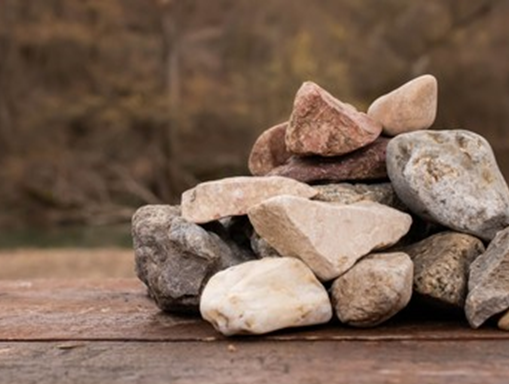
In this spell, we use the power of stones to help bring about what it is that we need/desire. Ensure that your intention is good as well as being nice and clear. You can perform this spell outdoors or indoors. I personally prefer not to work with crystals unless they are ones that I have found myself out in the wilds, because a) they may have been mined through blasting the earth or obtained using dubious labour practices, and b) most crystals for sale are tumbled, meaning that they won’t pile one of top of the other very well.
Gather up some stones to use in this spell. If you are collecting them out in the wild to take home later, then please ensure that there are no restrictions as to what you can and cannot take home with you from this area. As you walk the land, keep your intention in mind, and your eyes and heart open to stones that seem to speak to you. Pick them up as you go, feeling their energy to see if they are in tune with your intention. If you are using stones that you already have, then do the same with each of them at home. Leave an offering to the earth after you have collected the stones. Thirteen stones is an ideal number for this work.
Find a place that speaks to you, and where your stones will be left undisturbed. Don’t place them in a prominent spot, say, in the middle of a busy beach, because children, adults, dogs etc. will probably knock them over before they’ve had a chance to work. It’s a good idea to find a place near to where you gathered the stones, so that they are all staying roughly in the same area. If this is not possible, bring to mind the area where you found the stones when you are ready to start the spell, and say a word of thanks.
In your designated place, cast a circle if you so wish and call upon any deities, ancestors, spirits of place or Fair Folk as appropriate to your path. Call upon the element of earth specifically, and really focus on this element. Through the stones, your spell will be working through the element of earth.
Hold each stone separately, and think of your need/desire. Blow gently on the stone to attune it to yourself and your personal energies. Then, place your intention into the stone, letting it flow from your mind and into the stone. Pour some of your personal energy into it as well, and visualise yourself as having obtained or achieved your goal. Say these or similar words after you have done this, to seal it into the stone:
Stone of earth, elemental power
Lend your strength here at this hour
To my spell manifest for me
This is my will, so mote it be.
Place the stone down, and repeat with each stone in turn. Make the little cairn or pile of stones wider at the bottom, so that it narrows towards the top where you can place a single, topping stone. As you place this final stone with the words spoken, see the whole pile lighting up and glowing with
combined energy. This energy radiates outwards and into the world to manifest your goal. Take a moment to relax, ground your energy and then leave an offering nearby (but not right by the stones – an animal might knock it over if it is a food offering). Rise and make your way home if you are out in nature, and let the spell do its work. The rocks may radiate your energy and intention for some time.
If you are performing this indoors, use your altar or a place where the stones will not be disturbed for several days at least. Leaving the stones for a cycle of the moon is ideal. When you are ready, dismantle the stones and thank each stone for lending their aid to your work. You can do this with an outdoor cairn as well, returning the stones to where you found them, or you can leave the stones there as you wish. If you need to break this spell at any time, simply dismantle the cairn and state “the spell is broken, through the words I have spoken” and see the energy of spell dissipating into the air. Some residual energy may linger, but you may not have any control over that, as it has been “put out there” so to speak and you no longer have complete control over it.
Working with stones is a wonderful way to get to know the earth and its energy.
No, Wait, THIS is the Last Video of the Year!
Wishing you all Happy Holidays 🙂 xoxo
Herbal on Patreon
Hello folks! Just a shout out that on my Patreon page, on top of other benefits that I’m offering there is also an herbal which I add to each and every month (at the Extra-Special Thanks and also Deepest Gratitude tier). This month I’m looking at one of my favourite trees: beech. I thought I’d share this post with you all here on my blog page, in case you are interested in joining me on my Patreon community page as well!
BEECH
(Fagus Sylvatica)
Beech is a tree that, for some reason, often gets overlooked in many modern and magical herbals. It is not part of the Druid tree ogham, and shows up rarely in other Pagan herbals. As an indigenous British tree, I feel that we need to include the beech once again in our herbal grimoires, and honour this most beautiful and magnificent being.
According to Mrs Grieve, the word beech is thought to derive from the Germanic language and refers to the word “book”. It’s thought that early books were made from beech. Maybe this is why the Druids didn’t include it in their tree ogham? As members of an oral tradition, this might be one use that they’re not terribly comfortable with…
It’s one of our largest and most gorgeous trees. It spreads its canopy and isn’t afraid to shine. In the autumn especially, we see its enchanting beauty as the chlorophyll retreats and the golden leaves begin to glow in the late, slanting sunlight. They then turn to a beautiful, rust colour if they’re not blown away by the autumn winds. The pale grey, smooth trunks stand in silent glory, with little to no undergrowth beneath them to mar their stately splendour. They are truly magical beings, and always make me think of the Fair folk, of the elven wood of Lothlorien in Tolkein’s work, these majestic and proud trees.
Beech wood was often used in the making of chairs, wooden panels for furniture, carpenter’s planes and charcoal for gunpowder. But it’s not just the wood that is useful: the nuts (mast) were very valuable for owners of livestock who grazed their animals in the woods and under these trees on the village common. Like acorns, beech nuts are very nutritious for pigs, and the wild deer, squirrels and badgers are also very fond of them. The whole nuts are not good for human consumption, but the oil extracted from them is used in cooking on the continent. You can also use the oil as a furniture polish.
The tar has been used medicinally as an antiseptic, and also for treating chronic bronchitis. You can also make a liquer from the young leaves (pick them before midsummer). Here is a recipe from Anna Franklin: Fill a jar with them, top up with your favourite spirit (for me, that’s gin) and leave for 10 days. Then and add a pound of sugar per pint of spirit, dissolving the sugar over a low heat but do not boil off the alcohol. Bottle, let it sit for three months to a year, and enjoy!
For magical purposes, beech can be used in spells to enhance one’s appearance, or in spells that call for strength, grace, or adaptability. You can use beech to consecrate your Book of Shadows, or even better, use slats of beech wood as the covers! I also think that beech is a great tree to connect to the Fair Folk, though this is from personal experience, and not something that is written down in any lore.
References:
Grive, M. A Modern Herbal, Cresset Press, 1992
Franklin, A. The Hearth Witch’s Compendium, Llewellyn, 2018
New Brighid Devotional Series!
I’ve started a new series of devotionals dedicated to the goddess, Brighid. These are available to my everyone in my Patreon community (which starts from as little as £1 a month). In these posts, you will find material that I have written, and material from others that I have come across in my research and work with the goddess (all material is credited, and links provided to find out more).
Brighid is a goddess that came to me as I was diving deeply into my Druid practice many years ago. She helped me greatly with her blessing on Druid College UK, and motivated me to keep it up (sadly, we’re only offering an online course at the moment, due to the pandemic). She has walked with me for many years, and feeling her with me is like the beautiful, golden autumnal light filling my soul.
If you are interested in joining me in my Patreon community, click HERE to find out more.
Blessings of Brighid be with you!
Note: my Patreon community also enjoys many other benefits, including material for everyone from my personal Book of Shadows, photography and more as well as special material for different levels of support.
New podcast episode
The final installment of my podcast mini-series on The Witch’s Pyramid is now up! Check out my Bandcamp page for all my Down the Forest Path Podcasts 🙂
The Spiritual Harvest
New video now up on my YouTube channel 🙂
Witches and Brooms – Sex Magic/Sexual Fantasy Or Something Far Greater?
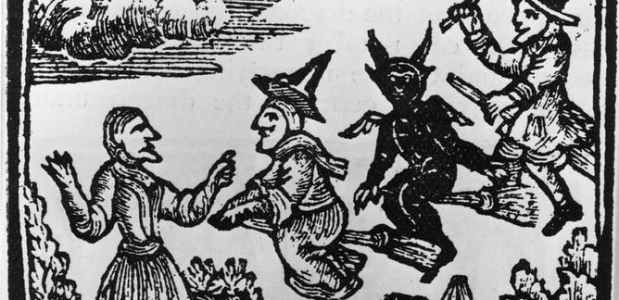
Over the years I’ve heard quite a few people equate the riding of the broom by a witch to a sexual experience. Often these folks state that the witch used a hallucinogenic ointment which was rubbed onto the broom, and then inserted in a sexual manner which made her think she was “flying”. I can tell you, there are a lot easier ways to get high.
This theory comes from a few confessions extracted during the dreadful times of the witch hunts across Europe. What is often forgotten or purposefully left out is the fact that these so-called confessions were extracted under torture. Europe and Scotland had absolutely awful methods of torturing so-called witches to extract information from them, usually with questions led by the examiner to produce a consistent result among the captives. In England, torture was illegal, however, they still kept their victims awake and used sleep deprivation to get what they wanted, as well as having the person kept in one position for hours at a time without being able to move. That’s torture too.
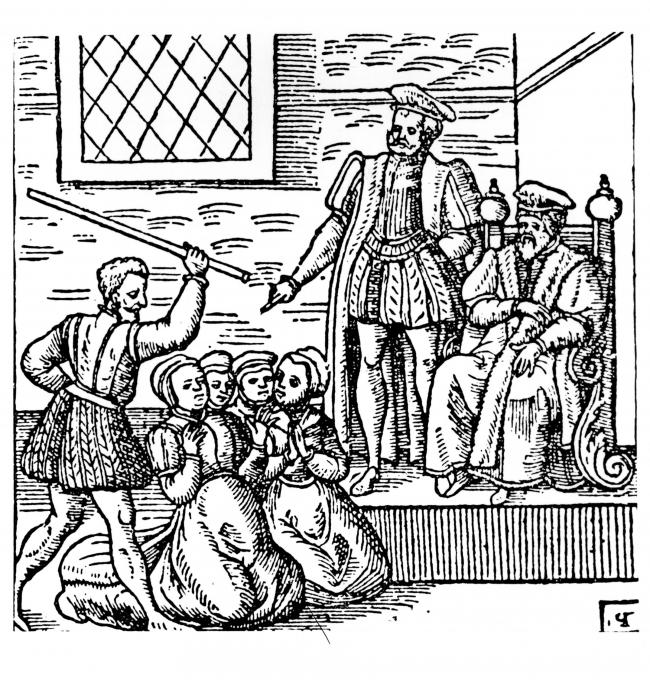
If we are to believe that what was said under torture is factually correct, then we must also believe what else was said alongside this confession. We must believe that these people had sexual congress with goats, or the Devil himself. We must believe that these people suckled their familiars (animal helpers) with their own blood. We must believe a host of other outrageous stories that were created to instil fear and hatred, dividing a populace and creating a space where the old, the weak, the poor and the independent thinkers were targeted against the power of the Church and patriarchy.
It is my firm belief that the sexual imagery of the witch “riding” her broom is the result of the sexually repressed minds of the witch hunters themselves. It is only one of many sexual fantasies created by these men who were paid to bring people in for prosecution. This was their job, and they made money from it. You would have to be quite a horrible type of person to want to do this sort of job in the first place. Just saying.
In fact, the witch riding her broom comes from a long heritage of witches working with staffs, stangs, wands and distaffs. We can trace this work in Europe back to the völva (plural völur), a type of Norse shamanistic practitioner of magic and divination. Völva actually means “staff carrier”. Usually a woman, she always had a staff, sometimes wood, sometimes an ornamental iron distaff. We know this from the many burials found across Scandinavia which have these women buried with the tools of their trade.
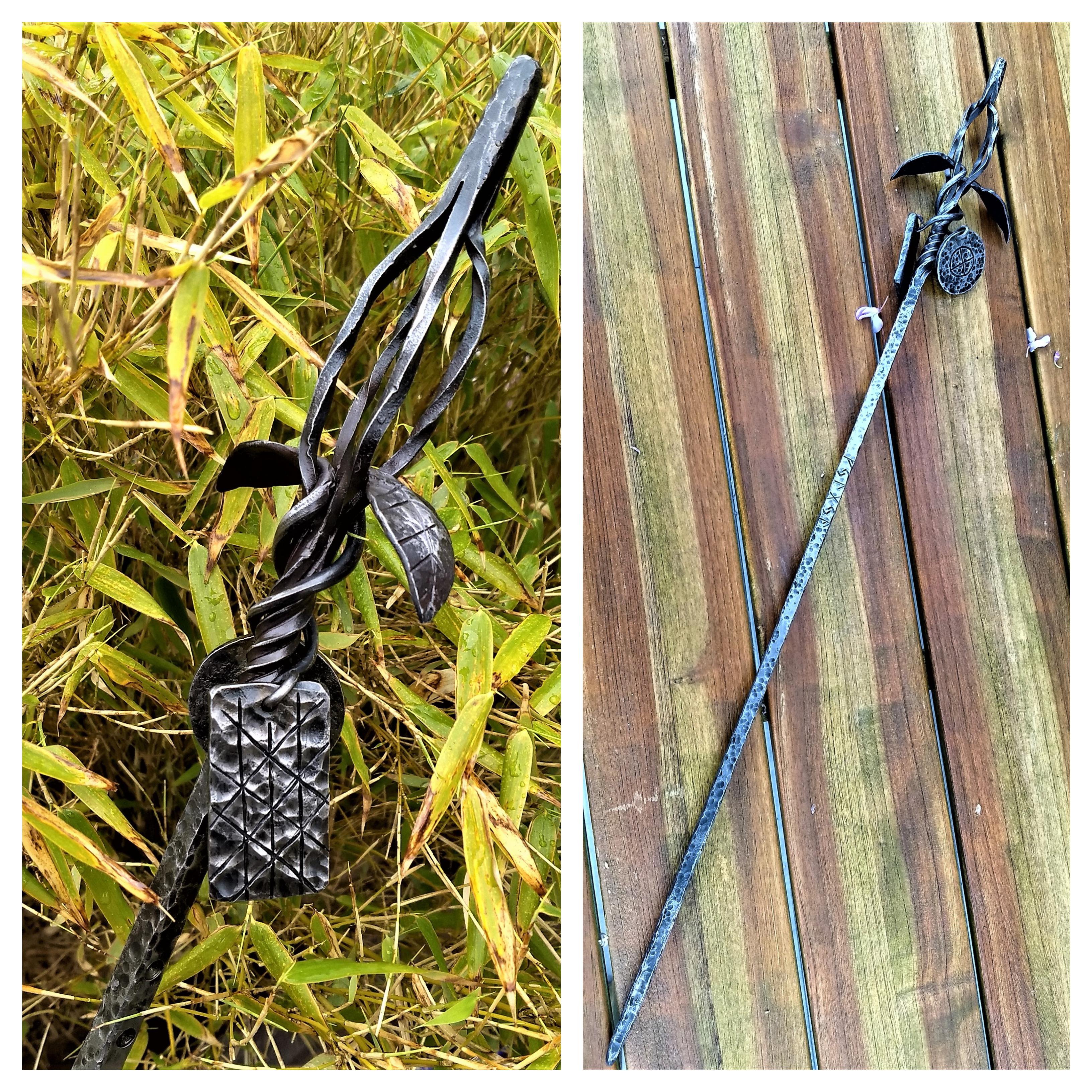
I’ve even heard some folks say that the practice of the völva was seen as shameful in Viking society. They use the sexual fantasy imagery and overlay it against the profession of the völva, claiming that this is what she did with her staff, like a witch riding her broom covered in the flying ointment. First, let’s look at the “shameful” aspect.
For women, it was not considered shameful to practice magic, except from a Christian point of view. For men to practice the magic of the völva, known as seidr, it was seen in Viking times as “ergi”, often translated as shameful. For a man to do women’s work was seen as unmanly, though we do have to remember that the sources from which we get this information were written after the Viking period by the patriarchal Christian monks. We also see women warriors, buried with their weapons, and so the question of men’s work and women’s work is even more circumspect. We see in the myths of the gods and goddesses a couple of the gods doing womanly things: Odin learns the art of seidr from the goddess Freya (he’s not seen as unmanly), Thor dresses up as a woman to get into a giant’s hall (still not unmanly) and Loki turns himself into a mare to have sex with another horse (still not called out as unmanly and actually producing Odin’s steed, Sleipnir, in the process).
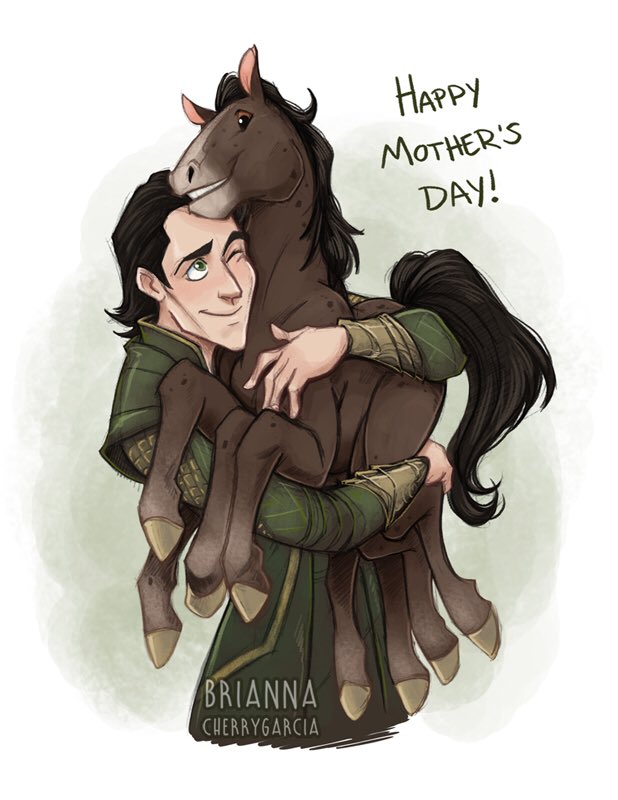
(Artwork from: https://www.deviantart.com/briannacherrygarcia/gallery)
Add on top of that the fact that all the burials found of the women who are considered to be völur are high status burials, and the question of shame seems absurd. The Osberg ship burial, perhaps one of the most famous Viking ship burials, had the body of a völva laid to rest with with a host of beautiful treasures (what was left of them, for the burial had been broken into a long time before, with many of the goods stolen). No person who was considered shameful would be given such a send off.
The question of drugs does come into play when looking at the ancestors of the more modern-day version of the broom riding witch. Many of the burials were found to have pouches of hallucinogenic herbs on the body, such as henbane or cannabis seeds. These seeds, when thrown onto hot coals would produce a smoke that, when inhaled, would most definitely get you “high”, but not in the way that the sexual fantasy of the witch riding a broomstick would by the witch hunters. The clue is in the staff itself, and what it symbolises.
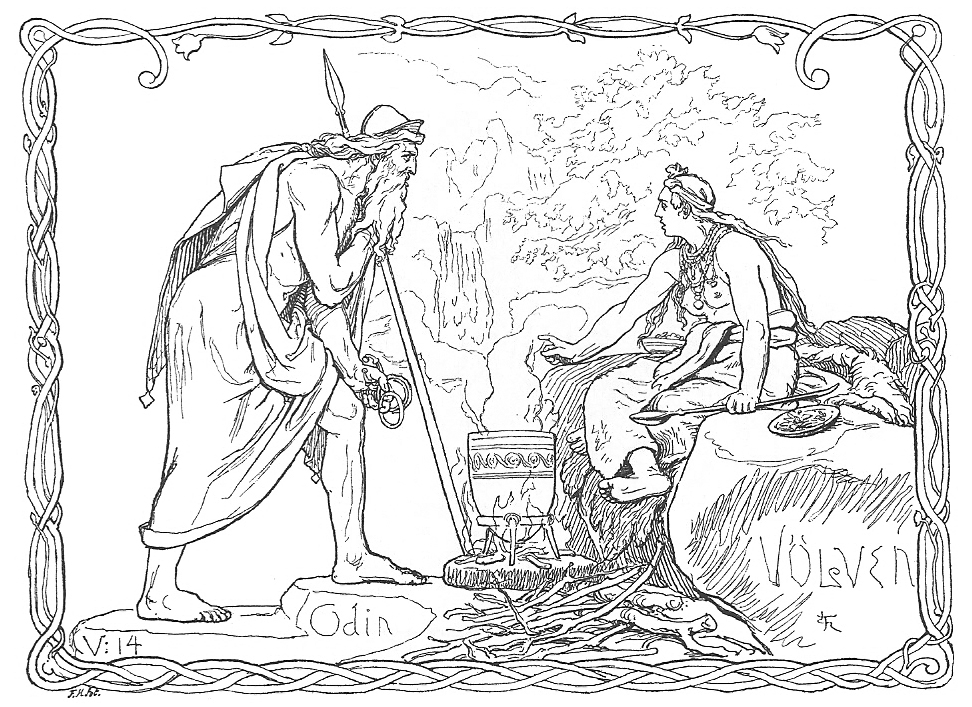
The word seidr is thought to derive from spinning or weaving. The völur were those who could see the way that fate was woven or spun through their contact with the spirit world. Their distaffs were their link to that ability. For those graves wherein a wooden staff was found, the link lies more with the World Tree that one can use to travel to the nine worlds in Norse cosmology. Through the staff there is a sympathetic link created with the World Tree, with Yggdrasil, and it can be used to “ride” between the worlds.
And this is where the descendant of the völur appears today, in the form of hedge riding, an aspect of Hedgewitchcraft. Riding the staff/stang/broom/whatever you have to hand that resembles the world tree helps you to travel between the worlds in order to find the information that you require in your Craft. Most Hedgewitches today do not use hallucinogens, being able to perform the working through trance states that are induced by other means.
So, in conclusion, the equating of broom riding and sex seems more like a far-fetched fantasy than the actual reality when we dig a little deeper into the history and the ancestry of witchcraft. That it is continuing to be spread today only helps to demean and undermine the power of women in working magic, turning something extremely symbolic and important into a sexually repressed fantasy created by the patriarchy. When a witch is riding her broom, or using her staff, stang or wand in ritual, the lineage is far greater than most people can ever assume, and is far more powerful than any witch hunter could ever dream of.
For a great video on the staff of the völva, see Freya’s video below:
New Video: Hedge Riding
A full day of filming, another of editing and some extra hours on sound. But I’m pleased with the results!
 Down the Forest Path