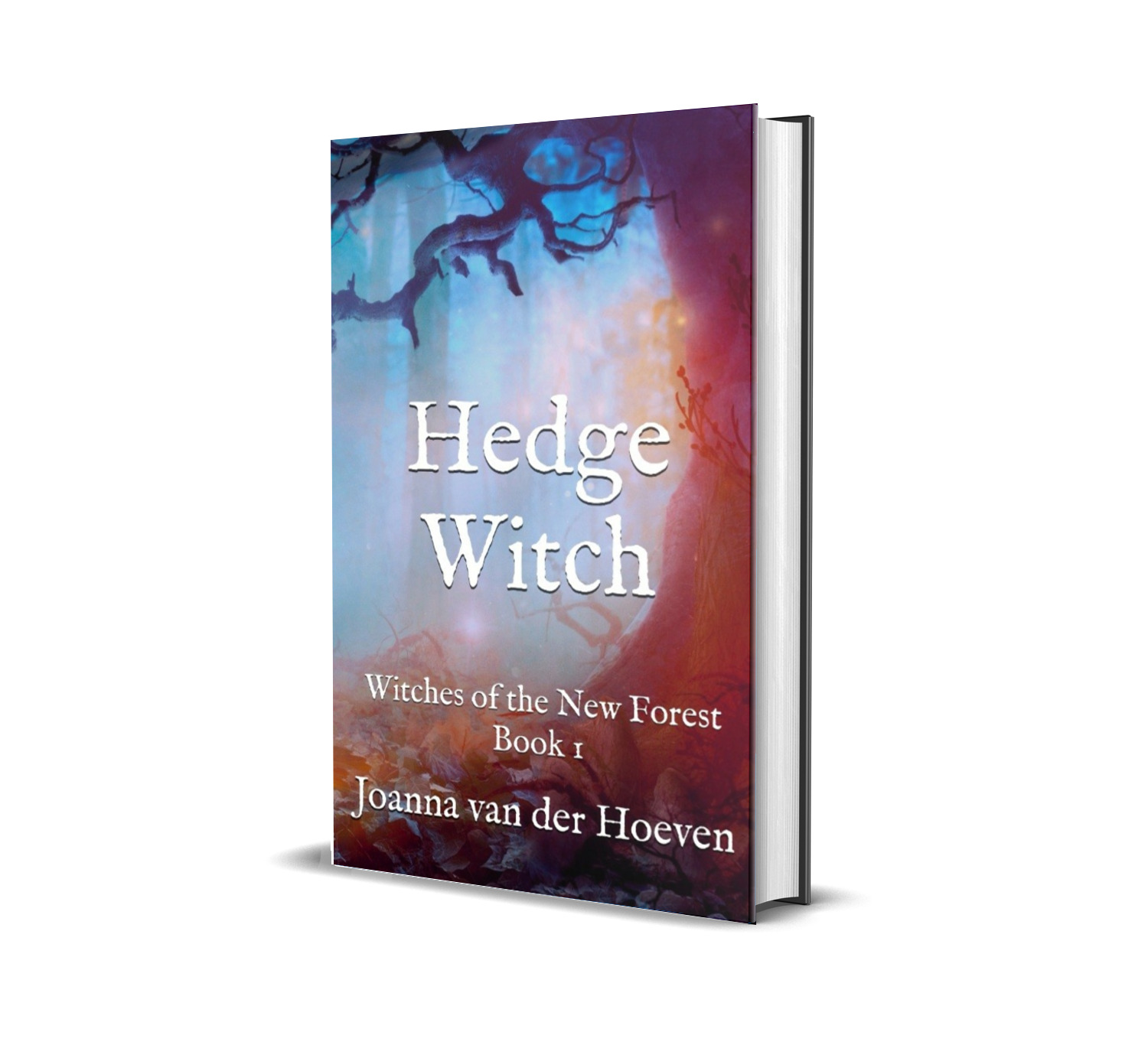
Exciting news! Hedge Witch, Book 1 of my Witches of the New Forest fiction series, is now available in hardback! All the books will soon be available in hardback editions, which makes me so pleased. There is nothing quite like a hardback edition that will last a lifetime
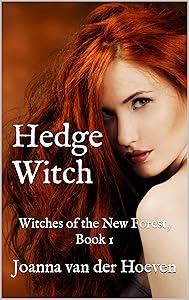
I’ve started writing a new fictional series, called Witches of the New Forest. The Kindle edition of the first book, HEDGE WITCH is now up and available for pre-order – yay! The paperback version will be ready for pre-order next week. This is the first installment of my new fictional witchy series set in the little village of Burley, in the New Forest 🙂 Here is the synopsis:
“Deep in the heart of the New Forest in England, lies the little village of Burley. Known for its connection to the flamboyant Witch, Sybil Leek in the 1950’s, this place is now a tourist hotspot for those who are fascinated by the occult and the paranormal. However, there is a much deeper secret known to only a select few in the area.
Witchcraft is real, and there are very powerful practitioners of the art that still live in and around Burley to this day. Magick runs deep within some family lines, passed on from generation to generation. There are also other magical beings that have existed in the area for thousands of years. As a liminal place, Burley is where myth and magick come together.
Two Canadian sisters, Hunter and Ryder, inherit their aunt’s property on the edge of the village. As they learn more about Burley, they also begin to learn more of their own heritage and how it is woven into the secrets that lie in the heart of this quaint little village.
This is the first part of Hunter’s story. The eldest, Hunter is the careful and cautious sister. A university professor, she is familiar with some of the history of the area. However, Hunter’s world is turned upside-down when she discovers not only her family legacy, but the extent of her own powers. Her guarded heart is opened by the love of a man whose life’s work is in dedication to the land, and whose encouragement to come into her true power changes her life forever.”
I am having so much fun writing fiction again. The characters write the story for me, and I’m just sitting back and watching all the fun, drama, intrigue and action! The first three books are all planned, and I’m already a third of the way through the second book, which is also the second part of Hunter’s story. The third book will be her sister’s (Ryder’s) tale. If you’d like to read something fun, funny, witchy, romantic and feel-good, then join me in the New Forest with this new series.
Here’s the link to pre-order the Kindle edition now! It will be sent to your e-reader on 28 October, just in time for Samhain 🙂 Paperback edition will be available for pre-order next week, so I’ll keep you posted when that is released. https://www.amazon.co.uk/dp/B0DJL1X635/
Pagan books sales have gone down radically in the last year and a half, despite the increasing number of books being made available. It seems to reflect what many of us authors have been worried about for several years now. The sales aren’t even made up with e-books, as those have dropped significantly as well. Audiobooks for non-fiction still aren’t that popular either, and the revenue from them has always been minimal. So why is there this sudden and sharp decline in books sales?
When I first started learning about and practicing various forms of Paganism in the early 1990’s, books and events were the go-to places to gather the information that I sought out. The choice of books available in the bookstores was only a handful stuffed somewhere in the “New Age” section. The internet didn’t exist, but you could order books from glossy catalogues that companies such as Llewellyn provided, which wasn’t too bad if you lived in the US but if you lived anywhere else, the shipping fees were astronomical. And so you just had to make do with what your local bookstore provided. If you were lucky to have a witchy type shop near you, the selection was a little better, but shelf space was always at a premium. And we didn’t even bother much with libraries back then, because they would never stock those sorts of books in the first place. Finding books to read was a real struggle, but such a joy when you did find one that resonated with you.
The coming of the internet was a huge blessing for the Pagan community who wanted to connect with others, talk about authors and books and find solace with others when the community was so small and so widespread. Books began to be marketed online, which was a real boon to the publishing industry. And yet, with more people online than ever before, what has happened to book sales lately? Surely they should still be increasing?
Nope. I’ve talked to my publishers, I’ve talked to other authors and everyone is seeing a real downturn in books sales. We’ve been scratching our heads, trying to figure out why. As book lovers ourselves, it’s difficult to fathom how this downturn has come about so suddenly. So here is my take on what’s going on, and how it could very well spell the end of non-fiction books in the coming future.
People can get information for free online. As people are online more and more and there are so many different channels to get information from, why buy a book? You could watch a video, read a blog and receive a ton of information anywhere for free. I know that if I was a youngster just starting out, the majority of my information would be garnered from this form of transmission simply because it is free.
People don’t have spare cash to buy books right now. Everyone I know is hurting more and more financially, and if it comes down to buying your groceries for the week or buying a book, you will buy the food. I hope.
You can find pirated copies of pretty much anything online. Need I say more?
Attention spans are waning. It’s a fact. “In the early 2000s, she and her team tracked people while they used an electronic device and noted each time their focus shifted to something new—roughly every 2.5 minutes, on average. In recent repeats of that experiment, she says, the average has gone down to about 47 seconds.” https://time.com/6302294/why-you-cant-focus-anymore-and-what-to-do-about-it/ (I actually had trouble reading this article, not because of attention span but because four different pop-ups kept interrupting my reading. Oh, the irony.)
When a book is released, it is competing will millions of other books these days. With so much choice, it’s wonderful for the reader out there. But for the author? It seriously dilutes the sales. Unless you have a slick marketing team that works for you.
Authors can’t afford slick marketing teams. The shift in lots of publishing has been to place the onus of marketing up on the author, as the publishers have to make cuts somewhere just to stay competitive. Most authors aren’t marketers. I spent nearly a decade in marketing for a world-famous music venue here in England. That has seen me in good stead for the last ten years, but even now I’m struggling against a tide of everything that I’ve mentioned above.
The struggle is real, folks. I hope one day that books will have a resurgence, that cosying up with a book on a rainy day will replace hiding under your duvet with your smartphone. There is just something about a book, something that feels like an old friend you can turn to, something that you can hold in your hands, that ages even as you age, the feel of something material rather than something immaterial.
Go analogue for a while. Slow down. Smell the books along the way. Because who knows how long they’ll be here?
Pre-orders really help an author, as it shows the publisher that there is interest in a new book and helps them to have more faith in it. So, if you can, please place your pre-order whenever you are able to, as these help just as much as reviews. The more pre-orders there are, the more the book will be bumped up in sales rank, and the more it will then appear in people’s feeds, etc.
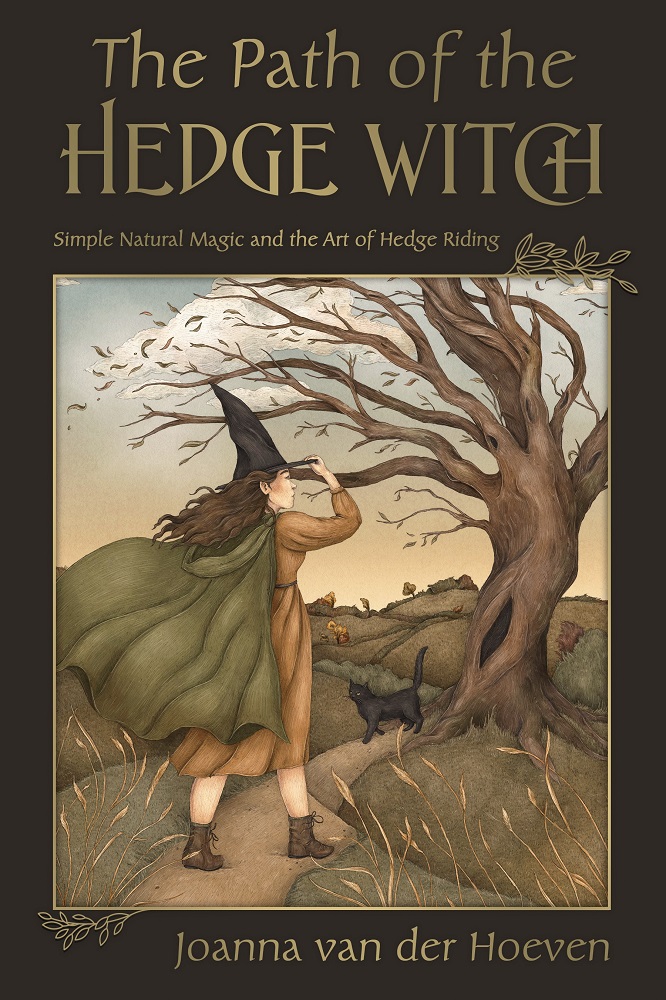
It is coming out 10 March 2025 in the US, and 31 March in the UK (kindle versions may arrive sooner). So, here’s looking forward to March, 2025!
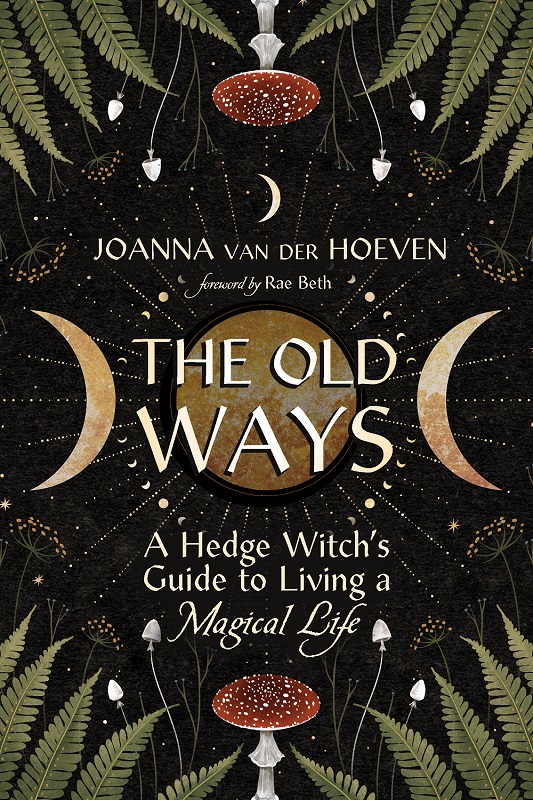
t’s been a year since The Path of the Hedge Witch came out! Where has the time gone? I’m nearly finished writing up the sequel, which hopefully will be available this time next year 🙂 Thank you to everyone who has supported me and my work. All the wonderful comments, emails, reviews and messages make me filled with gratitude for being able to share my experiences with you. Here’s to another year!
I’ve read lots of books. LOTS. And with the internet it is now so easy to leave a review on anything, especially books. There are websites solely dedicated to book reviews. In this blog post, I offer some pointers on how to leave a meaningful, critical book review based on my own experience both as a reviewer, and as one being reviewed.
1.Read the book. I know, this may be a bit of a “duh”, but you’d be surprised how many people leave reviews when they haven’t read the book, or have only read a couple of the first chapters. This means that the review is uninformed, and is really a waste of the reviewer’s time and those who are reading the review. If you just can’t bother any longer with a book, put it down, give it away, whatever – but don’t offer a review. Writing one up based on a couple of chapters isn’t worth the effort. When I’m looking for a book to read and I come across these kinds of reviews, they can be irritating, to say the least as they say very little about the book itself. And as a writer, I’ve had people review my work without having read a single word. One review was a one-star review, which said “bought this for a friend, but I don’t believe in all this witchy stuff”. That review was completely uninformed, and affects the overall rating of the book itself. Don’t be like that person.
2. Offer a critical review, without the ego getting involved. As I read a lot, I also read a lot of book reviews. And some of them are simply ego trips by people who want to try and prove that they know more than the author does about a certain subject. This happens quite often in Pagan non-fiction books. Every book will get at least one review by someone who “knows better” and is showing off that knowledge in their review. When leaving a review, get yourself out of the way first and foremost. The review is about the book, not you. Don’t be tempted to show off.
3. Offer a critical review. Following on from the point above, don’t be afraid to leave a critical review. If you didn’t like a book, say why and give examples.
4. Don’t dismiss a book because you didn’t like something the author said. I have been guilty of this in the past, before I wisened up a little. If I came across something that I didn’t agree with, I’d stop reading and give the book away. What a waste of time and money! It is an immature reaction, which means getting your ego out of way. I’ve had to re-buy books I discarded in the past because I had been overrun by my ego. Keep reading, and take what you want out of the work, rather than throwing the baby out with the bathwater. Granted, some books can be so badly written, or so factually incorrect that after several of these instances you just give up. If that is the case, and you still want to leave a review, then state this clearly and the fact that you have not read the entire work. Give more than three examples, to show that you have tried your best but just can’t get on with it. Or just leave it be. Remember the second point above when writing that kind of review. Review intentionally, rather than writing a reactionary one.
5. Review what is in the book, rather than what you would have liked to have seen in the book. This is another bugbear for me when I’m searching for a book and reading reviews to help my decision making. It’s totally unhelpful to read what someone wanted to see, rather than what was actually in the book. Speaking as an author, there are many reasons why some things haven’t made the cut in a book which you may have liked to have included. Word counts are a big thing. What your editors think should be included or not included is another one. What you want to focus on in your own work is highly important, so don’t play to the gallery. Review what is in the book first and foremost, as that is the most helpful to those who are reading the review.
6. Rate the book appropriately. When handing out stars, be sure you do so correctly, as a single slip of the finger or mouse could mean that you write a glowing review, but only give the book one star. I’ve seen this on more than one occasion.
7. Personal reviews are great to read, and offering a bit of yourself in the review will endear others to engage with it. Whether you liked a book or not, feel free to write about your own personal experiences with the book, or with the book’s topic without getting too self-involved or showing off. This puts a real person behind the reviewer’s handle, and lets you know that a real human being engaged with this work and is leaving a heartfelt review.
8. If you must direct others to books other than the one you are reviewing, check your motives first and foremost. I have seen reviews (mostly bad) left by people in the Pagan community who are just ganging up on someone while trying to promote their mate’s work. Don’t be like those people. It’s bad form and is so easy to spot when reading reviews. If you really feel you must direct people to works other than the book you are reviewing, then try writing a blog post or a post on social media about the book or books you would recommend instead of putting that in another’s book review, as that can be so easily misinterpreted for the reasons that I have given above. It makes it suspect. If you enjoyed the work and can offer similar examples, go for it – those are great reviews to work with, but be clear to state first and foremost why you enjoyed the book you are currently reviewing, before recommending others of a similar vein.
9. What to include in a book review. It’s always good to start with a short summary of the book. Then move on to the important aspects of the work. Give each of these some attention, if there is more than one. Then give examples, and even short quotes if possible. Summarise with a concise conclusion, and be sure to title your review appropriately, as well as leave the proper rating.
10. Be respectful. As Net Galley states: “Be thoughtful and respectful about the work and the author. Aim for meaningful, not mean. Focus on the merits of the book, rather than the author as an individual.” Take your time when writing a review. Don’t rush it, and check your work, ensuring that there aren’t spelling errors, misquotes, etc. as this can make people turn away from your review.
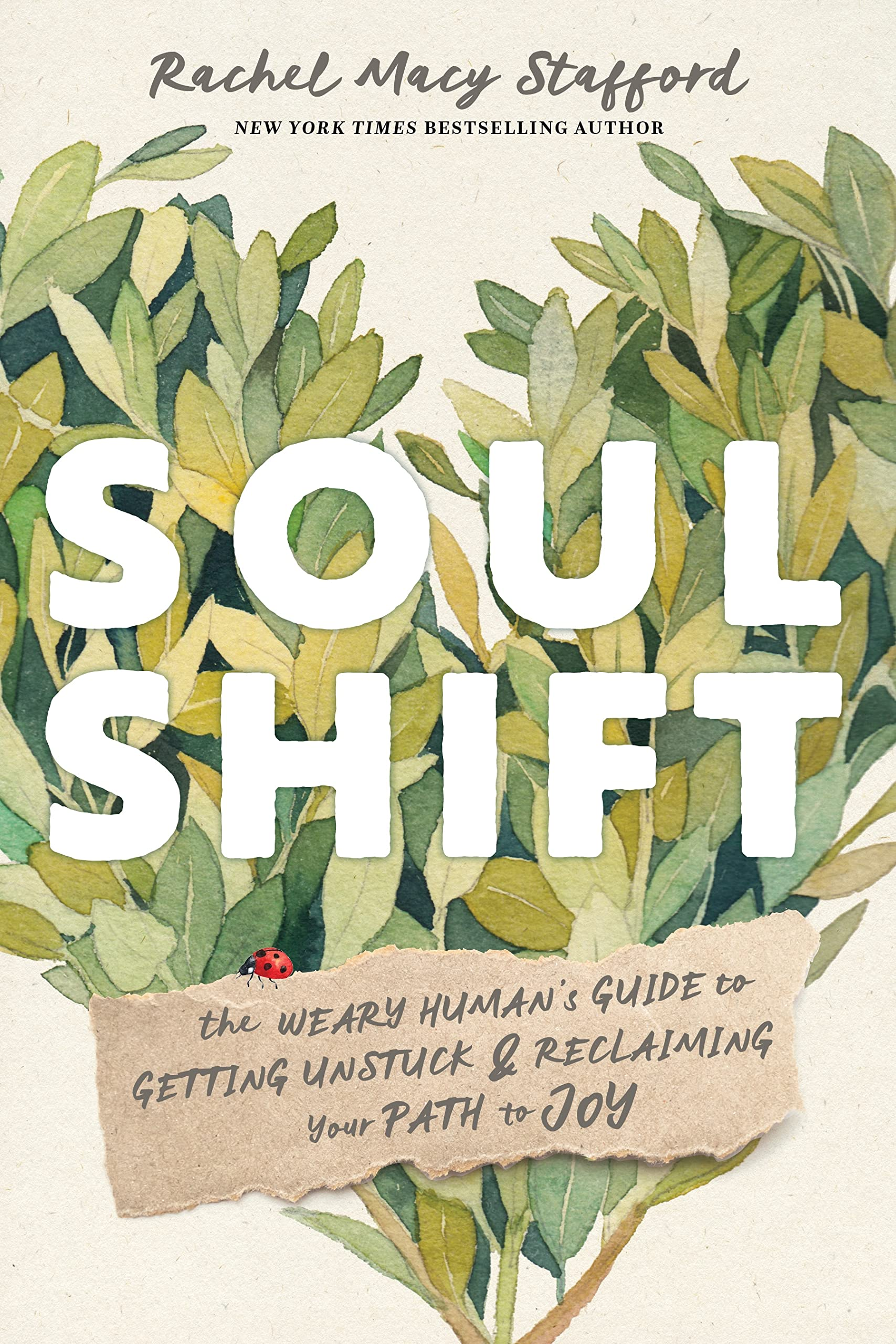
Soul Shift: The Weary Human’s Guide to Getting Unstuck and Reclaiming Your Path to Joy is a wonderful book, filled with wisdom and insight. Through the sharing of personal experience, vulnerability and little victories the author leads us on a journey towards finding our most authentic way of being, and how to show up for our lives. Showing up as our authentic self is not an easy thing in today’s world, however, Soul Shift guides us through the journey in small, easy steps and with inspirational mantras that we can use to return home to ourselves.
What struck me first and foremost was when I read “Just because you made mistakes doesn’t mean you are forever defined by them. Just because you took an unauthentic path doesn’t mean that you must stay the course.” So often we feel guilt and shame over our past mistakes, and we continue to beat ourselves up about them. Through the author’s insight, there is the dawning realisation that mistakes will be made, we will at times be unfaithful to our true self, we will make mistakes and choices that don’t accord with our deep self, but that these are learning points and not shameful events that we must punish ourselves over with again and again. What doesn’t work, the choices that we make that aren’t true to our nature and our own will: these can often tell us so much about how we should be in the world. What doesn’t work can be our greatest teacher.
The “Dreamer Girl”, that authentic part of the self that the author shares with us, resonated deeply with me. I have my own Dreamer Girl, a time before I was inundated with the world’s opinions on how I should be, where I should be, what I should be doing. I have been returning to my Dreamer Girl over these last few years, and a feeling of “coming home to myself” has been strong. Our true selves are always with us. My Dreamer Girl has always been there, and it’s through paying attention to ourselves that we can rediscover that part of our being. Take good care of your “Dreamer Girl”, for it is a part of you that can be your guiding light in the world. I know she is mine.
The author also touches upon a subject regarding how women are often pressured to give and give until there’s nothing left. We must be selfless in order to be worthy. But how she phrased it, by showing us that selfless means “less of self” we can begin to understand how this is not a sustainable way of being. We must learn to take care of ourselves, set clear boundaries that are in accord with our authentic selves, and listen to ourselves. “The practice of True Self-Worth is one of the most transformative practices I’ve cultivated on the journey. It has empowered me to make choices by heart, according to my core values and beliefs, rather than by societal standards or the expectations of others.” She talks about not throwing good energy at bad situations, and how to keep toxic elements out of our lives by protecting ourselves with our own inner guardians.
When we are portraying a false or fake image of ourselves, we are unable to make true, authentic connection. When we are being authentic and true, that’s when the real connection happens and you are able to see it spreading out into the wider world. Your own genuine connections will be stronger for it, for people will be connecting to the true you, not the person you are pretending to be on any given day. Those genuine connections are where love sits deeply and comfortably, both in yourself and with others. “Know these acts of acceptance will lead to more significant surrenders that will bring unexpected joy and peace to your life.” The ability to love and be loved is when we are being our most authentic selves.
Kindness creates peace, as the author so beautifully states. She also mentions how growth and healing are fluid processes, rather than being competitive in nature. “I promised right then and there to reserve ‘best ever’ status to recipes, not humans”. I also took away her words that “Someone else’s opinion is not my truth”. Words to live by. I was also blown by the realisation that other people’s disappointments in me need not shatter my own peace and my own life. I feel that this may be a very powerful way of moving forward in my own life. She states “There’s no peace worth keeping if it requires me to betray myself and what I hold most dear.” We have to be okay with other people’s disappointments in us. In fact, should this happen to me again, I will be using the quote “I am okay with your disappointment in me,” rather than betray a part of myself through sublimation.
Every day our stories are being written. Every day we have an opportunity to show up in our life. This book is not a book about how to be perfect, but rather how to be a perfectly imperfect human being filled with grace and peace, leaning from the stepping stones of our past in order to walk awake and aware into our future. This moment, right now, is what matters most; not yesterday, not tomorrow, but this present moment. It’s the only moment we can truly show up for, in all honesty.
We can all learn how to “walk differently in the world”. Taking steps that are right for us. Connecting with our deep sense of self, who we are, what we will and will not tolerate, what brings us peace and joy. We can make soul-deep connections that nurture and sustain us, rather than upset or drain us. By listening to our self, by being true to who we are, by coming into our own authenticity we can move forward as sovereign beings that make a real difference to the world, simply by showing up and being free.
Since the release of his book, Surrender, I’ve been thinking about this concept that Bono talks about in so many different ways. In one tale, presented live on the “The Late Show” (see video below) it really struck a chord within me (pun totally intended).
He talked about how he had (and still has) to approach his wife of 40 years within such terms. He spoke of approaching her like this: “Only if you arrive at her fort defenceless, do you have half a chance in challenging her own, almost unbroachable defences”.
I thought that this was utterly beautiful. It could be applied to so much in life, not just your loved one. For me, it’s about being authentic, about being truly and utterly you, to whomever it is you are trying to connect with. It could be your life partner, your parents, your children, your gods, your ancestors, your community.
When approaching the gods, there is no point in putting up a mask, surrounding yourself with defences. They are gods. They see through all that crap. If you choose to open up your soul to a god, then there is no need for games, for duplicity or falsehoods of any kind. There is only you, and the deity.
It’s much the same with your life partner, family, ancestors, even those of your community. Those who think that they are fooling you with guises and masks are only fooling themselves. People are more perceptive than many think. We know when something or someone is “off”, it’s just that often we choose to ignore that instinct.
Authenticity is about surrender. It’s about being utterly human, being utterly you. It’s acknowledging the good and the bad and everything in between. It’s about working towards being the best person you can be, without masks, without disguises.
This doesn’t mean you have to let go of all boundaries. But if you truly want to connect on a soul-deep level, it is about being totally, utterly you. Letting down your defences also allows those to come to your aid. Keep them up, and they keep everything and everyone out.
The concept of surrender, and of defences, is one that I am going to chew over for quite some time this winter. In the stillness and silence of a winter’s day, in the overarching darkness of a long winter’s night, I am taking this to heart and really experiencing what it is to live in this manner. It will will, I think, open up new ways of living and being that before were only imagined.
Release date for the paperback version of The Path of the Hedge Witch has been pushed back due to backlog at the printers. We’re now looking at November 8 release for the paperback. Kindle version still looks to be on track for and October 8 release though!
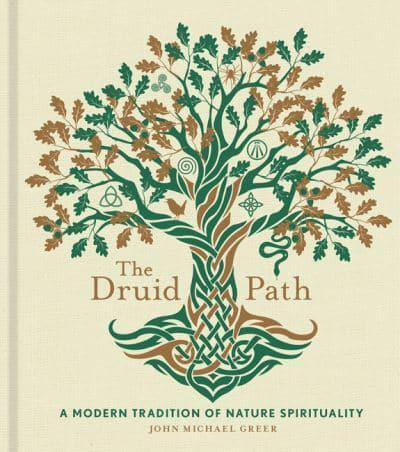
The Druid Path: A Modern Tradition of Nature Spirituality by John Michael Greer
Published by Sterling Ethos, 2021
This book is a great introduction to Druidry. I love a hardcover book, and this little gem published by Sterling Ethos is a really nice production. The corded cover with embossed title, the interior illustrations and the overall print quality is superb. We need more Pagan books that pay attention not only to the content, but also to the print quality and aesthetic! This book will last a long time, for sure. It’s in a nice almost square format too, which is different. It is an introductory book, so it doesn’t go into great length on any given subject, but it does cover all the essentials necessary to begin your path of Druidry.
It is divided into four sections: Part One looks at the sources of Druidry, including the ancient Druids, the Druid Revival and Modern Druidry. This brief history of Druidry covers all the essentials, as well as some new things that I have never come across, including William Stukeley’s elephants (you’ll just have to read the book for more on that one). I am also pleased to see a section on Women in Druidry.
Part Two looks at the Druid teachings, the different strands of Druidry and exercises to help one not just read about it, but also turn it into personal wisdom through experience. The section on “The Two Currents” I had not come across before in my own Druid learning. This chapter discusses the solar current and the earth’s telluric current and how to incorporate that into your practice.
Part Three is the practice of Druidry, an essential section that really shows how Druidry is a living practice, something that must be done, not just read about. I especially like Greer’s words on Druidry as a craft:
“Druidry is not an ideology. Like basketry, forestry, and many other words that end with –ry, it can be best understood as a craft. You don’t become a basket maker or a forester by believing some set of opinions. You become a basket maker by learning and practising basketry, and you become a forester by learning and practising forestry. In the same way, you become a Druid by learning and practicing the craft of Druidry. One of the things this means is that becoming a Druid isn’t an all-or-nothing matter. You start becoming a Druid as soon as you begin learning some elements of the Druid craft, and you keep on becoming a Druid as long as you keep studying and practicing that craft.”
In this section, Greer also introduces us to divination through the Coelbren alphabet, which is not used as much as the Irish ogham taught by many other Druid authors, teachers and organisations. This chapter also gives you some more daily practices and a couple of rituals to get you started.
Part four is about initiation into Druidry. The word initiation means “to begin” and so the ritual set out in this section provides the reader with a definitive point in time where they can say that they started out on the Druid path with directed intention to practice this craft to the best of their abilities. The self-initiation ritual is simple but poignant. Greer ends the book with the following words:
“A more important source of guidance than books and organizations, however, is the time you spend working with the basic practices of Druidry, listening to the One Life, and learning from nature. No one can do that for you. The only thing that limits how much you can learn and grow on the adventure of Druidry is your own willingness to pursue it.”
There is also a helpful glossary, bibliography, recommended resources and index.
I was very pleased with this little book that holds much wisdom. I’d recommend it to anyone starting out on the Druid path who wants a concise introduction contained within a beautifully printed publication.




 Down the Forest Path