November Skies

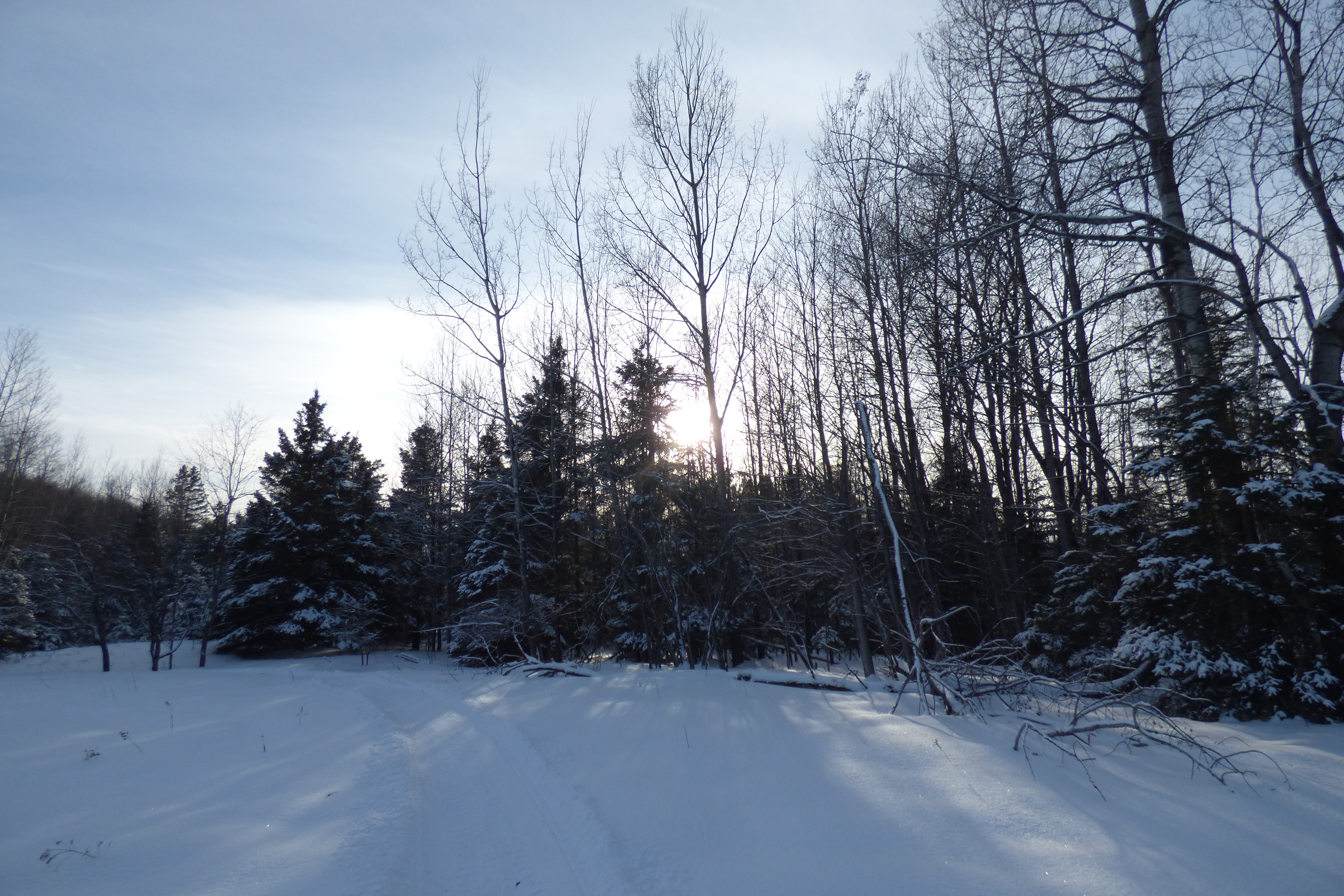
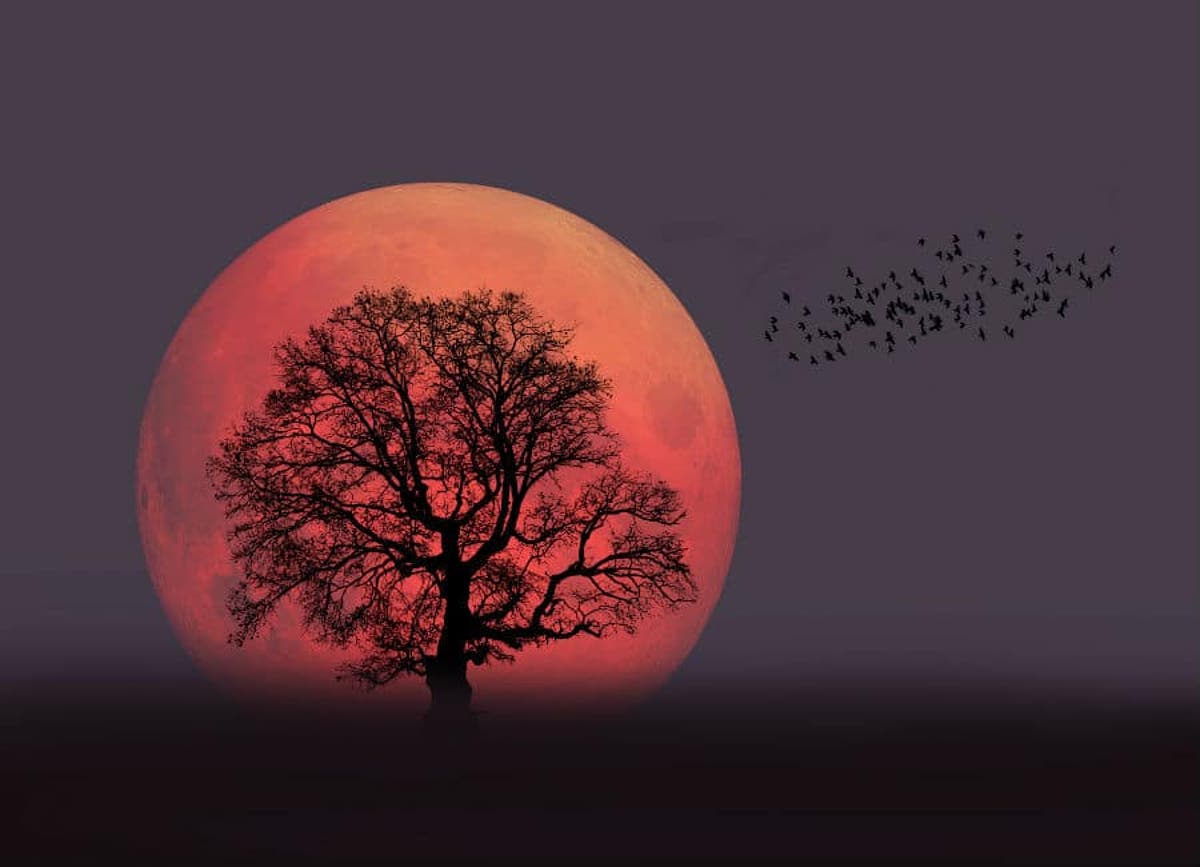
I hope that you all had a lovely Hallowe’en, Samhain, Winter Finding/Winter Nights, etc. Even though it has warmed up here in Suffolk, England these last few days, it still feels like winter is nearly here. There is a scent in the air, something indescribable that forebodes the season of long, cold nights. The light in the sky has turned wintry, the scudding clouds across the moon look moody, and the wild winds are here—yes, the Wild Hunt has certainly begun!

This weekend was the book launch for Book 4, Smugglers and Secrets from my fiction series, Witches of the New Forest. It’s been a crazy weekend, but I am overwhelmed by the amount of support for this series. The book sales were phenomenal, and Smugglers and Secrets reached number 11 in the top 100 paranormal ghost romance books on Amazon! It is still in the top 100 bestsellers in all three of its categories, and I am just so chuffed about it all. As well, production for the audiobook of Hedge Witch, Book 1 in the series, has begun!

Some friends and I had a lovely ritual in the back garden on Friday, followed by a meal indoors. I had found some writings on an old Suffolk ritual called Horkey, or Horkney, and so tried to recreate some of that for us. It was fun! My neighbour even played her accordion for us during a part of the ritual where we sat and thought about our ancestors after laying down offerings for them. It was a very special moment, with the rising moon shining in the sky, the wind blowing and the darkness descending. It’s a memory that I will cherish for many years to come.

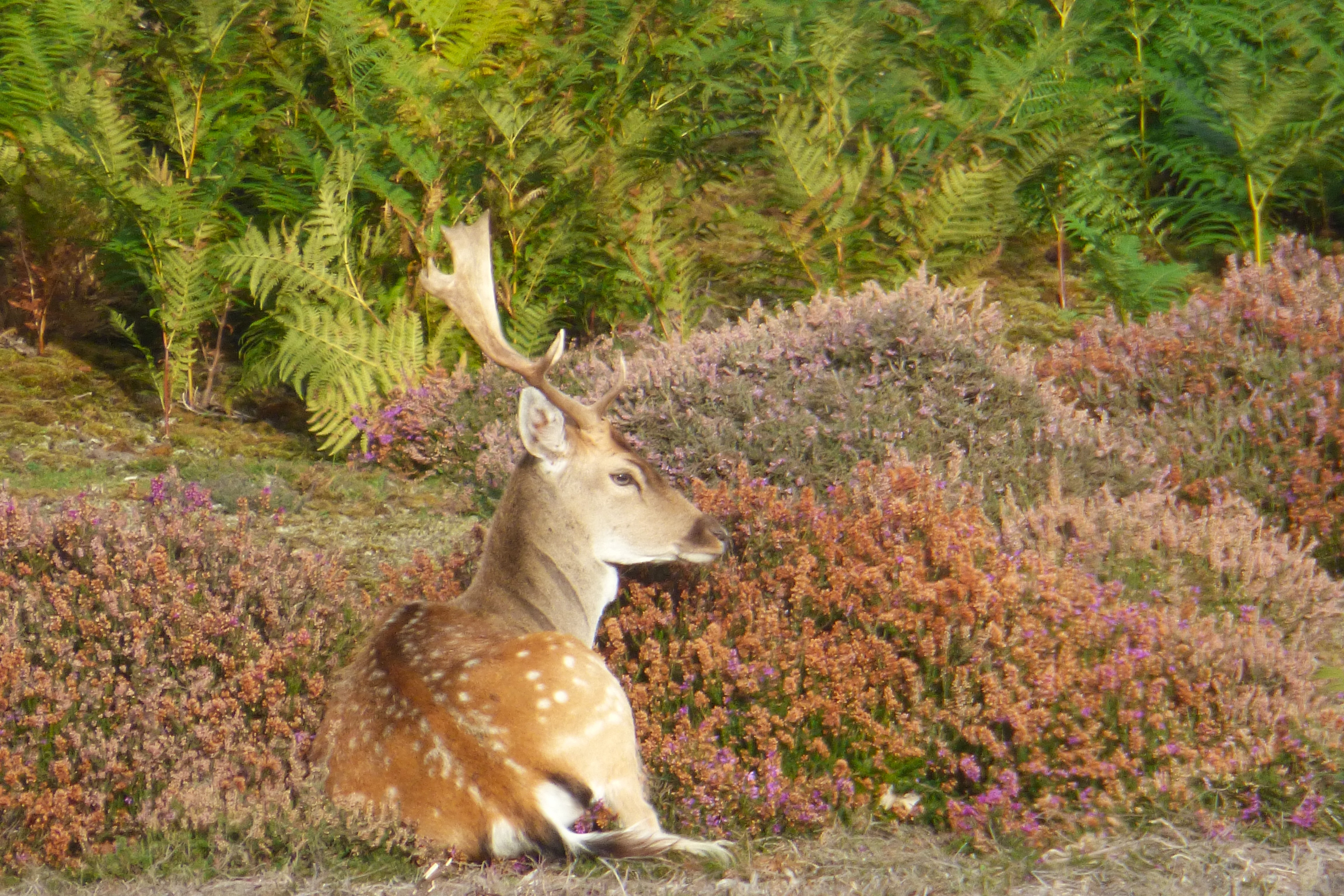
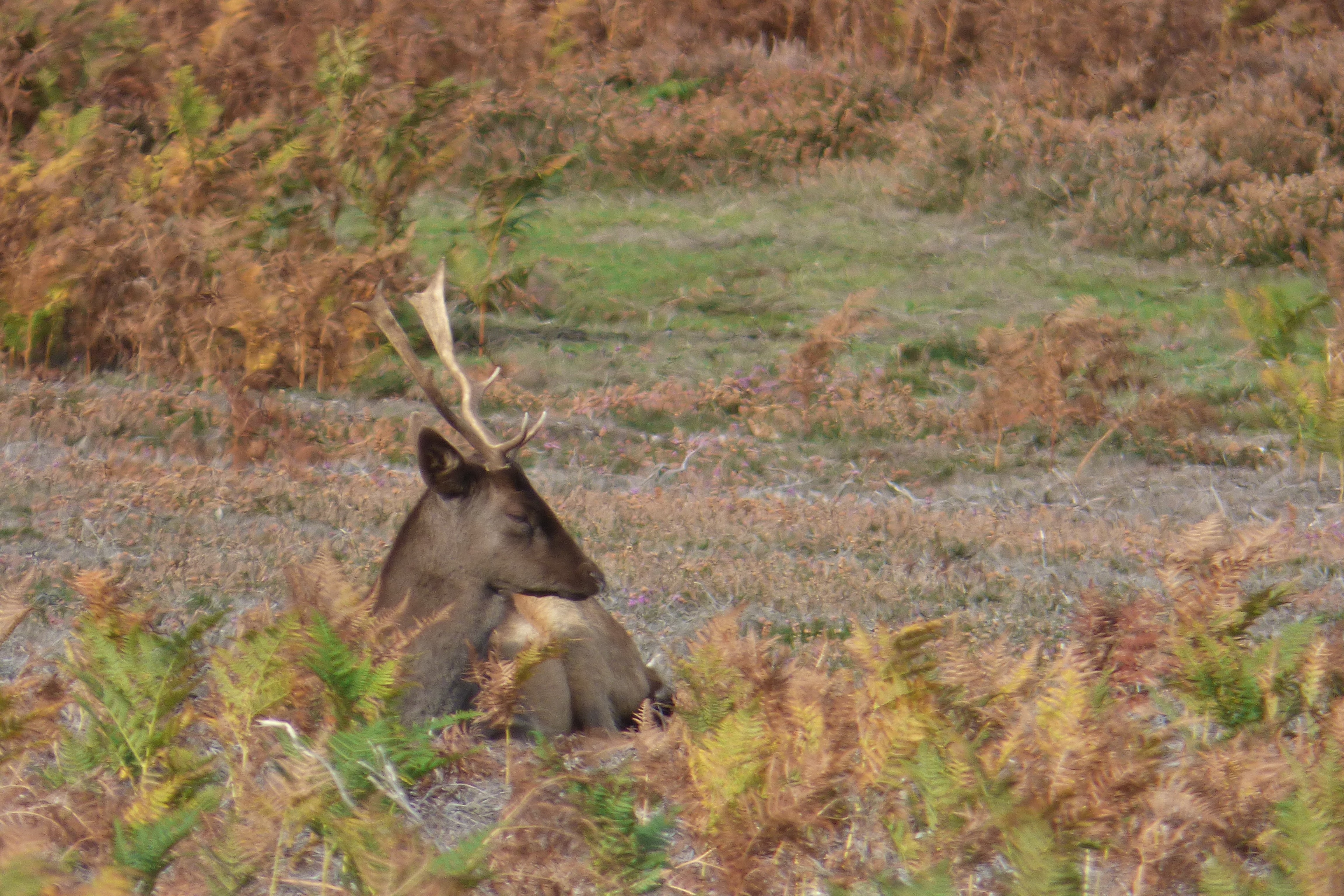
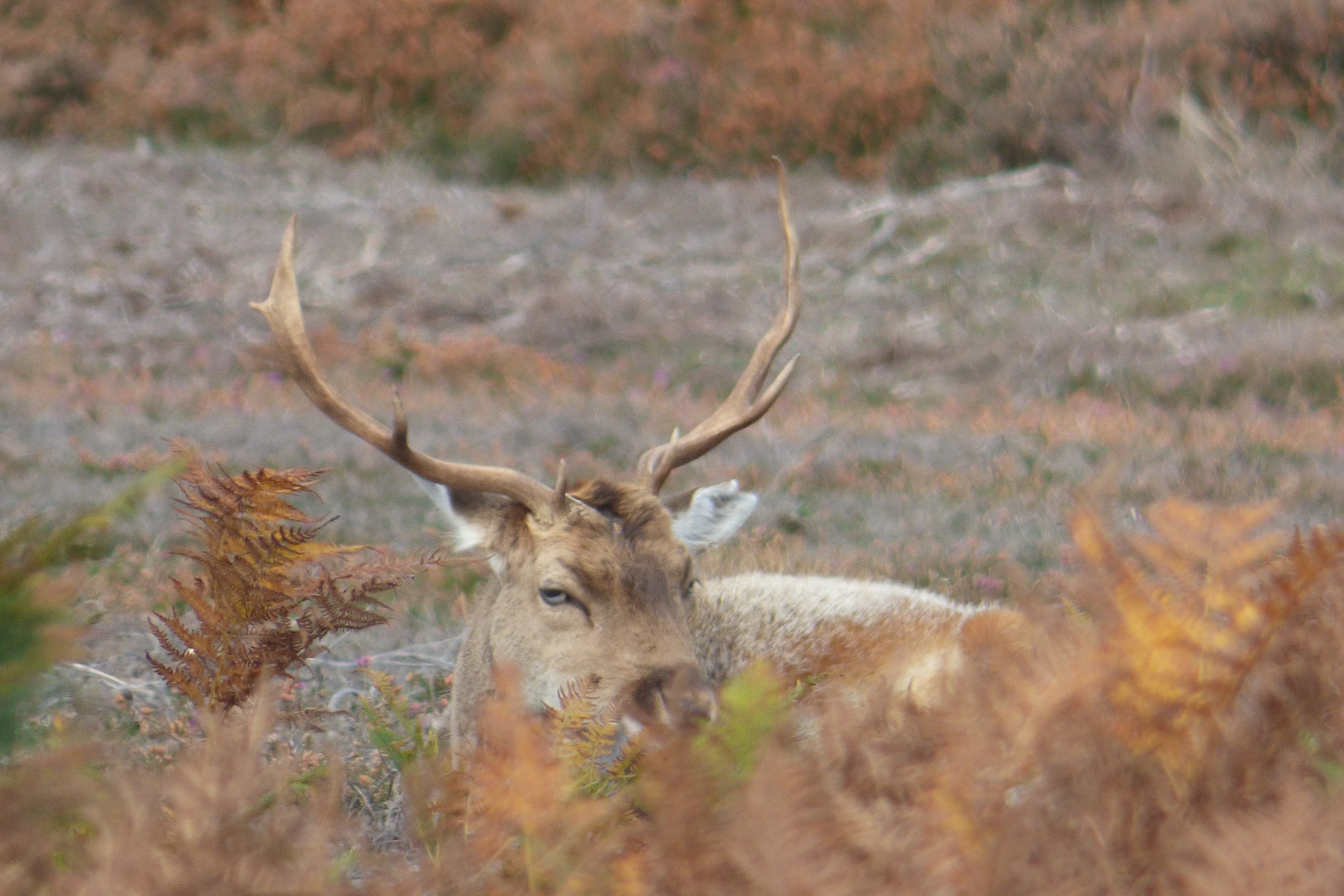
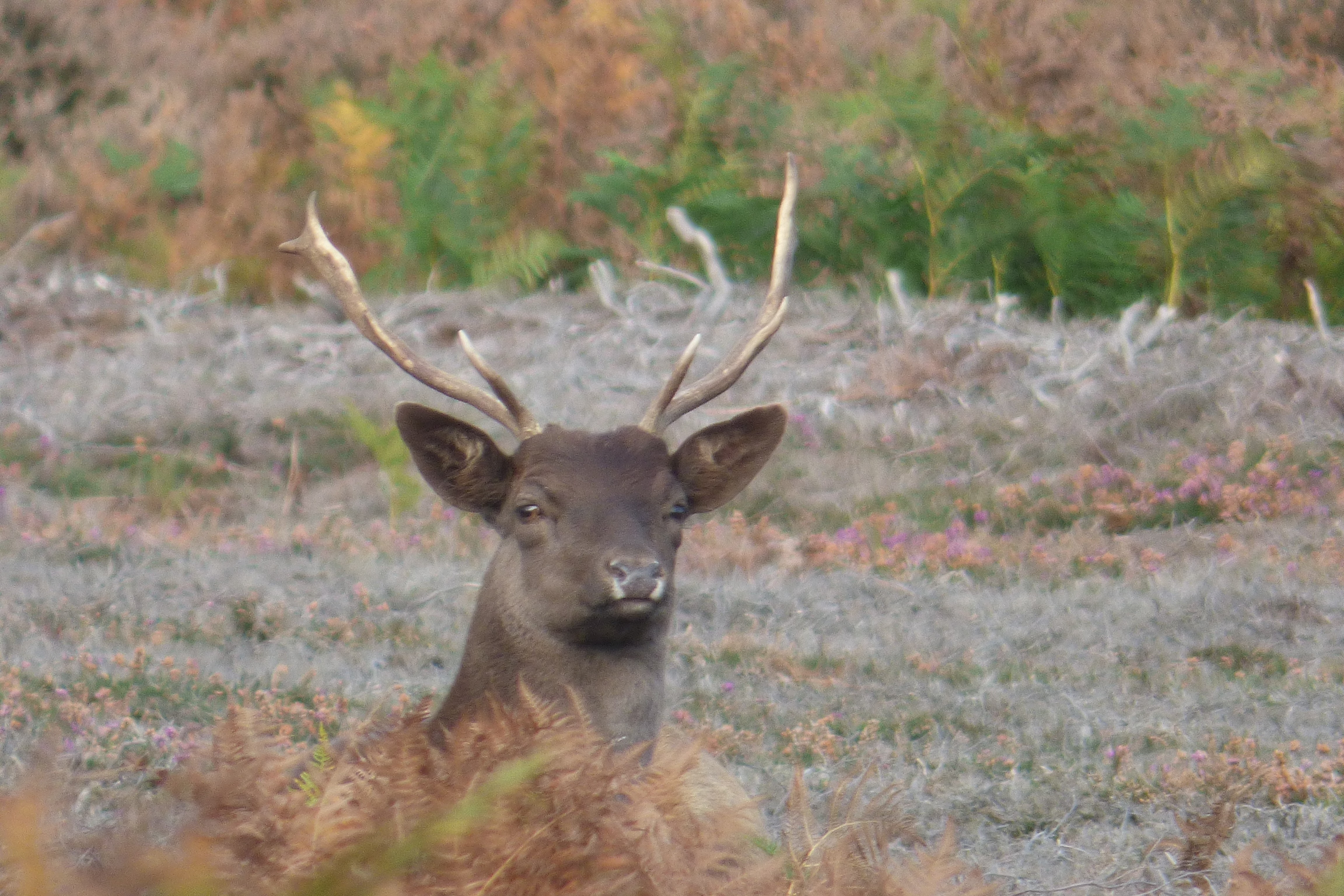
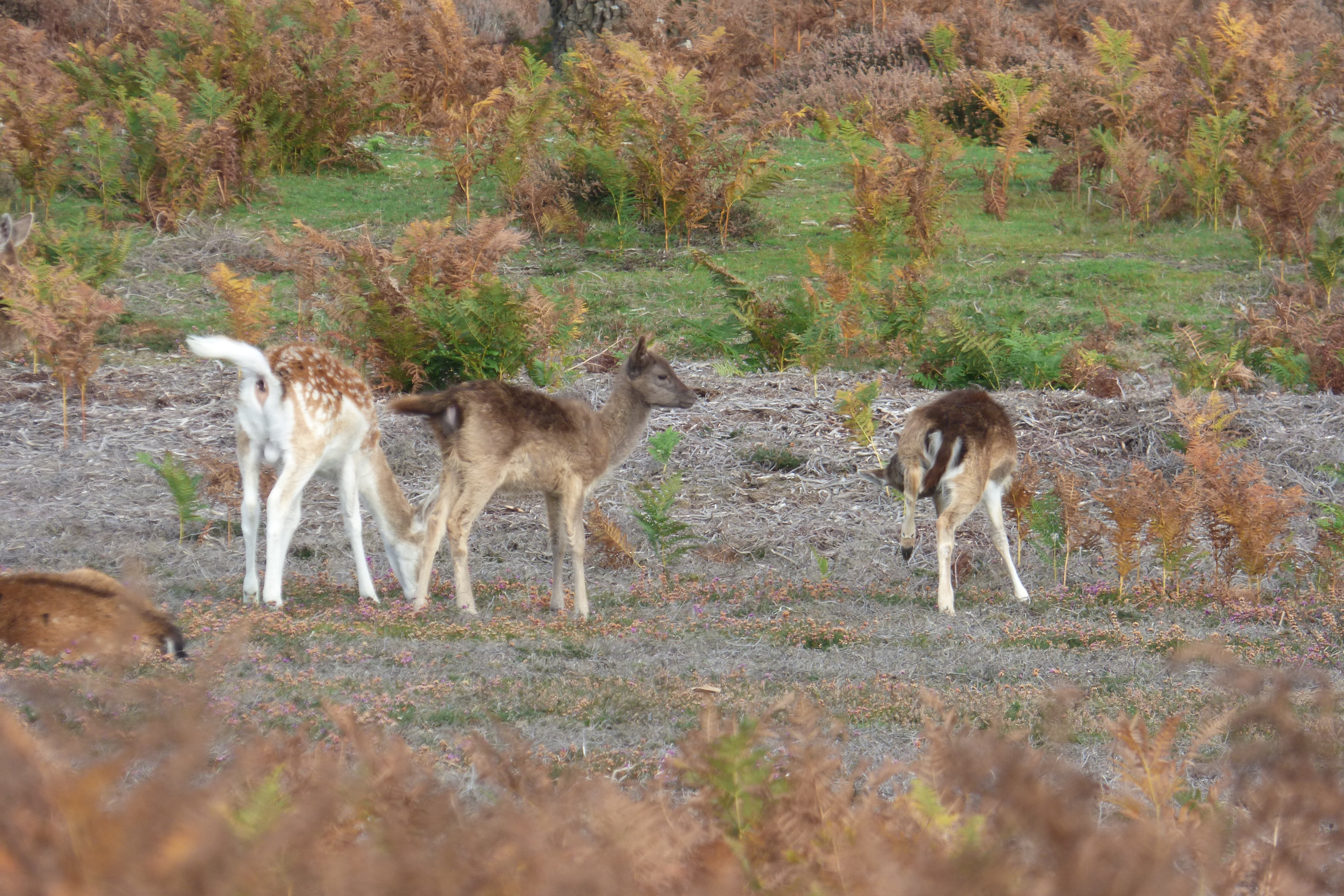
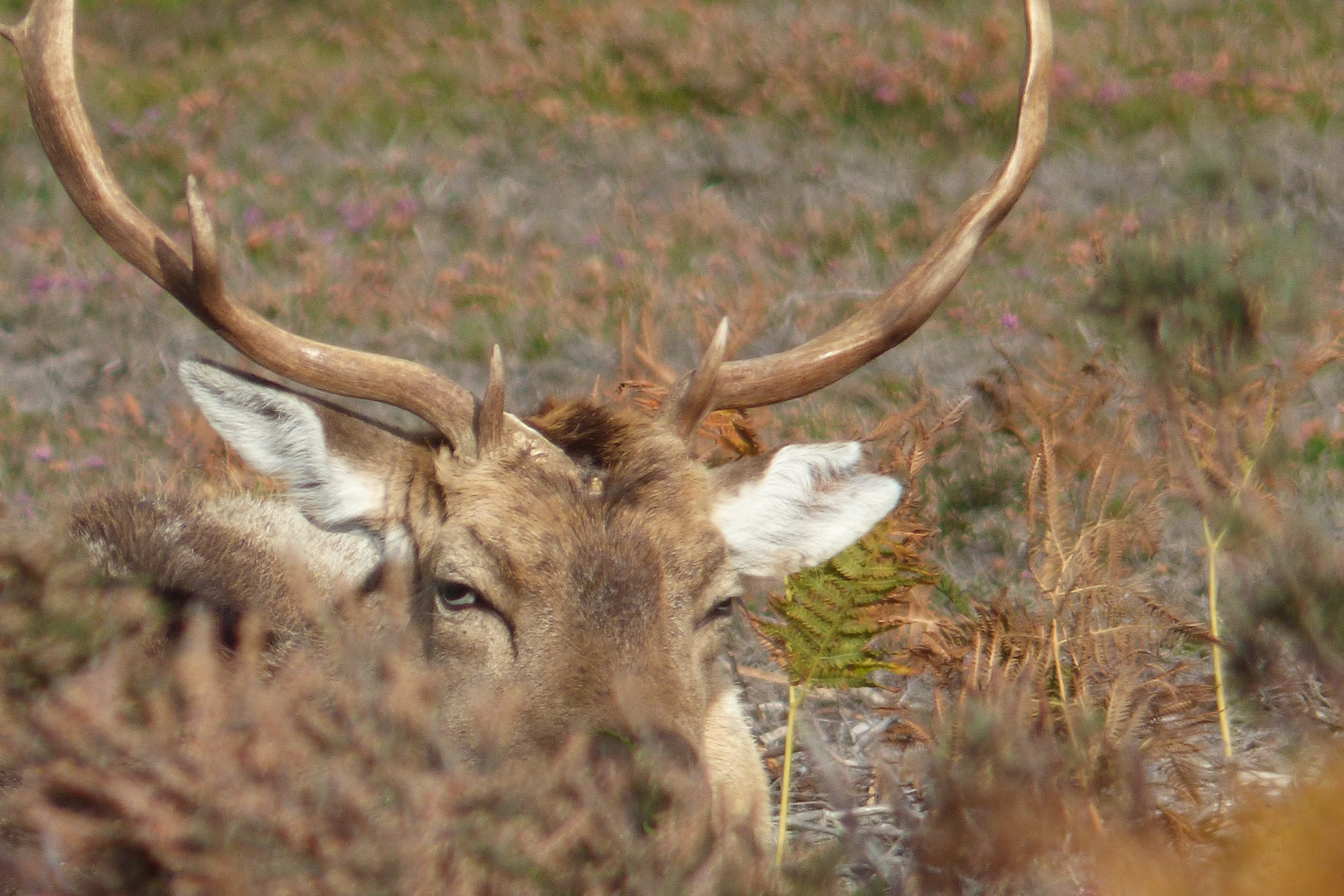
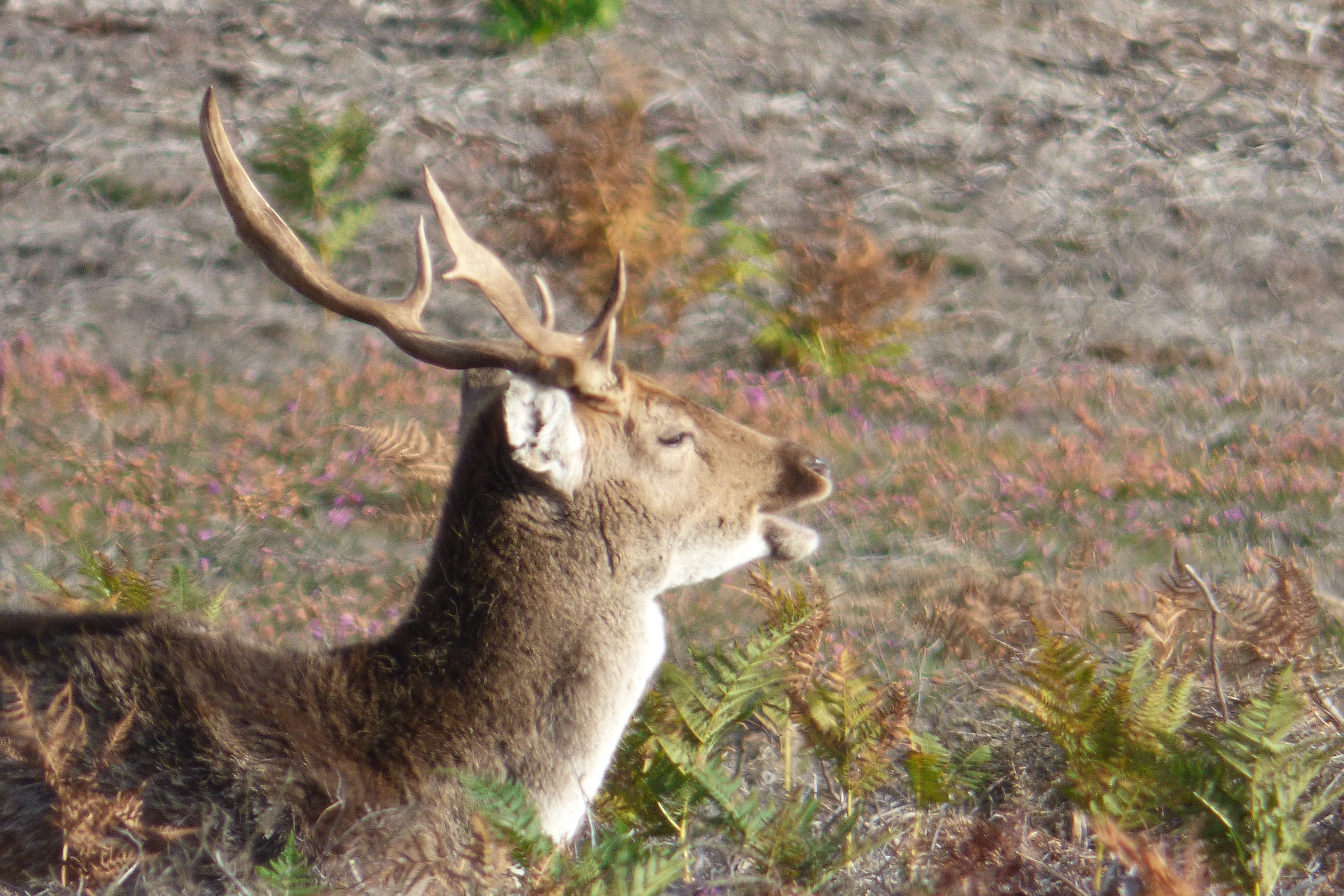
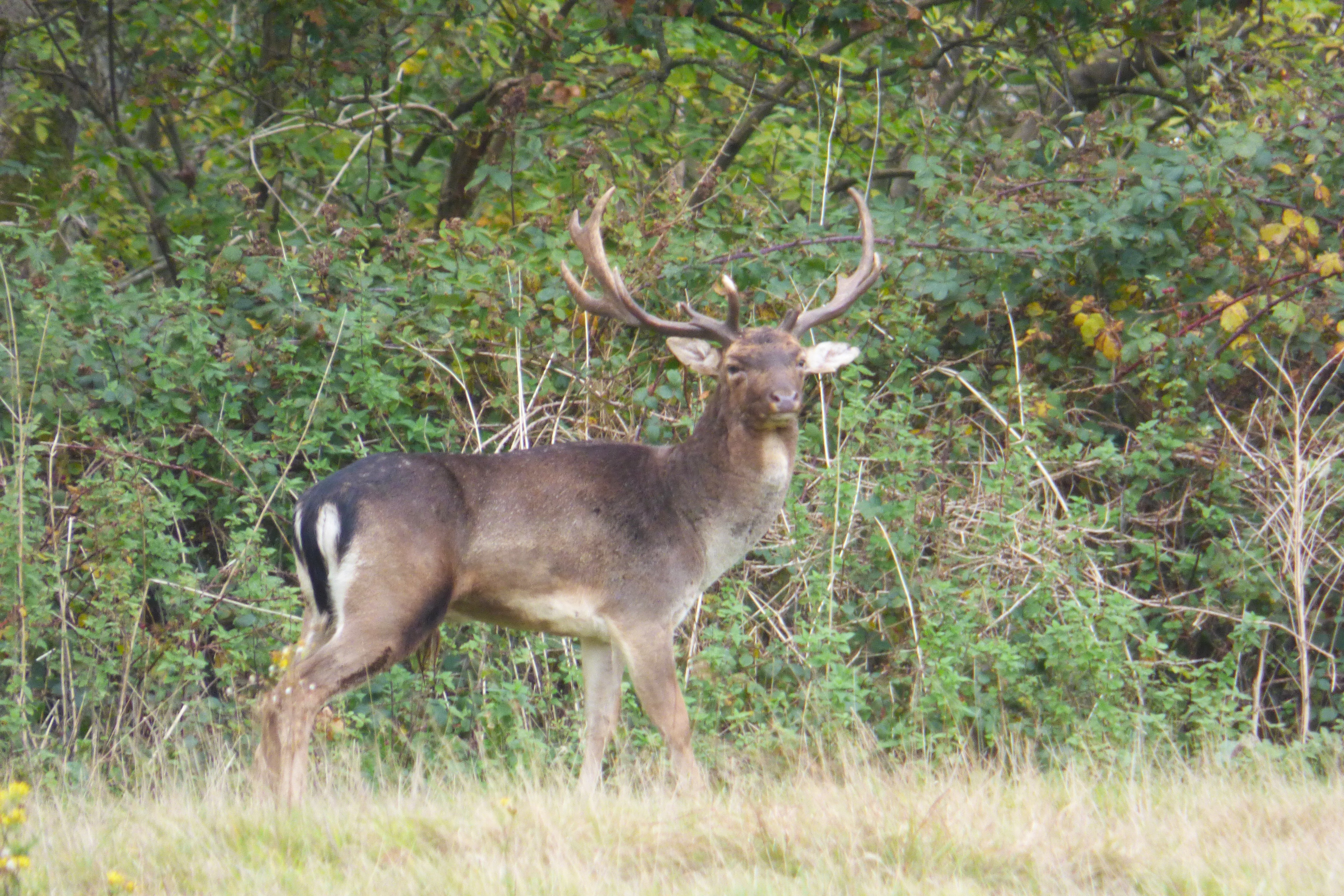
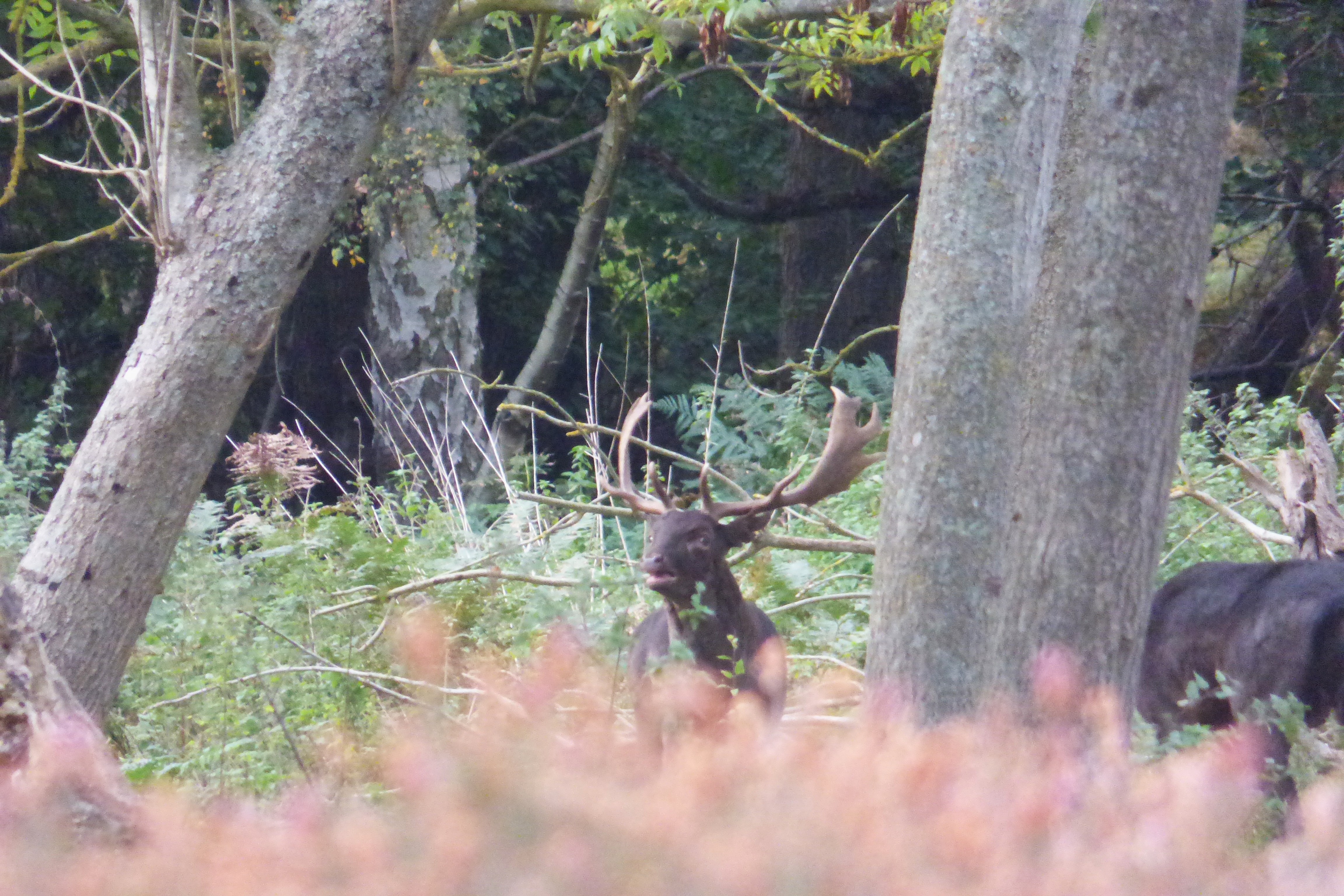
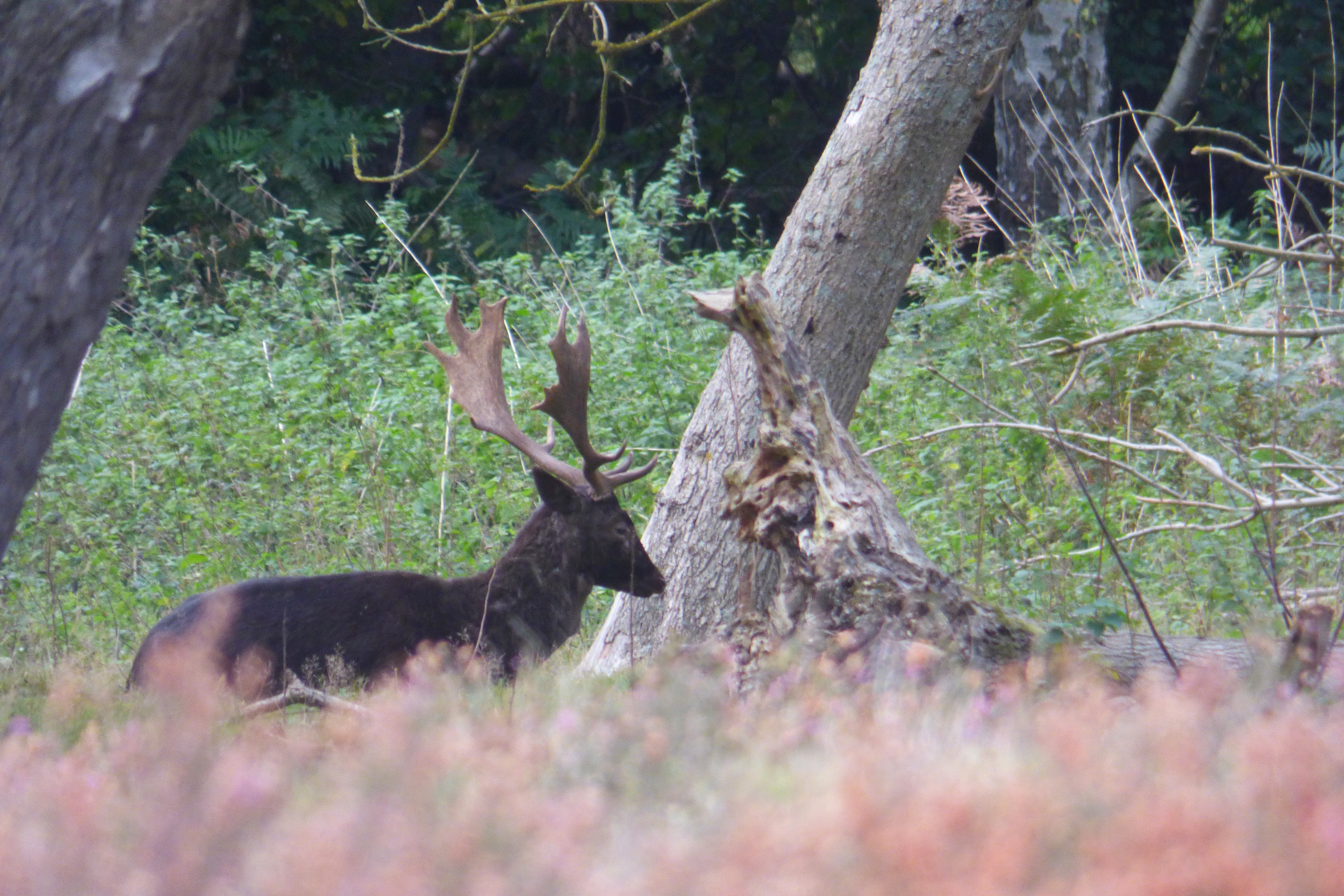
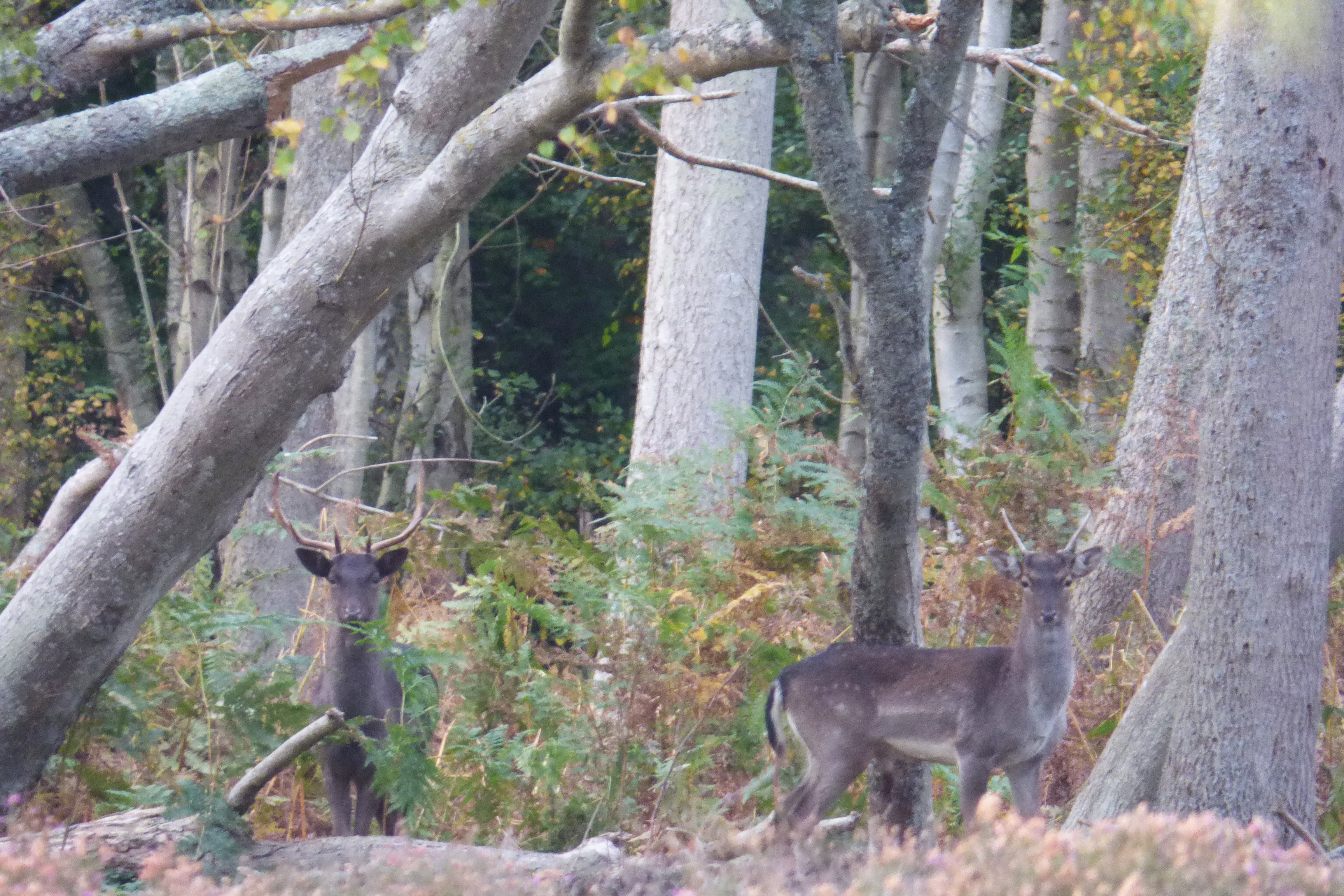
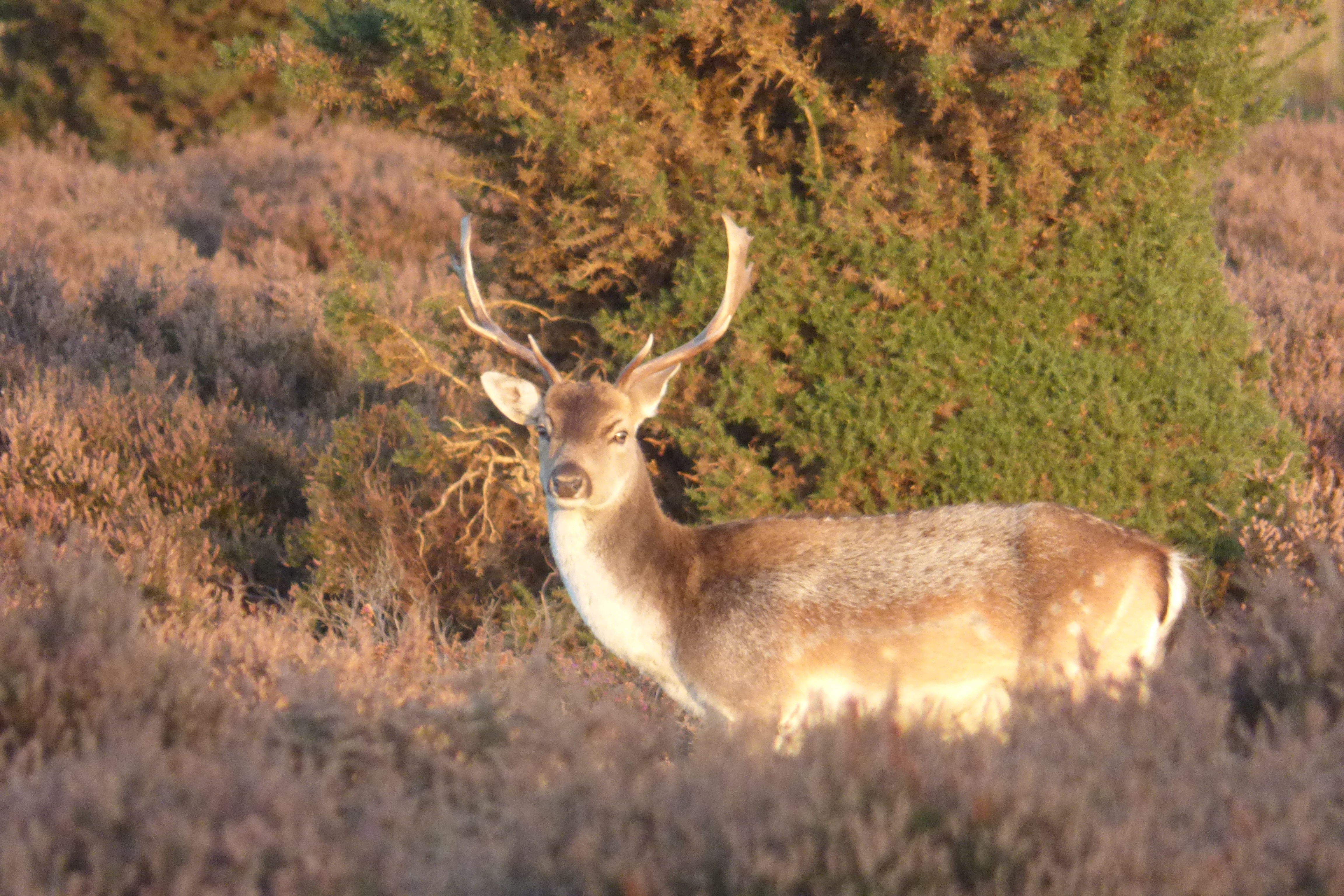
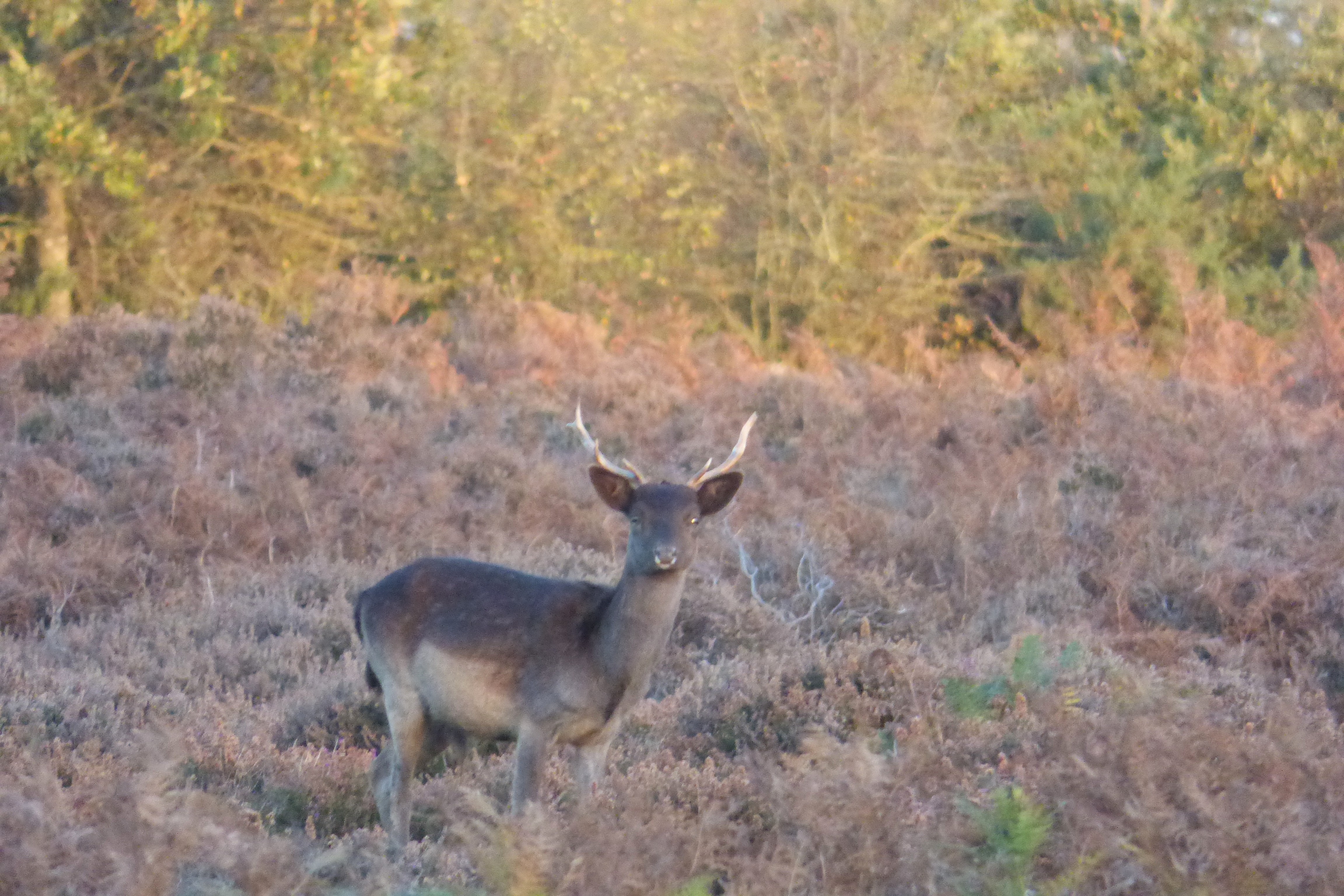
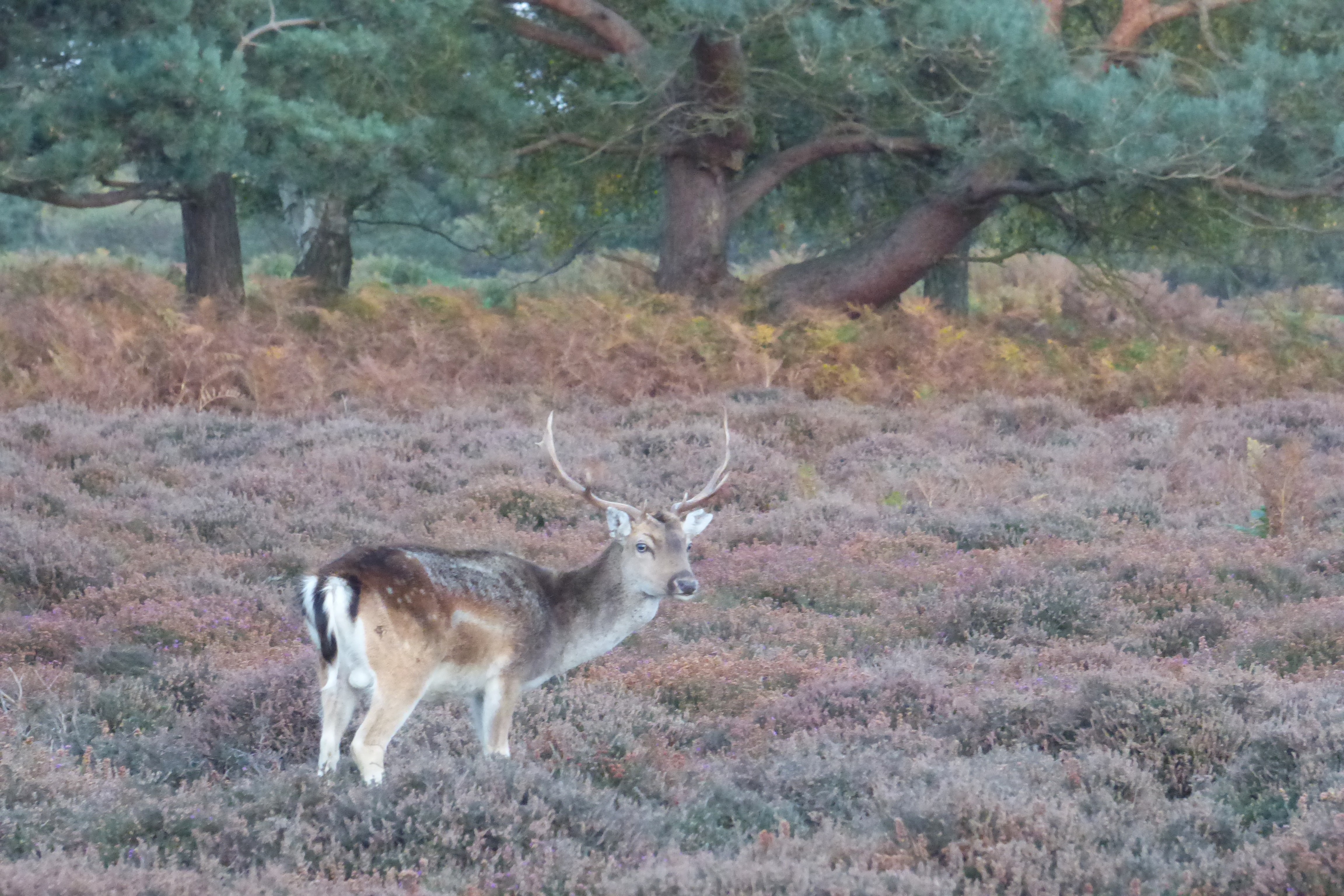
The deer rut continues, though it feels like it is winding down now. I shall endeavor to get some more photographs before the end, and share them with you here. Below you will find the few that I have managed to get in between the work of getting this book out, and the planning for the ritual we shared.

I love the month of November. The dark, windy days just seem to set the mood for this time of year. I don’t mind the encroaching night, nor the loss of the warmth. Instead, I love going out for walks, feeling the reflective and melancholy nature of this time, when everything is winding down, the skies are often grey and the feeling of the year’s work rest wearily in my bones. I’ve done all that I can do, and now it is time to simply be, to rest, to let everything go as the wild winds howl, the leaves come down, the rain lashes and the cold nights settle in.

I often feel a pull towards celebrating and working in the pre-Christian traditions of my Germanic and Scandinavian ancestors at this time of year. It’s a soul-deep yearning for connections to the gods, the wights, the ancestors. Though I work with the goddess Freya all year round and Skadhi during the cold season, this winter I might explore working with other deities, perhaps ones I haven’t tried to connect to before such as Freyr, Ullr or Odin. I enjoy the simplicity of a blót, the connection of a sumbel, the forthrightness of the core values that are held dear and the feeling of rootedness that it brings to me, as if I am walking with my ancestors from an age long gone, but which is returning to the modern world.

From here on the Suffolk coast of England, I wish you all Waes Hael!  

The Spooky Season and the Weirdos (and the Exhaustion of it All)

It’s at this time of the year when we Witches, Druids, Heathens and Pagans come to attention of many, especially in the media circles. Some are genuinely interested in our way of life, our beliefs and how we interact with the world. Most, however, just see us as a bunch of kooks to be brought out into the light of the jack-o-lanterns of Hallowe’en.

I have wondered lately how long this perception of us as crazy, misguided, weird or strange will last. How is it that believing in deities that are associated with nature is considered bonkers, but a dead guy claiming to be the son of God being resurrected is totally sane? Other religions (because for me, Witchcraft is a religion as well as a Craft) are, for the most part, not treated in a similar manner. Hinduism, Buddhism, Jainism—most of “isms” apart from Paganism—are treated with more respect. The constant mockery of our own past and attempts to reconnect to it just doesn’t make any sense whatsoever to me.

Do some of us like to dress up in robes and carry out ritual observances? Sure, but so does the Catholic Bishop, the Buddhist monk and the Taoist priest. Is it because we Pagans are not considered ordained clergy in the same regard (even if some of us have gone through legal ordination where we live?) and are just “play-acting” at being something we are not? That doesn’t make sense given our huge cultural influence of Protestantism, where one does not have to be a priest in order to connect with deity (or ancestors, spirits of place, whatever one chooses to have a relationship with). One can deny it all they want, but threads of Protestantism are rife within Western culture, from the work ethic to the ideas of self-sufficiency, both in the mundane and in the spiritual sense.

I am so tired of being considered an “outsider” simply because I want to research and recreate a spiritual tradition based on my pre-Christian ancestors and cultural roots. In the grand scheme of things, Christianity is so young, and we as a society have barely even begun to be Christianised, let alone stop being Pagan. We anthropomorphize non-human beings and objects, we have folklore and superstitions that are embedded in every culture, and we have such a real, visceral need to connect to nature that nowadays, when we cannot, we are medically diagnosed as suffering from “nature deficit disorder”.

When will the time come when at a party or gathering if someone asks you about your personal life and you tell them that you are Witch, or a Druid, or a Heathen, you don’t get a strange look, a raised eyebrow, or an instant dismissal of some kind? That people won’t question your intelligence or your sanity because you choose to follow a spirituality that is earth-based, or that incorporates ancestral veneration, or that you have relationships with more than one deity? That won’t scoff when you say that you practice the magickal arts, even as they go to church and take part in the Eucharist where the wine becomes the blood of Christ through consubstantiation? When will all aspects of Paganism become “normal”?

Then again, do we want to be normal? Is there even such a thing? I certainly don’t think so. But it would be nice to not have to explain that we are not worshipping the Devil (unless you are, in which case, it should make for an interesting conversation to say the least, if the person you are talking to doesn’t go running and screaming for the hills), that we don’t dance naked around a fire (unless that’s your thing, but it’s usually too bloody cold or buggy here in the UK for that), or that you can turn people into toads (if only). That the jokes about all these things would be considered politically incorrect, and that we would no longer have to put up with this nonsense. That we wouldn’t be considered freaks, weirdos or nuts. That we just want to practice what our ancestors have done, and try to recreate some of the old ways as much as we possibly can so that we don’t forget our heritage. That we find new ways to practice and adapt the old ways in order to fit into a modern life.

There are some benefits to being an outsider. You can look at things more objectively, when you are not right in the thick of something that is considered culturally normal, even superior. That you are transgressive, in some way, which kind of makes you a little dangerous (and who doesn’t like that feeling every once in a while?). But it is also a constant battle of wills, to try and be seen and heard for what you are without the ridicule, mockery, disbelief and sometimes outright hatred. We think we have moved on from the witch hunts, but just how much have we progressed? And how far do we have to go?

The layers of Christianity and patriarchy that underly all of Western society certainly doesn’t help. But we are in 2025, for the goddess’ sake. In my lifetime alone, we have seen amazing advances in technology, society and psychology. But there is still so much more that needs to be done. And I often wonder if I will ever see a significant change in my lifetime. Will I ever be able to meet someone new, and not feel awkward about telling them about my spiritual life, if they should ask? Will it ever just be easy?

Maybe it’s just not supposed to be easy, at least not yet. There are still many mountains to climb, both literally and figuratively. Maybe we still need to the be the ones who wake others up to a world that lies beyond their own.

But dammit, some days it’s just friggin’ exhausting.

Happy Hallowe’en, Witches!

September Full Moon and Eclipse Magick

September and October are my favourite months of the year. Nature is winding down, the slant of afternoon sunlight is more golden, and the smell of fallen leaves drifts through the air. This September has started with rain, finally, here in the East of England. We still need much more rain, even though storms have come and gone almost every day this week. Our rivers, streams, and reservoirs are still low, and we hope that this autumn and winter they will be replenished, as last year they hadn’t been filled over the colder months as they should have been. The heat and dry weather over the last six months have taken their toll on the trees, grasses, and wildlife in the area.

And so, I welcome the rain, and the coming autumn months. I seek respite from the harsh sun, from the heat and humidity. I long for the cool breezes, for jumpers and jeans, for cold nights and the scent of woodsmoke from the cottages around me.

The full moon on Sunday, 7 September reflects this feeling. Here in Britain, the full moon will rise in a full eclipse, something which will be spectacular to see, if the skies are clear on the horizon. I hope to watch it rise from the North Sea, blood red and powerful during this harvest time. For me, this eclipsed moon and its deep red colour connects me to my ancestors and the hard work that they endured during harvest season. It is also a magickal moon, which connects me to the wise women and cunningmen of my ancestors, whose gifts have been passed down from generation to generation.

It is a moon also of manifestation: with the aid of the ancestors, allow the power of this lunar eclipse to manifest for you what it is that you have worked so hard for all year long, with the extra energy of not only the full moon’s magick, but the eclipse, blood-red energy of the ancestors who have got your back.

Attune to your power, and know that long lines of ancestors stand behind you. Those magickal people who have passed down their gifts in your bloodline will want you to succeed, to thrive. Use that energy during this moon, and be blessed.

P.S. Don’t forget, pre-order are now available on Amazon for Smugglers and Secrets, Book 4 of my fiction series, Witches of the New Forest 🙂

The Aesthetics of Our Traditions

It had been a busy couple of weeks. I finally finished the manuscript for the third book in my new fiction series, Witches of the New Forest. I also had another book published with Llewellyn Worldwide released on Saturday, which quickly hit the top of the charts in its category. I was absolutely thrilled, but I also needed some downtime.

I went to my special reading/relaxation room (our spare room is a devoted, sacred space) and rearranged my altar. I do so every few weeks, to match both my mood and my needs, and what I see reflected around me in nature. After I had settled down, I meditated for a while just to reset myself and find my centre. And then I opened my eyes.

I was instantly struck by the beauty and wonder of my spiritual path, of my religion. There on my altar, the candles flickering, the statues of my deities gathered round, the plants, stones, and tools of my Craft were laid out before me. The aesthetics of its hit me like a ton of bricks. And it was then that I realized the huge importance of aesthetics in both Witchcraft and Druidry, and how it shouldn’t be dismissed so easily.

Because too often we can dismiss these things as superficiality. “It’s all just surface, and the real stuff, the real work is what matters most.” But right then and there, I got it.

I got it.

It was what drew me to Witchcraft and Druidry in the first place. The tools, the beauty of the natural world, the images of deity, the rocks, stones, and crystals collected on my journeys, the sight of a plant sprouting new leaves, the flicker of a candle flame, the scent of the oil burner, the music gently playing in the background: I understood the importance of these things on a visceral level.

Because we need beauty in our lives. We need joy, and wonder, and creativity. We need that which makes our hearts sing, in order to continue this journey through life.

Many of us in the Western world are still under the influence of Protestant Christianity. Buddhists have their temples and incense, Roman Catholics have their mass and cathedrals, First Nations peoples have their art and their ceremonies. But the austerity found in many sects of Protestantism has been passed down through generation upon generation here in Britian and also throughout North America. The churches are stripped down to bare essentials, the incense is gone, the choirs are absent. The beauty of the rituals is harder to see with the naked eye, and stripping away all of that, I believe, has led us towards a reunification and a deep longing to reconnect with beauty and aesthetics. Much as I adore the beauty and simplicity of the functional Shaker style, my heart still years for more. More ceremony, more ritual, more pageantry.

We can get just as much out of these things as we can in one to one communication with our deities, the spirits, the land, or whatever it is that we work with and have deep relationship. While my own tradition still favours simplicity in all things, I can still appreciate the robed rituals, the poetic words chanted under the full moon, the drift of the incense smoke on the wind. These are the things that first caught my eye when I was seeking a religious and spiritual path that resonated with my soul. These are the things that still draw me back, time and again.

We are visual creatures; we cannot deny that. We see in colour. We need to indulge in that sense sometimes, to make our hearts sing once again. We need to feel the rich textures, to taste the indulgent flavours, to hear the sweet music, to smell the scents that fill us with passion.

There is nothing wrong with enjoying a ritual simply because it was visually stunning. What our eyes see, also goes to our hearts. Those memories will carry us through hard times. They will bring us back when we’ve lost our way. They will connect us to like-minded people. The aesthetics of our Craft and our tradition are not just surface value: they are essential.

Does that mean that every ritual has to be filled with these things? Of course not. We do what we can, when we can, and however we can. But in our hearts, we carry the feeling of those beautiful rituals into every other ritual that we do, that sense of wonderment and enchantment when we were truly moved in a previous experience. Although not every ritual will have that same result, we still have that within us, and can still seek it out, in both ritual and in our lives.

It’s not shallow to love the aesthetics of our tradition. It’s a part of our heritage, and instead, we should celebrate it, in all its various forms.

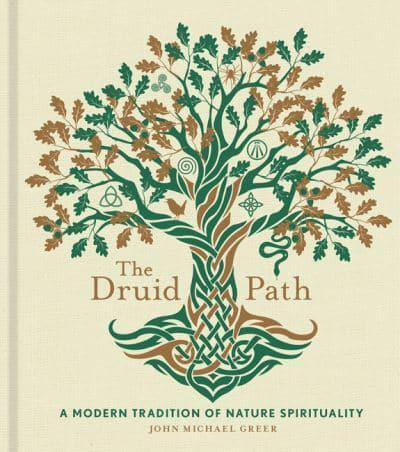
Book Review: The Druid Path: A Modern Tradition of Nature Spirituality by John Michael Greer

The Druid Path: A Modern Tradition of Nature Spirituality by John Michael Greer

Published by Sterling Ethos, 2021

This book is a great introduction to Druidry. I love a hardcover book, and this little gem published by Sterling Ethos is a really nice production. The corded cover with embossed title, the interior illustrations and the overall print quality is superb. We need more Pagan books that pay attention not only to the content, but also to the print quality and aesthetic! This book will last a long time, for sure. It’s in a nice almost square format too, which is different. It is an introductory book, so it doesn’t go into great length on any given subject, but it does cover all the essentials necessary to begin your path of Druidry.

It is divided into four sections: Part One looks at the sources of Druidry, including the ancient Druids, the Druid Revival and Modern Druidry. This brief history of Druidry covers all the essentials, as well as some new things that I have never come across, including William Stukeley’s elephants (you’ll just have to read the book for more on that one). I am also pleased to see a section on Women in Druidry.

Part Two looks at the Druid teachings, the different strands of Druidry and exercises to help one not just read about it, but also turn it into personal wisdom through experience. The section on “The Two Currents” I had not come across before in my own Druid learning. This chapter discusses the solar current and the earth’s telluric current and how to incorporate that into your practice.

Part Three is the practice of Druidry, an essential section that really shows how Druidry is a living practice, something that must be done, not just read about. I especially like Greer’s words on Druidry as a craft:

“Druidry is not an ideology. Like basketry, forestry, and many other words that end with –ry, it can be best understood as a craft. You don’t become a basket maker or a forester by believing some set of opinions. You become a basket maker by learning and practising basketry, and you become a forester by learning and practising forestry. In the same way, you become a Druid by learning and practicing the craft of Druidry. One of the things this means is that becoming a Druid isn’t an all-or-nothing matter. You start becoming a Druid as soon as you begin learning some elements of the Druid craft, and you keep on becoming a Druid as long as you keep studying and practicing that craft.”

In this section, Greer also introduces us to divination through the Coelbren alphabet, which is not used as much as the Irish ogham taught by many other Druid authors, teachers and organisations. This chapter also gives you some more daily practices and a couple of rituals to get you started.

Part four is about initiation into Druidry. The word initiation means “to begin” and so the ritual set out in this section provides the reader with a definitive point in time where they can say that they started out on the Druid path with directed intention to practice this craft to the best of their abilities. The self-initiation ritual is simple but poignant. Greer ends the book with the following words:

“A more important source of guidance than books and organizations, however, is the time you spend working with the basic practices of Druidry, listening to the One Life, and learning from nature. No one can do that for you. The only thing that limits how much you can learn and grow on the adventure of Druidry is your own willingness to pursue it.”

There is also a helpful glossary, bibliography, recommended resources and index.

I was very pleased with this little book that holds much wisdom. I’d recommend it to anyone starting out on the Druid path who wants a concise introduction contained within a beautifully printed publication.

Duty and Service: The Life of a Druid

triskele-2For me, Druidry is about living a life in service. Many people confuse the word service with subservient: being beneath someone else in a lower position, lowering yourself for others. Service has nothing to do with this, and everything to do with using your skills, wit and intelligence to benefit the world around you. Relationship is at the heart of Druidry, and service to Druidry requires good relationship. There is equality, a give and take, in order to maintain a sustainable relationship. We work to serve the whole: the ecosystem, our community, our families, our ancestors, our gods, our planet. Our work in Druidry is not just for ourselves.
To work in service requires an open heart, a sense of duty and discipline. Too often, when things are rough, people can lay aside their spiritual practice feeling that they need to just in order to survive, or that they simply can’t be bothered. When we do so, we are stating that the theory and foundation of our religion or spirituality is just that: a theory. It’s not something that needs to manifest. When something just remains a thought, a theory, then it is completely intangible, and unable to create change in the world. At these points in time, when we are stretched to our limits, when we are in pain, when the world seems to be crumbling around us, this is when we need our Druidry the most. We make not feel like doing ritual, but this may be exactly what we need. We may not want to meditate, but again, that may be just what clears up our thoughts in order to proceed, to find the way forward. This is where discipline kicks in, as well a duty. When we just don’t feel like it, we can remember our ancestors, remember their struggles, their fears, their failings, and know that we can do better, we can give back for all that we have received. With relationship at the heart of Druidry, we must learn what we owe to the world, and not forget this very important concept. Only then will we truly understand the concept of duty, and manifest it in the world, living a life in service.

I am blessed in so many aspects of my life. That is not to say that my lady Brighid does not throw me onto her anvil every now and then, and pound the heck out of me, stretching me and re-forging me anew. But in service to Her, I work with the gifts that she provides me, with the challenges that lie before me, and see them as opportunities to re-forge relationships, or to understand why they don’t work and walk away. I learn where I can be of service, where my skills and talents lie, and then use them to the best of my ability, living my truth. Above all else, Brighid keeps reminding me to live my truth.

In the midst of despair, when all seems dark, I stop and take a look around. I see the blackbird, singing in my garden at sunset, listening to his call that takes me beyond this world and into the Otherworld. I see the deer eating the birdseed that falls from my feeder. I watch the clouds turn from white to gold and then deepest pinks and orange, a wash of colour that delights the eye and feeds the soul. I remember to look for and see the beauty in the world, in the small things and the large. I remember that I am part of an ecosystem, and that I have duty to give back. This gives my life meaning, and is also the meaning of life.

As a Druid, I walk a life of service. This service provides my life with meaning. I owe it to the land that nourishes me to protect it, to give back for my many blessings. I owe it to my ancestors, without whom I would not be here today. I owe it to my gods, who provide me with such deep inspiration that words cannot even come close to projecting my relationship with them. Knowing what I owe, I walk the path of service in perfect freedom, for freedom is found when we release our self-centred perspective, and take the whole of nature into our hearts and souls. We are nature.

It’s not just for ourselves. It’s for all existence.

The Druid and the Mystic

p1080469-768x1024For me, Druidry is mostly a solitary path, though I do belong to some Druid Orders and networks, and celebrate the seasons with a small group of friends.  But the everyday Druidry, the currents of intention that flow through me and my home, through the landscape where I live, is my main focus.  Like learning, I always preferred to do so on my own, rather than working with a group, for I found that my concentration was higher, and I could have a deeper level of experience than I could with the influence of others upon my work. Indeed, personal and private ritual is always more profound than most shared ritual, though there have been a few occasions where, such as at the White Spring in Glastonbury, there has been a mix of private ritual and group celebration with my best friends deep within the cavernous walls that house those sacred waters that have changed my life forever.

Of course, we are never truly solitary creatures, but in this sense I am using the word solitary with regards to other humans.  I am never truly solitary, for I am always surrounded by nature and all its creatures every single second of my life.  I am always a part of an inter-connected web of existence. Living this connection, weaving the threads of my life to that of my environment and all that exists within it, means that there is no separation, no isolation. Yet, when asked to describe my path, I use the word solitary in the sense that I prefer to find such connection on my own, without other human animals around. Why this should be so is perhaps due to my nature: naturally shy, and sensitive to noise, light, barometric pressure and other phenomena, it is just easier to be “alone” most of the time.  My husband is much the same, so it is easy to be around him for most of the time, taking day-long walks with him through the countryside, with little words between us, for there is no need for unnecessary talk; just being with another being in a shared space is enough.  We live in a small village near the coast, so it is easy to get away from humanity by just walking out the door and down the bridle paths, or simply stay in and enjoy our beautiful garden visited by all sorts of wildlife, from deer and pheasants to pigeons and blackbirds, and even a family of badgers one time!

The path of the mystic is much the same, a solitary path where personal connection to the divine is the central focus.  Some would say that the mystic path is the search for the nature of reality. For me, Druidry is the search for reality within nature, and so the two can walk hand in hand down this forest path. There are many elements of mysticism in my everyday life, where the songs of the land and the power of the gods flow through me, the knowledge from the ancestors deep within my blood and deep within the land upon which I live, rooted in its soil and sharing its stories on the breeze. To hold that connection, day in and day out, to live life fully within the threads of that tapestry is what I aspire to do, each and every moment.  Sometimes a thread is dropped, and it requires a deep mindfulness to restore it, but practice helps when we search for those connecting threads, becoming easier with time and patience both with the world and with your own self.

The dissolution of the ego can be seen as at the heart of many Eastern traditions. Druidry teaches us integration, our ego perhaps not dissolving but blending in with that of our own environment. The animism that is a large part of Druidry for many helps us to see the sacredness of all existence, and in doing so we are not seeking annihilation, but integration. We can perhaps dissolve the notions and out-dated perceptions that we have, both about the world and about ourselves, leaving the self to find its own edges and then blending in to the world around us, truly becoming part of an ecosystem where selflessness is not altruistic, but necessary for the survival of the system.

The flowing inspiration, the awen, where soul touches soul and the edges melt away into an integrated way of being, has always been at the heart of Druidry.  The three drops of inspiration or wisdom from Cerridwen’s cauldron contain that connection; contain the awen that, with enough practice, is accessible to all. We have to spend time brewing our own cauldron of inspiration, filling it with both knowledge and experience before we can taste the delicious awen upon our lips. Some prefer to do this with others; some prefer to do so alone.

It is easier to quiet the noise of humanity, and of our own minds, when we are alone without distraction. Notice I said “easier” and not “easy”, because again it takes practice. But time spent alone, daily connecting and reweaving the threads that we have dropped can help us create a wonderful, rich tapestry that inspires us to continue in our journey through life, whatever may happen along the way. Though the solitary path might not be for everyone, having these moments of solitude can be a great tool for deep learning, working on your own as well as working within a group, Grove or Order. Sometimes we need to remove ourselves from the world in order to better understand it, and then come back into the fold with a new awareness and integration filled with awen, filled with inspiration.

The Joy of Teaching

Well, we’ve just had our first weekend with our Year Two students, and it was brilliant. We have a really diverse and bright group, who bring to the weekends such different experiences. I am truly honoured to know them.

We began with a ritual in the nearby woodland, a lovely deciduous wood with several large ponds. We honoured the work of Year One, and stated our intention for Year Two. We honoured all the teachers in our life, those who inspire us. Robin also spoke a few very moving words to honour Boudica, as our new venue lies very close to the spot purported to be where she fought her last battle. We then wove a web of connection, throwing balls of yarn to each other across the circle, stating what we wish to weave into the year’s work. Word like “joy”, “compassion”, “integrity”, “friendship”, and “honour” were said. We then lifted the web and moved deosil around the circle, chanting and bringing our energy to the web, which will later next week be offered to my Samhain fire.

We had a packed weekend, discussing what it means to live an awakened life, as well as prophecy and seership, divination and the divine. We took the students through a ritual trance induction to the Lowerworld, to meet with their totem animal. There was witty and funny discussion, and the weekend was very much a success. The venue, with its solar panels and air exchange system really met the criteria we have for working in sustainable relationship with the land, and for ancestors yet to come.

We’re very much looking forward to the next weekend!

And, on October 31st we open for our next Year One session which begins in October 2017. This allows time for payment in installments to be made before the course begins. For more information on the Year One programme, please visit the website at www.uk.druidcollege.org.

Review: Zen for Druids

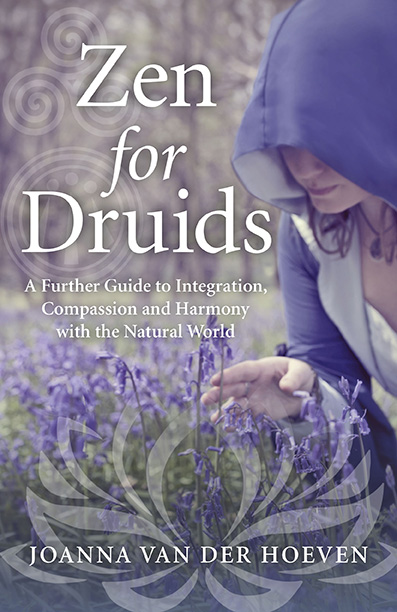
Here is a review by Maria Ede-Weaving on Philip Carr-Gomm’s blog for my upcoming book, Zen for Druids: A Further Guide to Integration, Compassion and Harmony with the Natural World (due out this October, and now available for pre-order). Thank you, Maria, for your lovely words!

Zen for Druids front coverI am a massive fan of Joanna van der Hoeven’s books. They are wonderfully accessible whilst still conveying a depth and clarity that helps the reader to really connect with the wisdom of the subject. Her latest offering does just that. ‘Zen For Druids’ is a companion to her earlier work ‘Zen Druidry, exploring Zen Buddhism and Druidry by illustrating how these spiritual paths can complement one another in practice.
The book is written in five parts. The first explores Druidry and the Dharma giving an excellent overview of Buddhism’s Three Treasures; The Four Noble Truths; The Five Precepts; The Eightfold Path and The Sixteen Bodhisattva Precepts and how these relate to Druid philosophy.

The second part takes us through the Pagan Wheel of the Year and how Zen Buddhism can enrich the understanding and honouring of these festivals. Joanna includes some really useful tips at the end of each festival section, with ideas to deepen your experience of each.

Part three focuses on Meditation; part four on Mindfulness and part five on Integration, each section helping to both explain the underlying spiritual meaning of these practices whilst giving practical advice, exercises and encouragement. I particularly enjoyed the section on Integration where the author writes beautifully about Awen and Relationship as a connecting, compassionate force that reveals the interconnectedness of life.

In her chapter on Ego, Self and Identity the author tackles the thorny issue of the Ego. In many spiritual texts, the Ego can so easily be labelled the ‘bad guy’ but Joanna skilfully explores the difference between Representational Ego and Functional Ego, redeeming the Ego’s useful functions whilst suggesting a compassionate approach to its more challenging aspects.

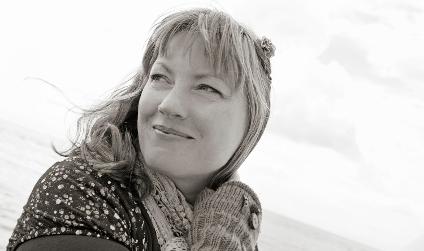
Joanna van der Hoeven

The concepts in this book take some thoughtful pondering but the beauty of Joanna’s writing is that it cracks open what initially appear to be very complex ideas and gets straight to the heart of each. Obviously the real work is in the dedicated practice of a spiritual path but Zen For Druids offers a wonderful foundation to build upon. In every page you can sense that the author has learned these insights through experience, that she really understands and lives these principles from a place of deep heart-knowing. We move from a purely intellectual grasping of a subject to this heart-led living of a spiritual path through the constant connection and exploration of that path; Joanna van der Hoeven’s fabulous book is both an inspiring and deeply practical aid to help you on that journey.

I highly recommend this book. It is proof of how seemingly different spiritualities can enrich each other, and for those of us who are drawn to both western and eastern paths, it’s a real gem!

Zen For Druids is now available on Moon Books for pre-order. 

Interview on A Kitchen Witch’s Blog

Kitchen Witch BlogI was recently interviewed by Rachel Patterson of the Kitchen Witch School of Natural Witchery – you can read the entire interview by clicking HERE.