
Author: Joanna van der Hoeven
The Runes: Thorn
In this blog series, we will go through the runes as they are recorded in the Anglo-Saxon or Old English Rune Poem.

The third rune, Thorn is a tricky one, as its meaning has shifted with the Anglo-Saxon language. In Old Norse, it is connected to thurs, a malevolent entity of raw power. Some accord this entity to the giants found in Old Norse literature. But in Anglo-Saxon, it is thought that the shape of the rune dictated the meaning, and so we have “thorn”.[1] It is believed that the change occurred during the Christian period, and so the younger Norwegian Rune Poem may hold an older vestige of this rune’s meaning.
Alaric Albertsson states that the rune means “hawthorn”.[2] This may be due to the laying of hawthorn hedges in the Anglo-Saxon agricultural world, and taking rest in their shade, albeit carefully. It may connect to the English thyrses in this way (Old Norse thurses) in that the hawthorn, being a tree of liminality especially in Celtic lore (a faery tree) allows beings to travel between the worlds and thus, assail humanity should they so wish. As far as I can tell from my research, this is, however, all conjecture.
Swain Wodening makes the connection between Thorn and the Old Norse god Thor (Thunor in Anglo-Saxon). He states that Thor had connections to many thorny plants such as nettle and thistle, plants which use thorns or spikes to defend themselves, much as Thor was the defender of humanity against the giants.[3] All in all, these are all theories, and you will have to make your own mind up regarding the various possible meanings that surround this rune.
In the Anglo-Saxon or Old English Rune Poem, the verse reads:
Thorn is painfully sharp to any warrior
seizing it is bad, excessively severe
for any person who lays among them.
Thorn relating to a warrior is interesting, in that when I first read this verse, the concept of the Celtic Fianna warriors running through the woods with braided hair as a test came to mind. Should any of their braids catch on branches or thorns as they raced through the forest, they failed their test. Though this is a purely Celtic concept, there are similarities between Celtic and Northern European cultures in aspects of spirituality, artwork, commerce and more. Though this may have nothing to do with the Fianna warriors, it may have something to do with being out in the wildness of nature as a warrior, otherwise why mention it in relation to the flora? This could just be a mix of metaphors from the Old Norse into Anglo-Saxon, where a warrior fought off thyrses or giants, rather than was overly wary of the surrounding plant life. Or maybe it was a caution against the abundance of nettles that can be found all across the UK!
I found out the hard way when I first moved to these lands of the power of nettle, after walking through a field thick with them, not knowing what they were, and coming away with stinging hands and legs. We didn’t have stinging nettles where I grew up in Canada. So, maybe this is a simple warning not to make your camp or sleep near nettles when you are doing your warrior thing!
Another thing that came to mind when I first read the Old English verse is the Christian clergy in the line “excessively severe for any person who lays among them”. Saint Benedict was said to have come across a blackbird (a bird of liminality and the Druids in Celtic lore) which stayed with him for a moment, close to hand, before flying off. After this, Benedict became overcome with carnal thoughts of a woman he had seen once, and in order to shake off these emotions, he threw himself into a patch of nettles and briars. This remedy was so successful, Saint Benedict claims he was never overcome with that sort of temptation again. Severe? Yes, indeed. Excessively severe? I would say so. So perhaps this rune has a relation to Saint Benedict, but perhaps from a more “moderate” Anglo-Saxon Christian viewpoint.
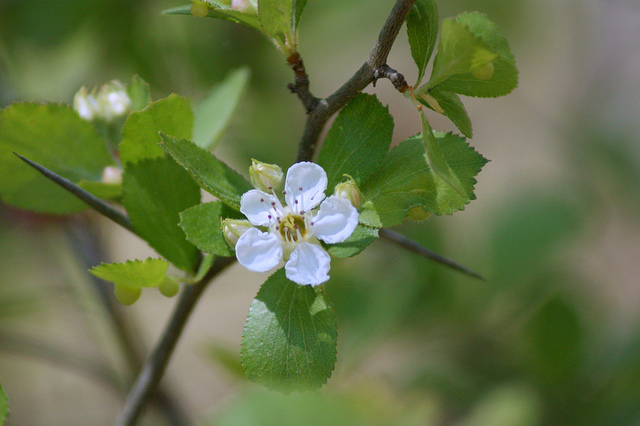
From my point of view, I view thorn as a cautionary tale, based on my own experience with plants here in the UK which was hard learned. There are many spiky and stingy plants around here, such as hawthorn and nettle, but also blackthorn. Blackthorn has the longest, most vicious spikes of them all, and has a tendency to break off into the skin and then go septic. Unwary foragers, farmers and even horses can fall foul of the blackthorn. An extra element of Christianity comes into play with this as well, for it is said that the crown of thorns that Jesus wore came from the blackthorn.[4]
Whether you’re a warrior or a farmer, a forager or a gardener, being around thorns reminds you of the power of nature. A small plant may cause you great discomfort, a lapse of mindfulness can cause you great injury. Thorn reminds us of this, in that we need to take care, that we need to be aware of our surroundings (and this may again relate to the Old Norse thurs). Thorns can be seen as aggressive when we are on the receiving end, but we must remember that thorns protect a plant. Therefore, Thorn can be used in regards to workings of protection, although some may use it in the form of a curse. It is a good warding rune, to keep people away from you and your possessions. But it must be worked with carefully, lest you feel its sharp sting!
You can easily form the rune with your hands, with your left hand being straight and your right hand forming the sideways “v” shape. You can also stand in trance posture with your right arm at your hip, making the shape of the rune (and also giving off a “go on if you think you’re hard enough vibe).
Thorn is an interesting rune, in that its history is murky and muddied from different cultures. Yet it shows a great merging of understanding that I think is at the heart of Anglo-Saxon culture and tradition. Learn what you can from those around you, from the land itself, and let that inform your life. Take it all in. Use what works. The Anglo-Saxons were practical folk.
And watch out for thorns.
[1] Pollington, S. Rudiments of Runelore, Anglo-Saxon Books, (2011), p.18
[2] Albertsson, A. Wyrdworking: The Path of a Saxon Sorcerer, Llewellyn, (2011), p.98
[3] Wodening, S. Hammer of the Gods: Anglo-Saxon Paganism in Modern Times, Angleseaxisce Ealdriht, (2003) p. 185
[4] Don, M. “What’s Your Poison? Backyard Troublmakers”, The Guardian : https://www.theguardian.com/lifeandstyle/2003/mar/09/gardens accessed 23 Sept 2020
Happy Equinox!
As we stand at the turning point of the seasons, we welcome this balance point, knowing that tomorrow we will welcome the growing darkness even as we welcomed the light in the spring. For without night there is no day, without spring no summer, without death there is no life. We are all a part of this cycle of manifestation, growth, decay and rejuvenation.
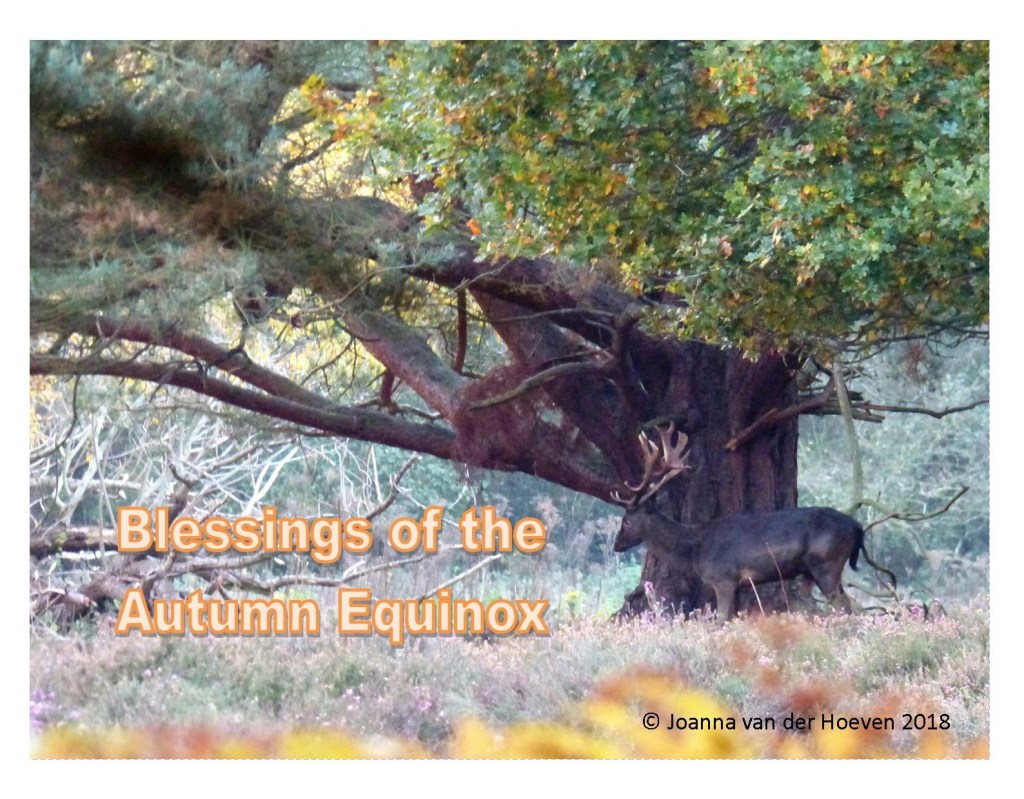
New video now up…
So many people are going through a difficult time right now. My heart goes out to each and every one of you. xoxo
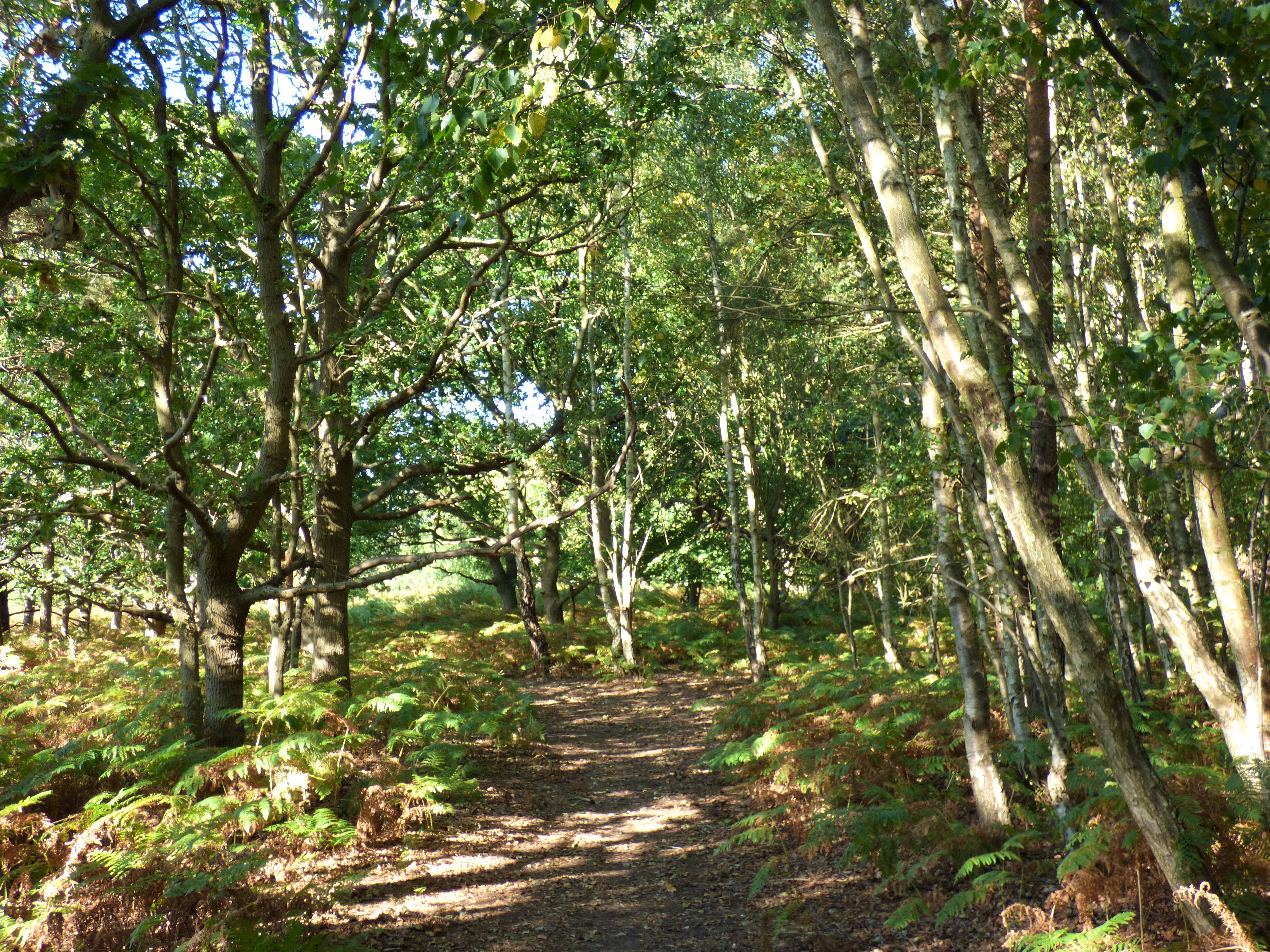
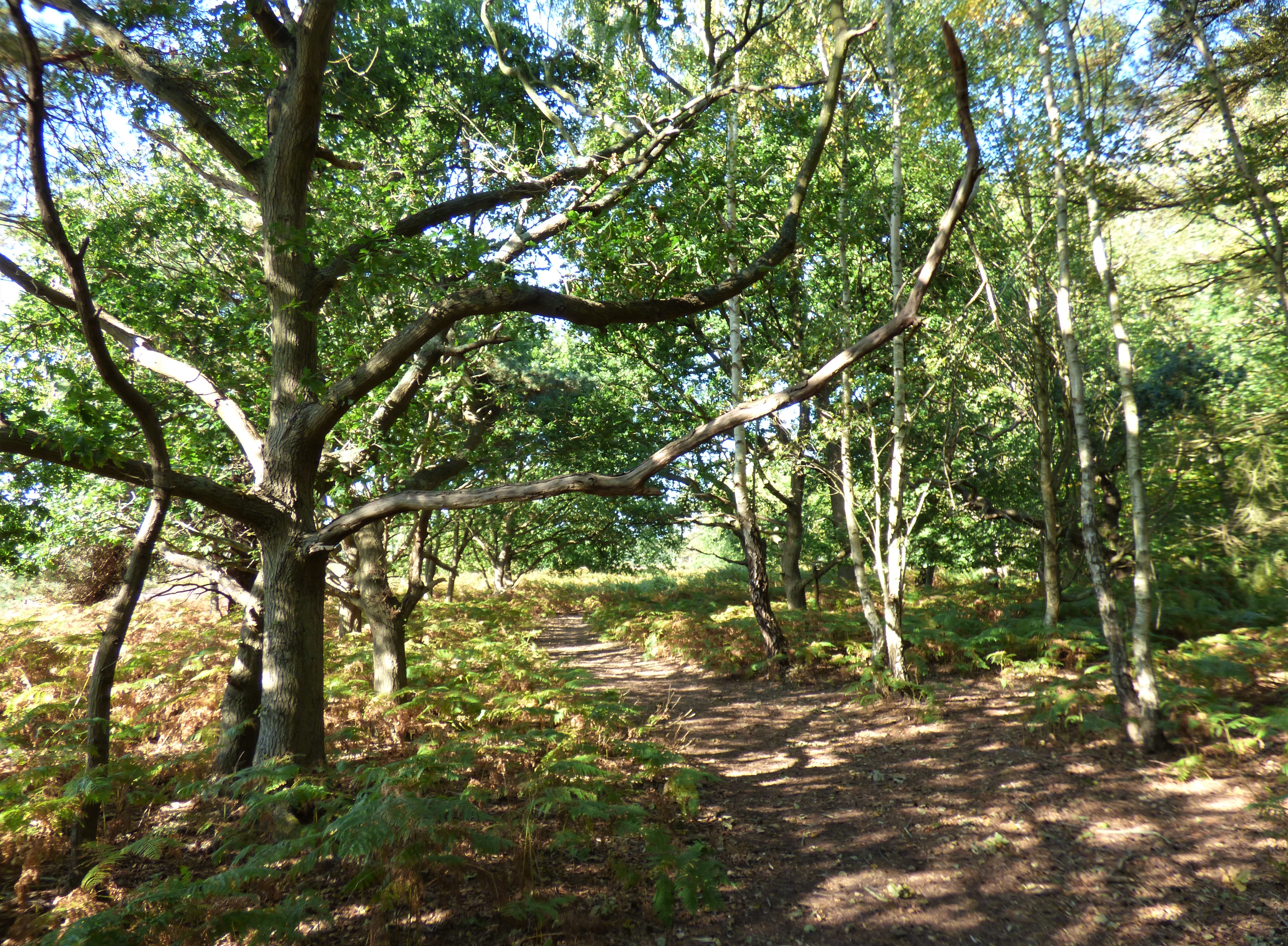
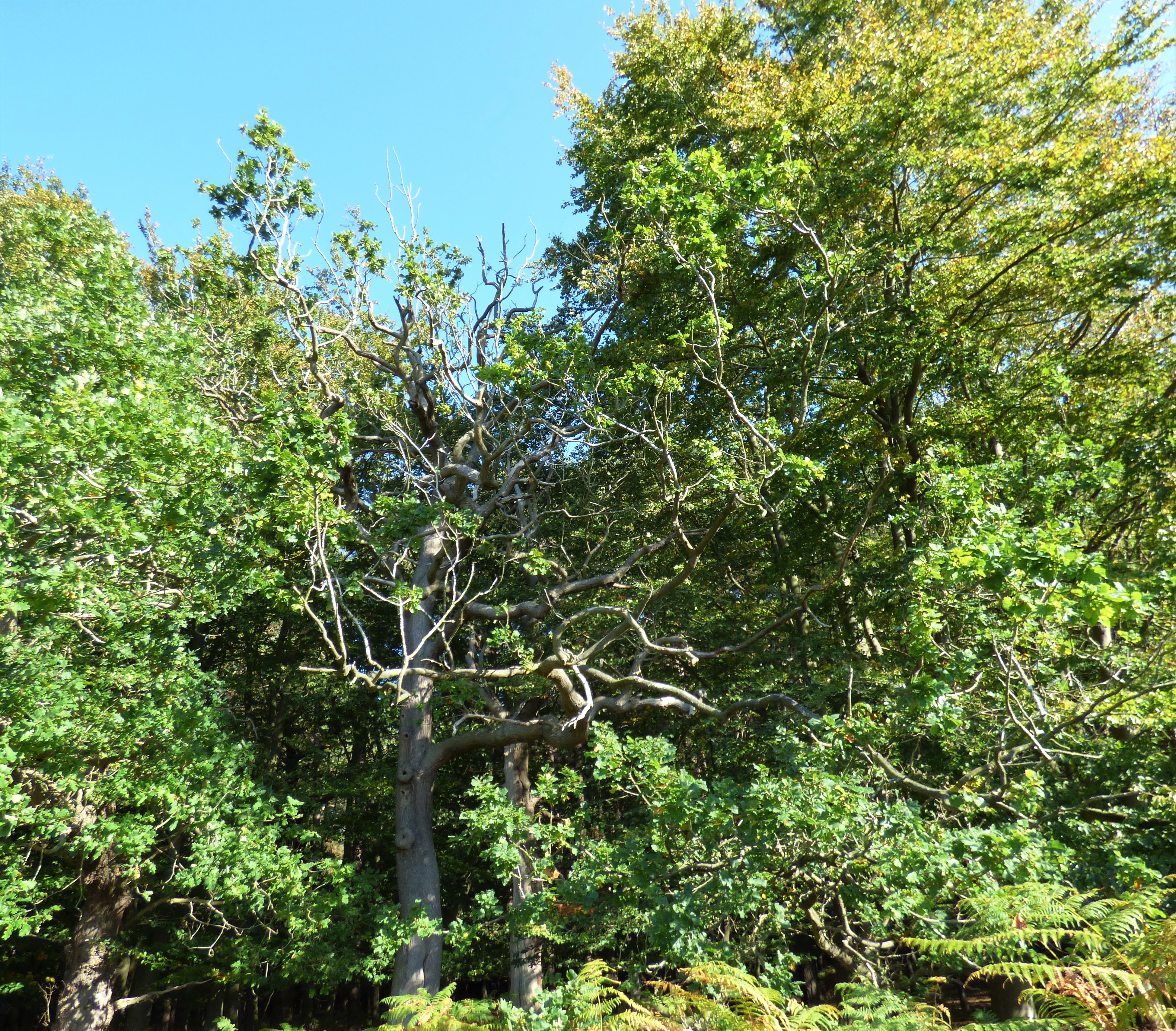
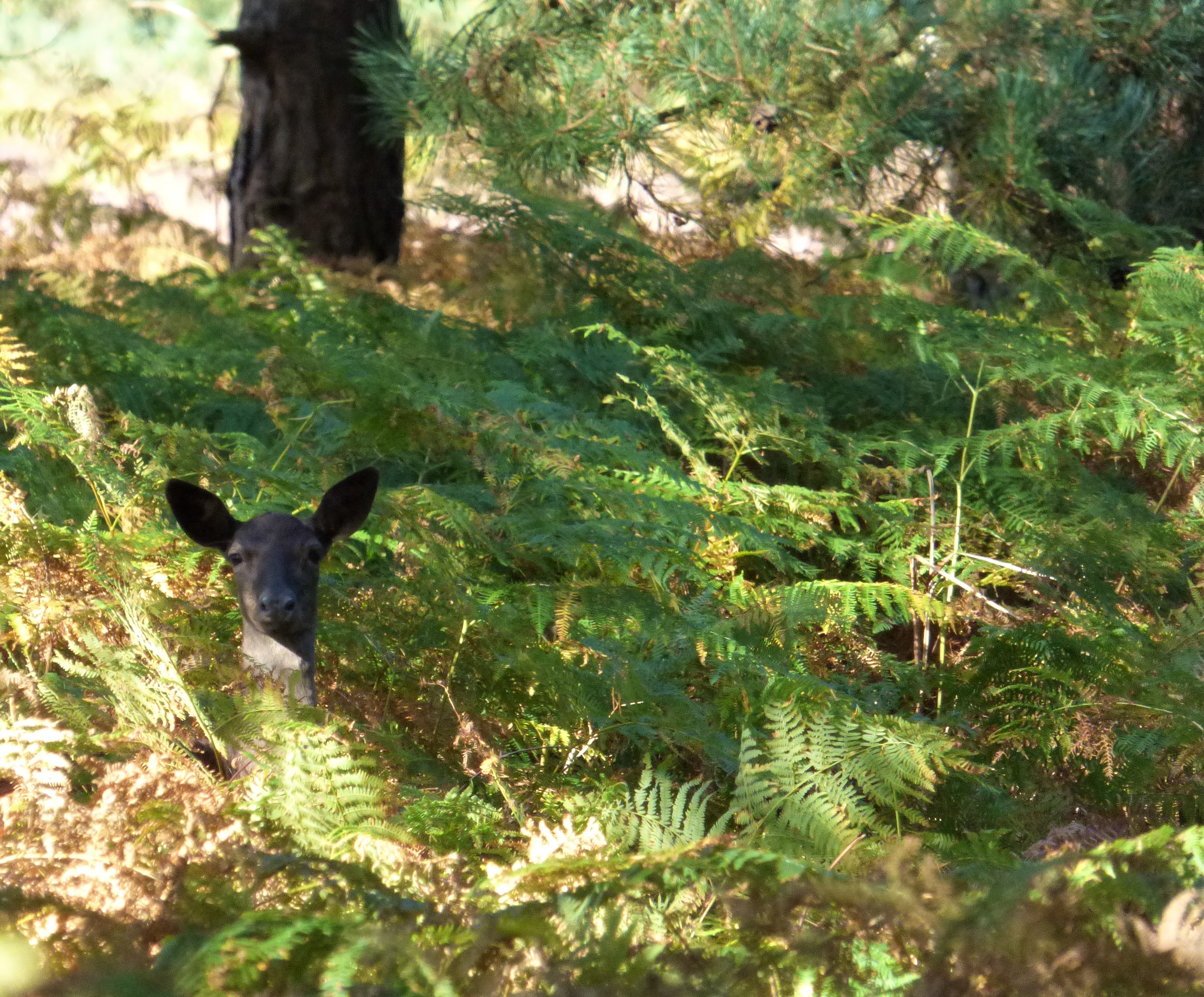
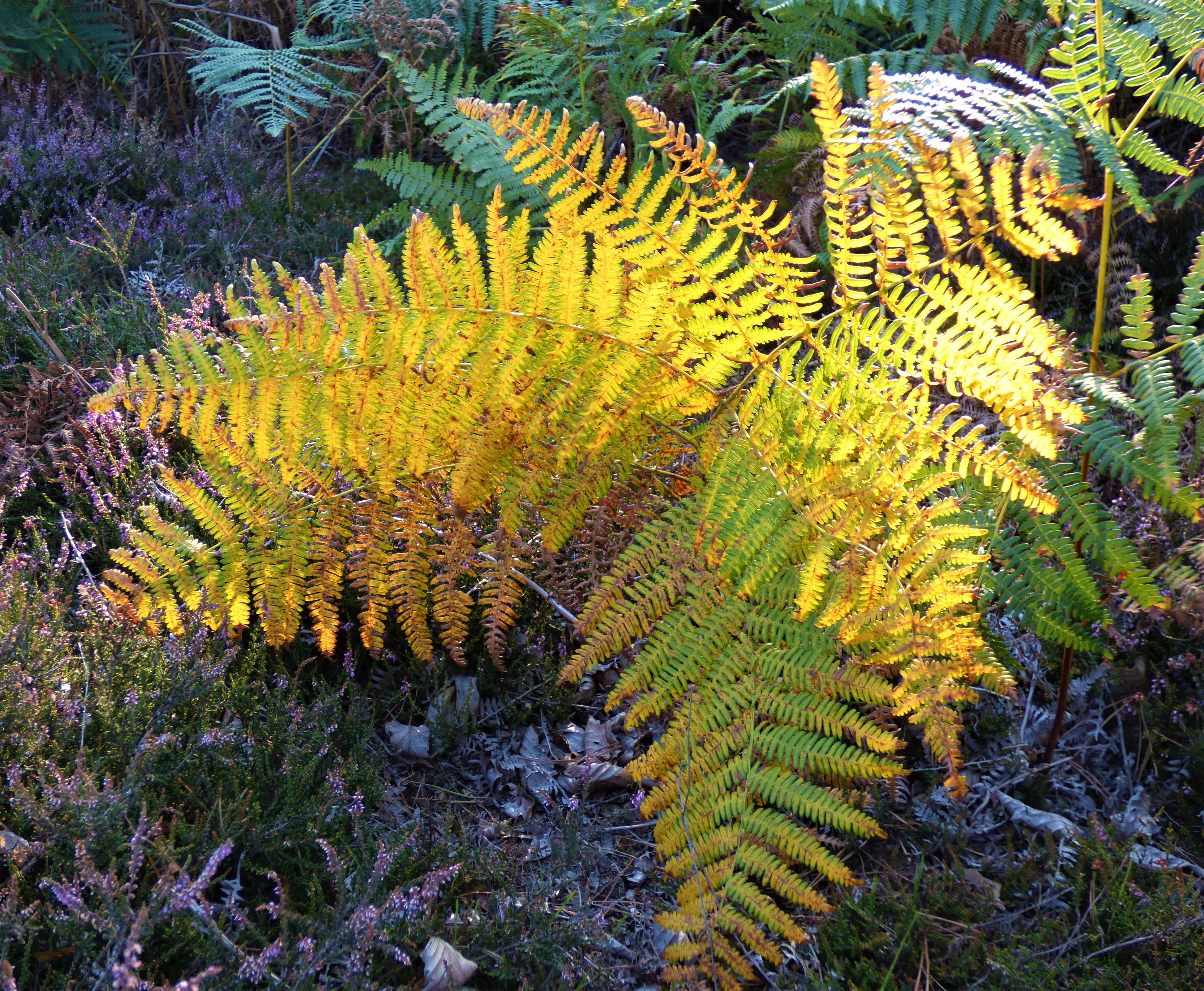
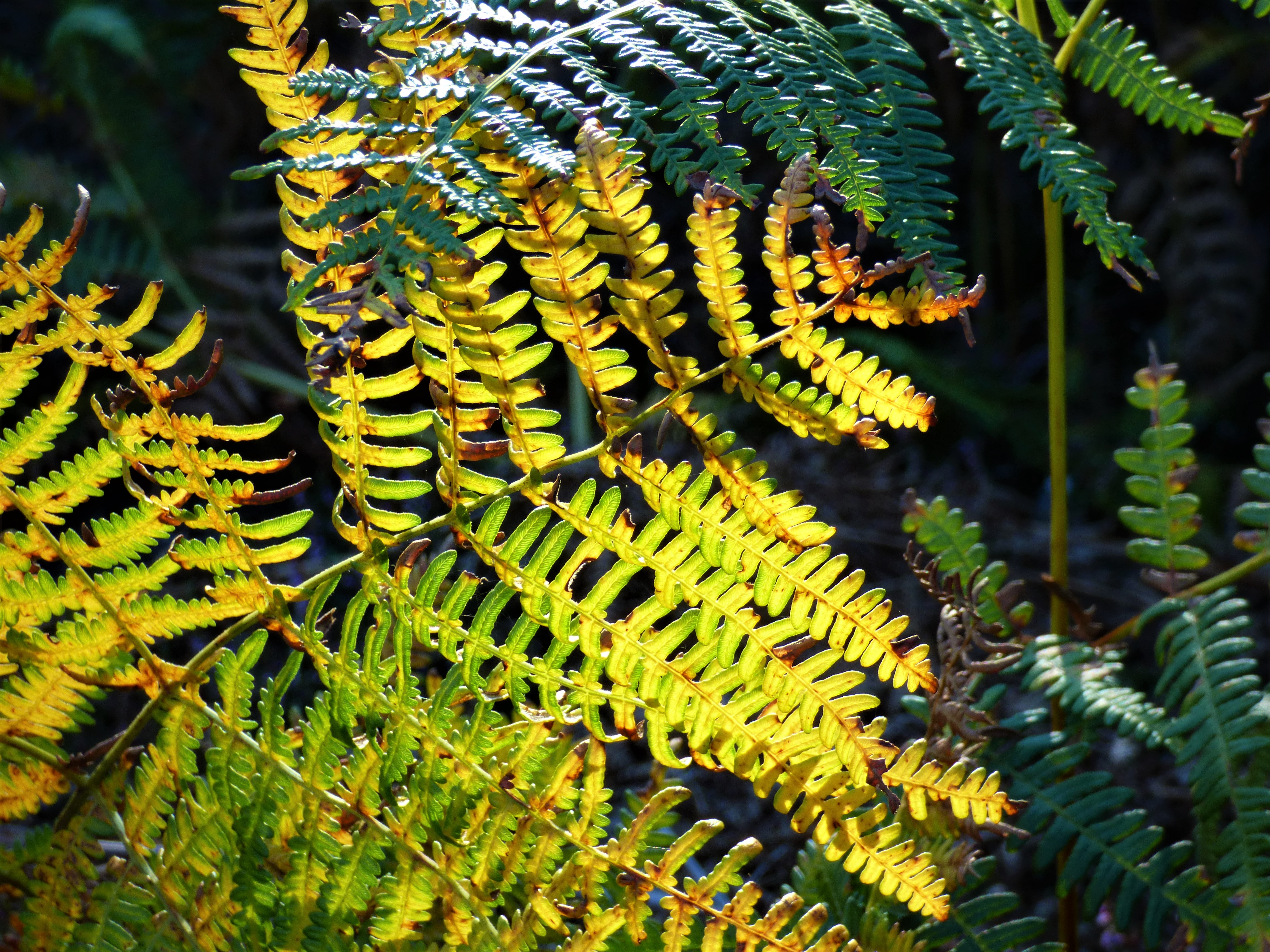
Autumn’s light
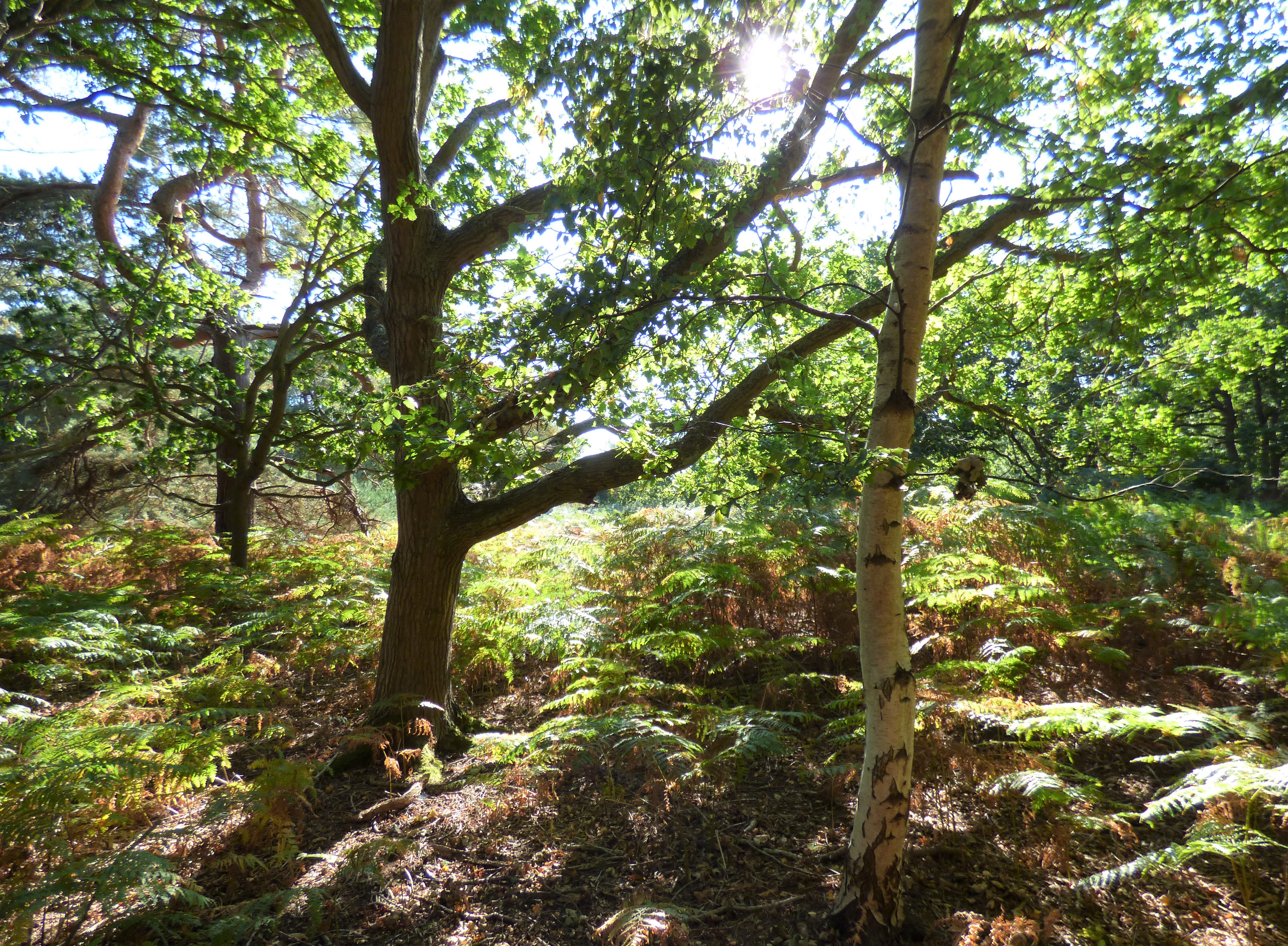
It’s here, even though it’s hot. Autumn has come, on soft wings of golden light. The forest floor is scented with newly fallen and decaying leaves, the air has a tinge of the turning season. I adore this time, and I hope it’ll be a long one this year.
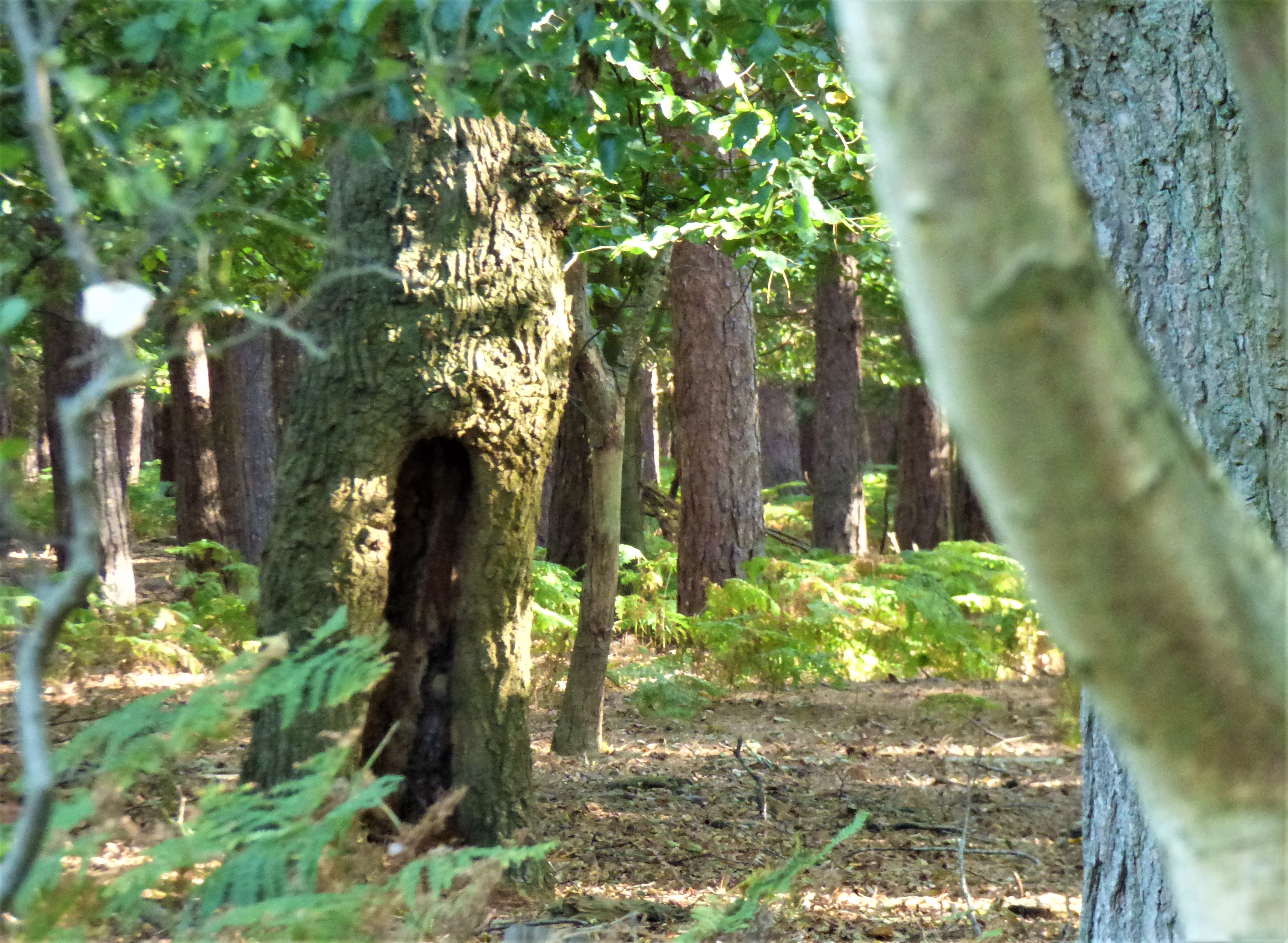
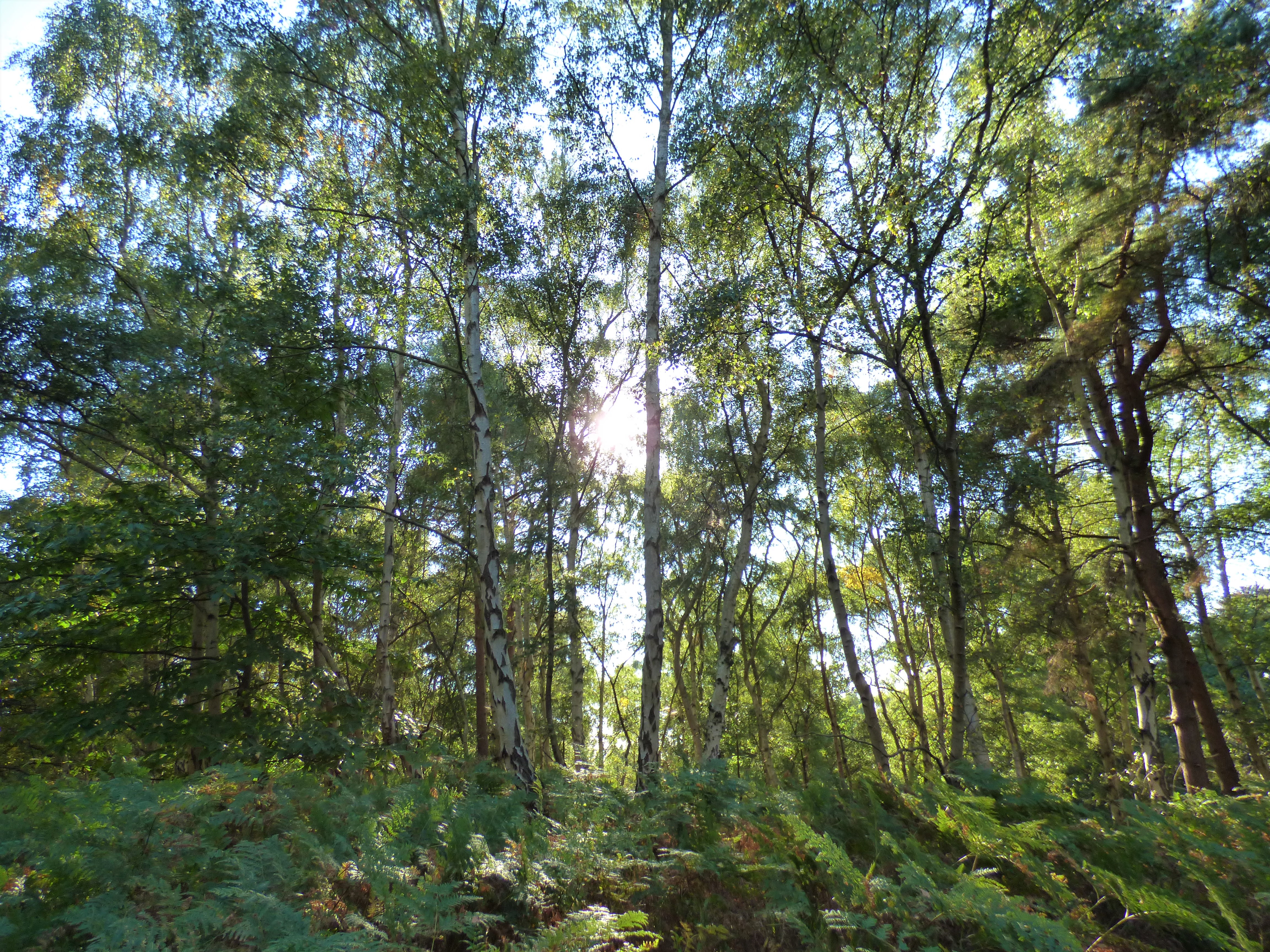
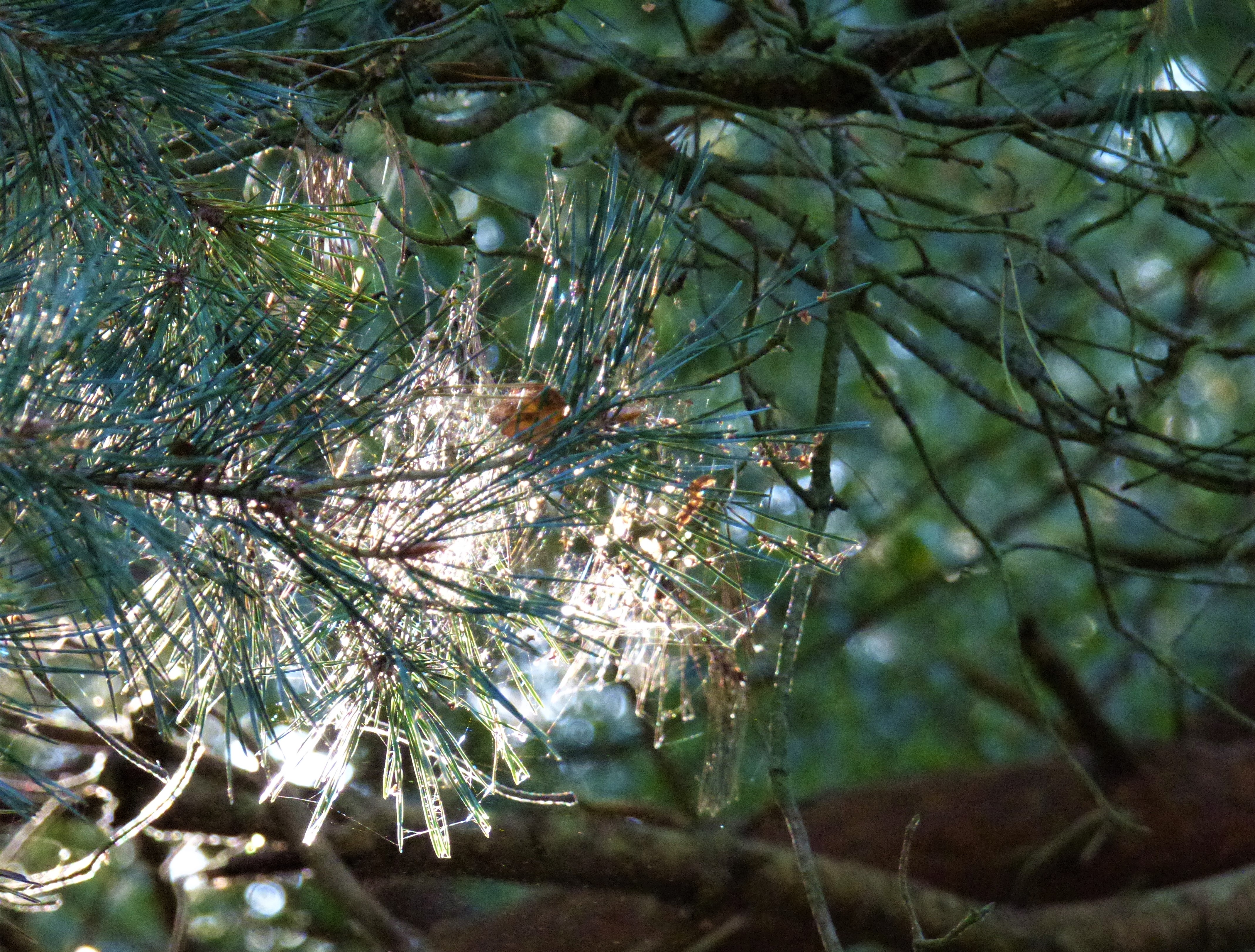
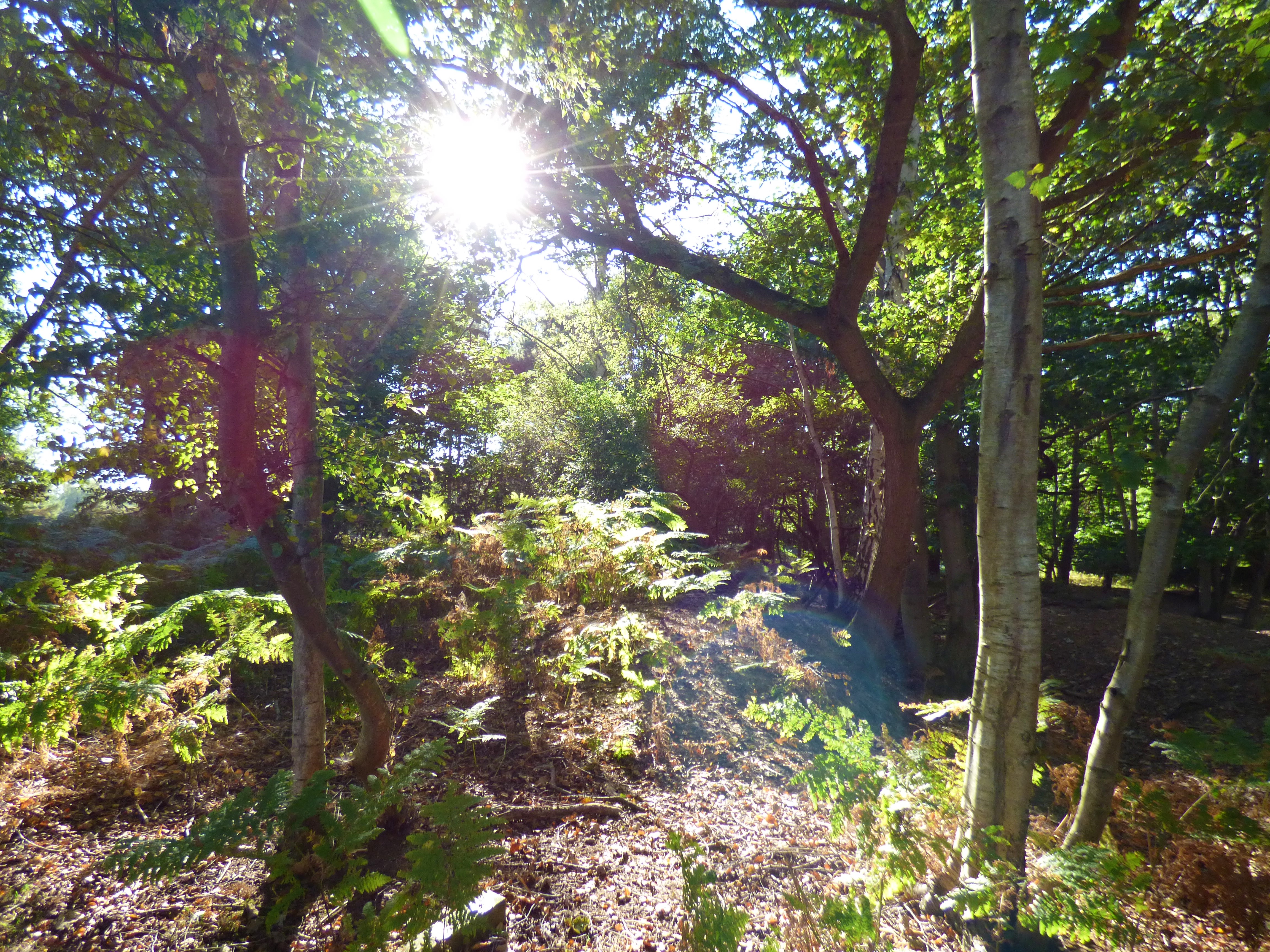
Test Flight on the Heath!
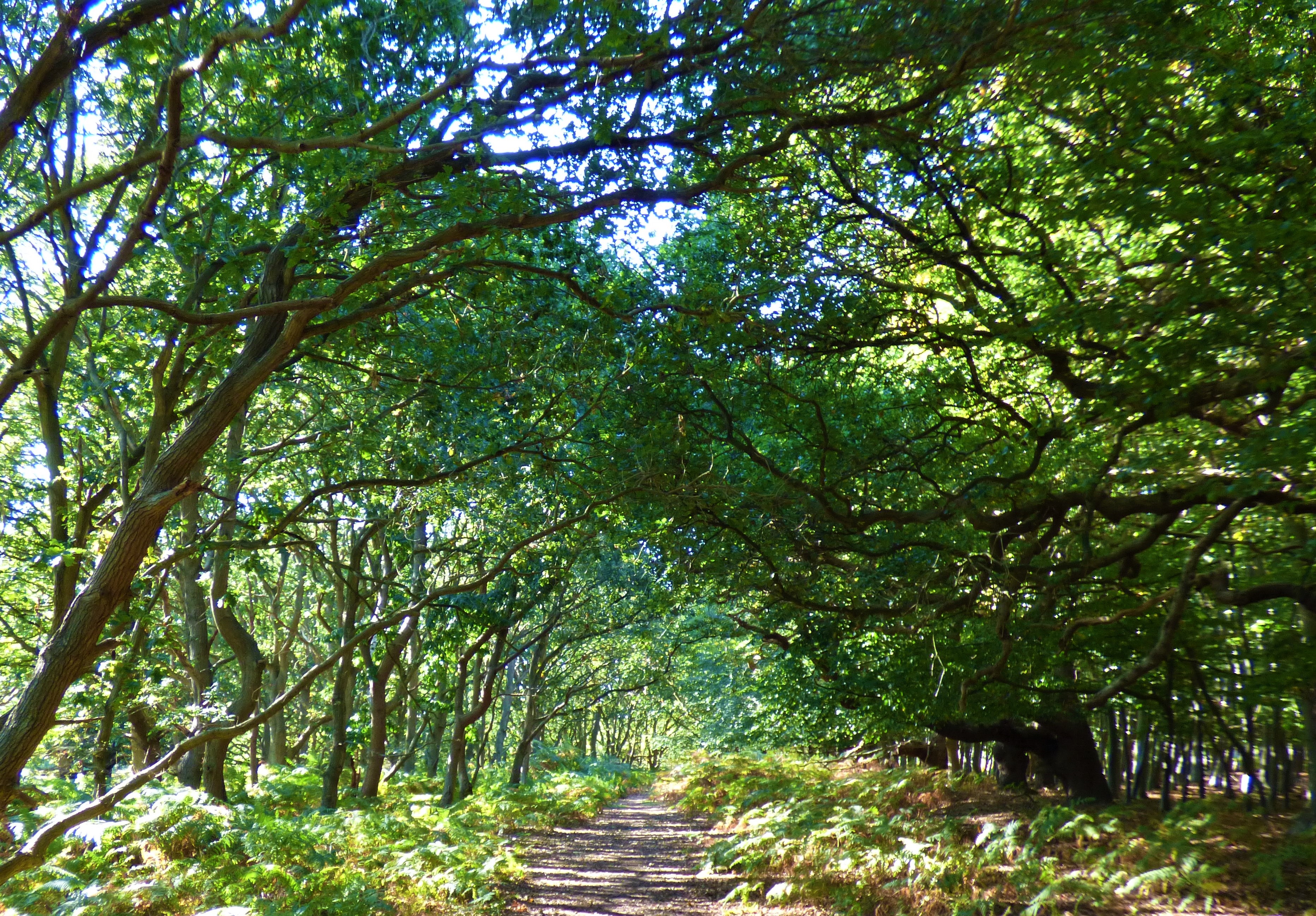
Today we gave it a few test flights on the heath, to try and learn some finesse with the controllers and camera. I can’t wait to shoot more videos! A HUGE thank you to my supporters at Patreon, you have given me wings (or propellers)!
Utiseta: The Art of Sitting Out
Here’s a short video on utiseta, the practice of “sitting out”. I hope you enjoy it!
New Video: Turning Seasons, Summer Into Autumn now up!
A huge thank you to everyone who has supported me and my work.
I’ve got a new tier system on my Patreon page, where at the second and third tier you can have your name in the video credits at the end of each video! Also, for the third tier, you get special Behind the Scenes Footage 🙂
Blessings of the changing seasons to you all!
The Runes: Ūr (Aurochs)
In this blog series, we will go through the runes as they are recorded in the Anglo-Saxon or Old English Rune Poem.
 We now turn to the second rune in the Anglo-Saxon Futhorc, which is Ūr. This rune perfectly follows Feoh, the first rune, as Feoh’s literal translation is “cattle”, meaning wealth. Ūr means aurochs, the bovine precursor to our domesticated cattle.
Ūr is pronounced “ooor”, with an elongated “ooo” sound, as in Sutton “Hoo”, or the word “boo” and is followed by a rolled “r”. In the Old English Rune Poem, the translation reads thus:
“Aurochs is fierce and high horned
the courageous beast fights with its horns
a well-known moor-treader, it is a brave creature.”[1]
I think it’s important to understand the animal that lies behind each of the animal-based runes in the Futhorc in detail. So, as such, I’ll go into quite a bit of detail regarding aurochs!
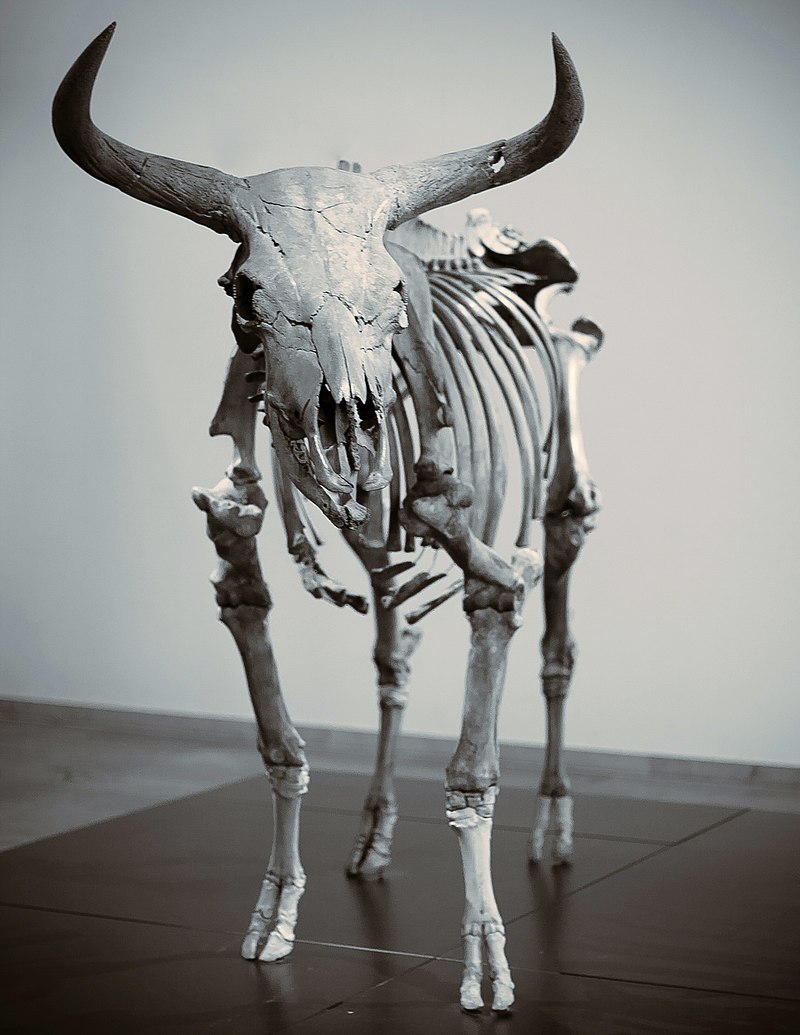
Aurochs skeleton from Copenhagen
Our own “taurine cattle” stem from one of two subspecies of domesticated aurochs, the other being zebu cattle from an Indian subspecies[2]. Aurochs were a wild bovine breed, which stood at around 5.5 feet high at the shoulder, on average.[3] The European bison is a cross-breed developed from aurochs.[4] They had long forward facing horns, which curled upwards at the tips, not too dissimilar to the Highland Cow. In fact, it is thought that they also had a long curly forelock, like the Highland Cow (so cute!). In aurochs, both the male and female carry impressive horns, whereas in most other bovine it is simply the bull that has horns. The horns were particularly prized, as we will see later.
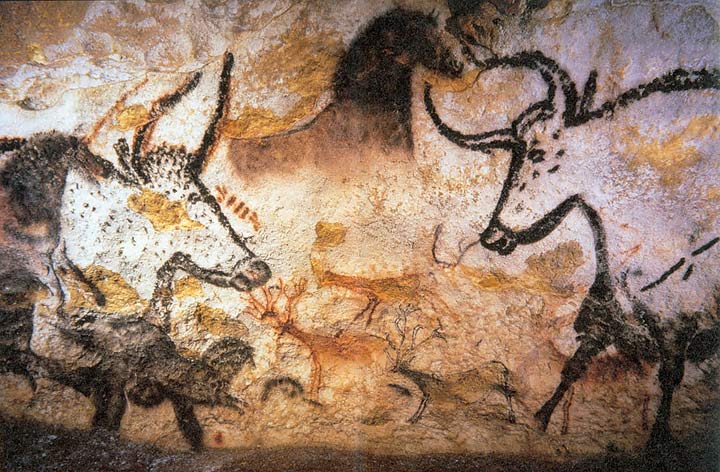
Aurochs cave painting, Lascaux, France
Aurochs were solitary creatures for the most part, who gathered in small herds (less than thirty) at certain points in the year. They grazed heavily in the autumn, fattening up to survive the long northern winters.[5] In the Paleolithic era, aurochs were hunted by our ancestors as evidenced in the cave paintings found as Lascaux and Livernon in France. When not being hunted, aurochs generally ignored humans unless aggravated, whereupon they could attack with their horns, even throwing a man up in the air.[6]
Extinct in Britain by the 1200’s, the last surviving cow died on the continent died in 1627, in Poland.[7] What we know of aurochs stems from two sources. The first, Anton Schneeberger, was the last known person to have studied the aurochs in person in the 16th century.[8] The second is Julius Caesar, who in his Gallic War Commentaries stated:
“…those animals which are called uri. These are a little below the elephant in size, and of the appearance, colour, and shape of a bull. Their strength and speed are extraordinary; they spare neither man nor wild beast which they have espied. These the Germans take with much pains in pits and kill them. The young men harden themselves with this exercise, and practice themselves in this sort of hunting, and those who have slain the greatest number of them, having produced the horns in public, to serve as evidence, receive great praise. But not even when taken very young can they be rendered familiar to men and tamed. The size, shape, and appearance of their horns differ much from the horns of our oxen. These they anxiously seek after, and bind at the tips with silver, and use as cups at their most sumptuous entertainments.” – Julius Caesar. Gallic War Commentaries, Chapter 6.28
Taking down an aurochs was a rite of passage for young men, as stated by Caesar.[9] He also raised the importance of the horns as drinking vessels. In the evolutionary sense, horns were developed in cattle as a means of defense as well as attack, and as a show of power. Perhaps this is why they were used as drinking vessels, often richly decorated with precious metal to be used among the nobility. To drink from an aurochs horn not only showed your power, but perhaps even bestowed it through the magical laws of contagion to the person who was imbibing the beverage.
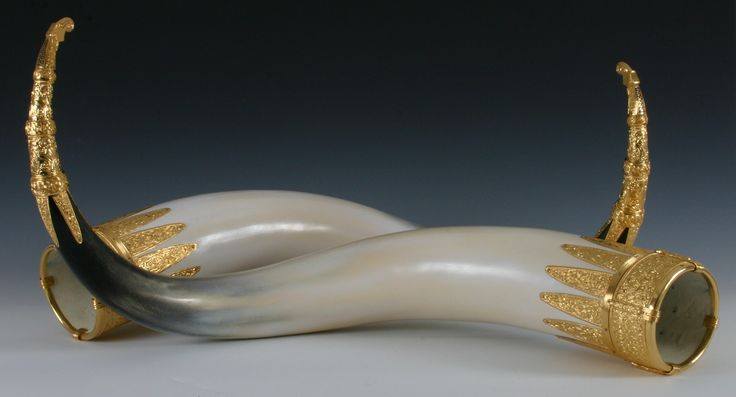
Replicas of Sutton Hoo drinking horns
The symbol of the horns can be seen in the rune itself. While aurochs horns faced mostly forward, rolling upwards at the tips, in the rune it shows the horns facing downwards. This is the bull or cow’s lowered head, ready for battle or to defend its territory or young. It is both an aggressive and defensive position. Ūr could also be seen as an aurochs in profile, the torso and legs, with the classic shoulder higher than the hindquarters which distinguishes it from many other bovine breeds.
In divination, Ūr could mean power, strength, a rite of passage, courage, bravery, a need for some solitary time or just some time spent out in the wilderness (as referenced in the “moor-treader” aspect of the poem), re-wilding, combativeness, a challenge of power (which you either need to ignore or act upon, like an aurochs would), a aggressive or defensive act, nobility, hardiness and vitality.
Using the Ūr rune magically can empower many rites, rituals, spells and talismans. But be warned – aurochs were wild creatures, that were extremely difficult to tame. The power behind Ūr has a similar wildness behind its power.
You can create the rune of Ūr in trance posture in two ways, as I have found. You can stand with your left arm against your side, and your right arm away from the body, bent at the elbow with the fingertips pointing down to the ground. This emulates the rune as we see it, and instils a protective sense, almost as if you are putting your arm around someone or something to protect it. You can also do a more aggressive trance posture with the rune, by bending down to face the floor at the waist at a 45 degree angle (hold in your lower belly to protect your lower back) and hold your hands over your head, angled slightly downwards to form the downward shape of the rune, as if you are a bull or a cow ready to charge. This rune is also easy to emulate with your left hand held out in front of you, fingers together, thumb separate, all pointing downwards.
Sources
[1] Pollington, S. Rudiments of Runelore, (2011) Anglo Saxon Books
[2] Bollongino, R. et als, “Modern Taurine Cattle Descended from Small Number of Near-Eastern Founders” (PDF). Retrieved 25 Aug 2020
[3] Kysely, R. (2008). “Aurochs and potential crossbreeding with domestic cattle in Central Europe in the Eneolithic period. A metric analysis of bones from the archaeological site of Kutná Hora-Denemark (Czech Republic)”. Anthropozoologica
[4] Cooper, A. et als (19 October 2016), “The Higgs Bison – mystery species hidden in cave art”, The University of Adelaide, retrieved 13 January 2017
[5] van Vuure, T. (Cis) (2005). Retracing the Aurochs – History, Morphology and Ecology of an extinct wild Ox. Sofia-Moscow: Pensoft Publishers.
[6] van Vuure, T. (Cis) (2005). Retracing the Aurochs – History, Morphology and Ecology of an extinct wild Ox. Sofia-Moscow: Pensoft Publishers
[7] Albertsson, A. Wyrdworking: The Path of a Saxon Sorcerer, (2011) Llewellyn
[8] Rance, S. The English Runes: Secrets of Magic, Spells and Divination (2017) Anglo Saxon Books
[9] Rance, S. The English Runes: Secrets of Magic, Spells and Divination (2017) Anglo Saxon Books
If you have enjoyed this and other blog posts, please do consider becoming a Patron on my Patreon page to support the work that I do, whether it is writing books, blogs, putting together videos, photography, music and more.
New membership levels on Patreon
I now have new levels of membership for my Patreon page  If you’d like to support the work that I do, and get exclusive access to Patron-only posts and videos, as well as credit at the end of my videos and behind-the-scenes footage, then do hop on over and take a look! https://www.patreon.com/joannavanderhoeven
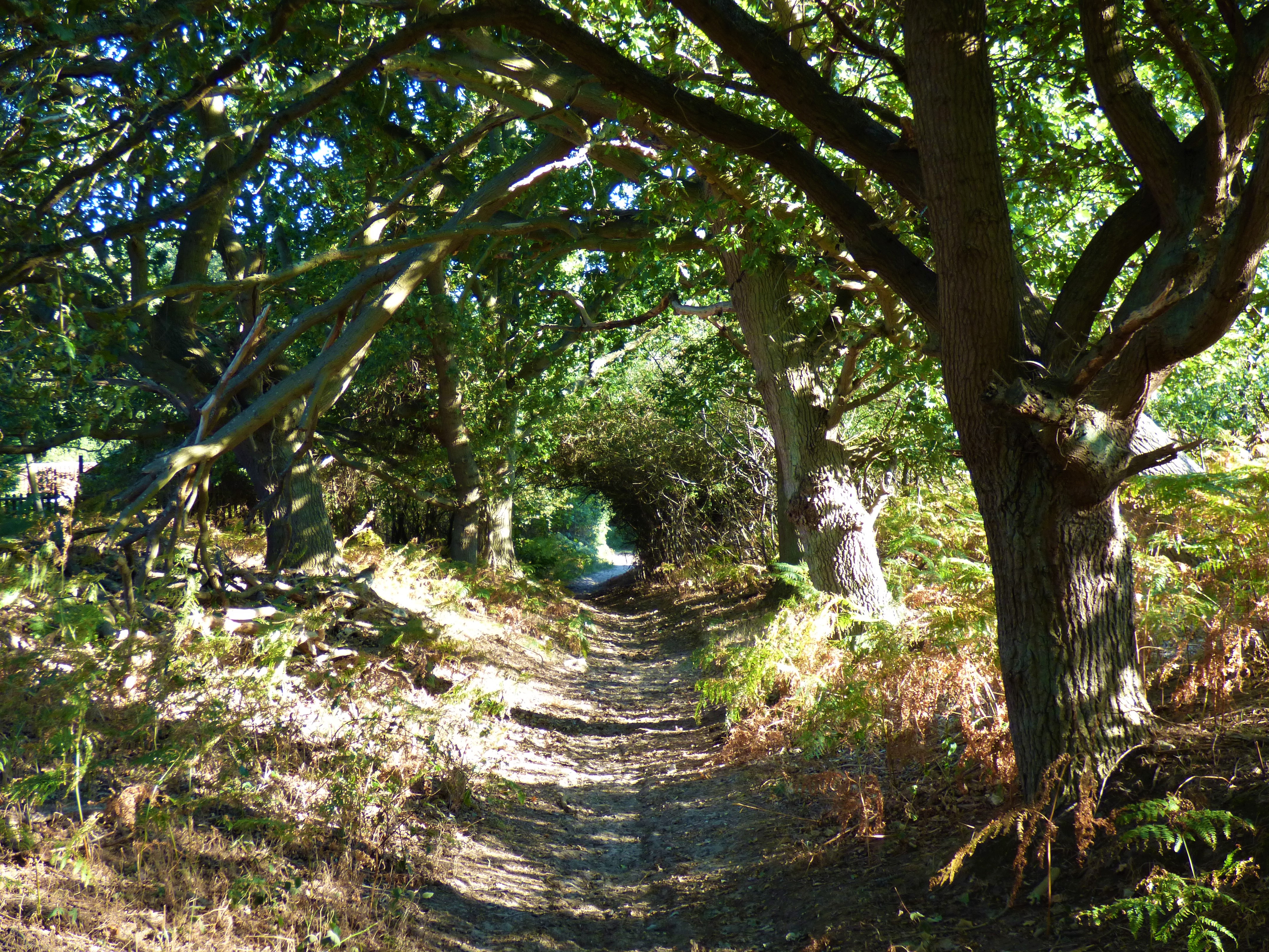
 Down the Forest Path