I was on the Intuitively Wild Podcast, and you can have a listen here!

I was on the Intuitively Wild Podcast, and you can have a listen here!
It had been a busy couple of weeks. I finally finished the manuscript for the third book in my new fiction series, Witches of the New Forest. I also had another book published with Llewellyn Worldwide released on Saturday, which quickly hit the top of the charts in its category. I was absolutely thrilled, but I also needed some downtime.
I went to my special reading/relaxation room (our spare room is a devoted, sacred space) and rearranged my altar. I do so every few weeks, to match both my mood and my needs, and what I see reflected around me in nature. After I had settled down, I meditated for a while just to reset myself and find my centre. And then I opened my eyes.
I was instantly struck by the beauty and wonder of my spiritual path, of my religion. There on my altar, the candles flickering, the statues of my deities gathered round, the plants, stones, and tools of my Craft were laid out before me. The aesthetics of its hit me like a ton of bricks. And it was then that I realized the huge importance of aesthetics in both Witchcraft and Druidry, and how it shouldn’t be dismissed so easily.
Because too often we can dismiss these things as superficiality. “It’s all just surface, and the real stuff, the real work is what matters most.” But right then and there, I got it.
I got it.
It was what drew me to Witchcraft and Druidry in the first place. The tools, the beauty of the natural world, the images of deity, the rocks, stones, and crystals collected on my journeys, the sight of a plant sprouting new leaves, the flicker of a candle flame, the scent of the oil burner, the music gently playing in the background: I understood the importance of these things on a visceral level.
Because we need beauty in our lives. We need joy, and wonder, and creativity. We need that which makes our hearts sing, in order to continue this journey through life.
Many of us in the Western world are still under the influence of Protestant Christianity. Buddhists have their temples and incense, Roman Catholics have their mass and cathedrals, First Nations peoples have their art and their ceremonies. But the austerity found in many sects of Protestantism has been passed down through generation upon generation here in Britian and also throughout North America. The churches are stripped down to bare essentials, the incense is gone, the choirs are absent. The beauty of the rituals is harder to see with the naked eye, and stripping away all of that, I believe, has led us towards a reunification and a deep longing to reconnect with beauty and aesthetics. Much as I adore the beauty and simplicity of the functional Shaker style, my heart still years for more. More ceremony, more ritual, more pageantry.
We can get just as much out of these things as we can in one to one communication with our deities, the spirits, the land, or whatever it is that we work with and have deep relationship. While my own tradition still favours simplicity in all things, I can still appreciate the robed rituals, the poetic words chanted under the full moon, the drift of the incense smoke on the wind. These are the things that first caught my eye when I was seeking a religious and spiritual path that resonated with my soul. These are the things that still draw me back, time and again.
We are visual creatures; we cannot deny that. We see in colour. We need to indulge in that sense sometimes, to make our hearts sing once again. We need to feel the rich textures, to taste the indulgent flavours, to hear the sweet music, to smell the scents that fill us with passion.
There is nothing wrong with enjoying a ritual simply because it was visually stunning. What our eyes see, also goes to our hearts. Those memories will carry us through hard times. They will bring us back when we’ve lost our way. They will connect us to like-minded people. The aesthetics of our Craft and our tradition are not just surface value: they are essential.
Does that mean that every ritual has to be filled with these things? Of course not. We do what we can, when we can, and however we can. But in our hearts, we carry the feeling of those beautiful rituals into every other ritual that we do, that sense of wonderment and enchantment when we were truly moved in a previous experience. Although not every ritual will have that same result, we still have that within us, and can still seek it out, in both ritual and in our lives.
It’s not shallow to love the aesthetics of our tradition. It’s a part of our heritage, and instead, we should celebrate it, in all its various forms.

It’s coming to the end of the year, and I am about to take such much-needed time off. Throughout the year, I take two holidays: one summer, and one winter holiday. I use this time to go back home and see my family in Canada, which as the years progress gets even more important. They say you don’t know what you’ve got until its gone, but I disagree. I am so very thankful and happy for my friends and family, and I will spend every single chance I can get with them, no matter what.
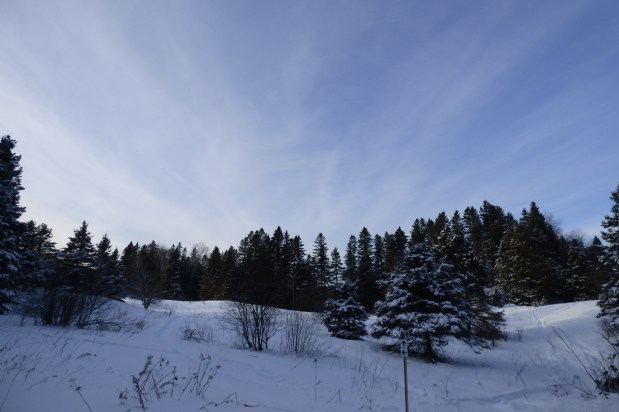
This time of year is always reflective for me. The autumn season begins the turning inwards of my thoughts, and as the nights draw in, the leaves fall and the winds of change come in bringing the storms. My energy moves from projecting out into the world, to pulling inwards. It’s a cycle of extrovert and introvert, though I must admit that I am a functioning introvert all of the time. When the leaves have all fallen, and the winter rains and dark days lie ahead, I think of home, of family and friends, of warmth and companionship even as I dream of long walks, snowshoe hikes, and cross-country skiing out in the silent wilderness of the boreal forest.
It’s a time when I take stock of my achievements for the year. This year has been exceptional, in that I have completed three books! The first is the follow-up to The Path of the Hedge Witch, my non-fiction work for Llewellyn. The Old Ways: A Hedge Witch’s Guide to Living a Magickal Life will be available next year in the UK, on the 8 March 2025 for Kindle and 8 April for the paperback. (Don’t ask me why the paperback takes a month longer, I have no idea. I’m guessing shipments from the US to UK Amazon stores are involved?)
The second and third books finished this year begin my new fiction series, Witches of the New Forest. The first two books, Hedge Witch and The Veil Between the Worlds, form two thirds of the trilogy set around the main character, Hunter Williams, as she begins on her path of Hedge Witchcraft. With Druids, otherworldly characters, a magickal community and more, it’s a really fun environment to spend my days in, and I love it. Returning to fiction feels like coming home. (Other books in the series are planned, from different characters’ perspectives.)
I’ve always been a writer. From the age of twelve or thirteen, I’ve been writing stories. Ever since I finished reading Lord of the Rings, I knew that I wanted to write books set in a beautiful fantasy world where myth and magick meet.
Having been so productive this year has, however, caused a little burnout. I’m tired. I need some time away from my computer and my desk, away from social media, away from anything digital. I long to spend hours in the woods where I grew up, smelling the snow and the cedars, watching the chickadees and the wild turkeys coming into garden. I want to reconnect not only with the natural world, but also with my own sense of self. What I am craving most, is peace.
Which is funny, considering how crazy the first few weeks are going to be back home, shopping for presents, organising and attending the family parties, New Year’s celebrations and more. But it’s home, and it’s where I decompress, busy though it might appear. My heart just instantly relaxes, my body gives a sigh of relief and my lungs are filled with the crisp, cold air. There’s even an extra hour of daylight, not to mention days where the sun actually shines!
But peace is something that I’ve always sought after in my life. Little spaces of sanctuary. I have always created these spaces no matter where I was in the world, because I needed that in order to function on any sort of level. My homes have never been just houses, flats or apartments. They’ve been havens from the world outside, where I can let down my own walls and just be.
It’s a strange thing to think about, this need for peace. I look outside the window as I type, and I see collared doves in the beech tree. Are they at peace in this moment? They certainly don’t have to worry about promoting their work, keeping an eye on their sales, updating their social media or paying the bills. But they do have to survive in a difficult climate. Do they worry? About different things? Or are they at peace with what life had dealt them, and they’re just getting on with it?
I’ve studied a lot of Zen Buddhism in my time. That’s all about ways to find peace, by giving up searching for peace. There are so many paths to peace in this world. Maybe you could leave a comment on this post, sharing your path to peace? I’d love to hear about it.
Giving up the need for peace, as most Zen Buddhists would say, brings about peace. It’s the need that is the driving force in our own dissatisfaction. When we realise that we can have peace anywhere, at any time, simply by letting go of our need for peace, it can be like a ton of bricks has fallen from our shoulders. It’s so simple. And yet, so difficult to maintain. It can makes sense for five to ten seconds, before something else demands our attention. And our need for peace returns with a vengeance.
With so many external factors creating our personal circumstances, it can be very hard to see how we can let go of that need for peace in our lives, because people bring problems. Life is hard. We have no control over anything. For many Buddhists, simple acceptance of the circumstances is what brings peace. I’m not quite there yet all the time, but I can understand the mechanics behind the concept and try to remember it as much as I can throughout my day.
During the winter holidays, peace is such a central theme. Scenes of snowy landscapes evoke a feeling of peace and stillness on holiday cards. Snow is wonderful. It muffles sound, and covers all the sharp edges of the world, leaving behind sparkly magic in both sunlight and moonlight. Like a weighted blanket for the world, it holds us, frozen in a moment of time, to offer us peace.
Other simple things can bring us peace. The lighting of a candle, the recitation of a heartfelt prayer of thanks, the cooking of a meal, snuggling into a warm bed. Many things we often overlook can bring us peace. It is true: mindfulness does bring peace.
In a world full of lies, deception, insane politics, war and other atrocities, it can seem impossible to find peace. If you live in a country where people with guns are roaming the streets, if you live in dread of air raids or drones dropping bombs on your home, if you don’t have enough food for your cat, let alone yourself, finding peace is not only difficult, but damn-near impossible. When we are just fighting to survive, we are not at peace.
But I am guessing that the majority of you who are reading this blog do not live in these sorts of circumstances. We live in a mainly moral society, where the rule-breakers often get punished for breaking the social contracts and the laws that we have created through a democratic process of electing those to speak for us. In these worlds, we face other issues. We have the time to reflect on morals, on ethics, on philosophical ideas of all kinds. We can even create strange, perverse worlds where we find ourselves in moral competition with each other. “You’re not angry enough about this,” or “by not speaking up about it, you have failed society,” and other concepts often pop up on the socials, where everyone is judging everyone else, and everyone is found lacking.
It’s no wonder we can’t find peace.
Morality isn’t a competition.
But I digress.
For me, it’s in the small moments and in the small things where I find my peace. Having a moment to watch the sun set in the winter skies, with the golds and peaches highlighting the blues, pinks and purples. Stroking a purring cat curled up on a sunbeam on the bed. Eating a meal with my family. Sitting at my altar, honouring the deities, the spirits of place, and more. The big accomplishments are nice, and they are rewarding in different ways. But the culmination of all the small things is what really brings me peace. It’s not in what I do, but almost in what I don’t do. When I stop ‘doing’ and simply ‘be’, that’s where peace is found. It’s that liminal space, where there is no ‘I’ or ‘You’, but only ‘Us, Together’.
And so, I end this ‘end of year blog’ with an Irish blessing that’s often in my thoughts at this time of year.
Deep Peace to You
Deep peace of the running wave to you.
Deep peace of the flowing air to you.
Deep peace of the quiet earth to you.
Deep peace of the shining stars to you.
Hot on the heels of the first book, Hedge Witch in my new fiction series, Witches of the New Forest, is this new second book, The Veil Between the Worlds. How did it come about so fast? I’ll tell you!
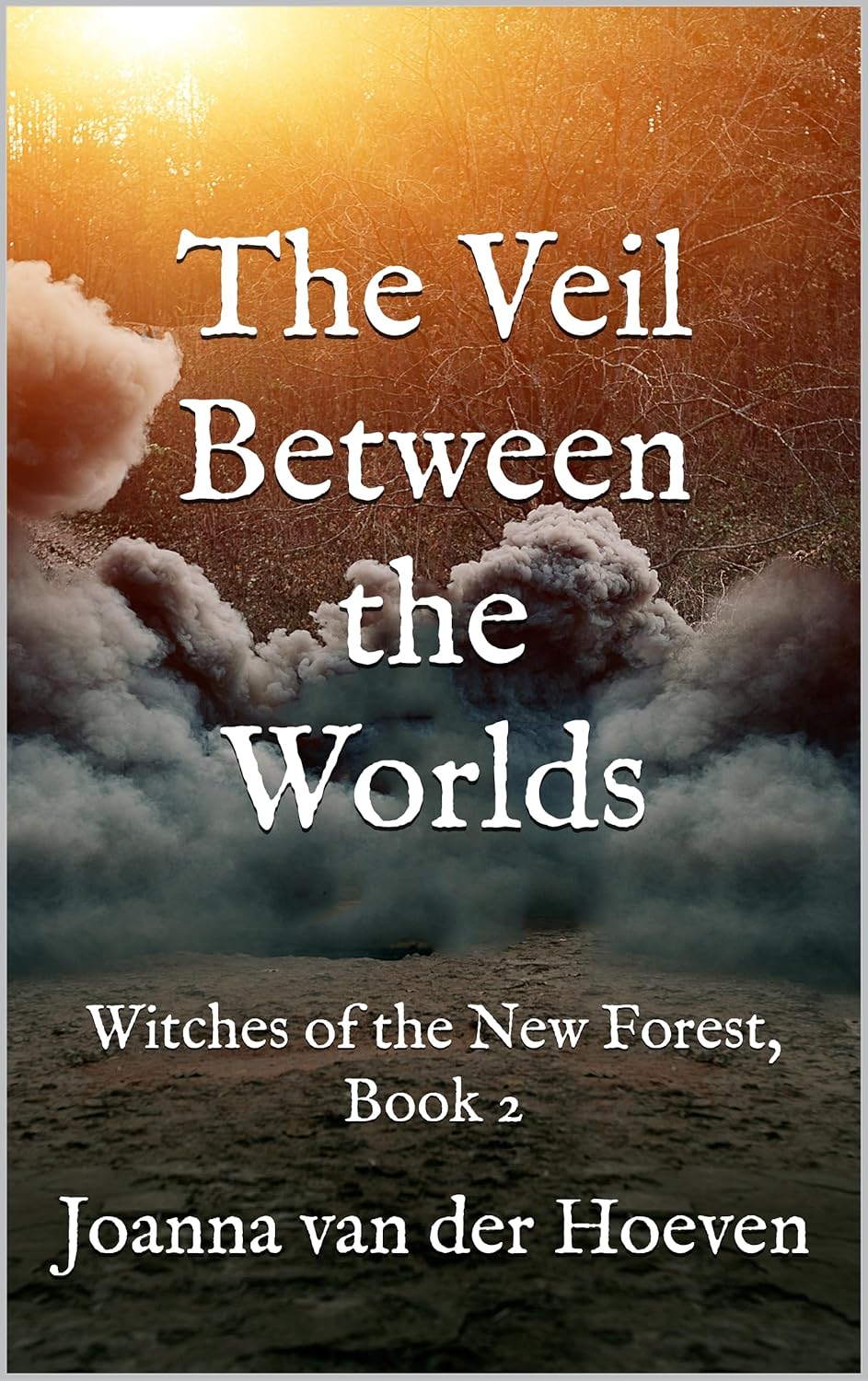
The first two books in this series were actually written one right after the other. As the story crosses over both books, I didn’t want to leave a huge gap in between them, as there is a bit of a cliffhanger ending in the first book! So, when I finished writing the first one, I immediately began the second. Once the second book was finished, then I started editing the first. When the editing was done, I then released it, and began editing for the second. So, September/October was spent editing Hedge Witch, and October/November was spend editing The Veil Between the Worlds.
The third book in the series, The Witch’s Compass, will be out late spring/early summer of 2025. This will the the third part of Hunter’s trilogy, before we move on to her sister, Ryder’s story. That’s going to be fun to write! Ryder is a great character, as is Hunter, but so, so very different.
The Veil Between the Worlds is availabe for pre-order on the Kindle version only. The paperback is not available for pre-order, but will be released at the same time as the Kindle version comes out, which is 1 December 2024.
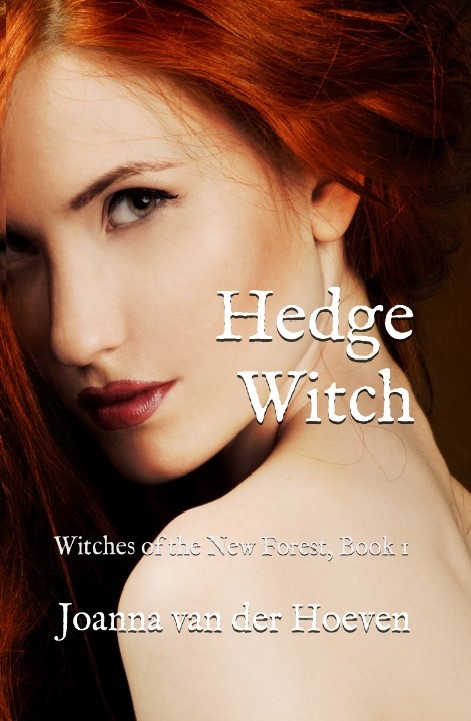
I am having so much fun writing these books. Writing fiction is such a joy, and is what I have always wanted to do. Ever since I was twelve years old, I’ve had stories running through my head that I just had to write. It started with handwriting in unused school notebooks, and then moved onto an old manual, clackety typewriter before our family got an old second-hand electronic typewriter, which was much better for my hands than the other, older one! I wish I still had that little, blue typewriter that I began my writing career with nearly forty years ago.
It was only decades later that I released my first book, and from there went to writing non-fiction books on subjects that were so very dear to my heart: Druidry and Witchcraft, with some Zen Buddhism thrown in for good measure. I am so very proud of the work that I have accomplished over the years, and I still have another book coming out in the non-fiction category: The Old Ways, A Hedge Witch’s Guide to Living a Magickal Life (published through Llewellyn). This one will be released on 8 April 2025, but is available for pre-order now.
All of my work is written from the heart. Whether it’s fiction or non-fiction, I only write what I am passionate about, what I love. I feel that is the best way to write, and I am so blessed to be able to do this kind of work. Through the support of those who have followed me throughout the years, my readers, followers on social media, and my Patreon community I have been able to continue writing, and creating other content such as videos, music and more. Truly, I am blessed.
Authors today need support. The market is changing so quickly, with so many new challenges to face. Technology is racing away, with very little thought as to the repercussions on human beings, their lifestyle, their livelihoods and their creativity. If you have favourite authors, please support them any way you can. Buying their books is, of course, the best way, but did you know that leaving reviews on Amazon will help a book be seen to more people? Even if it is just a star rating that you have the time for, it all makes such a difference. Written reviews also help the author to see what people liked and didn’t like about the work, and can inspire them in their own creativity and help them to progress in their career. Leaving reviews on other platforms such as Goodreads helps to get the word out as well. And don’t forget to share social media posts from your favourite authors, as word of mouth is still one of the best ways you can help!
I hope that you enjoy my new fiction series. And don’t forget, books make excellent holiday gifts!
Many blessings to you,
Joanna
P.S. The links I’ve included in this post are for Amazon UK. If you live in a different country, you will have to visit that Amazon page in order to be able to get to the pre-order or ordering section for that book. Thank you!
I’ve been so busy with the release of my new fiction series, Witches of the New Forest, and the first book, Hedge Witch. The second book, The Veil Between the Worlds is also written, and is currently in the final editing stage, so I’m hopeful for an early December release! All this being said, I haven’t had the time to make the second instalment in the Land Sea and Sky video series for my YouTube channel, until today! So, here you go, and I hope you like it!
Pagan books sales have gone down radically in the last year and a half, despite the increasing number of books being made available. It seems to reflect what many of us authors have been worried about for several years now. The sales aren’t even made up with e-books, as those have dropped significantly as well. Audiobooks for non-fiction still aren’t that popular either, and the revenue from them has always been minimal. So why is there this sudden and sharp decline in books sales?
When I first started learning about and practicing various forms of Paganism in the early 1990’s, books and events were the go-to places to gather the information that I sought out. The choice of books available in the bookstores was only a handful stuffed somewhere in the “New Age” section. The internet didn’t exist, but you could order books from glossy catalogues that companies such as Llewellyn provided, which wasn’t too bad if you lived in the US but if you lived anywhere else, the shipping fees were astronomical. And so you just had to make do with what your local bookstore provided. If you were lucky to have a witchy type shop near you, the selection was a little better, but shelf space was always at a premium. And we didn’t even bother much with libraries back then, because they would never stock those sorts of books in the first place. Finding books to read was a real struggle, but such a joy when you did find one that resonated with you.
The coming of the internet was a huge blessing for the Pagan community who wanted to connect with others, talk about authors and books and find solace with others when the community was so small and so widespread. Books began to be marketed online, which was a real boon to the publishing industry. And yet, with more people online than ever before, what has happened to book sales lately? Surely they should still be increasing?
Nope. I’ve talked to my publishers, I’ve talked to other authors and everyone is seeing a real downturn in books sales. We’ve been scratching our heads, trying to figure out why. As book lovers ourselves, it’s difficult to fathom how this downturn has come about so suddenly. So here is my take on what’s going on, and how it could very well spell the end of non-fiction books in the coming future.
The struggle is real, folks. I hope one day that books will have a resurgence, that cosying up with a book on a rainy day will replace hiding under your duvet with your smartphone. There is just something about a book, something that feels like an old friend you can turn to, something that you can hold in your hands, that ages even as you age, the feel of something material rather than something immaterial.
Go analogue for a while. Slow down. Smell the books along the way. Because who knows how long they’ll be here?
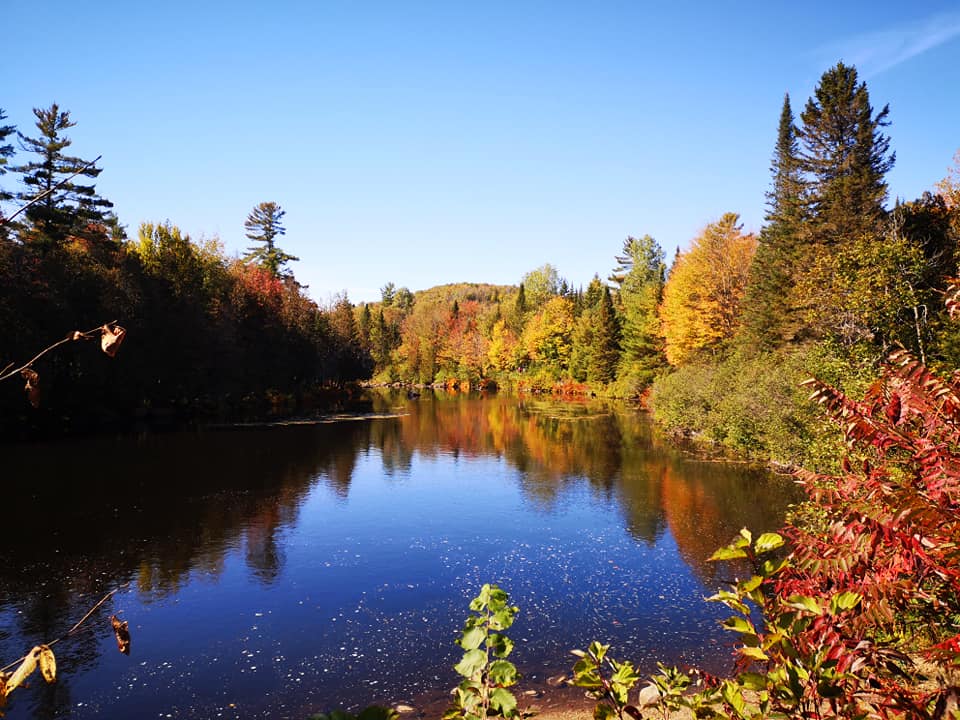
The Autumn Equinox is a brief moment in time where we are poised on the knife’s edge, about to tumble from summer into winter. It is a liminal time, where the transition from the long summer days to the long winter nights is keenly felt. The winds blow differently and stronger, the evenings are creeping in, the sun is not as high in the sky and offers a golden slant in the afternoons. The leaves are changing, the green is melting into golds and the riotous season of growth has ended. The deer have shed the velvet from their antlers and are fattening up, preparing for the rut. Acorns begin to ripen and fall from the oaks; beech nuts and hazelnuts too. Jays and squirrels are caching their nuts and badgers delight in the longer shadows and plentiful food.
For us humans, it is also a time of harvest. The apples are ripe and ready, the potatoes and onions form the second harvest after the cereal crops were gathered in August. Tractors rumble through the tiny village streets with loaded wagons full of produce, taking them to large storehouses or shipping trucks to dispense throughout the country. It is a busy time, with lots of dust in the air and the moon and sun often rising red in the lower atmosphere.
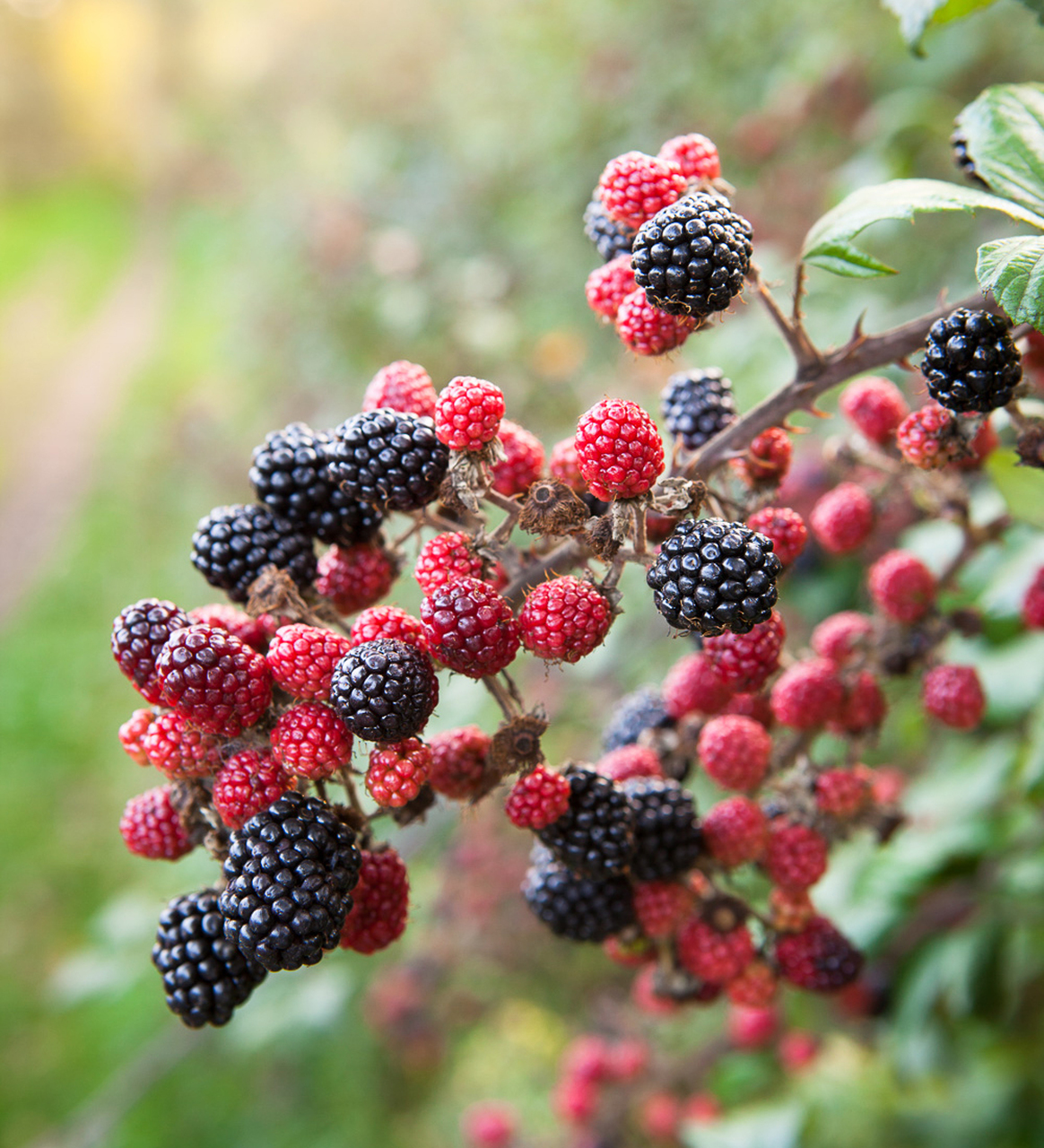
In an age when we can get almost any fruit and veg from a large superstore at any time of year, the importance of harvest is often lost to many. Why celebrate a harvest festival when we have supermarkets on our doorsteps? What need do we have to honour this important time of our ancestors? We live in the here and now, some may say. But all the food that is available in the supermarkets and stores comes from somewhere, from a place that had to work with the elements and seasons in order to grow the food, to take in the energy of that land to produce something that will sustain us. This is what is important, and why it is also important to remember this time for our ancestors of the not so distant past. It has only been in the last twenty or thirty years that all sorts of produce has become readily available throughout the year. When we forget the hardships of our ancestors, we forget a large part of their stories and where we came from, taking for granted many of the liberties that we live with today.
There’s a joy to be found in remembrance. There is also a joy in the turning of the seasons, from the light to the dark, from the harvest to the hunt, from summer to winter. Celebrating these turning points helps us to keep moving with the flow instead of getting stuck wishing that it was still summer. We allow the energy of the season to move freely through out bodies, as we should in any earth-based religion or spirituality. Nothing stays the same, and acceptance of that is perhaps the greatest gift that we can give to ourselves.
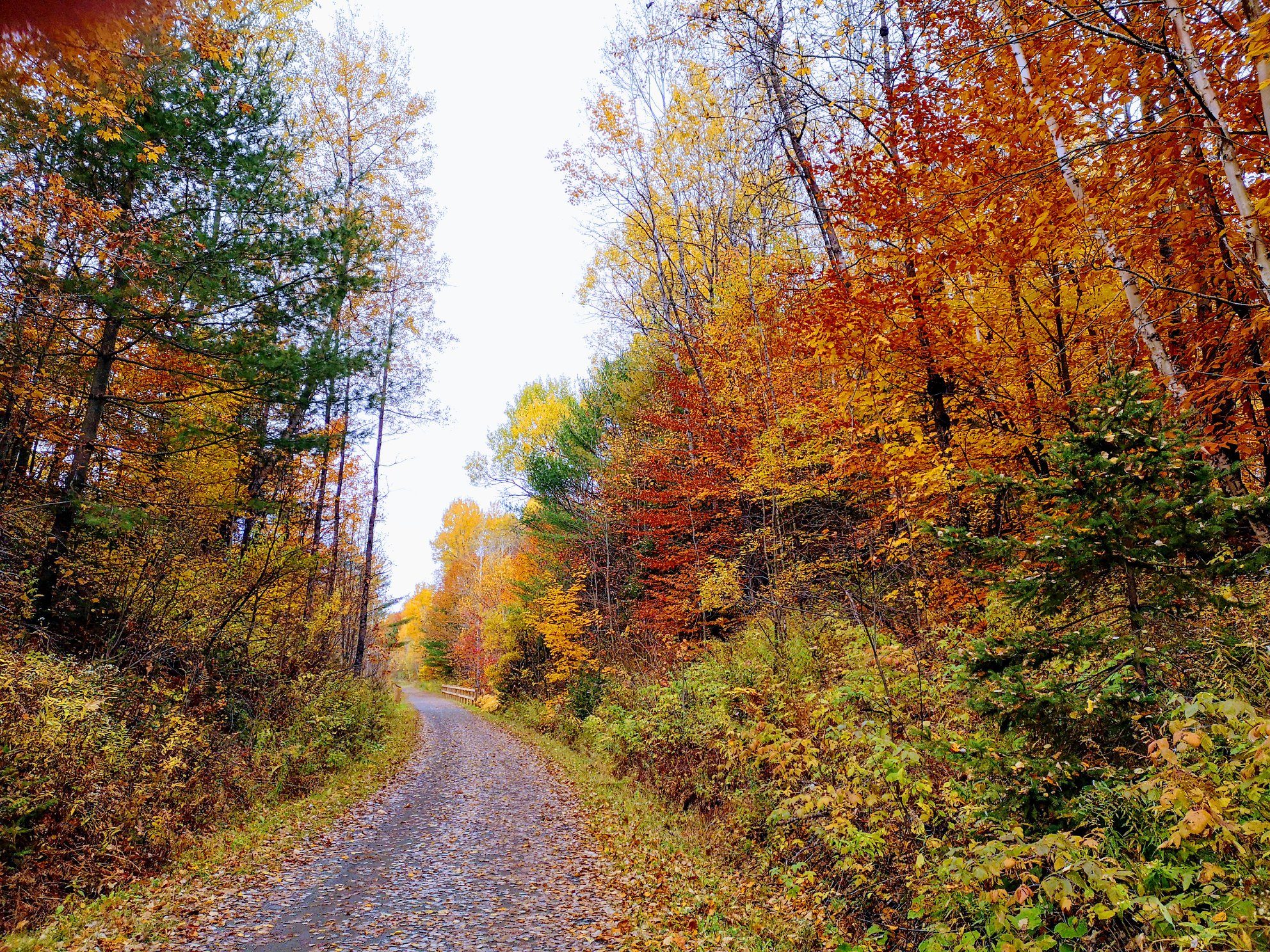
So honour this wonderful time. Celebrate the shift from shorts to jeans, drink all the pumpkin spice coffee you desire, wear hats and scarves and kick up autumn leaves on the path. Drink in the scent of woodsmoke and decay, feel the fresh breezes on your face. Settle in with a good book on the longer nights, light a candle and let your imagination roam. Think of the ancestors as you bite into that freshly picked apple, and honour all the changes that you yourself have undertaken.
Blessings of the Autumn Equinox, Mabon and Alban Elfed to you all.
There is some debate in the Pagan community about using the word ‘Mabon’ to refer to the Autumn Equinox. In 1974, Aiden Kelly was looking for a name to put to the Autumn Equinox that had similarities to the descent of Kore or Persephone. He chose Mabon from Welsh literature, the son who was stolen away from his mother and which Culhwch was tasked to find to win the hand of the beautiful Olwen. With the aid of King Arthur he did indeed free Mabon from his imprisonment, as told in the Tale of Culhwch and Olwen in the Mabinogi.
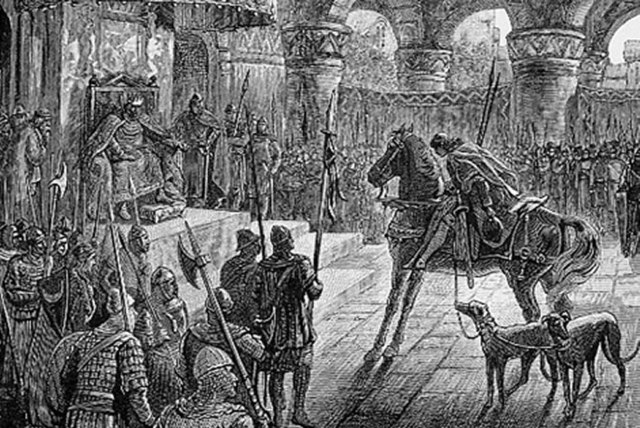
At first glance, it would appear that Mabon’s disappearance and rescue has very little to do with the equinox, and the similarities between his story and that of Kore can appear tenuous at best. However, there are other aspects to Mabon that do very much relate to the Autumn Equinox, which I haven’t seen discussed anywhere (but that may just be because I live in a cave deep in the woods).
I think the most important aspect of Mabon is that it was said that he was the greatest hunter of all time. And when does hunting season begin? For the majority of hunted animals which here in the UK are birds, it is around the Autumn Equinox when the season really gets underway. Deer hunting technically starts at the beginning of August, but the deer are hard to find as they are still hiding away from the summer’s heat until it gets dark. It is around the Autumn Equinox when you are able to see them out again during the day, from late afternoon onwards.
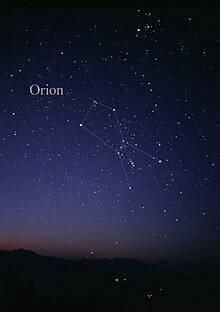
It is also when the constellation of Orion (The Hunter) becomes more visible in the night sky, albeit still in the east before dawn but slowly awakening and becoming more ‘upright’ so that he can stride across our skies followed by his hound during the winter months. As well, it’s when the temperature shifts, and the warmth leaves us as the cold northerly winds begin to blow, hinting at the Wild Hunt and winter’s reign to come. So yes, for me the honouring Mabon as the hunter does make sense at this time of year, though that may not have been the original intention.
Some argue that our ancient ancestors did not care about the autumn or spring equinox. To that, I would say look to our ancient megaliths. In 1966, C. A. ‘Steve’ Newham found an alignment for the equinoxes at Stonehenge by drawing a line between one of the Station Stones with a posthole next to the Heel Stone. The equinox sunrise is beautifully framed by the Gossan Stones in the Wicklow Mountains, Ireland. Callanish in Scotland has an alignment with the equinox, and so does Newgrange in Ireland. Most of these places are famed for their solstice alignments, but they also do have other alignments which are not only solar, but lunar as well.
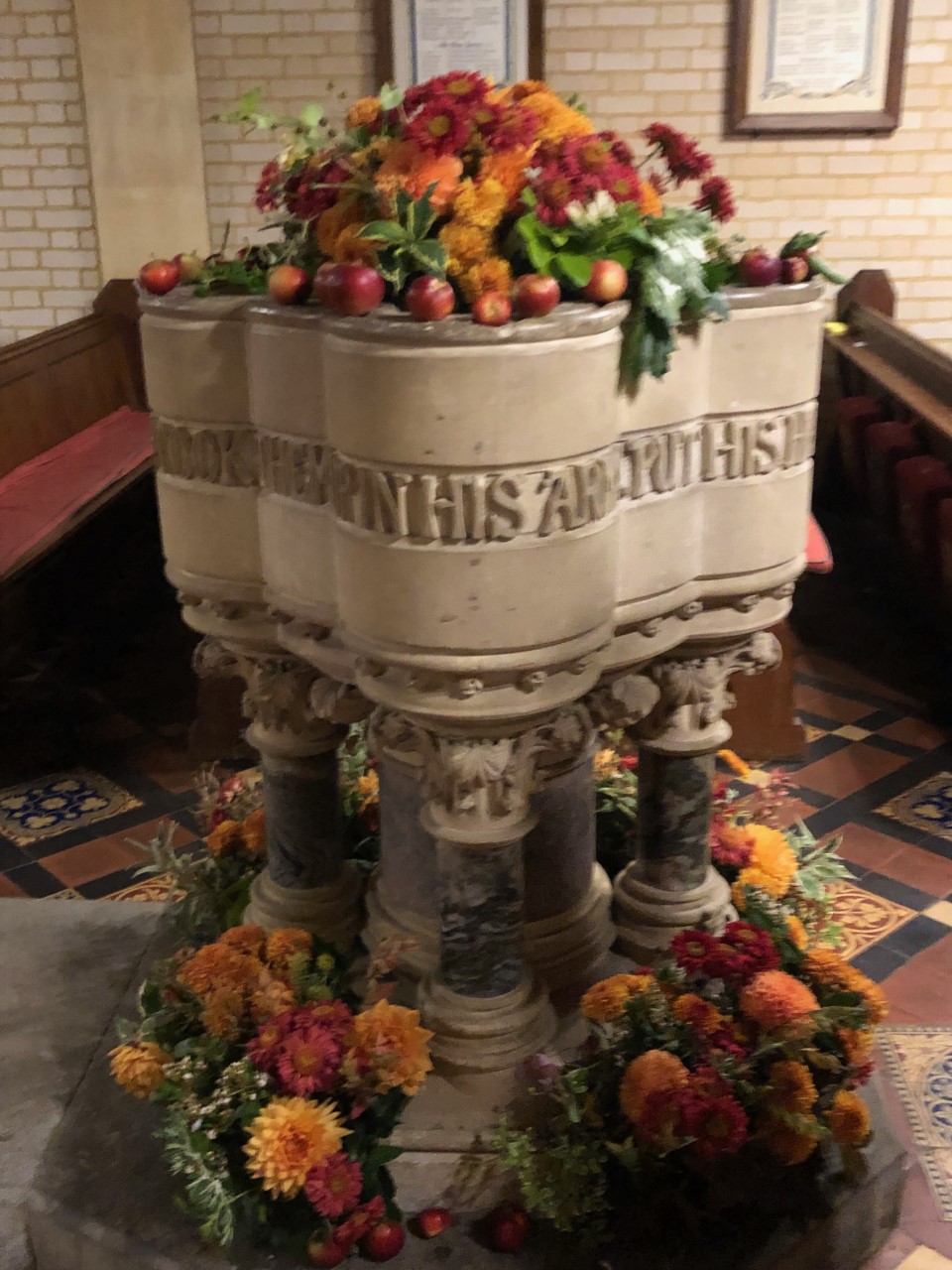
At the Autumn Equinox here in the rural British countryside we are also in the thick of harvest season, which begins at the start of August and runs through to the end of October. As such, some people argue that we should be celebrating Harvest Home. I love that name, but the origins are unclear. It may have been derived from Germanic Pagan traditions that have since been co-opted by the Christian Church, but we can’t quite be sure of its Pagan roots. Harvest Home services are held in many local, rural churches including the one in my own little village on the Suffolk Coast in the East of England. Today Harvest Home is now very much associated with Christianity. That’s not to say that we can’t incorporate it into our own festivals, because it’s what traditions from all over the world have done and still do over time. We learn, borrow and make stuff our own all the time. The Romans were masters at it. But that leads us to the argument of cultural appropriation.
The cultural appropriation argument against Mabon is that it is using a Welsh word/cultural hero and throwing it into ritual without awareness or regard for where it came from. And this is a wholly important thing to consider. However after you’ve done the research, and you find Mabon is known as the greatest hunter then the correlations to this time of hunting and harvesting make more sense, and seem less tenuous. As well, if we believe that we shouldn’t be using Welsh words in our Wiccan, Witchcraft, Druid [insert name of Pagan tradition here] then we really shouldn’t be using Samhain, or Beltane, or Imbolc, should we? We are using the words that have lasted through the years, but if we are not Irish or Scottish for instance, should we even be using these words in our traditions? I think of how many people today still say that Samhain is the Celtic New Year. On the flipside of that, I wonder how many people honour the god Belenus at Beltane? These are all Gaelic words that have been co-opted and given a different flair for various rituals in different Pagan traditions today that sometimes retain very little of the original source.
So should we rewrite all our traditions’ rituals and give them all new names?
Maybe.
But I still like Mabon.
A new video is now up on my YouTube channel, the first of a three-part series on the The Realms of Druidry (Land, Sea and Sky). I hope you like it!
 Down the Forest Path