The Season of Change

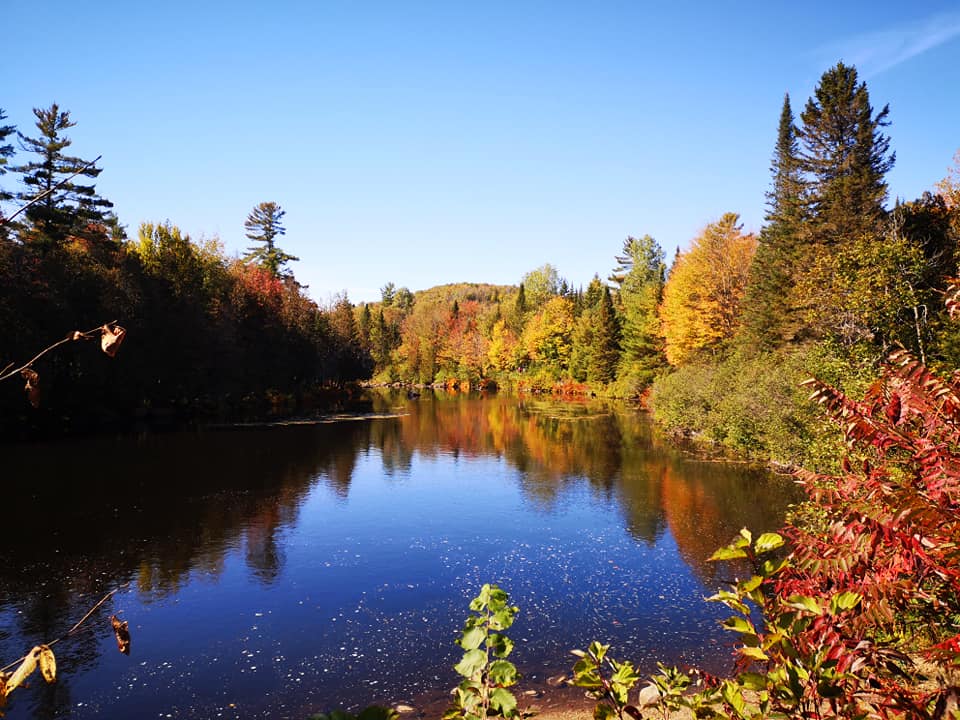
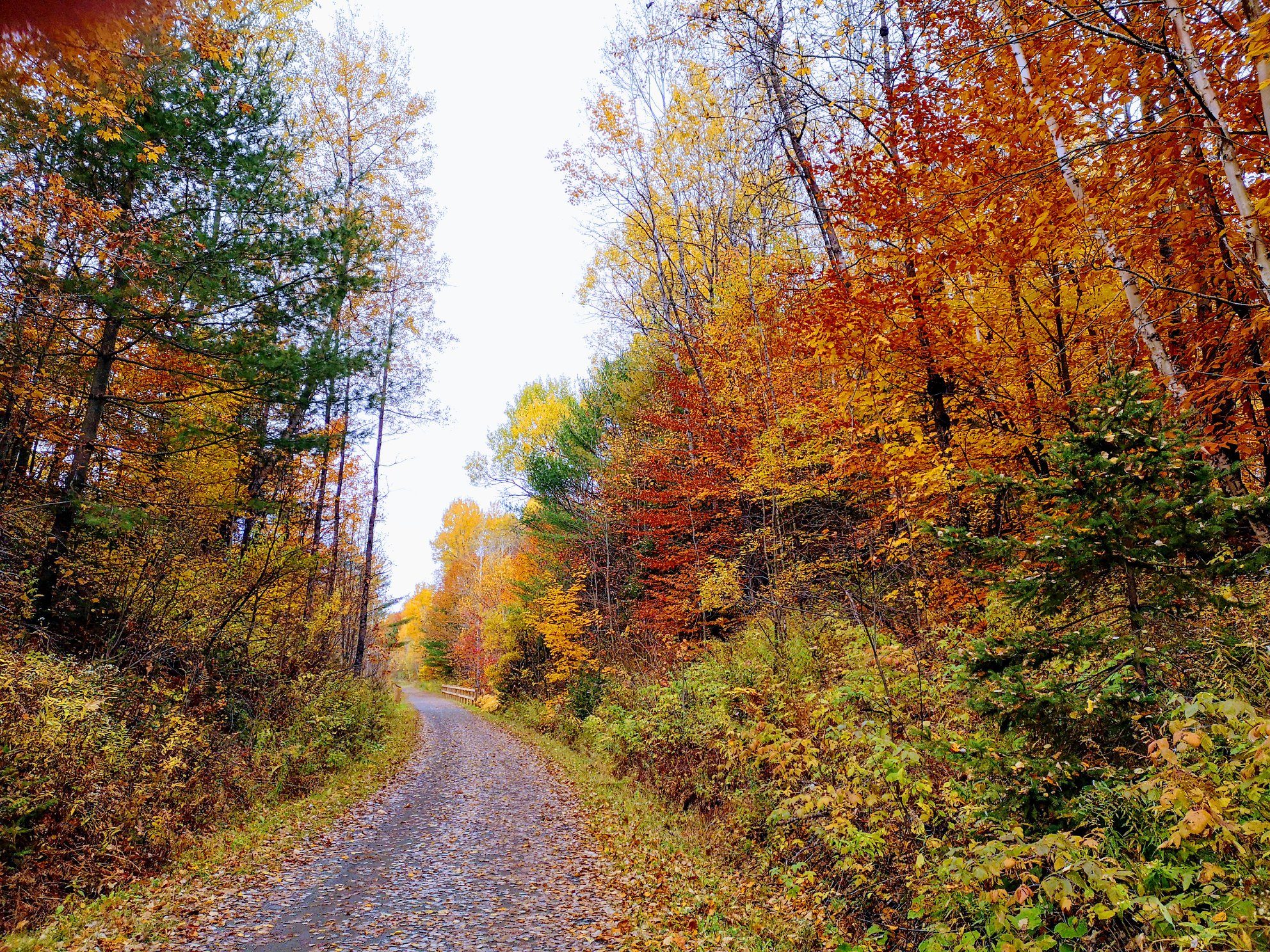
The Autumn Equinox is a brief moment in time where we are poised on the knife’s edge, about to tumble from summer into winter. It is a liminal time, where the transition from the long summer days to the long winter nights is keenly felt. The winds blow differently and stronger, the evenings are creeping in, the sun is not as high in the sky and offers a golden slant in the afternoons. The leaves are changing, the green is melting into golds and the riotous season of growth has ended. The deer have shed the velvet from their antlers and are fattening up, preparing for the rut. Acorns begin to ripen and fall from the oaks; beech nuts and hazelnuts too. Jays and squirrels are caching their nuts and badgers delight in the longer shadows and plentiful food.

For us humans, it is also a time of harvest. The apples are ripe and ready, the potatoes and onions form the second harvest after the cereal crops were gathered in August. Tractors rumble through the tiny village streets with loaded wagons full of produce, taking them to large storehouses or shipping trucks to dispense throughout the country. It is a busy time, with lots of dust in the air and the moon and sun often rising red in the lower atmosphere.

In an age when we can get almost any fruit and veg from a large superstore at any time of year, the importance of harvest is often lost to many. Why celebrate a harvest festival when we have supermarkets on our doorsteps? What need do we have to honour this important time of our ancestors? We live in the here and now, some may say. But all the food that is available in the supermarkets and stores comes from somewhere, from a place that had to work with the elements and seasons in order to grow the food, to take in the energy of that land to produce something that will sustain us. This is what is important, and why it is also important to remember this time for our ancestors of the not so distant past. It has only been in the last twenty or thirty years that all sorts of produce has become readily available throughout the year. When we forget the hardships of our ancestors, we forget a large part of their stories and where we came from, taking for granted many of the liberties that we live with today.

There’s a joy to be found in remembrance. There is also a joy in the turning of the seasons, from the light to the dark, from the harvest to the hunt, from summer to winter. Celebrating these turning points helps us to keep moving with the flow instead of getting stuck wishing that it was still summer. We allow the energy of the season to move freely through out bodies, as we should in any earth-based religion or spirituality. Nothing stays the same, and acceptance of that is perhaps the greatest gift that we can give to ourselves.

So honour this wonderful time. Celebrate the shift from shorts to jeans, drink all the pumpkin spice coffee you desire, wear hats and scarves and kick up autumn leaves on the path. Drink in the scent of woodsmoke and decay, feel the fresh breezes on your face. Settle in with a good book on the longer nights, light a candle and let your imagination roam. Think of the ancestors as you bite into that freshly picked apple, and honour all the changes that you yourself have undertaken.

Blessings of the Autumn Equinox, Mabon and Alban Elfed to you all.

The Mabon Debate

There is some debate in the Pagan community about using the word ‘Mabon’ to refer to the Autumn Equinox. In 1974, Aiden Kelly was looking for a name to put to the Autumn Equinox that had similarities to the descent of Kore or Persephone. He chose Mabon from Welsh literature, the son who was stolen away from his mother and which Culhwch was tasked to find to win the hand of the beautiful Olwen. With the aid of King Arthur he did indeed free Mabon from his imprisonment, as told in the Tale of Culhwch and Olwen in the Mabinogi.

At first glance, it would appear that Mabon’s disappearance and rescue has very little to do with the equinox, and the similarities between his story and that of Kore can appear tenuous at best. However, there are other aspects to Mabon that do very much relate to the Autumn Equinox, which I haven’t seen discussed anywhere (but that may just be because I live in a cave deep in the woods).

I think the most important aspect of Mabon is that it was said that he was the greatest hunter of all time. And when does hunting season begin? For the majority of hunted animals which here in the UK are birds, it is around the Autumn Equinox when the season really gets underway. Deer hunting technically starts at the beginning of August, but the deer are hard to find as they are still hiding away from the summer’s heat until it gets dark. It is around the Autumn Equinox when you are able to see them out again during the day, from late afternoon onwards.

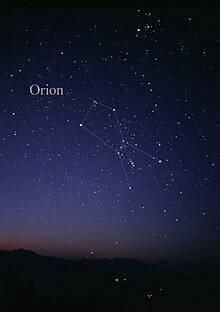
It is also when the constellation of Orion (The Hunter) becomes more visible in the night sky, albeit still in the east before dawn but slowly awakening and becoming more ‘upright’ so that he can stride across our skies followed by his hound during the winter months. As well, it’s when the temperature shifts, and the warmth leaves us as the cold northerly winds begin to blow, hinting at the Wild Hunt and winter’s reign to come. So yes, for me the honouring Mabon as the hunter does make sense at this time of year, though that may not have been the original intention.

Some argue that our ancient ancestors did not care about the autumn or spring equinox. To that, I would say look to our ancient megaliths.  In 1966, C. A. ‘Steve’ Newham found an alignment for the equinoxes at Stonehenge by drawing a line between one of the Station Stones with a posthole next to the Heel Stone. The equinox sunrise is beautifully framed by the Gossan Stones in the Wicklow Mountains, Ireland. Callanish in Scotland has an alignment with the equinox, and so does Newgrange in Ireland. Most of these places are famed for their solstice alignments, but they also do have other alignments which are not only solar, but lunar as well.

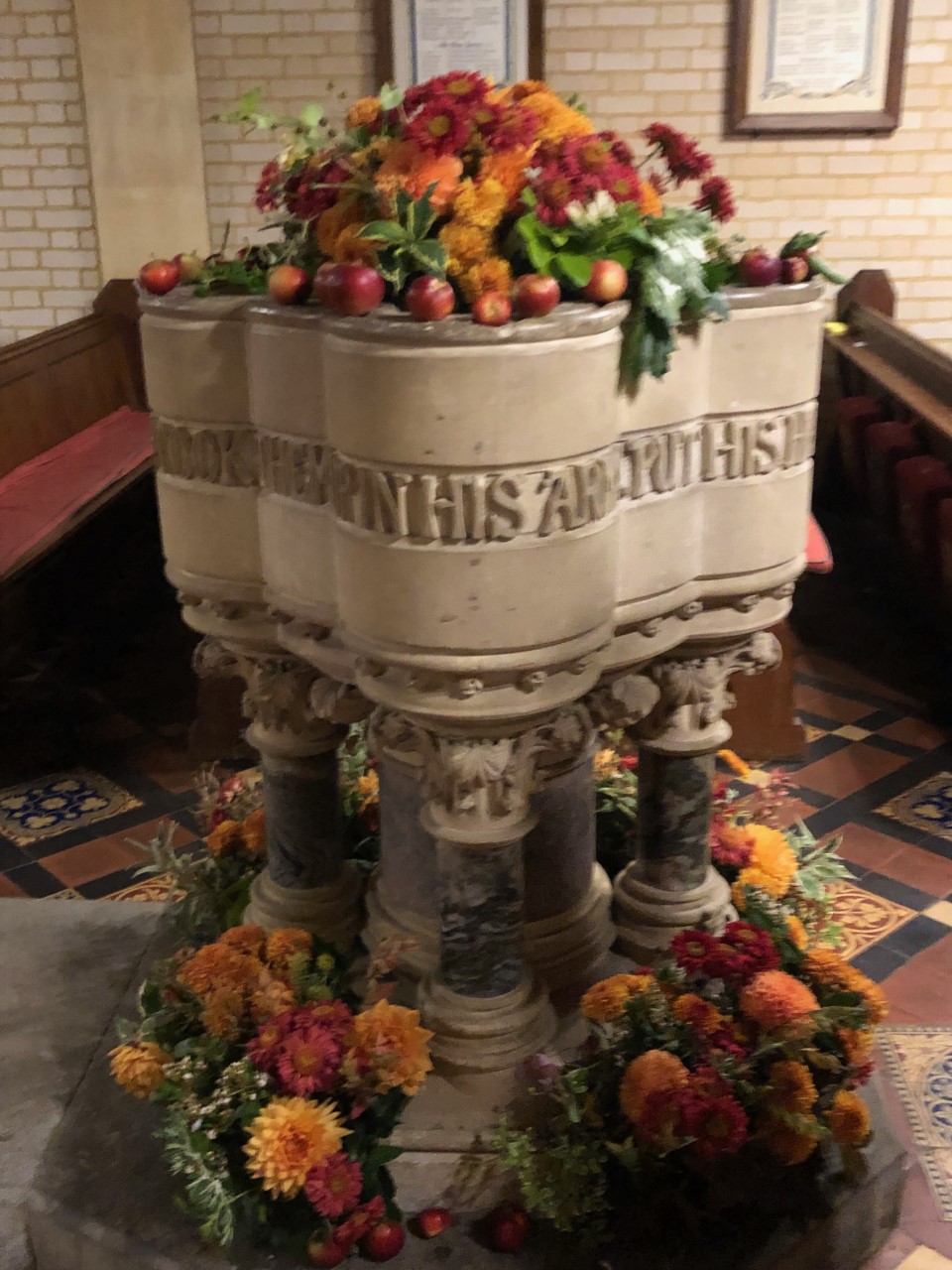
At the Autumn Equinox here in the rural British countryside we are also in the thick of harvest season, which begins at the start of August and runs through to the end of October. As such, some people argue that we should be celebrating Harvest Home. I love that name, but the origins are unclear. It may have been derived from Germanic Pagan traditions that have since been co-opted by the Christian Church, but we can’t quite be sure of its Pagan roots. Harvest Home services are held in many local, rural churches including the one in my own little village on the Suffolk Coast in the East of England. Today Harvest Home is now very much associated with Christianity. That’s not to say that we can’t incorporate it into our own festivals, because it’s what traditions from all over the world have done and still do over time. We learn, borrow and make stuff our own all the time. The Romans were masters at it. But that leads us to the argument of cultural appropriation.

The cultural appropriation argument against Mabon is that it is using a Welsh word/cultural hero and throwing it into ritual without awareness or regard for where it came from. And this is a wholly important thing to consider. However after you’ve done the research, and you find Mabon is known as the greatest hunter then the correlations to this time of hunting and harvesting make more sense, and seem less tenuous. As well, if we believe that we shouldn’t be using Welsh words in our Wiccan, Witchcraft, Druid [insert name of Pagan tradition here] then we really shouldn’t be using Samhain, or Beltane, or Imbolc, should we? We are using the words that have lasted through the years, but if we are not Irish or Scottish for instance, should we even be using these words in our traditions? I think of how many people today still say that Samhain is the Celtic New Year. On the flipside of that, I wonder how many people honour the god Belenus at Beltane? These are all Gaelic words that have been co-opted and given a different flair for various rituals in different Pagan traditions today that sometimes retain very little of the original source.

So should we rewrite all our traditions’ rituals and give them all new names?

Maybe.

But I still like Mabon.

The Three Realms of Druidry: The Land

A new video is now up on my YouTube channel, the first of a three-part series on the The Realms of Druidry (Land, Sea and Sky). I hope you like it!

What Is Hedge Druidry?

There seems to be some confusion over just what Hedge Druidry is, even in the Druid community. I should hope that my writing will clear up some of this confusion and misperception, and for a full account there is always the work that I am most proud of, which is The Book of Hedge Druidry: A Complete Guide for the Solitary Seeker. However, here in blog post I will address some of the misconceptions, and share my love, knowledge and experience of the tradition.

Let’s begin with one of the latest misconceptions that I have come across. I have read in a recently released book on Druidry that Hedge Druids are those “who believe that each Druid can make it up as they go along, collecting bits of lore and ways of worshipping from disparate sources, Druid or not, both ancient and recently invented.” The tone of this seems to be a bit condescending and condemning, and perhaps comes from an uninformed point of view regarding Hedge Druidry as a specific tradition.

Hedge Druidry is deeply connected to the culture, language and study of ancient and modern Druidry. Without that, it wouldn’t be Druidry. Only by understanding the history and context of Druidry, both ancient and modern, can we create an inspirational tradition today that is rooted in the past, but not chained to it. For Druidry does evolve, in order to be relevant to today’s world. But the above statement isn’t entirely untrue either, though probably not in the light that it was presented.

Do we make it up as we go along? Well I much prefer spontaneous ritual, that’s for certain. My words in ritual are never written down. I have an idea of what I am going to say, along with the ritual actions and intention based upon my decades of research into Druidry and the many, many rituals that I have performed over the years. I might write down my ritual beforehand, especially if I am sharing it with others, with a set ritual format to follow, but the words, the feelings and motions are totally spontaneous, deeply in the moment and connected to the spirits of time and place. My rituals are based on a knowledge and love of Celtic lore and my rituals, offerings, and prayers are all rooted in that soil. I have studied Druid ritual in many, many forms and, as no one single tradition of Druidry has survived since ancient times, we are all just trying to create rituals that are sound and which are inspiring, which connect us to the time, place, ancestors and deities based on what we know from history and what is meaningful today. Druidry has no liturgy, but many of my own rituals and those of other Hedge Druids follow a stylised format entrenched in Celtic lore and deeply connected to the land. It gives us an outline to follow, to which our spontaneous words spoken in the moment to those who are with us, both human and other-than-human, can witness.

Do we collect bits of lore and ways of worshipping from disparate sources, Druid or not, both ancient and recently invented? Of course we do. So do all Druids, whether they are Celtic Reconstructionist or from any other branch on the Druidic tree. We have ancient Classical Greek accounts, Roman accounts, and Irish and Welsh records written by Christian monks. We also pull from modern archaeology and, for some, the Romantic and other Revival periods in history, art and literature. We also look through the lens of comparative religion, in order to better understand and make links to the Druid tradition where there might be gaps in the knowledge, looking at shared proto-Indo European roots such as with Hinduism.

As well, there is the importance of the hedge in Hedge Druidry, which is often forgotten, not mentioned or not even known to some in the Druid community.

So just what is Hedge Druidry then? Well, here’s an excerpt from the beginning of my book, The Book of Hedge Druidry:

The Hedge Druid is a more recent term that applies to someone who walks the Druid path for the most part alone, using their wit and intelligence, the wisdom gained from long hours of research and practical experience in order to create their own tradition that is right for them and their environment. The term “hedge” when applied to Druidry stems from the 19th century term, “hedge priest”, which denoted a priest of the Christian faith who did not follow a particular or established tradition, had no church per se and who preached “from the hedgerow”. The term was first applied to Witchcraft in modern Paganism, and popularised by the author Rae Beth. The term then spread to Druidry, and became synonymous with solitary practitioners, who were not part of any Order or Grove or other established sect. Not all solitary practitioners of Druidry would call themselves Hedge Druids, however it is a term that is growing in popularity. However, in this work I shall show how Hedge Druidry goes beyond the notion of a solitary practitioner, into something that is deeper and more connected to the natural world.

The Hedge Druid is also one who rides the hedge, who travels between the worlds, who works with boundaries and the liminal places where the edges blend and meet. The term “hedge-riding” is a practice found in the Pagan community, mostly in Witchcraft traditions. It stems from the German word hagazissa which means “hedge sitter”. The Saxon term is “haegtessa” and both are where we get our word “hag”. Someone who rides the hedge can straddle the worlds, this world and the Otherworld, to bring back wisdom and information to use in our world, the Middleworld. We will learn more about the importance of the hedge and also hedge riding in later chapters. Suffice it to say that working with the boundaries of the civilised world and that which lies beyond the hedgerow is the world of the Hedge Druid, connecting and weaving together those threads to shape the world and find balance and harmony with the whole. It is the known world and the wilderness beyond that shapes and informs our earth-based tradition.

For me, Druidry is mostly a solitary path, though I do belong to some Druid Orders and networks, and celebrate the seasons with a few friends.  But the everyday Druidry, the currents of intention that flow through me and my home and through the landscape where I live is my main focus.  It is a mostly solitary pursuit. Like learning, I always preferred to do it on my own, rather than working with a group, for I found that my concentration was higher, and I could have a deeper level of experience than I could with the influence of others upon my work. The day to day living of my Druid path is what is most important, punctuated by the celebration of the seasons and festivals with others.

Of course, we are never truly solitary creatures, but in this sense I am using the word “solitary” with regards to other humans.  I am never truly solitary, for I am always surrounded by nature and all its creatures every single second of my life.  I am always a part of an inter-connected web of existence. Living this connection, weaving the threads of my life to that of my environment and all that exists within it, means that there is no separation, no isolation. Yet, when asked to describe my path, I use the word solitary or Hedge Druid in the sense that I prefer to find such connection on my own, without other humans around. Why this should be so is perhaps due to my nature: naturally shy, and sensitive to noise, light, barometric pressure and other phenomena, it is just easier to be “alone” most of the time.

It is similar to the path of the mystic, or a monastic. The path of the mystic is much the same; a solitary path where personal connection to the divine is the central focus.  Some would say that the mystic path is the search for the nature of reality. For me, Druidry is the search for reality within nature, and so the two can walk hand in hand down this forest path. There are many elements of mysticism in my everyday life, where the songs of the land and the power of the gods flow through me, the knowledge from the ancestors deep within my blood and deep within the land upon which I live, rooted in its soil and sharing its stories on the breeze. To hold that connection, day in and day out, to live life fully within the threads of that tapestry is what I aspire to do, each and every moment.  Sometimes a thread is dropped, and it requires a deep mindfulness to restore it, but practice helps when we search for those connecting threads, becoming easier with time and patience both with the world and with your own self.

The monastic retreats from the world to connect with the essence of the divine, however you may describe it.   There is a deliberate intention to be separate from the so-called “mundane” world, or secular culture. However, within Druidry we realise that there is no such thing as mundane, and the duality between the physical and the spiritual is something that is anathema to the tradition. Learning how to be in the world is of great value, even as great value is found in being alone. For some, I’m sure a monastic Druid tradition would be a most agreeable way to live, but for most they prefer to work in the world rather than separate themselves from it, because they understand that separation is merely an illusion.  Most non-gregarious Druids would prefer the path of the mystic, rather than the monastic, for that very reason. The mystic seeks integration, the monastic separation.

Yet both have many other similarities. Both seek to release the vice-like grip we have on our sense of self, the ego that we try to protect at all costs. The dissolution of the ego can be seen as at the heart of many Eastern traditions. Druidry teaches us integration, our ego perhaps not dissolving but blending in with that of our own environment. We don’t think less of ourselves, but rather think of ourselves less. The animism that is a large part of Druidry for many helps us to see the sacredness of all existence, and in doing so we are not seeking annihilation, but integration. We can perhaps dissolve the notions and out-dated perceptions that we have, both about the world and about ourselves, leaving the self to find its own edges and then blending in to the world around us, truly becoming part of an ecosystem where selflessness is not altruistic, but necessary for the survival of the system.

The flowing inspiration (otherwise known as the awen) where soul touches soul and the edges melt away into an integrated way of being has always been at the heart of Druidry.  The three drops of inspiration or wisdom from the goddess Ceridwen’s cauldron contain that connection; they contain the awen that, with enough practice, is accessible to all. We have to spend time brewing our own cauldron of inspiration, filling it with both knowledge and experience before we can taste the delicious awen upon our lips. Some prefer to do this with others; some prefer to do so alone.

It is easier to quiet the noise of humanity, and of our own minds, when we are alone without distraction. Notice I said “easier” and not “easy”, because again it takes practice. But time spent alone, daily connecting and reweaving the threads that we have dropped can help us create a wonderful, rich tapestry that inspires us to continue in our journey through life, whatever may happen along the way. Though the solitary path might not be for everyone, having these moments of solitude can be a great tool for deep learning, working on your own as well as working within a group, Grove or Order. Sometimes we need to remove ourselves from the world in order to better understand it, and then come back into the fold with a new awareness and integration filled with awen, filled with inspiration.

The Hedge Druid is not afraid to be alone, nor with others, but seeks deep and utter integration in the world. Being a Hedge Druid requires determination, in seeking out the ancient and modern lore, and finding what aspects resonate within our soul. Not everything ancient is valid today, and not all modern aspects have integrity. We need to take a step back from declaring authenticity when there is doubt, and instead search for validity in our spiritual path. The Hedge Druid learns to walk her path with integrity, with solid research and experiential wisdom. She does the work, in the physical as well as the academic. Our learning is our own personal responsibility.

I hope that this blog post clears up some of the confusion of just what Hedge Druidry is, compared to other traditions within the Druidic diaspora. It is a deeply transformational way of being in the world, that appeals to those who wish to be connected to the land, the ancestors and the ancient Celtic heritage, while also at the same time work with the allies and guides of the Otherworld, or the three realms of land, sea and sky through hedge riding experiences. A Hedge Druid is deeply connected to the concept of the World Tree, the importance and significance of the bilé, to inform their world and how they work within it. And, as are all Druids, we are questing the awen: that sense of connection, of deeply integrated relationship with the land and with each other.

May we be the awen.

Witching Around Podcast

This month the Witching Around podcast features…. me! Do check it out, I had a great time with these lovely ladies 🙂

She Sings to Vultures

It’s another hot but dry day, without humidity for the first time in weeks. I am so grateful for the respite from the oppressive, thick air that makes it hard to breathe. And so I am outside, having wandered the hills and down the forest ridge to the middle of the valley below. The wildflowers are blooming all around me, the bees buzzing and the brilliant blue sky stretching out all around me.

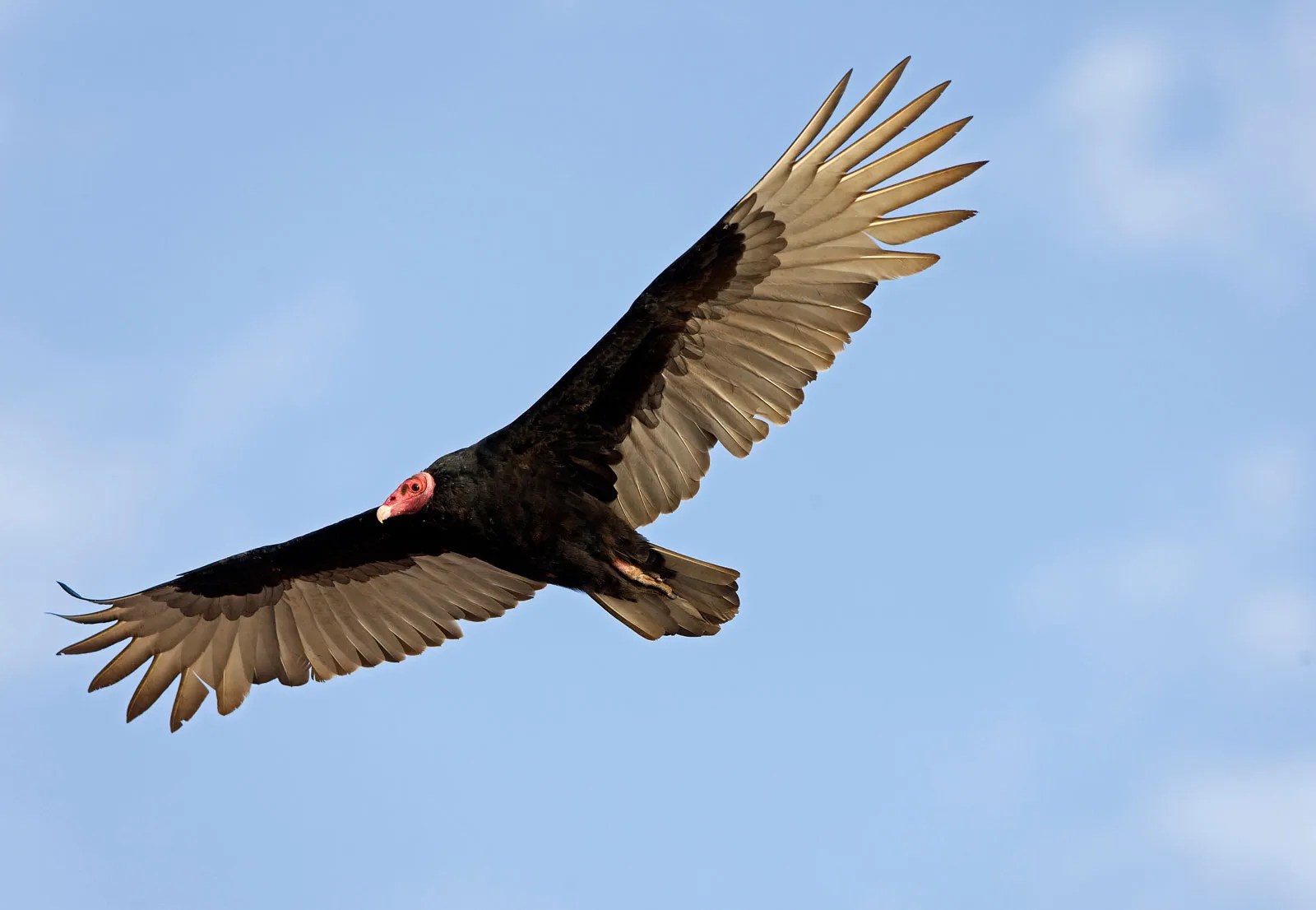
I notice a bird, circling over the edge of the valley. I study its flight, and see that it is a turkey vulture. These birds have been moving northwards into Canada for the last 50 years, as the climate changes and the mass use of pesticides has been banned. Their silent, lazy, teetering circles on the thermals and the breeze are now a common sight in the area. But for many they are still an enigma, a threat, or even mistaken for eagles.

I have always welcomed these birds, though they are feared and mistrusted by others. I spent a long time in that valley, watching the flight of the bird, thinking about how it teaches us of the things that we would rather ignore in our lives. As carrion feeders, they teach us first and foremost about death.

In Canada, there aren’t any First Nations stories about these birds, as they are a recent addition to our landscape. There are a few from further south in the US, both positive and negative. But anyone with a little time can do some research to find out how they fit into the landscape, and how they can teach us their knowledge and wisdom of being.

They aren’t pretty birds, though in flight they are certainly imposing, and even majestic, with their long wingspans. They eat the flesh of animals that have died, and so are like nature’s clean-up crew, saving the spread of bacteria and disease by disposing of rotting corpses. The acid in their stomachs is strong enough to kill harmful bacteria, and so they are very much an important part of the ecosystem by taking care of things that would be harmful to other living creatures, ourselves included.

Their bald, red heads can look menacing, but are well-adapted to eating rotting corpses. Feathers would get in the way and be difficult to clean of harmful bacteria, and so their featherless heads make it much easier to get in and eat the flesh and then be cleaned afterwards, in rivers, lakes or streams as they drink, or in the rain. They defecate on their legs, which for many people is quite disgusting, however they are not the only birds who do so. The reason that vultures specifically defecate on their legs (bird poo and pee comes out together from one orifice, by the way, which saves water loss) is so that they can kill bacteria on their legs with ammonia after feeding on corpses and walking over them.

Their sense of smell is what alerts them to food. They have the largest olfactory system of any bird. They can smell carrion from over a mile away! Very handy to mother nature’s clean-up crew. They can also spot carcasses from up to a mile away, though they have trouble seeing in the dark and so are daytime flyers. Incredible birds.

And yet they are feared, or mistrusted, or reviled. I stand in the middle of the valley, watching the vulture’s flight. A chant bubbles up in my mind, one that I had created early this year. The tune seemed to reflect the soaring freedom of the bird’s flight, and my happiness at its existence. I sang, watching the circles it made in the sky, willing the bird to hear my voice and my songs of praise.

And it came nearer. Immediately responding, it heard me and came, following the notes of my song. I felt that it could feel the love that I had for it, the wonder and joy of its existence and the freedom of its flight. I poured my emotion into my song, letting it know of my joy in its flight. Closer and closer it came, lower and lower, listening to me and drinking in my love. Over my head it came low, and circled beneath the sun, in a dance of light and darkness that reflected its very being. I raised a hand to my eyes, sheltering them from the light of the sun to watch the bird glide in the white brightness of the sky right overhead. The long, dark wingspan stretched over me, and my heart touched that bird with joy and love and peace, and that emotion was returned to me from this incredible bird.

It made one final low circle around me as I stopped my song. It then bid me farewell, and thanked me for the song as it moved over to the other side of the valley, find new thermals and a new vista. The experience of the vulture is something that I will cherish and carry me throughout my lifetime.

As the bird flew off, I spoke these words from my heart:

Your flight is my inspiration

And the knowledge that upon my death,

You will take care of my body

Is my sanctuary

For in death there is life,

In life there is death

So has it always been

So shall it always be

I will always sing to the vultures.

July Musings

The hot summer sun beats down, and the humid air lies heavy all around. To go into the forest during the day would be to invite all the biting insects to a feast, and to sit indoor feels almost like sacrilege on these summer days. But it is so hot. The kind of heat where just moving makes you break out in a sweat. Sitting still seems to be the best thing to do. The cat knows and understands this, and so I take my cue from her wisdom of being.


Even the birds have stilled their song in the midday heat. Earlier, the cardinal sang his heart out to his love, who is always nearby. The crows still caw occasionally, but apart from that, all is still except for the long, drawn out trill of the cicadas cooling off. The mosquitoes are all hiding in the woods from the heat, and the black flies have mostly died off. It’s the heat of an August day, in the middle of July, and we have been in this heat wave for two weeks now. Everyone is tired.


Still, my love for nature calls to me. I seek out the shade, and listen and watch the life that exists all around me. It’s in my nature, and was a big part of my Druid training. Be still. Watch. Listen. Learn.


When we still the voices in our minds, those stories of the humans that are part of our lives, we are then open to receive the stories of the other than human world. Whether we are in a city or on a remote hillside overlooking a vast plain of grasses shimmering in the breeze, there are stories all around us. In the flora and fauna, we learn of the countless ecosystems, micro and macro, and how we fit into them as living beings. And hopefully how to do so with love and respect.


The cycle of the seasons is shifting, from the height of midsummer and the ectastic, dancing energy of the tide of highest light, to the slower, more thoughtful tread of the harvest. The wheat is ripening in the fields, the seeds hanging in the trees and the late summer flowers are blooming. The greening is no longer vibrant, but heavy with the responsibility of continuing the legacy of growth, death and rebirth.


What lessons can I take from this oppressive heat, this heavy time, this long outbreath after the days of midsummer? Lammas or Lughnasadh is fast approaching: the first harvest. But we are still in an in-between state; the calm before the storm. It feels like a time to rest, recoup and prepare for the heavy labour that lies ahead when we collect in our dreams of the winter and spring, and which we have brought out into the world and into the light of summer. It’s that morning cup of coffee before the kids awake, or that few minutes in the bathroom of the office where you just need to be alone and regroup. It’s a stroll along a lakefront, the heavy stormclouds gathering overhead.


And so I rest, here with my family, as best I can in the 30+ degree celsius heat. I have just under two weeks remaining to gather up my strength again and reap the harvest that I had planned and worked for all this year. The books are coming along nicely, and the fiction has been especially rewarding. Finalsing that text in August and September will be a joy, and in readiness possibly for a Samhain release.


The breeze blows softly through the leaves of the oak tree my grandfather planted in the backyard. Now huge, its overhang shades the house from the relentless southerly sunshine, as well as standing as a proud reminder of our heritage and our life here in this part of Canada. Many other trees that I grew up with have long since gone, having lived out their life span or destroyed by storms or harsh winters. But the tall oak tree still stands, its large green leaves and developing acorns towering over this end of the village, and looking out towards the great expanse of the valley that is hidden from us humans by a large cedar hedge. This oak tree is part of both worlds: that of the human family that has lived under its boughs for over 50 years, and also that of the surrounding landscape, with the forest and valley, the hills and clouds, the rain and sunshine, sleet and snow that has blessed this landscape since it was formed.


Settling into my roots, deep like the oak tree, I can find the sustenance I need to carry me through.

New Video: Self Belief

Between downpours I finally managed to get some filming done for a new video! Here you go 🙂 To see behind-the-scenes footage of all my videos, please consider joining my Patreon page 🙂

New Video: Beyond Beginner

Hiya! I have a new video up that relates to all Pagan paths, and not just Witchcraft (but needed a specific title). So, I hope you enjoy it!  

New video: The First Signs of Spring

See all my videos on my YouTube channel!