
Being a bit of a hermit living out on the far eastern edges of England and not engaging all that much online in favour of working with the land and the local people around me, I miss a lot of the intensity, drama, and other goings-on in the Pagan/Witchcraft/Heathen/Druid community. The online community is but one of many communities in which people can gather, and yet for the last decade or two seems to have taken prominence over others. Whether this is a good thing or not I am not going to judge. What I will comment on in this blog post, however, is the validity of one’s own practice, religion, or path in light of the divisiveness that communities can create, which in today’s day and age the loudest seems to be the online community.
This is nothing new. Communities are where people gather, and where people gather there will always be shit-talking. People are people. They are wonderful and loving, they are kind and compassionate, they are cruel and mean, and they are stirrers and troublemakers. There’s nothing you can really do about other people, online or off, and the only real changes you can make are to your own life, letting that be an example for others.
In a magical community, there are extra forces at work, different powers at play, and yet at the heart of it all is simple humanity. There is good and bad in the world, there are good and bad people and everything in between. We all have actions, deeds, or thoughts we regret, as well as beautiful acts of generosity and love. What we need to remember, and indeed foster, is something that I heard Maxine Sanders say in an interview with the Museum of Witchcraft back in December 2017.
She stated that we need more peace and less of the joy of viciousness in our lives. That there is nothing worse that sanctimosity without the holy. These phrases have really struck a chord with me, and make me think of what so many people tell me about the online community today, and what little I have myself experienced over the last twenty years. Before we had the internet these things still occurred, and as I have already stated, people are people. But the far-reaching abundance and ease with which sanctimosity and viciousness can occur online behind a screen of anonymity is something totally new to humanity, and is indeed changing the way that we humans think and behave in the world at large. And it is something that does indeed frighten me.
The main point that I am trying to reach in a rather circumventuous (yes, I just made that word up and I like it) route is that I feel there is a real need to concern yourself less with what others are doing in their own spiritual practice/Craft/religion and to focus on your own work more. It is far easier to belittle, attack or comment on other people’s work than to take a good, hard look at your own. Looking outwards is usually always simpler than looking inwards. But understanding your own self will help you to better understand others far quicker than focusing outwards all the time, in my opinion.
I wrote a blog post at the end of last year about what your life is like when no one is watching, and I feel that ties in neatly with what I am trying to say here. Concern yourself less with what other people think, and take the time to really know and understand what it is that you think, feel, and should work towards. In a magical life and practice, this will certainly be different for every individual, based on their life circumstances such as upbringing, environment, culture and society, economic stability and a whole host of things that fit within Maslow’s Hierarchy of Needs (although needs don’t necessarily form a hierarchy). If each person’s practice is unique according to each person’s life experience, then how on earth can anyone tell another that they are doing it wrong? Is this not an ego and control issue, rather than trying to further the Craft/spirituality/religion?
Let’s take Maxine’s advice to heart. Let us find the holy in our own lives, without being sanctimonious about it. Let’s leave off the joy of viciousness in favour of more peace in our own lives. Let’s focus on ourselves and our own practice, and stop comparing them and our lives to others’ on the internet or in the real life community, because we are not getting the full picture in either situation. We can be inspired by those whose words and actions lift us up, and open up new pathways of being, for sure. But living a life of comparison is an empty one.
Live your life, and work your magic as it best works for you.
Because that’s all that you really can do.

 Just a reminder that we also have an audio version of Down the Forest Path, with weekly podcast episodes (though I may miss out a week here and there, like last week due to another death in the family). It’s been interesting to try out this medium, and although I’m much more comfortable writing than speaking, I feel that this is good for me, as a Druid in honouring an ancient oral tradition. So, every month there is one free podcast available, but to listen to all you will need to subscribe. Subscription lasts for an entire year from signing, and you will also have access to all of my back catalogue items such as the audio version of my book
 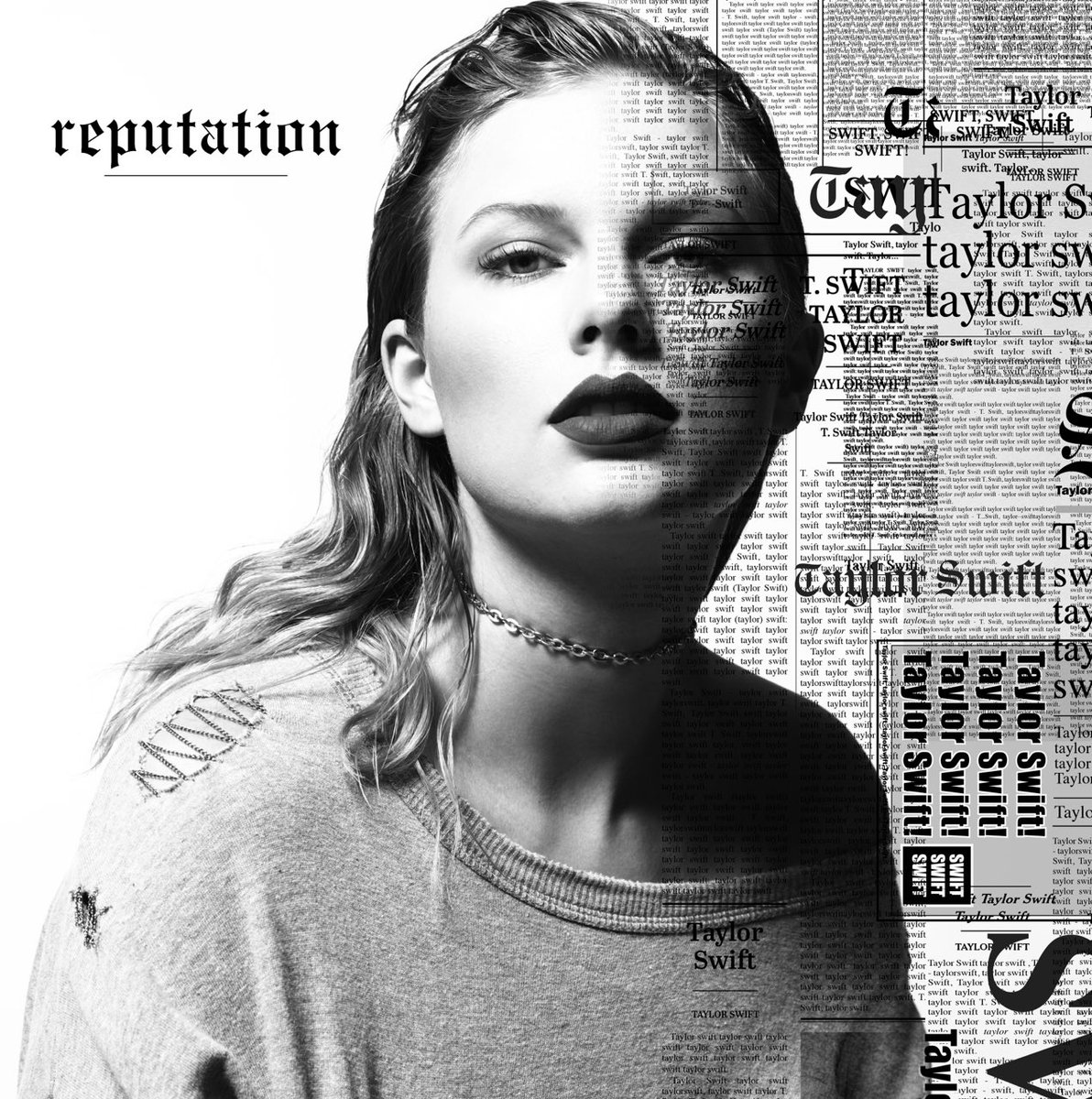 The song and video also points out that we need to take responsibility in our lives, which includes personal and emotional responsibility. The title, “Look What You Made Me Do” is referencing that fact that we often blame others for so many things, which engenders a lack of personal responsibility when it comes to the art of basic living. We need to take responsibility back for ourselves, for our actions, our words, our thoughts and emotions. When we do so, we pull of the mask that allows us to stay in our wounded selves, and to fly free with the wings of freedom and sovereignty. The reaction of others to this, well, what can I say? Some may praise you for it, some may criticise, some may hate and some may love you for it. The title is also a comment on how the media have created and fabricated all these stories about her, making her as a media-created character do and say things that are completely false. Taylor Swift’s new album (available beginning of November) is called Reputation, is yet another examination of the power of story, and who is telling it, and to whom.
 For me, Druidry is about living a life in service. Many people confuse the word service with subservient: being beneath someone else in a lower position, lowering yourself for others. Service has nothing to do with this, and everything to do with using your skills, wit and intelligence to benefit the world around you. Relationship is at the heart of Druidry, and service to Druidry requires good relationship. There is equality, a give and take, in order to maintain a sustainable relationship. We work to serve the whole: the ecosystem, our community, our families, our ancestors, our gods, our planet. Our work in Druidry is not just for ourselves.
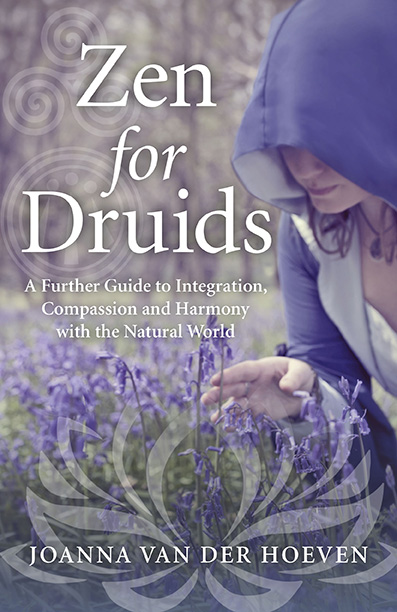 Reviews are coming in for my new book,
  Down the Forest Path