What Does Your Life Look Like When No One is Watching?

Social media, urgh. Devices, urgh. Sharing every aspect of you life with people you’ve never even met, urgh. Right now, this is 99% of internet life for most people these days.

I’m going to go on a little rant now, about the ‘good old days’ when we didn’t have mobile phones, internet, heck, even cable tv. Yes, I’m GenX. As kids, we lived most of our lives outside, unless there was a thunderstorm or it was colder than -25C. Friends came over to play, and we had in-person conversations and social interactions. It wasn’t abstract, it wasn’t one-step removed from a real personal meeting. And I feel that we are losing that reality at an incredible rate.

Even if, like me, you’re perfectly happy being on your own and social interactions are kept to a bare minimum, there is still so much relationship to be had with the real world, the natural world around you. I’m hardly ever lonely, because there are birds around me, deer, trees, the sea, the forest. But all that is being sacrificed to spend time online in a virtual world where you can’t smell the woodsmoke on the air, feel the wintery sunlight on your face or walk through the dewy grass. And yes, I see the irony of expressing myself with these words you are reading here on my online blog, my voice being carried virtually across continents to people I’ve never met. But just bear with for a few moments longer, if you would.

I love silence. I crave silence. Most of my day is spent in silence, the only sound the birds in the garden and the clacking of the keyboard as I write my books. But then that wonderful silence is broken by having to post on social media, to remain visible, to post content to keep the algorithm going. And yet I often wonder as I feed the beast that is social media, am I being nourished as well?

I am providing content for these platforms, but am I getting anything in return? When it all comes down to it, there is very little return on the investment of my time and effort spent in these places. But we are taught, aren’t we, that we must post, we must share, we must continue to be present in these spaces. It’s one of the greatest illusions of all time.

And we can get caught up in it all, letting it seep into every single moment of every single day. I have to retrain my brain, because every time I see a wonderful sunset, I want to share it with the world. When I go for a walk and see the deer, I whip out my phone to record them, hoping to inspire others with the beauty of nature. But I am missing out on being present in that moment, with the sunset, with the deer, with the world that is trying to interact with me. It’s like going down to the pub with your mate, who is trying to video everything for their own social media. What’s the point? Who does that nourish? Certainly not one’s own self or the person you are with.

It’s the greatest con of all time.

Here’s the question we should be asking ourselves, day in and day out:

What does my life look like, when no one is watching?

Some people might realise that they don’t even have a life that goes undocumented, and they then must create one, which can be an utter joy and a balm for the soul or frightening as hell. Others realise how much of their lives are a complete and utter illusion, and want the real stuff, the good stuff, that which feeds our soul and not the beast.

We have to release ourselves from this need for validation.

As a self-published author I need social media in order to get the word out about my work. But social media does not need me. It’s an imbalanced relationship. Some people might say the same of cats, but they are obviously not cat people.

It’s okay to live a life that is your own, and not shared with the world. I am making a serious effort to reign in the desire, the need, the built-in mode of share, share, share that social media instructs us to do. Because for the most part, it’s not to our benefit. It changes the way we think, the way we behave, and we can completely lose ourselves in the process. And that’s not something I’m willing to do.

So I will be spending less time in a virtual world, hoping to retrain my brain to be with me in this world, where the cat wants to play, the branches on the trees are sparkling in the sunlight after the rain, and remembering what my life is like when no one is watching.

Because that’s the most important life of all.  

End of Year Blog for 2024

End of Year Blog for 2024

It’s coming to the end of the year, and I am about to take such much-needed time off. Throughout the year, I take two holidays: one summer, and one winter holiday. I use this time to go back home and see my family in Canada, which as the years progress gets even more important. They say you don’t know what you’ve got until its gone, but I disagree. I am so very thankful and happy for my friends and family, and I will spend every single chance I can get with them, no matter what.

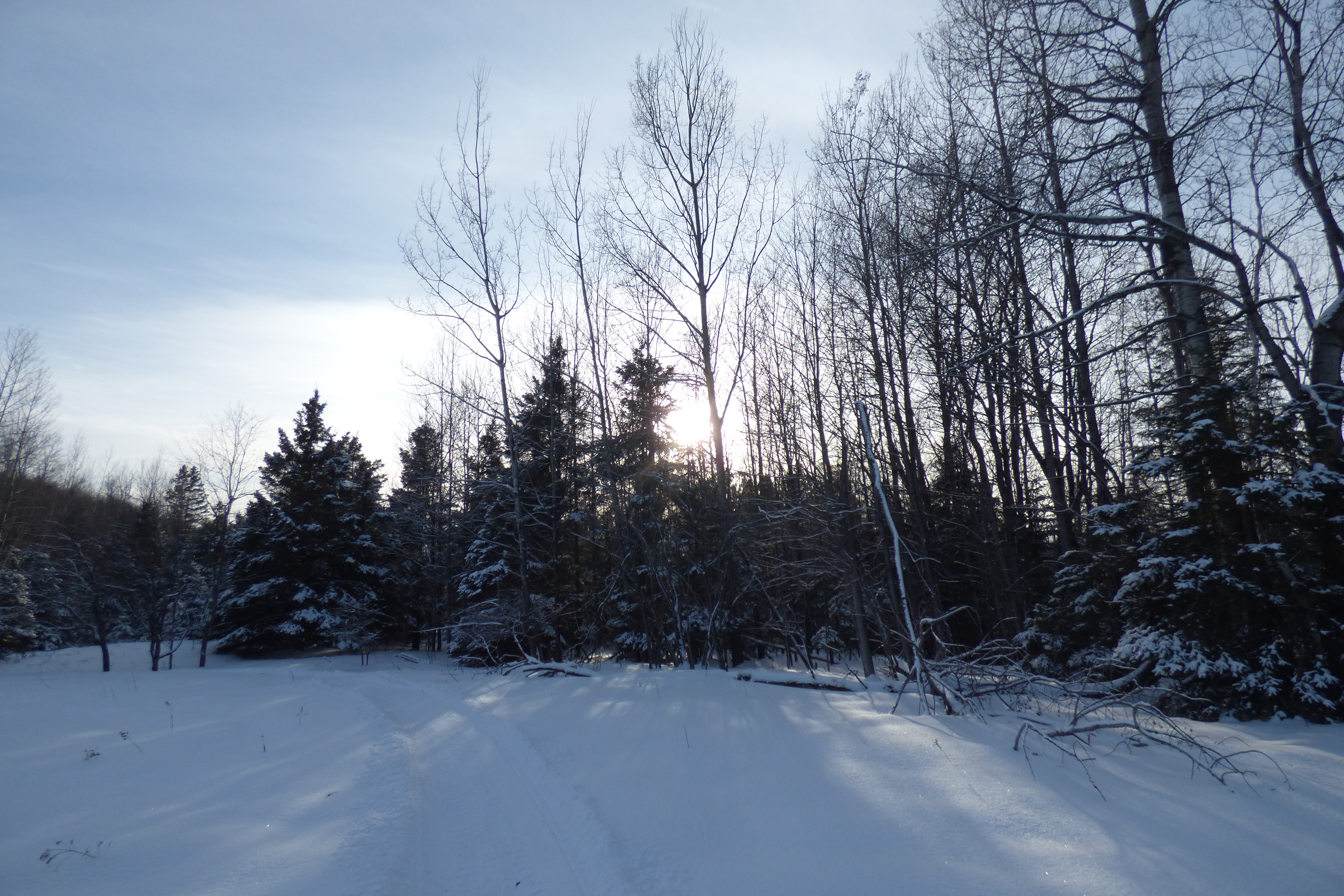
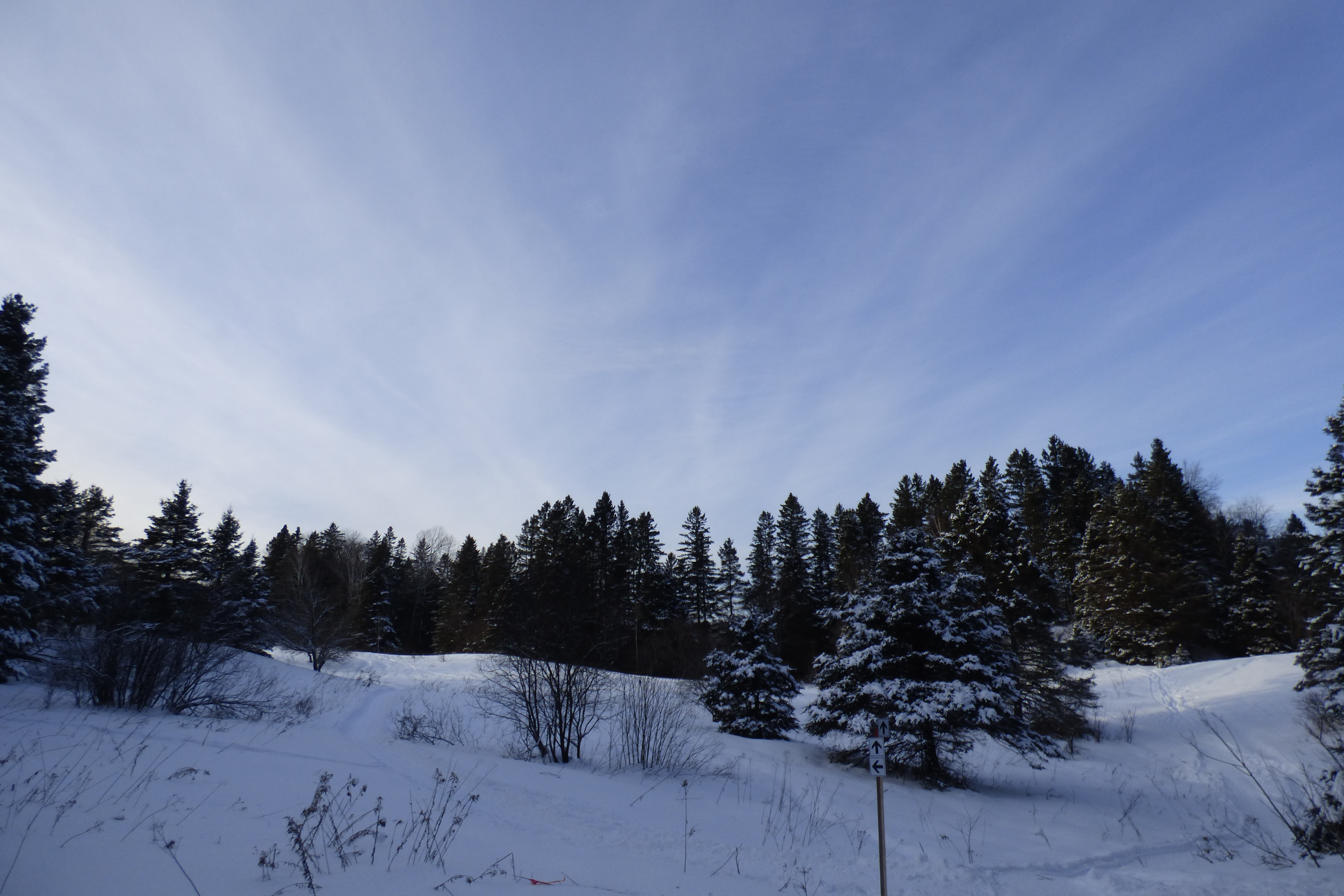
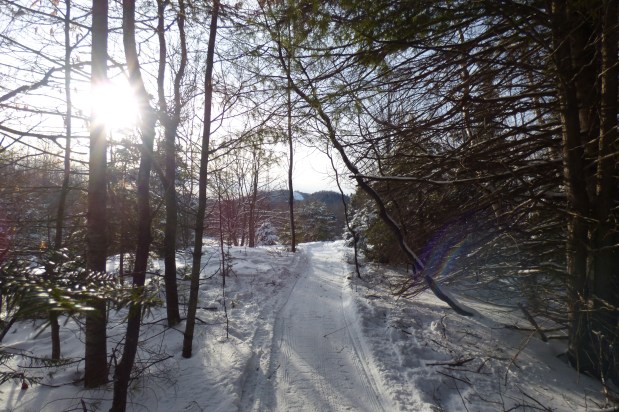
This time of year is always reflective for me. The autumn season begins the turning inwards of my thoughts, and as the nights draw in, the leaves fall and the winds of change come in bringing the storms. My energy moves from projecting out into the world, to pulling inwards. It’s a cycle of extrovert and introvert, though I must admit that I am a functioning introvert all of the time. When the leaves have all fallen, and the winter rains and dark days lie ahead, I think of home, of family and friends, of warmth and companionship even as I dream of long walks, snowshoe hikes, and cross-country skiing out in the silent wilderness of the boreal forest.

It’s a time when I take stock of my achievements for the year. This year has been exceptional, in that I have completed three books! The first is the follow-up to The Path of the Hedge Witch, my non-fiction work for Llewellyn. The Old Ways: A Hedge Witch’s Guide to Living a Magickal Life will be available next year in the UK, on the 8 March 2025 for Kindle and 8 April for the paperback. (Don’t ask me why the paperback takes a month longer, I have no idea. I’m guessing shipments from the US to UK Amazon stores are involved?)

The second and third books finished this year begin my new fiction series, Witches of the New Forest. The first two books, Hedge Witch and The Veil Between the Worlds, form two thirds of the trilogy set around the main character, Hunter Williams, as she begins on her path of Hedge Witchcraft. With Druids, otherworldly characters, a magickal community and more, it’s a really fun environment to spend my days in, and I love it. Returning to fiction feels like coming home. (Other books in the series are planned, from different characters’ perspectives.)

I’ve always been a writer. From the age of twelve or thirteen, I’ve been writing stories. Ever since I finished reading Lord of the Rings, I knew that I wanted to write books set in a beautiful fantasy world where myth and magick meet.

Having been so productive this year has, however, caused a little burnout. I’m tired. I need some time away from my computer and my desk, away from social media, away from anything digital. I long to spend hours in the woods where I grew up, smelling the snow and the cedars, watching the chickadees and the wild turkeys coming into garden. I want to reconnect not only with the natural world, but also with my own sense of self. What I am craving most, is peace.

Which is funny, considering how crazy the first few weeks are going to be back home, shopping for presents, organising and attending the family parties, New Year’s celebrations and more. But it’s home, and it’s where I decompress, busy though it might appear. My heart just instantly relaxes, my body gives a sigh of relief and my lungs are filled with the crisp, cold air. There’s even an extra hour of daylight, not to mention days where the sun actually shines!

But peace is something that I’ve always sought after in my life. Little spaces of sanctuary. I have always created these spaces no matter where I was in the world, because I needed that in order to function on any sort of level. My homes have never been just houses, flats or apartments. They’ve been havens from the world outside, where I can let down my own walls and just be.

It’s a strange thing to think about, this need for peace. I look outside the window as I type, and I see collared doves in the beech tree. Are they at peace in this moment? They certainly don’t have to worry about promoting their work, keeping an eye on their sales, updating their social media or paying the bills. But they do have to survive in a difficult climate. Do they worry? About different things? Or are they at peace with what life had dealt them, and they’re just getting on with it?

I’ve studied a lot of Zen Buddhism in my time. That’s all about ways to find peace, by giving up searching for peace. There are so many paths to peace in this world. Maybe you could leave a comment on this post, sharing your path to peace? I’d love to hear about it.

Giving up the need for peace, as most Zen Buddhists would say, brings about peace. It’s the need that is the driving force in our own dissatisfaction. When we realise that we can have peace anywhere, at any time, simply by letting go of our need for peace, it can be like a ton of bricks has fallen from our shoulders. It’s so simple. And yet, so difficult to maintain. It can makes sense for five to ten seconds, before something else demands our attention. And our need for peace returns with a vengeance.

With so many external factors creating our personal circumstances, it can be very hard to see how we can let go of that need for peace in our lives, because people bring problems. Life is hard. We have no control over anything. For many Buddhists, simple acceptance of the circumstances is what brings peace. I’m not quite there yet all the time, but I can understand the mechanics behind the concept and try to remember it as much as I can throughout my day.

During the winter holidays, peace is such a central theme. Scenes of snowy landscapes evoke a feeling of peace and stillness on holiday cards. Snow is wonderful. It muffles sound, and covers all the sharp edges of the world, leaving behind sparkly magic in both sunlight and moonlight. Like a weighted blanket for the world, it holds us, frozen in a moment of time, to offer us peace.

Other simple things can bring us peace. The lighting of a candle, the recitation of a heartfelt prayer of thanks, the cooking of a meal, snuggling into a warm bed. Many things we often overlook can bring us peace. It is true: mindfulness does bring peace.

In a world full of lies, deception, insane politics, war and other atrocities, it can seem impossible to find peace. If you live in a country where people with guns are roaming the streets, if you live in dread of air raids or drones dropping bombs on your home, if you don’t have enough food for your cat, let alone yourself, finding peace is not only difficult, but damn-near impossible. When we are just fighting to survive, we are not at peace.

But I am guessing that the majority of you who are reading this blog do not live in these sorts of circumstances. We live in a mainly moral society, where the rule-breakers often get punished for breaking the social contracts and the laws that we have created through a democratic process of electing those to speak for us. In these worlds, we face other issues. We have the time to reflect on morals, on ethics, on philosophical ideas of all kinds. We can even create strange, perverse worlds where we find ourselves in moral competition with each other. “You’re not angry enough about this,” or “by not speaking up about it, you have failed society,” and other concepts often pop up on the socials, where everyone is judging everyone else, and everyone is found lacking.

It’s no wonder we can’t find peace.

Morality isn’t a competition.

But I digress.

For me, it’s in the small moments and in the small things where I find my peace. Having a moment to watch the sun set in the winter skies, with the golds and peaches highlighting the blues, pinks and purples. Stroking a purring cat curled up on a sunbeam on the bed. Eating a meal with my family. Sitting at my altar, honouring the deities, the spirits of place, and more. The big accomplishments are nice, and they are rewarding in different ways. But the culmination of all the small things is what really brings me peace. It’s not in what I do, but almost in what I don’t do. When I stop ‘doing’ and simply ‘be’, that’s where peace is found. It’s that liminal space, where there is no ‘I’ or ‘You’, but only ‘Us, Together’.

And so, I end this ‘end of year blog’ with an Irish blessing that’s often in my thoughts at this time of year.

Deep Peace to You

Deep peace of the running wave to you.
Deep peace of the flowing air to you.
Deep peace of the quiet earth to you.
Deep peace of the shining stars to you.

The Struggle is Real

Pagan books sales have gone down radically in the last year and a half, despite the increasing number of books being made available. It seems to reflect what many of us authors have been worried about for several years now. The sales aren’t even made up with e-books, as those have dropped significantly as well. Audiobooks for non-fiction still aren’t that popular either, and the revenue from them has always been minimal. So why is there this sudden and sharp decline in books sales?

When I first started learning about and practicing various forms of Paganism in the early 1990’s, books and events were the go-to places to gather the information that I sought out. The choice of books available in the bookstores was only a handful stuffed somewhere in the “New Age” section. The internet didn’t exist, but you could order books from glossy catalogues that companies such as Llewellyn provided, which wasn’t too bad if you lived in the US but if you lived anywhere else, the shipping fees were astronomical. And so you just had to make do with what your local bookstore provided. If you were lucky to have a witchy type shop near you, the selection was a little better, but shelf space was always at a premium. And we didn’t even bother much with libraries back then, because they would never stock those sorts of books in the first place. Finding books to read was a real struggle, but such a joy when you did find one that resonated with you.

The coming of the internet was a huge blessing for the Pagan community who wanted to connect with others, talk about authors and books and find solace with others when the community was so small and so widespread. Books began to be marketed online, which was a real boon to the publishing industry. And yet, with more people online than ever before, what has happened to book sales lately? Surely they should still be increasing?

Nope. I’ve talked to my publishers, I’ve talked to other authors and everyone is seeing a real downturn in books sales. We’ve been scratching our heads, trying to figure out why. As book lovers ourselves, it’s difficult to fathom how this downturn has come about so suddenly. So here is my take on what’s going on, and how it could very well spell the end of non-fiction books in the coming future.

  1. People can get information for free online. As people are online more and more and there are so many different channels to get information from, why buy a book? You could watch a video, read a blog and receive a ton of information anywhere for free. I know that if I was a youngster just starting out, the majority of my information would be garnered from this form of transmission simply because it is free.
  • People don’t have spare cash to buy books right now. Everyone I know is hurting more and more financially, and if it comes down to buying your groceries for the week or buying a book, you will buy the food. I hope.
  • You can find pirated copies of pretty much anything online. Need I say more?
  • Attention spans are waning. It’s a fact. “In the early 2000s, she and her team tracked people while they used an electronic device and noted each time their focus shifted to something new—roughly every 2.5 minutes, on average. In recent repeats of that experiment, she says, the average has gone down to about 47 seconds.” https://time.com/6302294/why-you-cant-focus-anymore-and-what-to-do-about-it/ (I actually had trouble reading this article, not because of attention span but because four different pop-ups kept interrupting my reading. Oh, the irony.)
  • When a book is released, it is competing will millions of other books these days. With so much choice, it’s wonderful for the reader out there. But for the author? It seriously dilutes the sales. Unless you have a slick marketing team that works for you.
  • Authors can’t afford slick marketing teams. The shift in lots of publishing has been to place the onus of marketing up on the author, as the publishers have to make cuts somewhere just to stay competitive. Most authors aren’t marketers. I spent nearly a decade in marketing for a world-famous music venue here in England. That has seen me in good stead for the last ten years, but even now I’m struggling against a tide of everything that I’ve mentioned above.

The struggle is real, folks. I hope one day that books will have a resurgence, that cosying up with a book on a rainy day will replace hiding under your duvet with your smartphone. There is just something about a book, something that feels like an old friend you can turn to, something that you can hold in your hands, that ages even as you age, the feel of something material rather than something immaterial.

 Go analogue for a while. Slow down. Smell the books along the way. Because who knows how long they’ll be here?

The Mabon Debate

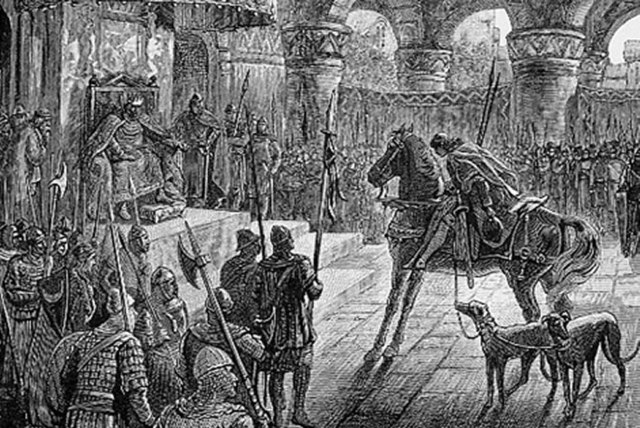
There is some debate in the Pagan community about using the word ‘Mabon’ to refer to the Autumn Equinox. In 1974, Aiden Kelly was looking for a name to put to the Autumn Equinox that had similarities to the descent of Kore or Persephone. He chose Mabon from Welsh literature, the son who was stolen away from his mother and which Culhwch was tasked to find to win the hand of the beautiful Olwen. With the aid of King Arthur he did indeed free Mabon from his imprisonment, as told in the Tale of Culhwch and Olwen in the Mabinogi.

At first glance, it would appear that Mabon’s disappearance and rescue has very little to do with the equinox, and the similarities between his story and that of Kore can appear tenuous at best. However, there are other aspects to Mabon that do very much relate to the Autumn Equinox, which I haven’t seen discussed anywhere (but that may just be because I live in a cave deep in the woods).

I think the most important aspect of Mabon is that it was said that he was the greatest hunter of all time. And when does hunting season begin? For the majority of hunted animals which here in the UK are birds, it is around the Autumn Equinox when the season really gets underway. Deer hunting technically starts at the beginning of August, but the deer are hard to find as they are still hiding away from the summer’s heat until it gets dark. It is around the Autumn Equinox when you are able to see them out again during the day, from late afternoon onwards.

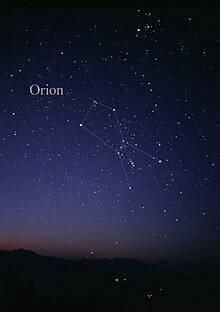
It is also when the constellation of Orion (The Hunter) becomes more visible in the night sky, albeit still in the east before dawn but slowly awakening and becoming more ‘upright’ so that he can stride across our skies followed by his hound during the winter months. As well, it’s when the temperature shifts, and the warmth leaves us as the cold northerly winds begin to blow, hinting at the Wild Hunt and winter’s reign to come. So yes, for me the honouring Mabon as the hunter does make sense at this time of year, though that may not have been the original intention.

Some argue that our ancient ancestors did not care about the autumn or spring equinox. To that, I would say look to our ancient megaliths.  In 1966, C. A. ‘Steve’ Newham found an alignment for the equinoxes at Stonehenge by drawing a line between one of the Station Stones with a posthole next to the Heel Stone. The equinox sunrise is beautifully framed by the Gossan Stones in the Wicklow Mountains, Ireland. Callanish in Scotland has an alignment with the equinox, and so does Newgrange in Ireland. Most of these places are famed for their solstice alignments, but they also do have other alignments which are not only solar, but lunar as well.

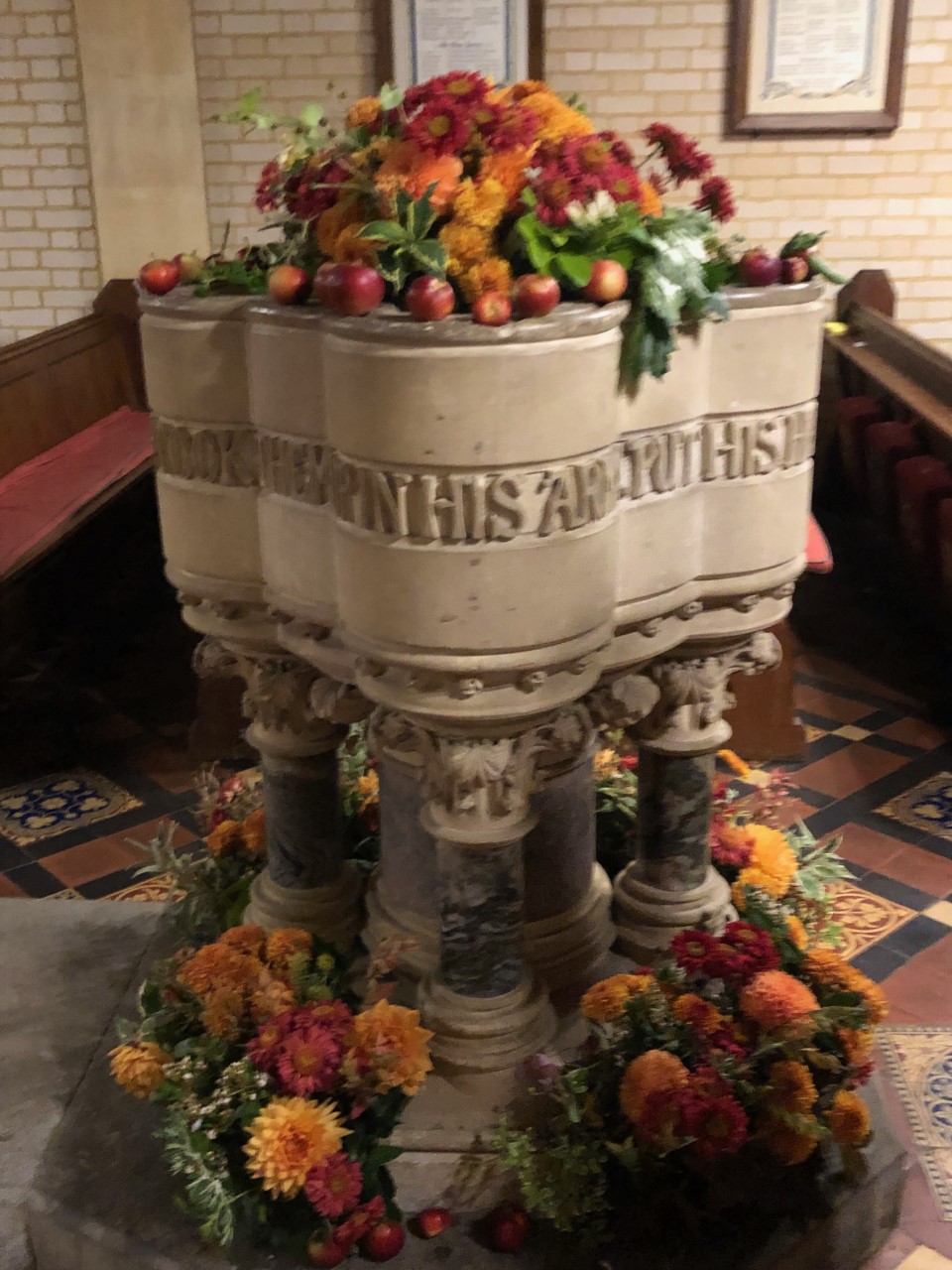
At the Autumn Equinox here in the rural British countryside we are also in the thick of harvest season, which begins at the start of August and runs through to the end of October. As such, some people argue that we should be celebrating Harvest Home. I love that name, but the origins are unclear. It may have been derived from Germanic Pagan traditions that have since been co-opted by the Christian Church, but we can’t quite be sure of its Pagan roots. Harvest Home services are held in many local, rural churches including the one in my own little village on the Suffolk Coast in the East of England. Today Harvest Home is now very much associated with Christianity. That’s not to say that we can’t incorporate it into our own festivals, because it’s what traditions from all over the world have done and still do over time. We learn, borrow and make stuff our own all the time. The Romans were masters at it. But that leads us to the argument of cultural appropriation.

The cultural appropriation argument against Mabon is that it is using a Welsh word/cultural hero and throwing it into ritual without awareness or regard for where it came from. And this is a wholly important thing to consider. However after you’ve done the research, and you find Mabon is known as the greatest hunter then the correlations to this time of hunting and harvesting make more sense, and seem less tenuous. As well, if we believe that we shouldn’t be using Welsh words in our Wiccan, Witchcraft, Druid [insert name of Pagan tradition here] then we really shouldn’t be using Samhain, or Beltane, or Imbolc, should we? We are using the words that have lasted through the years, but if we are not Irish or Scottish for instance, should we even be using these words in our traditions? I think of how many people today still say that Samhain is the Celtic New Year. On the flipside of that, I wonder how many people honour the god Belenus at Beltane? These are all Gaelic words that have been co-opted and given a different flair for various rituals in different Pagan traditions today that sometimes retain very little of the original source.

So should we rewrite all our traditions’ rituals and give them all new names?

Maybe.

But I still like Mabon.

AI in WordPress

So, WordPress now have an “AI Assistant” to help you write better blogs. Or, write entire blogs for you. You all probably know of my deep dislike for AI in the world of books, having had entire books stolen and rewritten by AI programmes under various pseudonyms, including Mari Silva. The sheer volume of books now available on the market that have not been written by a human, or even a team of humans, is astonishing and seriously undercutting real authors just trying to make a living from what they love and what they are skilled in, having put years of effort into their craft.

I thought I would use a blog post, this blog post, as an opporutnity to share with you what it is that the AI assistant on WordPress can do. Which is, in fact, everything for you. And it’s getting harder to tell the difference between what is written by a human being, and what is being written by an AI program. The paragraph below was “written” using the AI assistant. I asked it to write about how AI is working to write essays, blogs and books. Here is the result. I have italicised the AI writing to make it clearer throughout this blog post what was written by me, and what was written by the machine.

The use of AI in writing blogs, essays, and books has revolutionized the way content is generated and has significantly impacted the writing process. AI-powered tools can assist writers in various ways, from suggesting ideas and generating outlines to providing grammar and style suggestions. These tools can also help with research by quickly analyzing vast amounts of data to provide relevant information. Additionally, AI can be used to automatically generate content based on specific parameters, saving time and effort for writers. While some may have concerns about the impact of AI on authenticity and creativity, when used thoughtfully, AI can be a powerful ally for writers, enabling them to streamline their workflow and enhance the quality of their work.

I then asked the WordPress AI Assistant to write about the downsides of AI in blogs, essays and books. Here is what it came up with:

AI in writing for blogs, essays, and books has certain downsides that are important to consider. One significant concern is the potential lack of originality and authenticity in content created with the assistance of AI. There is a risk that the writing may lack the human touch and personal voice that is valued in literary and scholarly works. Additionally, over-reliance on AI tools could lead to a reduction in critical thinking and creativity among writers. Furthermore, there are ethical implications related to the potential misuse of AI-generated content, such as plagiarism and intellectual property infringement. It’s essential to carefully balance the benefits of AI in writing with these potential drawbacks to maintain the integrity and originality of written works.

I decided to choose a more specialist subject for the next experiment. Here, I chose the subject of Druidry. This is what the programme wrote for me:

Druidry has a long and rich history in the British Isles, with roots dating back to ancient times. The term “Druid” is derived from the Celtic word for oak, and Druids were members of the learned class in ancient Celtic societies, serving as priests, teachers, judges, and advisors. They were deeply connected to the natural world and held the oak tree, among other elements of nature, in great reverence. Today, modern Druidry encompasses a variety of spiritual practices, including a strong focus on nature, environmentalism, and the celebration of the changing seasons. Many modern Druids seek to honor the traditions of the past while also adapting them to contemporary life, creating a vibrant and evolving spiritual path. The British Isles, with their ancient landscapes and rich folklore, continue to be an inspiring and significant setting for the practice of Druidry.

Next, I chose an even more specialist subject: that of the awen in Druidry. The AI Assistant wrote:

In Druidry, the concept of “Awen” holds immense importance as it represents divine inspiration and creative energy. The term originates from Welsh and Cornish languages, embodying the idea of flowing spirit and the connection to the divine. Awen inspires Druids to tap into their creativity, wisdom, and spiritual insight, fostering a deep connection to nature and the universe. It is often symbolized as three rays of light, signifying the balance between the triple aspects of nature and the harmony within oneself. This divine inspiration is believed to guide individuals in their spiritual journey, enriching their connection to the natural world and guiding their actions as stewards of the earth.

As you can see, it’s pretty hard to tell the difference between what was written by WordPress’ AI Assistant, and something that I might possibly write. In fact, my books could very well have been some of those “mined” without permission in order to feed the programme to provide the above two examples. Where did the WordPress AI get the information to feed it’s programme to produce the content? It doesn’t just come out of thin air. Has my blog, as well as many others been mined for content so that a machine can write about Druidry? With regards to writing books, this AI process saves someone the hassle of actually reading a book and then writing about it, and undergoing the arduous process of actually learning something. It also saves them from any effort in the process of their theft.

It is extremely alarming how easy it is now for someone to set up a website, blog, or even to write a book these days without have done a lick of work, research, or having the barest knowledge of a subject. In both fiction and non-fiction. And then sell that work at a price that undercuts all who have actually gone before, using their work without permission. Just because we authors have blogs and put stuff out there for free, doesn’t mean that it isn’t copyrighted. However, there is a huge problem in that material is being used without our permission in order to generate content. To catch, prosecute and convict someone of this crime is nigh on impossible, especially for us small-time authors who don’t make it to the New York Times bestselling lists.

So, thank you, WordPress, for killing one of the last bastions of creative writing that makes content available to the wonderful world wide web. From now on, if you want to ensure that material is written by an actual human being, you will have to do your own research. Find out if they have a website. Look at the publication dates of their posts, or the publishing dates of their books. If too much content is being written in too short a space, that’s a big red flag. If the content is too diverse, say for example they write a book about book about Hinduism, followed by a book on divination, followed by a book on Witchcraft, follwed by a book on angels, all books being around 200 – 300 pages long and released within a month of each other, it’s either a team of ghost writers or more likely now an AI programme. It takes time and effort now to find out who the bots are, and who the real writers are. And that shouldn’t be a burden on the readers, but rather should be weeded out by the companies such as WordPress and Amazon, who have allowed such content onto their platforms.

As you can probably tell, I worry about the state of writing, both in fiction and non-fiction. I can only hope that governments and legislators will wake up to the problem before all creative, human-made writing ceases to be. The only way I can see that happening is if we stop feeding the machine, stop putting our work out there for them to steal and therefore creating a repetitive loop of material that all sounds the same because of the lack of new input. But we also have to express ourselves, and do what we do best (as well as pay the bills).

In today’s rapidly evolving world, navigating the landscape of artificial intelligence (AI) can indeed be challenging when distinguishing between AI-generated content and human-created work. As individuals strive to make a living in this environment, it’s crucial to stay informed about AI advancements and their potential impact on various industries. By familiarizing oneself with the characteristics of AI-generated content and employing critical thinking skills, individuals can better discern between AI-generated and human-created material. Furthermore, seeking out reputable sources and staying attuned to technological advancements can help individuals adapt to this changing landscape and make informed decisions about their professional endeavors.

If anyone can be bothered.

Misogyny and Taylor Swift

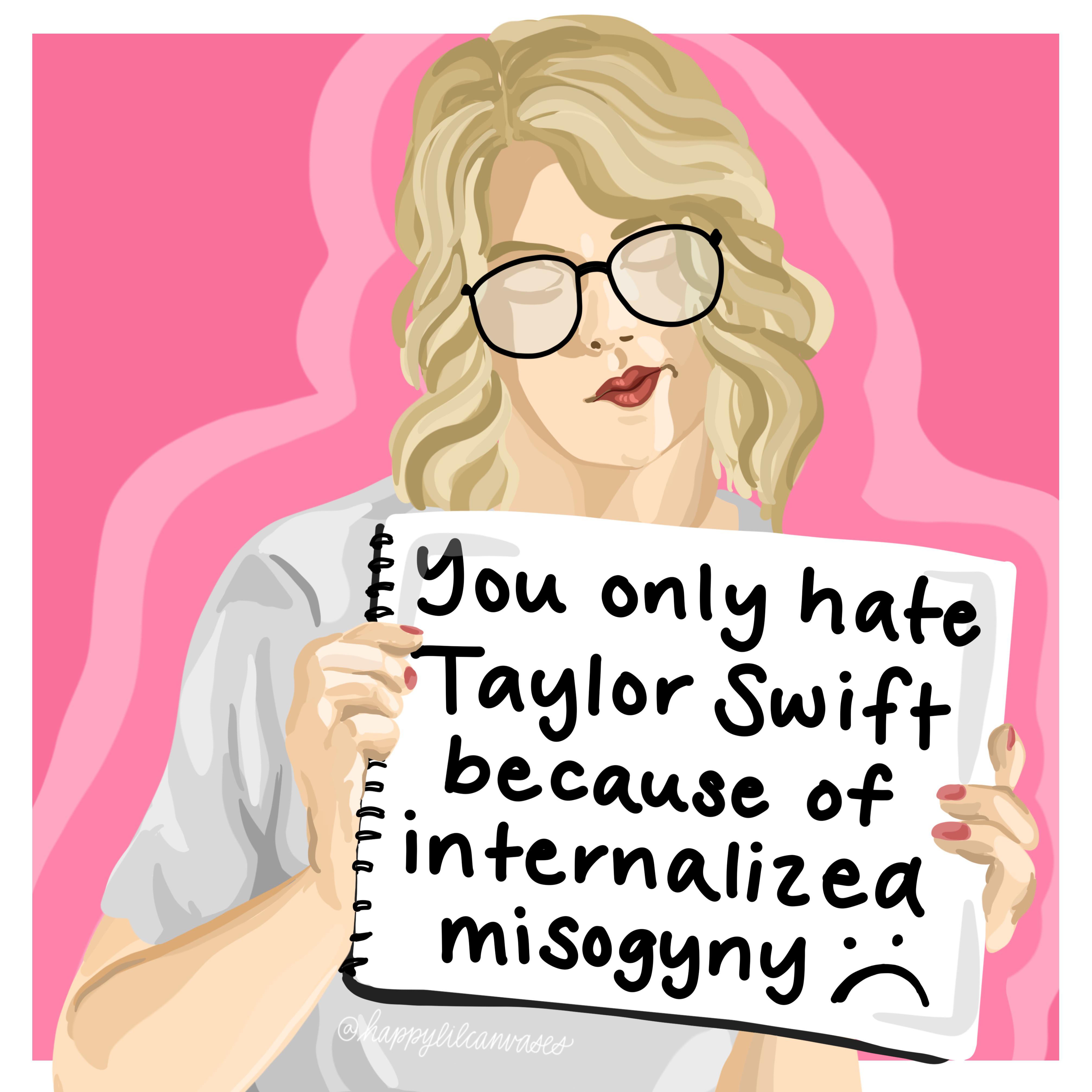
I am so tired of male musicians trying to bring Taylor Swift down. Neil Tennant from the Pet Shop Boys saying she doesn’t have a lasting pop hit. Damon Albarn from Blur/Gorillaz saying (incorrectly) that she doesn’t write her own songs. Who can forget Kanye West’s constant harrassment of her? And now Dave Grohl who wrongly states that she doesn’t play live. Hello, misognyy my old friend.

There is a huge double standard surrounding the entirety of Taylor Swift’s success. Male superstars are not attacked in the same way by their peers. Ed Sheeran, Bruno Mars – they’ve all written similar songs. But Taylor is fair game, it seems. People constantly try to undermine her success, which is, in fact, due to her work ethic. They undermine her song writing ability, which is incredibly nuanced. Both of these skills she has honed now have university programmes around the world solely dedicated to the study of them throughout her career.

Misogyny is rife in the industry. Male artists have muses. Taylor has exes. Men are romantic, Taylor is emotional. When she was younger, she was called a “prude” for not revealing too much skin for photoshoots. Now she is being “slut-shamed” for some of her Era’s Tour outfits. She was criticised for staying silent during the first Trump campaign. Now she’s told, like the Dixie Chicks were, to “shut up and sing”.

She’s stood toe to toe with the music industry over her master recordings. When she was sexually assaulted by a DJ she took him down in a long, four-year legal battle (seven people saw it and there was even a photo of him doing it). She is shown too much on tv when she is supporting her boyfriend’s football games (for the Super Bowl she was on screen for a total of 54 seconds). She has had horrendous sexual comments about her thrown around on the Pardon My Take sports podcast. And these are only a few examples of the constant struggle that she is up against, and which she is winning.

She has stood up for herself against a host of misognyny, and she’s still coming out at the top her game. As Swift herself has said: ““There’s a different vocabulary for men and women in the music industry… A man does something, it’s strategic. A woman does the same thing, it’s calculated. A man is allowed to react. A woman can only overreact.”

Whether or not you like her music is irrelevant. What we see here is a woman who is under constant attack, and who stands up for herself in an inspiring show of strength. I celebrate not only Taylor’s defiant spirit, but also her music. And all the others in the music industry who can’t handle her success?

Well, tough.

Wicca Bashing

Okay, this is perhaps the longest blog post I’ve ever made! Here goes…

I’m noticing a growing trend of Wicca bashing on social media. I don’t have a lot of contact with other Pagans in the flesh out here on the rural coast of the North Sea, so I can’t really say what people are talking about face to face, if at all, about this phenomenon. But what I’m seeing online does make me uneasy.

Many people who are now in their forties and fifties started out on the path of Wicca. Some stayed, some moved to traditions and practices that better suited them. But at that time when Wicca was really starting to boom (late 80’s early 90’s) the majority of Pagan reading material centred around Wicca. And so, for the next twenty years, Wicca had the loudest voice in the Pagan community. With the arrival of the internet, things began to change, as information about other traditions spread more freely. You weren’t limited to what you could find at your local bookstore. More and more books were being published on other Pagan paths, and you could now buy them online without having to leave the comfort of your home. A whole generation of Pagans now had a ton of information literally at their fingertips.

And so the backlash begins.

The history of Wicca becomes widely known. The history of its founders. The misinformation that they had taken as gospel to use in the creation of their traditions. Their blinding mistakes became convoluted into something that was planned, exploitative even. They were liars and willing to create a false history to authenticate their claims. It was all bullshit.

At least, this is what people’s opinions on the internet seem to say.

There are several problems and issues at play here. The first is that people are far more inclined to listen to other people’s opinions on stuff rather than do the research for themselves. Yes, I realise the hypocrisy of this statement while writing this blog. But hear me out, and disagree with me if you feel like it.

Yes, there are problems with the founders of Wicca and what they created. There are issues of cultural appropriation, of discrimination and also of the sheer gullibility of some of these people who were willing to believe everything that they were told.

Is that so different to what is happening with social media today?

Those who are involved in Wicca are now questioning their past, and looking critically at these very issues. Wicca today has changed, has evolved. It’s just not the same as it was 30, 40, 50, and most definitely not 70 years ago. New writers are coming out every year, pointing out the difficulties and the way that they are dealing with and overcoming these issues to make the tradition appropriate for the modern day. And thank goodness for that! Because a religion or spiritual tradition that does not evolve with the times is one that creates dogma that quickly becomes outdated and which doesn’t appeal to modern folk.

We are now in a situation where we are told what to think, mainly through the avenues of social media. We are not told or taught how to think critically. If we do so, we can avoid the muck-splashing that results from (mostly older) authors (or AI bots) still circulating a lot of nonsense about Wicca and concentrate on the brilliant Wiccan authors who are currently addressing these issues today. I know, I know. I just wrote a review that stated that Raven Grimassi’s Wiccan Mysteries should never have been re-published. I stand by my opinion. That book needed to remain in the past, to allow for more modern authors to talk about what Wicca actually is today, correct historical inaccuracies and to discuss their various traditions, whether solitary, Gardnerian, Alexandrian, green, whatever.

This poses another problem. There are newer books out there (or old books that have gone out of print being re-released through different publishers) that only compound the difficulty around the debate. Some of these new books are simply AI written, rehashing the older books and making it appear new and available for all beginners to pick up and start their Wiccan journey. With the re-publication of older books, you have to look very carefully to see if this is a re-print from another title that was released 30 years ago, for example. Just buying a book these days requires a lot of research, to find out if the author is really a human being, or whether the work is old pretending to be new. The information at the beginning of the book (you know, where all that copyright stuff and ISBN details is on the left-hand side of a physical book?) can really help you out here. And then go and check to see if it’s a real author. Do they have a website? Click on the link to check that it’s an actual, working website. I was nearly fooled a couple of days ago. It’s not unknown for people to steal the identities of others to create Facebook pages to make themselves appear as real people. I came across an “author” doing just that a recently. Check on Amazon and look at their paperback books. When you look at the paperback versions, the release date is right there next to the title. Check out several of their books. Did they release six books last month? Chances are, it’s an AI programme writing the books, or a team of people who really have very little to do with the actual spiritual path they are currently writing about.

Then we come to the issue of what is real Witchcraft and what isn’t. I see Wicca as one of many traditions of Witchcraft. Because, well, the word Wicca means Witch. When I see people fighting over what is “real Witchcraft” I just have to sigh and go make a cup of tea. Because all this really is, deep down, is an ego issue. Wicca isn’t the cool kid anymore. Wicca isn’t edgy. It’s not dark, or dangerous, or even modern. It’s fluffy bunny crap, right?

I know plenty of bad-ass Wiccans out there.

Just because someone isn’t creating YouTube videos or Instagram posts with dark filters, skulls surrounded by roses and peeing in witch bottles doesn’t mean that their tradition isn’t real, valid or meaningful. The responses to Wicca as being white-lighter fluffy bunny New Age nonsense comes from those who are most likely feeling threatened because others are practicing differently. It’s easy to put someone else’ practice down to make yours feel better, edgier, whatever. But it serves no purpose whatsoever except to inflate one’s own ego. It has more to do with that person’s own issues of self-worth than it does with anything anyone else is doing in their own spiritual tradition.

There are so many misconceptions about Wicca. That it’s all about harming none. That what you do comes back to you threefold. Yes, there are some Wiccans who believe this, but then there are many, many traditions who don’t. It isn’t writ or ancient lore. I myself have been guilty of conflating these ideas with Wicca, but after doing a little research finding it to be false. The Wiccan Rede, for example, is not part of the first strands of Wicca that came out in the 1950’s.

Wicca has fallen out of fashion. Literally and figuratively. Check out social media spaces, channels, whatever, and you will find lots of “darker” stuff out there. The witch aesthetic, whatever that is. The filters. Don’t get me started on the filters that make everything darker. These seem to be reactions to a perceived and incorrect notion that Wicca is all love and light. So many of them are trying so hard to be edgy, cool, harder, more bad ass. The Wiccan author, Thorn Mooney, wrote in her blog post “Screw Your Aesthetic” for Patheos Pagan: “What good is infighting over authenticity when we spend more time sneering than practicing?” Too often people are spending their time bigging themselves up, rather than actually practicing a Craft.

I’m the first to admit I don’t look or act particularly witchy. My house isn’t filled with skulls and potion bottles and bones and dead flowers and lots of black. It’s more Scandi than anything else. I’m a pretty normal, well-adjusted person. In fact, I often get mistaken for a muggle in certain places because I’m not dripping with pentacles or loudly proclaiming my spiritual path through fashion. If that’s your choice, go for it, but I’ve never felt the need. But humans are visual creatures, and that’s what we respond to first and foremost. I’ve walked into Witchcraft shops in Glastonbury wearing hiking books and a good waterproof raincoat (because, well, it was raining and horrible outside!) and taken for a complete tourist who had no idea about anything, sometimes by well-intending shopkeepers and sometimes by sneering ones. Meh.

Wicca and other forms of Witchcraft do not have to compete. There is, in fact, no competition, no winners or losers. Assumptions are not helpful. We have to learn for ourselves, and develop our own opinions on things. How can we be certain that we are more knowledgeable than others, based solely on how someone looks, or what spiritual tradition they follow? Unless you really know them, it’s all about putting someone down to make yourself feel better. My facetious examples of “dark witchcraft” in this very blog post very likely should be included. But they help to make my point. That there is no “real Witchcraft” or no tradition that is more real or authentic than another. Over the last 1,000 years Witchcraft has changed, adapted and incorporated so many other traditions because it needed to in order to evolve and fit with modern times. And that process is still ongoing.

What someone thinks I do in my own Hedge Witch practice or Hedge Druid practice means absolutely nothing until they stand in ritual with me. That’s where you will get a real feel for what it is that I do, what I believe, and how I work with and communicate with the gods, the spirits of the land, the ancestors (and how they respond). You would have to spend weeks with me to see the real ins and outs of my practice, from my daily practice to how I use my spiritual path to deal with crisis, or joy, or day to day issues that arise in everyone’s lives. Making instant assumptions about someone because of the label that they use or what they look like is not helpful in the slightest.

This brings me onto the notion of those who believe that they know everything that there is to know about a tradition. If you’ve been around long enough, you’ve been there too (I did, in my 20’s. Boy, was I wrong). We’ve all been there. What we realise with time and experience is that there is always so much to learn, and that we are constant students in life. If you think you know more or know better than someone else, and feel the need to lord it over someone, then you are totally missing out on the wonders of being a student of life. We are all learning.

I think that bears repeating. We are all learning.

The person who is further along that path up the mountain isn’t better than the person who has just started out. They are just in a different place. If they are constantly turning around to shout advice or insults at the person starting out, they might not notice the loose stone under their foot until it too late, and down they tumble on their asses.

I think that a lot of the Wicca-bashing stems from inflated ego and a sense of one-upmanship. Some people think that Wicca is a starting point, and then you grow up and move on from there. If that’s your choice, fine, but that doesn’t make that correct for everyone. There are so many who have been in Wicca for absolute decades, because they have found a spiritual home there. It’s not because they have blinders on, or are ignorant, lazy, stupid or whatever. No, it’s because it is right for them. And if that upsets you, that’s your problem, not theirs. One Wiccan’s tradition or way of living in the world will vary widely from another person’s. As Wicca itself has now become an umbrella term, we need to acknowledge the wide and varied traditions and possibilities that this path holds.

Today’s Wicca is not your grandma’s Wicca.

So let’s stop coming down so hard on Wicca. Let’s stop parroting other people’s opinions simply because they make us feel cool. Let’s do the work and find out for ourselves about other people’s religious and spiritual paths before we start with the sneers. Let’s take responsibility for our opinions and our research. Let’s be sovereign in ourselves so that what we say and do comes from a place of authenticity, instead of from a place of shadow where previous experience, other’s opinions and self-denial rule. Let’s be our own judge, and use discernment wisely.

Let’s live and let live, if nothing else.

We Are Our Deeds

We Are Our Deeds

As we approach the end of the calendar year, my thoughts turn inwards in reflection. It’s a time to take stock of the year that has just gone, and to plan for the coming year ahead. The thought however at the forefront of my mind this moment is the saying: we are our deeds.

Actions really do speak louder than words. How many New Year’s resolutions have fallen by the wayside, words that were not acted upon? What we do says a lot more than what we say. Just look at the politics of the UK right now. It’s all words, and actions that are either missing or which belie those very words. It’s seeking to be in the limelight, to be popular, to further one’s own personal agenda. It’s corruption, lies and squirming to get out of a self-created hole. It’s a real mess, to put it mildly.

Be the change that you want to see in the world. How many times have we heard that phrase? Be the change, it says. It’s up to you to put in the effort: it is your deeds, not your words that will shift the narrative. How we live and what we do will say more than words ever could. We have enough examples in politics and the media of those who words do not accord with their deeds, of lies and deceit, scandal and cover-ups. Let’s not be like them. Let’s live our lives better.

Our lives are totally integrated. With others in our household, with the ecosystem where we live, with the entire planet. As such, we must look towards our own personal integrity, to ensure that the integration is real. If we really want to integrate and be an integral part of the whole, we need to do things differently. We have to have our own personal integrity, first and foremost. Without that, what are we? Where are we?

Words are important, there is no doubt about that. Keeping to your word increases your own integrity, your might and your main: your personal power. Following up your words with actual deeds keeps them honourable. These actions build within us, until we find our lives changing, because we have changed. Intention means nothing without action.

We will all fail at something at various points in our lives, whether it is living up to our words or our own expectations However, it is when we begin again, when we follow up failure with action, when we pick ourselves up an try again that we find integrity. We can learn as much from our failures as from our successes. It’s in the action of doing, of trying, where we learn the lessons, not in the thinking of it. Thinking is an abstraction. If you want true change, our deeds must follow our thoughts and our words.

There are things that need to change in my life, and areas where I can do better, be better. At this time of year, I am clarifying those issues, honing them down to a single statement that I can remember to put into action when a situation calls for it. It’s not enough to have a vague idea of where I’m going or what I’m going to do in a certain situation. An action plan is called for, so that when it arises in any circumstance I am prepared with the tools necessary to take action, to allow my deeds to prove my words.

This year, I urge all those who are making New Year’s resolutions to do the same. Hone and refine what it is that you wish to change, to a single, simple sentence. Write it out, if you can. Pin it up where you can see it every day. Say it to yourself morning and night. Integrate the words into your very being so that when the situation calls for the change, you will remember your words, your oath and your resolve. And you will do the right thing. Your deeds will reflect you. Your deeds will say more than your words ever could.

In this time of winter, when the short days and long nights bear down upon us, think about integrity and integration. Think about words and deeds.

And do the thing.

Blessings of the winter solstice to you all, and happy new year.

An Ounce of Prevention is Worth a Pound of the Cure

Over the years I’ve done a lot of work with personal sovereignty. This is work that is never-ending. Why? Well, we must be vigilant in so many areas or our lives and in our own sovereignty, in order to cultivate it and nurture it: it’s not a one shot deal. We don’t do the work once and that’s it. It’s a process. Like learning, expanding our horizons, becoming better people, becoming who we are meant and want to be; it’s all a process.

I’ve had to learn how to be discerning in my life: in who gets to be a part of it, whose energies I will allow in, and also what I consume. Life throws so many things at you that you can’t control. However, what you can control is your own actions and your own personal sovereignty. It’s all about choice. You can, for the most part, choose who gets to be a part of your life, and who doesn’t (as an adult, at least). Yes, you will have colleagues, bosses, other people in your life who aren’t chosen, but here I’m talking about the inner circle of your life. Who gets to affect you on a personal, energetic, physical and even psychic level? Who can you leave at the door, willingly, when you walk into your personal space?

Discernment is such an important concept in our lives. When we have the power to choose, we are taking part in our own discernment and our own sovereignty. And we do, in fact, have a lot of power to choose. It’s all about finding out which areas you can boost in your discernment. Income, environment and other factors will have an affect on your discernment, and so you have to make the choices that work for you. What works for me may not work for you, or even be available to you. So we have to work with what we’ve got, first and foremost.

In this article I’m going to talk about some of the things that we consume. I’ve spoken many times about what we consume on a physical level, from a Druid’s and Pagan’s perspective, and from a Zen perspective as well. But here I’ve going to talk about what we consume on an energetic level.

Protection magic is probably the biggest area of spellcrafting in Pagan circles. Why is that? Because we are exposed to all sorts of energies throughout the course of a single day that we need to take a closer look at, and think about how it is affecting our lives. For me, it’s important to work with prevention, and that way we won’t need so much of the cure. Taking a look at the energies that we allow into our lives before they begin to affect us is the first step in this process of discernment. We may do this on a physical level already, ie., we take off our shoes before we enter into the home, to keep the dirt, bacteria and other nasties out of our home. Think about it: your shoes have been in public toilets, walked through pavements covered in all sorts of nasties such as dog wee and poo, gum, spit, etc. Do we want to track all that back into our house? Hell no. So we take our shoes off at the door. One moment spent in an airplane, train or public toilet will have you wanting to remove your shoes before you take all that into the house with you. Guaranteed.

Doing the same with energy is extremely beneficial for you too. Did you have an argument with your boss, or did someone express road rage at you on the way home? Did someone say an unkind thing to you online, or in person? Have you watched the latest world tragedy on the news, or had your television pumping out violent scenes in your living room? These all have energy, which can build up in your home and in your soul. It’s already been proven that when we are exposed to violence, we become de-sensitised to it. What I want to do is to sensitise you again, so that you are aware of these energies that affect you on a daily basis. Words and images have power, names can hurt you just as much as sticks and stones. In a world where there is more media than ever being consumed, the sheer amount of information being thrown at you whether you wanted it or not is completely staggering. So what can we do about it?

This is where discernment comes in. We can choose what we allow into our personal space in so many ways. Do you watch the news first thing in the morning on the televison while having your breakfast? Do you feel down and a little depressed with the world afterwards? Maybe you should consume this form of media at a different time, and perhaps even in a different way. Reading the newspaper can be a big help for those of us who are sensitive to images of violence and grief which are the mainstay of all the major news networks on television today. I literally can’t watch 30 mins of news with crying, because the energy of people’s suffering on the screen is real, and I know that. When I see people wailing as they search through the rubble for their child, I know that it is real. It’s not an abstract or a movie, it is real life. That energy will affect me for the rest of the day. Some people are a lot less sensitive, and can watch it and get on with their day. But I, for one, would never, ever want to be de-sensitised to violence and grief, because that is the mainstay of my own personal compassion for others and my ability to empathise. I can’t turn it off, and I wouldn’t want to, for compassion and empathy I feel make me a better person. But what I can do is to select just how much I intake these energies, so that they don’t overwhelm me on a daily basis. There is not a lot that I can do for earthquake victims thousands of miles away, apart from donating to a charity to help them. But what I can do in my own environment is a lot more, and that is where I need to spend my energy.

Social media. Yikes. When I think of the past times and energy that I have spent with people whom I don’t know from a hole in the wall, I literally cringe. Don’t waste your time and energy arguing or even interacting with nasties on social media. It depletes you and just adds to the barrage of energy that is sapping you dry. Instead, be discerning about who and what you interact with on social media. And spend less time on there overall, because the real world matters a whole lot more. Doomscrolling is a disease. Get out and turn your face to the sun, the wind, the rain, the stars. Those are energies that are a whole lot better to consume than insults or even material from people you don’t know and over which you have very little control in how it’s being presented to you. Choose your friends, your contacts,  your groups wisely. Be selective about the ads that you see. Don’t let the algorithms dictate what you will see, but instead create your own. You are not 100% at the mercy of social media providers. You are a consumer, and so you will have a say in things, even if it’s a lot smaller than you would wish. And if this is a really big issue for you, then leave it altogether. More and more people are doing this, and it’s not entirely a bad thing. Choose your social media intake wisely. Be discerning, and be sovereign.

I could probably write a whole book just on this subject, and so I will keep this article in check and just remind myself, and others, to look deeply at what it is that you are consuming and bringing into your personal space. If we are discerning about the energies that we allow in, we will need a lot less protection magic and work in the long run. It’s the first step in any energy work, and the basis of all personal sovereignty.

Blessings to you and yours.