
Autumn is here, though it’s a bit of a strange autumn. The leaves on the birch trees turned golden a couple of weeks ago, and now most of them have fallen to cover the forest floor in a beautiful golden light. But the oak, the ash and the beech trees are only now just starting to turn, and there’s still a lot of green about. The heather on the heath, which should be a brilliant purple colour, is slowly coming back to life after the rains. It was such a dry summer, that even out in the arid conditions of the heathland, things were dying before they had a chance to come into their own.
But it is definitely autumn, and you can smell it on the wind. That scent is so unmistakeable. It’s hard to describe: it’s a lovely, earthy smell so different from the green scent of summer, or the blossom scent of spring. The winds have ravaged these lands and all others across the country, stripping the trees of their colourful leaves before their time, and branches and fallen trees everywhere. Getting out in between the gales and the heavy rainstorms is a real gamble, so bringing your wet weather gear is essential.
It’s not been an easy year, not just for us humans, but for a lot of nature in this area. Though some species did well during the lockdown, many others have suffered from the lack of rain and a drought for two summers in a row. The hawks have been plentiful, and the deer have managed to keep their numbers up, but the plant life has suffered, and whether there will be enough food to keep them all strong throughout the winter remains to be seen.
And yet, despite all this, my heart sings merely at the thought of autumn. For it is my absolute favourite season, though here in the UK it is far too short. We don’t get the vibrant colours that I grew up with in Canada, but the feeling of nature winding down, of that last pause before dusk, the late afternoon sunlight shining through the clouds, the smell of woodsmoke on the wind – it all fills me with such peace. Gone is the harsh overhead sun, and instead it is dancing, playing through the turning leaves to fall upon the forest floor in dappled light.
The deer are gathering in larger and larger herds, and soon they will be all together out on the heath. The stags have begun to call, and it is the beginning of the deer rut. There are two main players this year, the dark stag who has been King for the last few years, and a new one, dappled and still young, but big and strong. I’m sure there will be some furious matches as they lock antlers in the evening’s failing light.
The foxes have been calling, and visiting us in the night, making their weird cries and strange sounds, or just padding silently down the path in the moonlight. The owls are hooting in the trees, and the pheasants are trumpeting in the night shadows. Hunting season has begun for them, and so we find all those lucky enough to have escaped coming round our way, to find sanctuary amidst the few houses here on the edge of the village.
Autumn is a time to pause, to stop, and to reflect on the bounty that we have collected throughout our labours in the year. Some things may have come to fruition, some may not, and some may still remain dreams, to foster once again through the long winter months until the sun’s strengthening light encourages us to manifest these dreams in the light of day. It is a time for long walks and enjoying the weather, in rain or sunshine. We feel the growing darkness all around us, and we welcome that even as we bask in the last of the golden light. Thoughts are turning inwards, hearts and minds becoming reflective. It is a time to take stock, to see what still needs to be done before the winter’s arrival, and what we need to make it through the cold time of icy frosts and winds from the north.
Take this moment, and enjoy it, for it doesn’t last long. Pause, listen, and learn from nature about the cycles of life, death and regeneration. Find out where you fit in the grand scheme of things, where you stand as a contributing member of your ecosystem. And dance in the light of autumn, feeling its ethereal and brief moments in time deep within your soul.

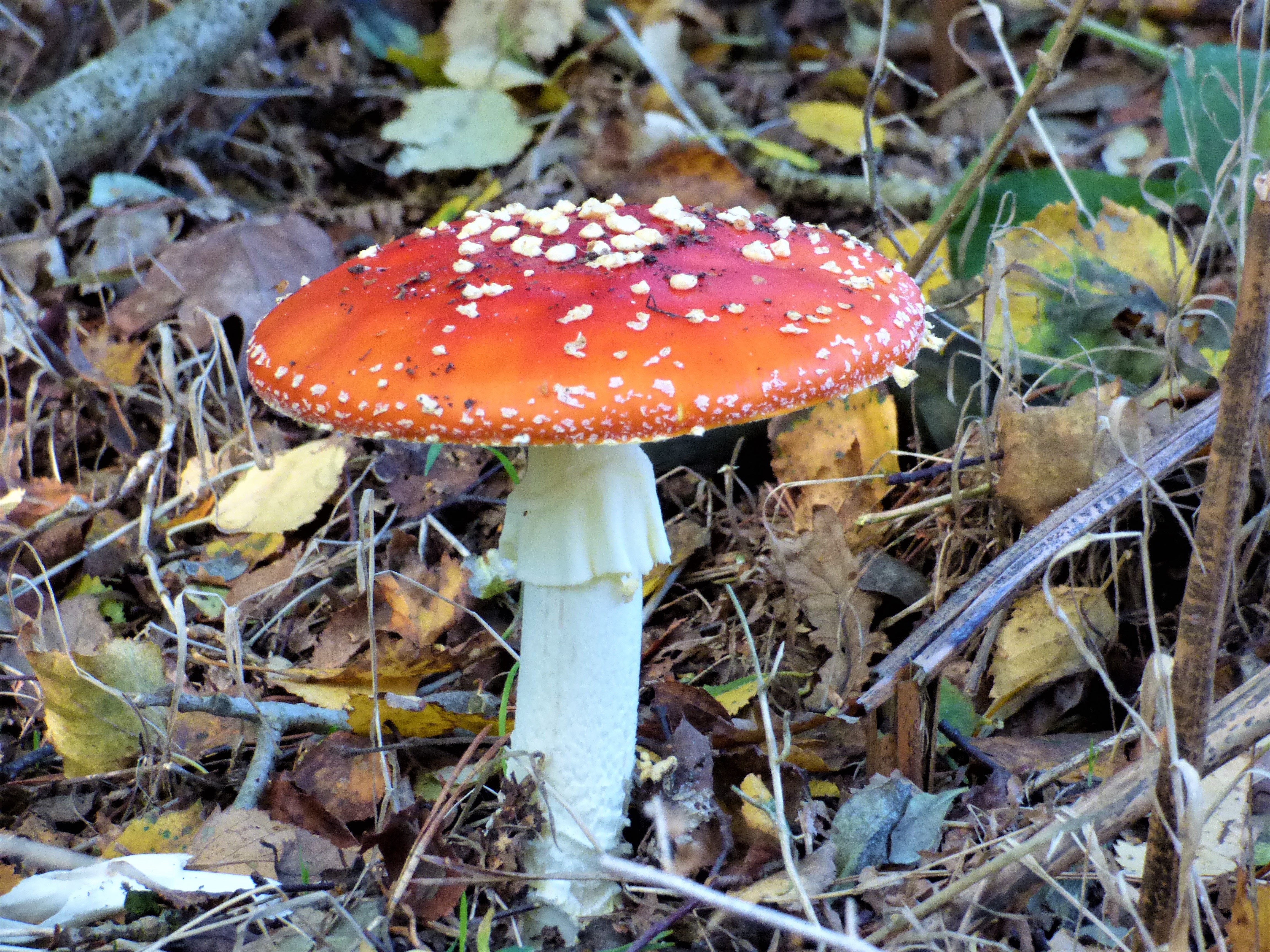
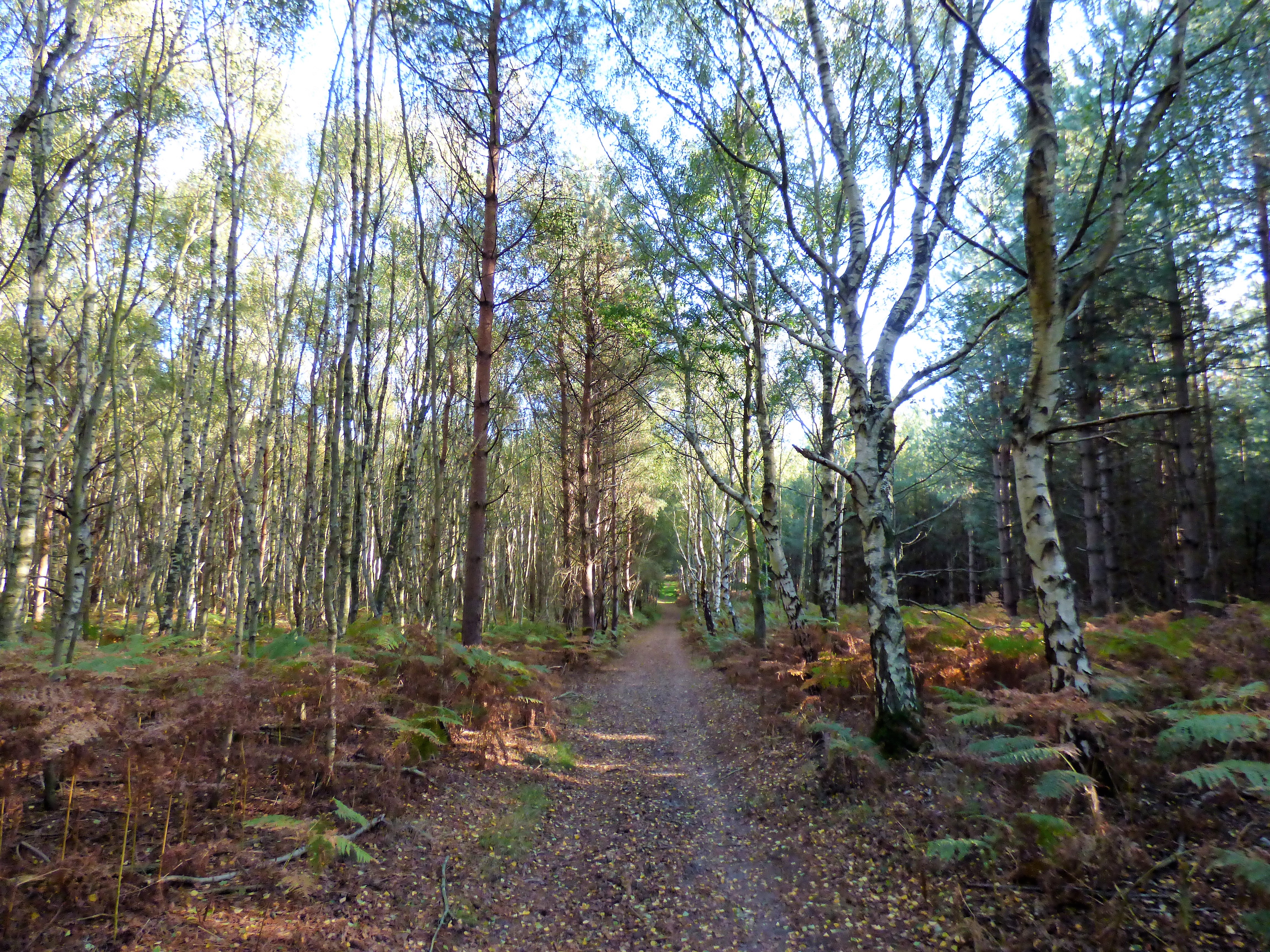


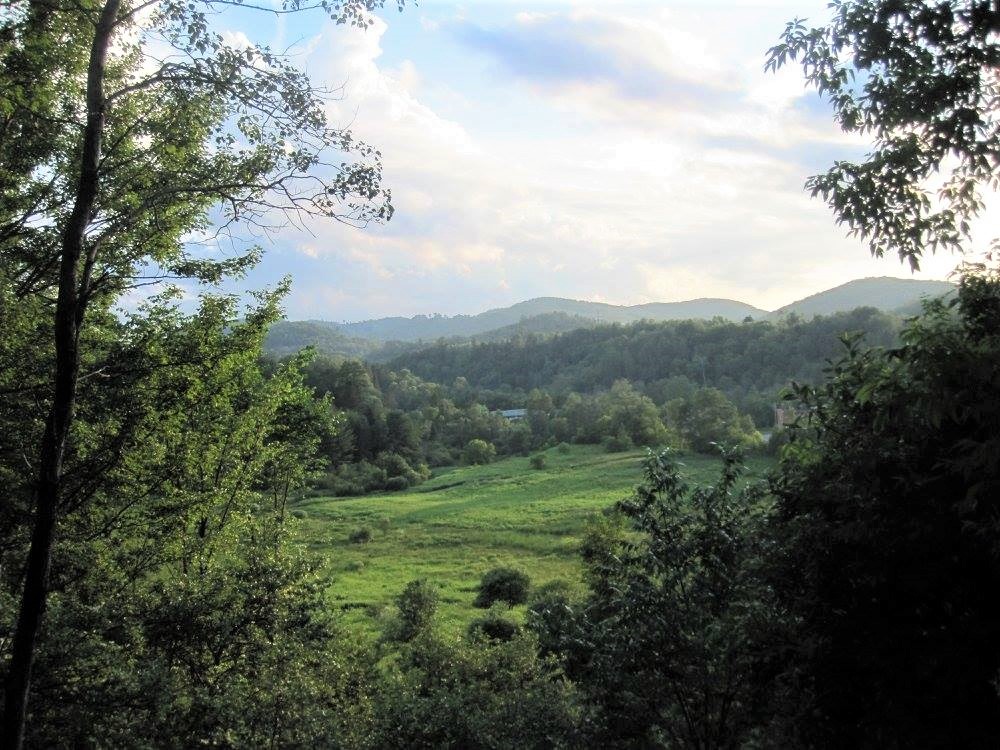
(Photos taken in Rendlesham Forest, © Joanna van der Hoeven 2020)
If you enjoyed this post, please consider supporting me on my Patreon page.

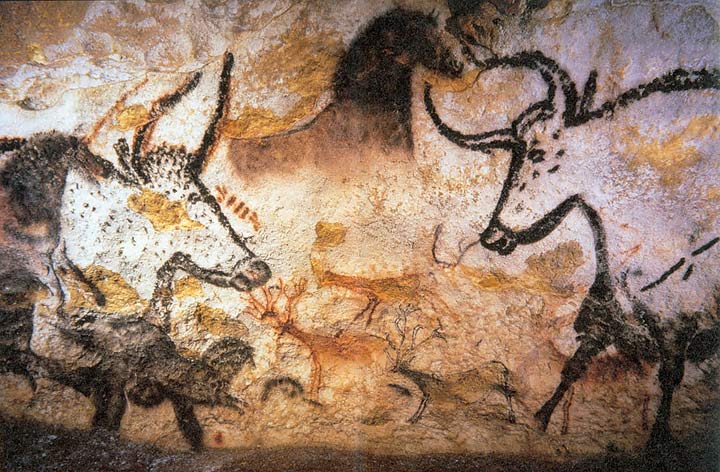
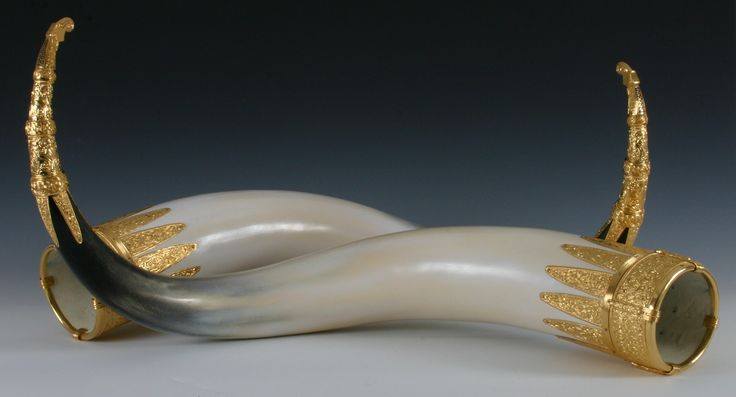
 We now turn to the second rune in the Anglo-Saxon Futhorc, which is Ūr. This rune perfectly follows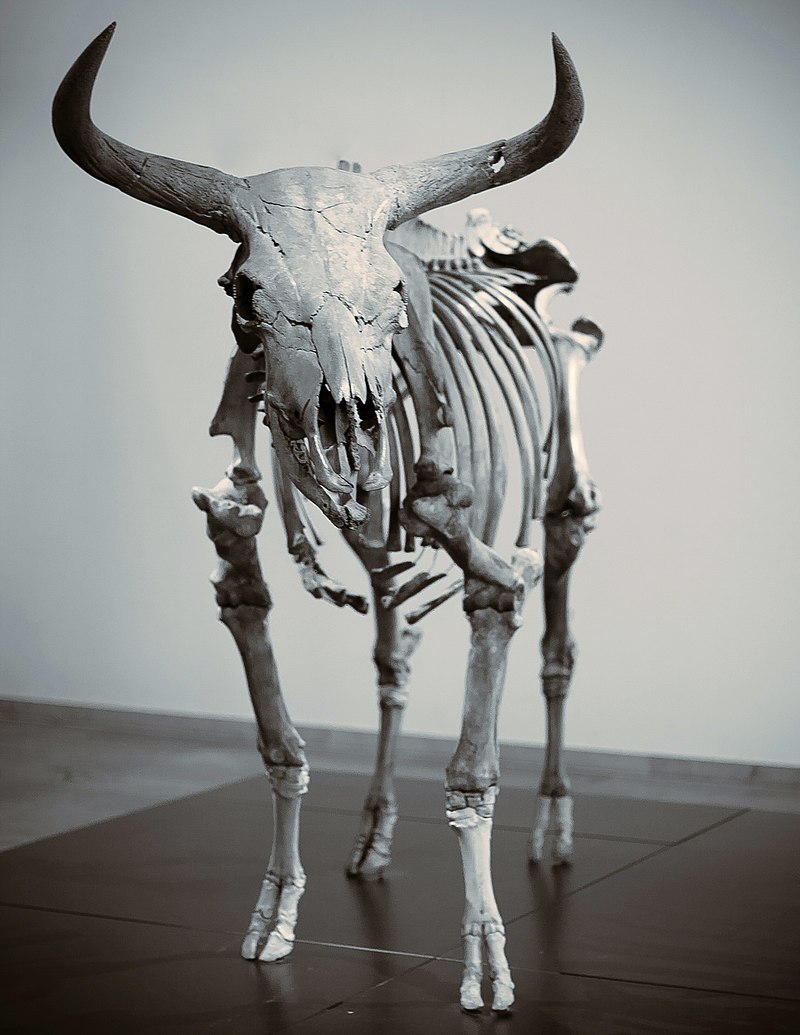
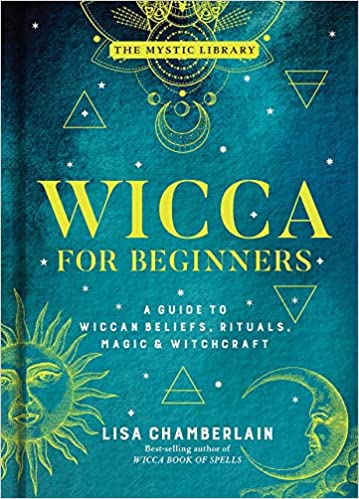 Wicca for Beginners: A Guide to Wiccan Beliefs, Rituals, Magic and Witchcraft does just what it says on the tin. It’s a great guide for someone new to the path, or for anyone who wants to refresh their learning. In fact, if I were to recommend a beginner’s book to anyone new to the path, this book as well as Scott Cunningham’s works would be my first choice. Chamberlain goes into history of the tradition, which is something that Cunningham’s books are seriously lacking. She uses language that is easy and flowing, friendly and unassuming. I really like that in books that teach about anything, as I am easily put off with pomposity and obscurity.
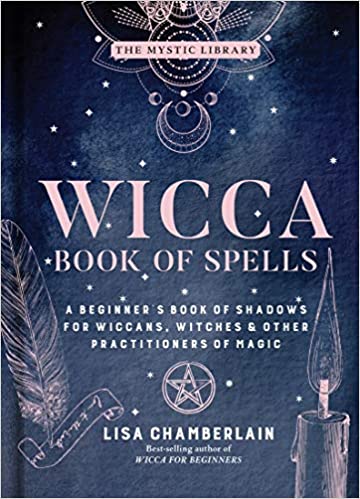 Wicca Book of Spells: A Beginner’s Book of Shadows for Wiccans, Witches and Other Practitioners of Magic again covers a wide range of material. While a couple of paragraphs on what a Book of Shadows is would have been nice, this tome dives straight into spellwork such as love spells (with the usual caveats on manipulation of individuals), prosperity spells, health and well-being spells and an eclectic mix of spellwork in the final chapter that includes kitchen witchery, elemental magic and more. Again, there is common sense and a good framework throughout this book to help the reader on their forays into the realms of spellcrafting. One small critique is that I would like to know if the spells included in the book are traditional, or if the inspiration came from somewhere historically. I have no qualms in new spells vs old spells, and I am a strong believer in working with what you’ve got to hand. This information may have been left out in the editing process, to keep the book to a size that works for beginners, though this is purely conjecture on my part. The spells were easy to follow and understand, and Chamberlain, like myself, is not averse to substitutions to make it work on a more personal level.

 Down the Forest Path