Lammas/Lughnasadh Update!

It’s the 1st August: Lammas, Lughnasadh. The first harvest festival, it comes as a welcome respite for me. I’ve been away in Canada visiting family, and the 35 to 38C temperatures were horrendous. To come back to the UK and step outside Heathrow airport to feel the cool, rainy air on my skin was pure bliss, despite the jet fumes and cigarette smoke that floated on it.

Now home in Suffolk, I can look out over my garden and see that the grass that had burned in the hot summer sunshine is now coming back to green. We’ve had rain since I’ve been away, and the drought has abated. But still the crops were being taken in even as I drove to the airport, the fields of wheat being cut on the 6th July, for they had grown to their stunted height and already dried out in the blazing sun. Now the scent of onions is in the air, as the first root vegetable crops are being taken in. Everything is a month ahead of schedule because of the lack of rain this winter, spring, and early summer.
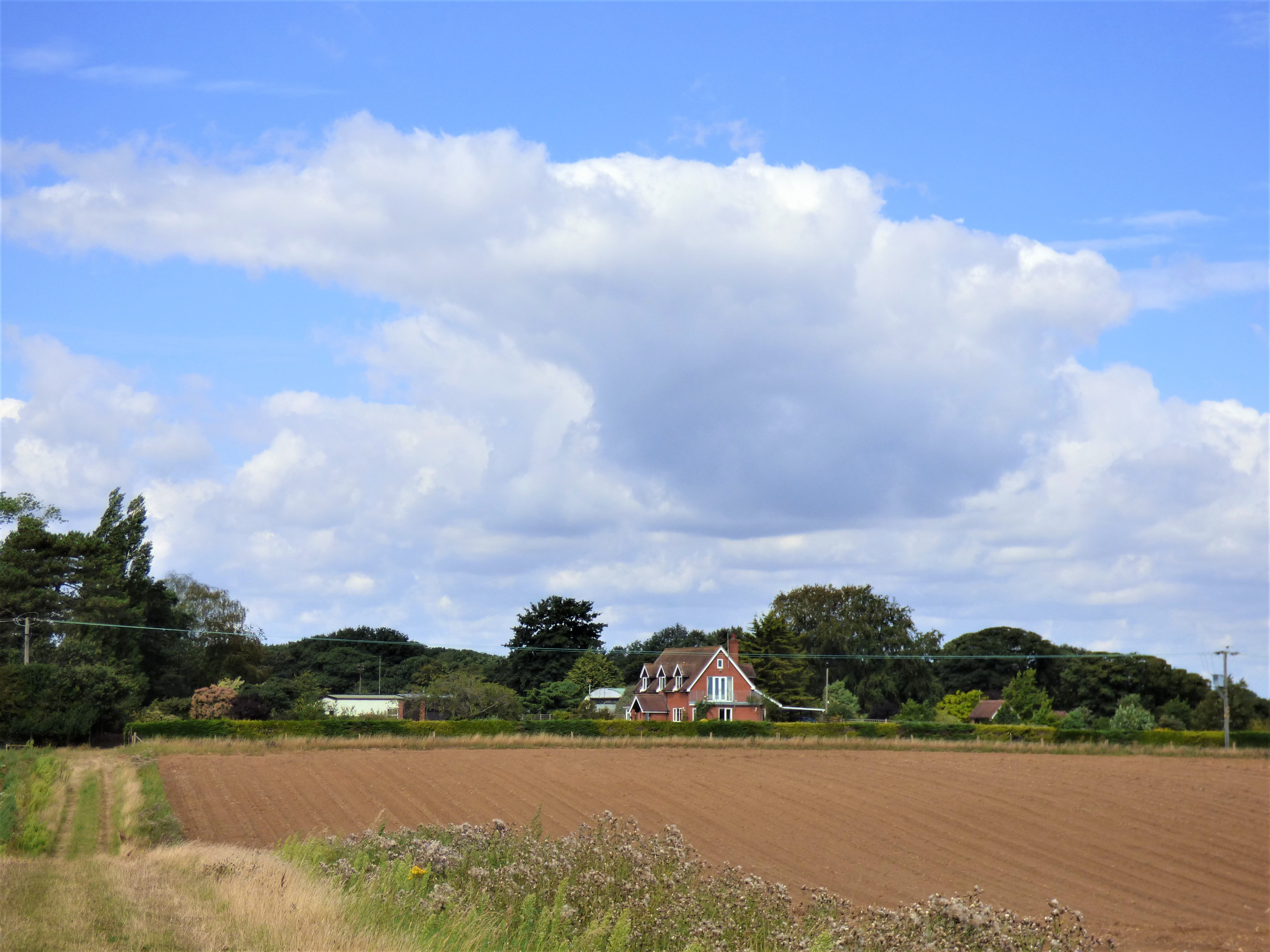
What this harvest will bring for local farmers I can’t really say, but I’m pretty certain the yield will be much less than usual, or rather, we are reaching a new normal. If climate change continues, what is grown in this region of East Anglia will most likely need to change. The plants in my garden survived, thanks to vigorous watering, even as the water butts ran out at the end of May. We have saved as much water as we could, whenever we could, to give back to the parched land. My neighbour and I have been taking turns watering the deer, as on one side of the heath where there is a large herd they are fenced in and the little ones aren’t able to jump over to reach water. To see the ground on the heath cracked and dry already in May was heartbreaking.

But we carry on, because there is nothing else we can do. The sunshine has kept our batteries for the home topped up nicely over the summer via our solar panels, and all our electricity as well as water heating has been taken care of with ease. We’ve sold a bunch of electricity back to the grid, and made a decent profit. At one point we were even paid to take energy from the grid to top up our batteries, as for a few days with the wind there was a surplus of energy in the grid, and in the wee hours of the morning we were being paid to take electricity from the energy providers, as they do not have enough storage. What a strange world we are living in!

The harvest continues in the land around me, and I ponder my own harvest, both materialistically and spiritually. It’s been a wonderful year for me with the release of my new fiction series, Witches of the New Forest. The books have been a great success, and at the moment are providing me with an actual living wage; the first time my writing has ever done so! The dream of a 13-year old girl in her bedroom, pounding away at a manual typewriter in the hope of becoming a fantasy fiction author have been realised.

Spiritually, things have been incredibly busy, and so I’ve had to adapt my routines, daily prayers, and offerings. There was a bit of disconnection this summer, as everything in my life seemed to ramp up, but now things have settled and I am finding a new home in my own practice, dedicated to the goddess, Freya, and working with the spirits of this land where I live.

As such, today I will take some time out to do some baking: to offer it back to the land, the gods, the spirits. Even as the thunderclouds roll in from the north, I will honour the gifts of sunshine and rain, of earth and sky, of nourishment and sustenance. For this is what Lammas is all about: giving back. For many Pagans, they might feel a bit adrift during this festival, not entirely sure what it’s all about, especially if one is living in an urban environment. The wheat and barley harvest seems so very far away, as do other harvests. But the food that we eat still reaches our tables (hopefully) and to this cycle of growing, reaping, and transformation we pay homage at this time of year with a celebration of the first harvests. It was important to our ancestors, and even if we are not ourselves out in the fields cutting down the golden stalks under the sun, we can still honour where it is that we came from, and what had great meaning to those who have gone before.

Being thankful for what we have received is a large part of all the harvest festivals. Early this morning, before sunrise, I gave thanks to Freya in her aspect of Gefn, The Giver, for all the bounty that I have received. In the giving of thanks, we come to truly know and feel gratitude, and in feeling gratitude, we understand the nature of blessings, and of being blessed. We no longer take so many things for granted and instead, see the gifts that lie all around us, if we only open our eyes to see them.

In deep relationship, we weave our way through our lives, becoming part of the tapestry of life that flows in and out of time, one thread upon the other, bringing beauty, inspiration, and love.

May your Lammas and harvest be plentiful, and may you know the joy and blessings of gratitude. As a beautiful friend just messaged me on WhatsApp, As the grain turns golden in the fields, may the moments of your life turn into golden memories.


Visiting Mont Tremblant

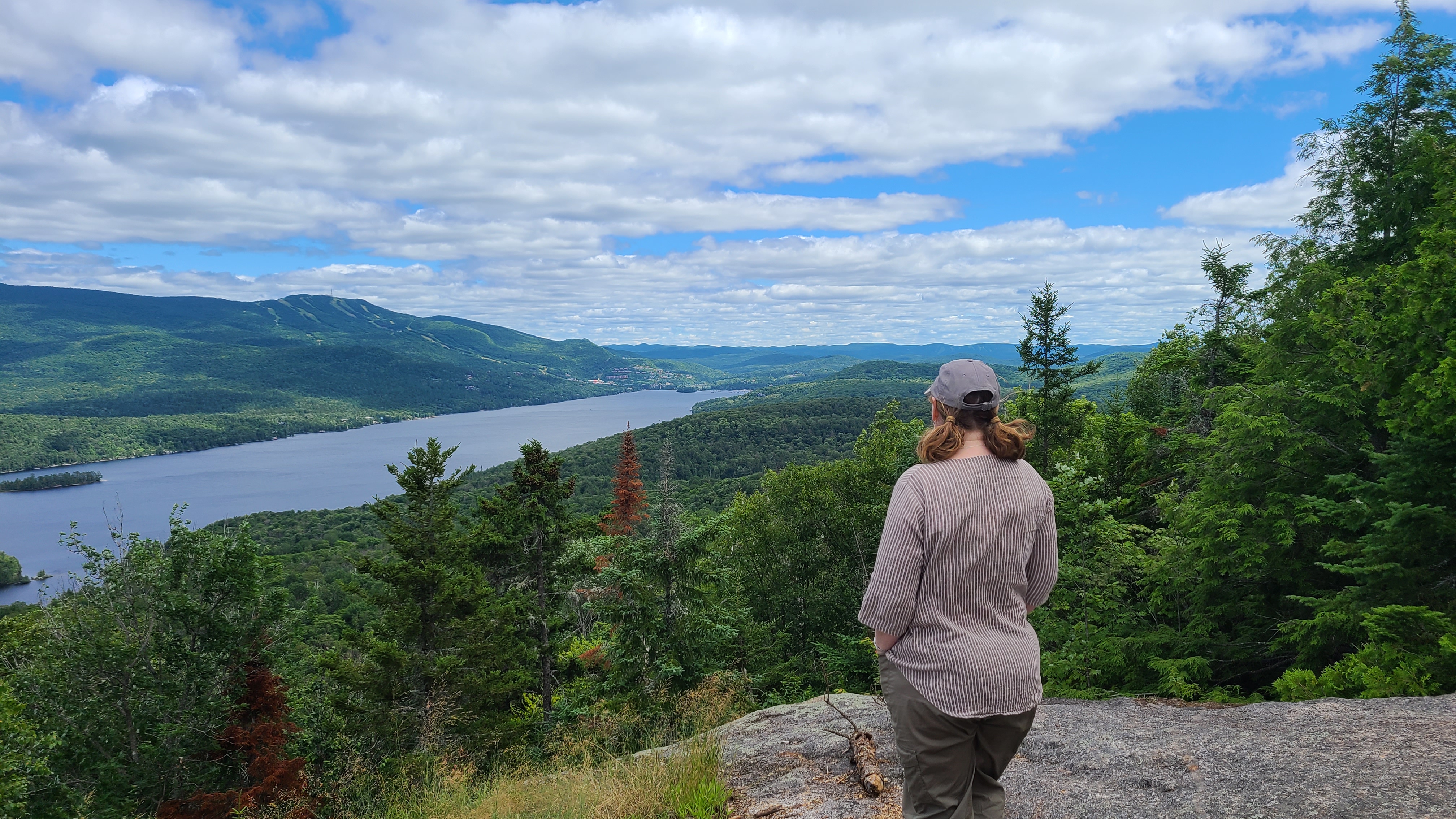
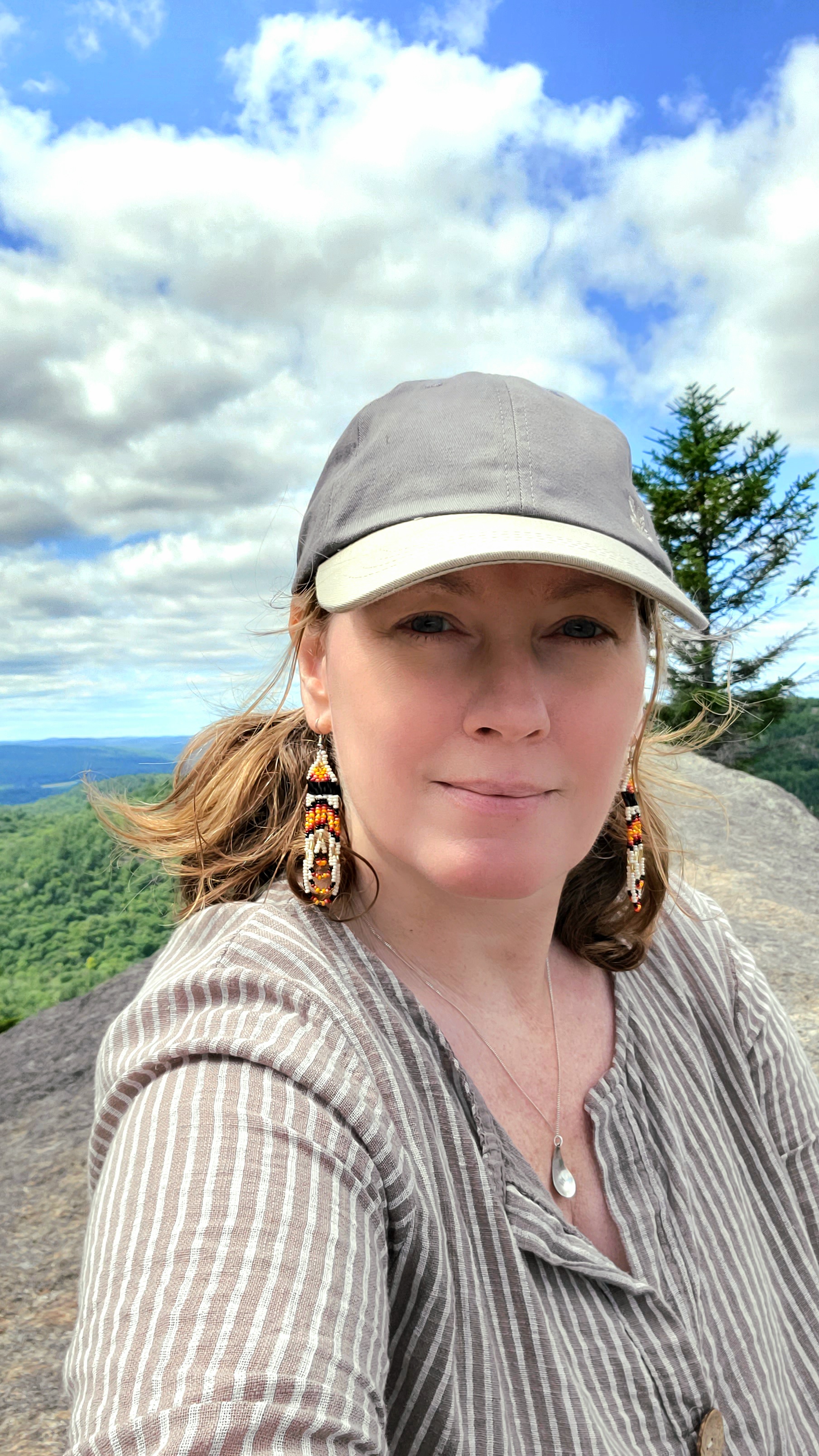
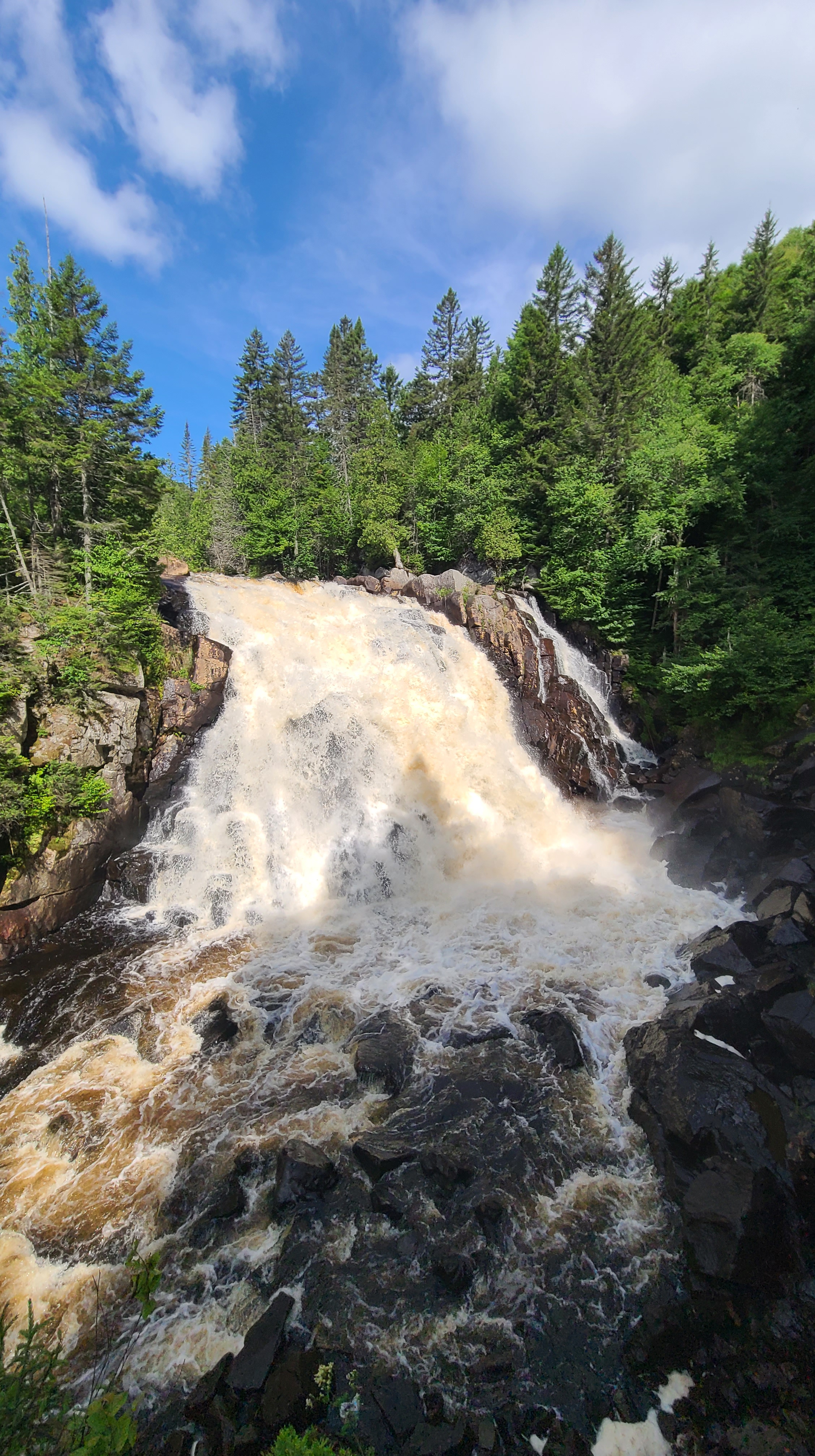
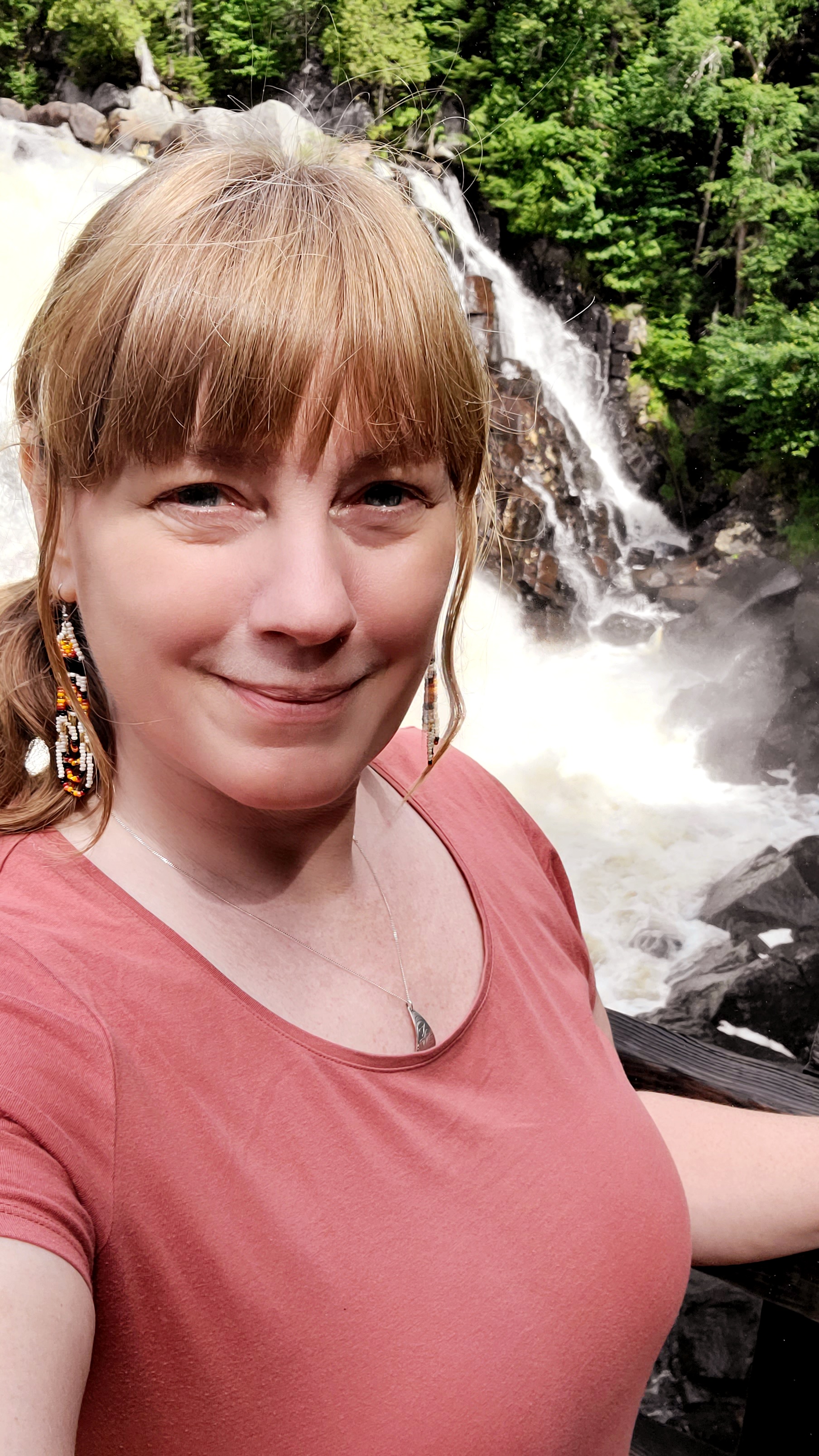
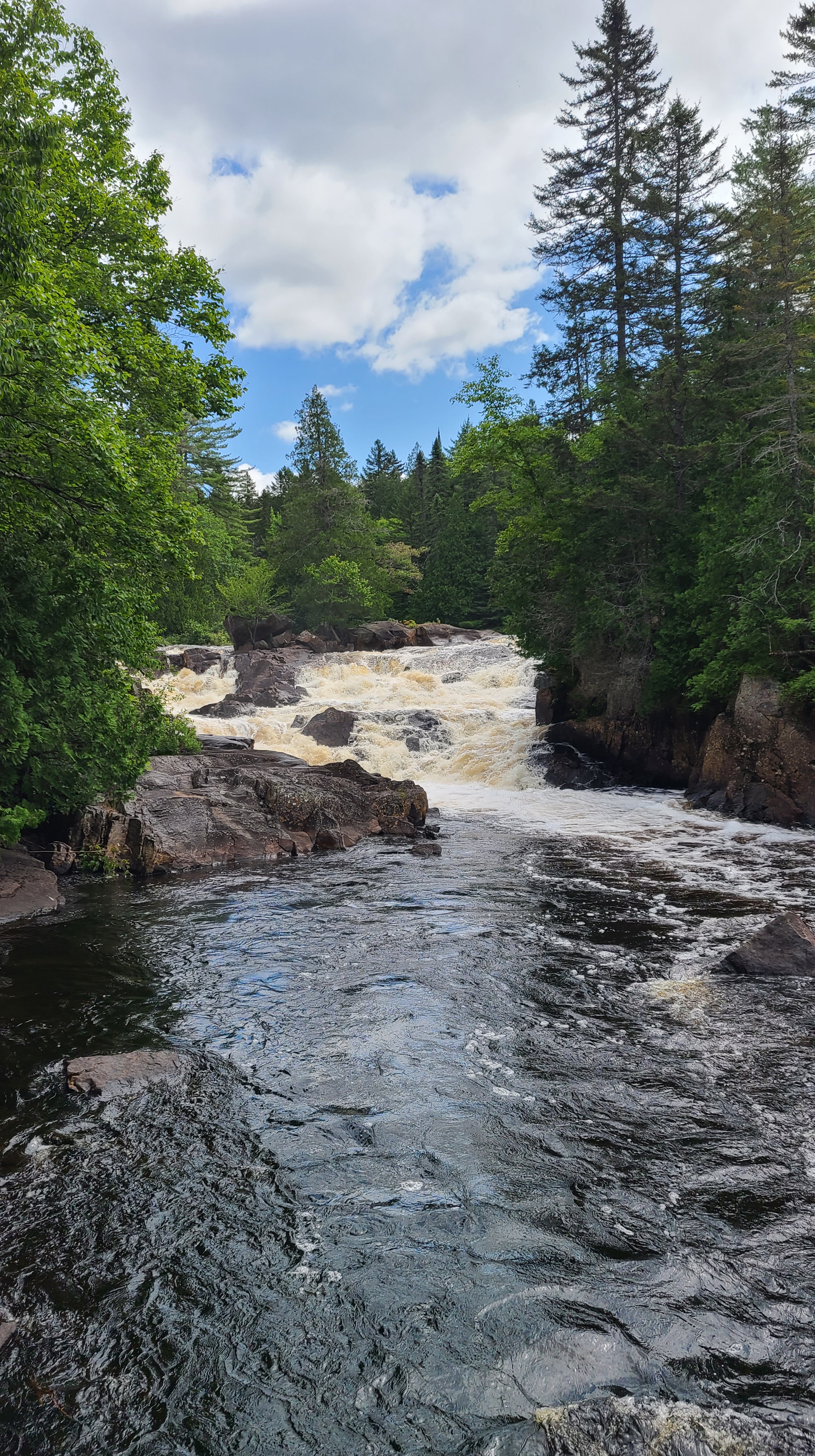
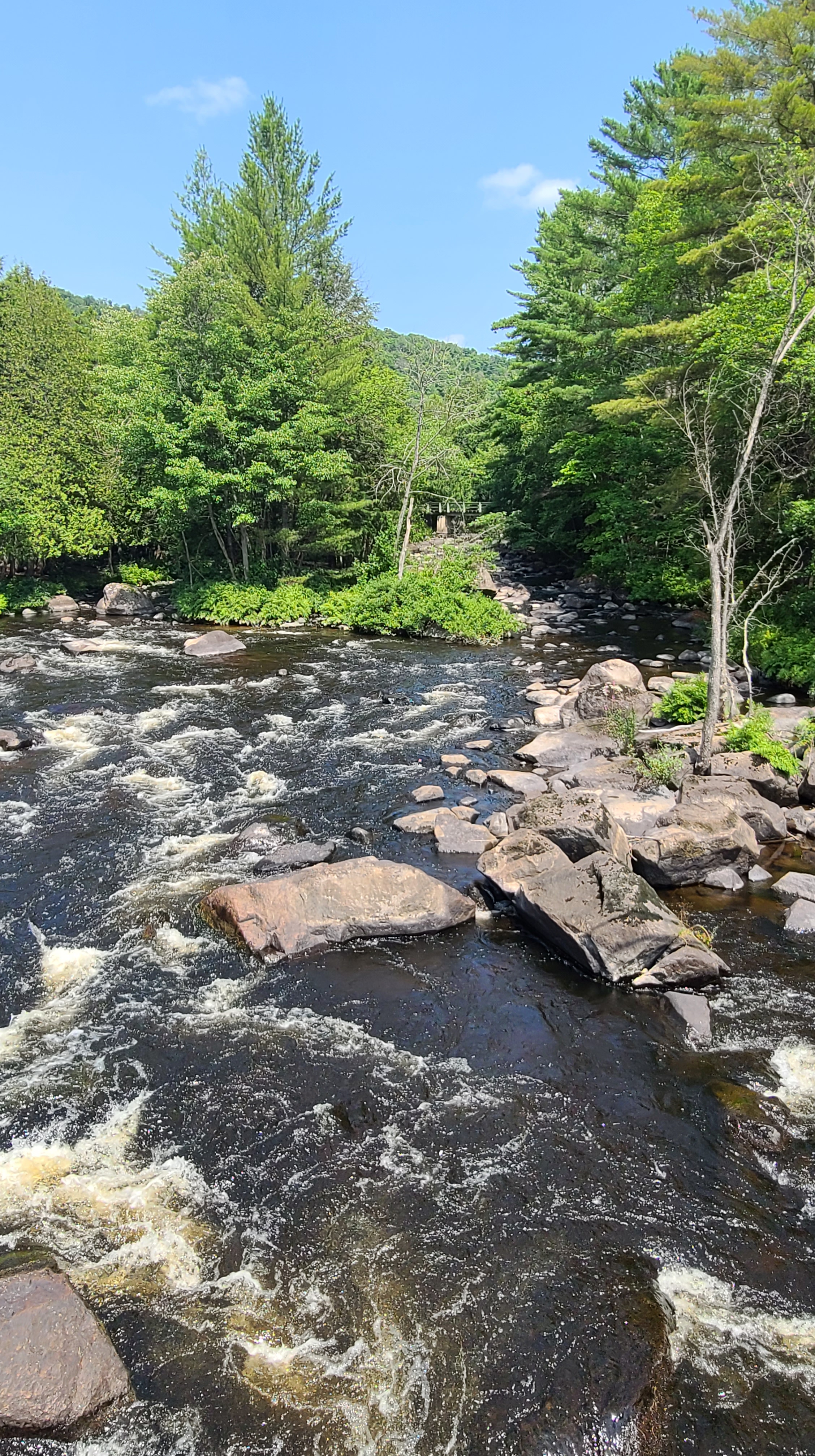
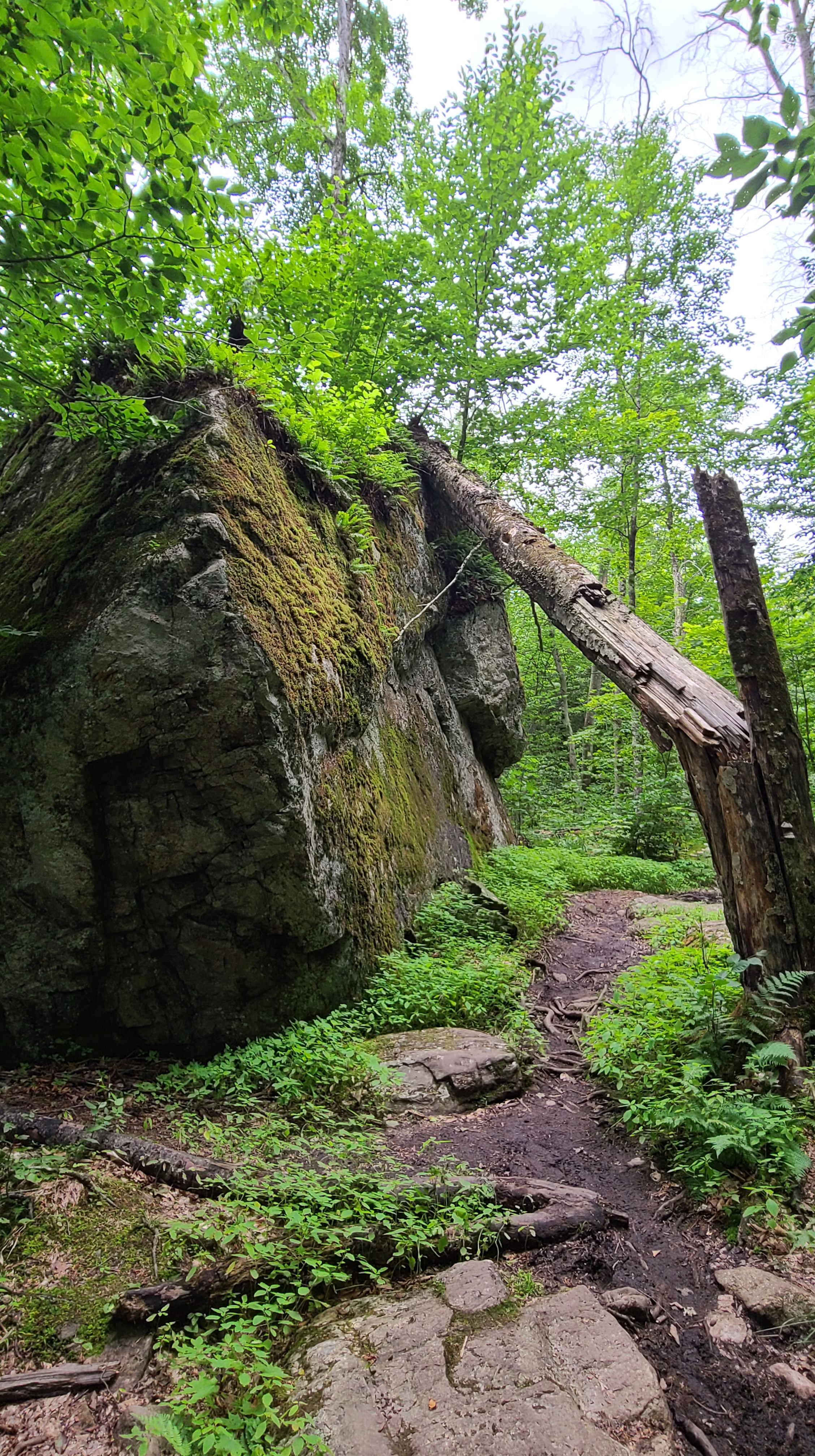
I did manage to visit an old friend, Mont Trembant National Park, while I was back in Quebec, Canada, where we had a three-day respite from the heat throughout the month of July. Some of these photos are taken on the trails just outside the park, and some within.

It does my heart good to return to this sacred land, and the mountain that was once known as Manitonga Soutana, the mountain of the spirits, which designates the highest summit in the region and an important place of passage where ceremonies were held. According to legend, the Algonquians (Anishinabe) believed that the Spirit made the mountain tremble when people disturbed nature. It might also refer to the water coursing down the slopes of the mountain which caused this impression of trembling for the people lying on the ground. The name Mont Tremblant reflects this legend.

A six-hour hike took us to the top of Nez d’Indian (Indian’s nose – this mountain desperately needs to be renamed or given its original Indigenous toponym. There is also Chutes Diables (Devil’s Falls, again, let’s rename this, please!)

To see more short videos from my stay in Quebec, head on over to my YouTube channel HERE!


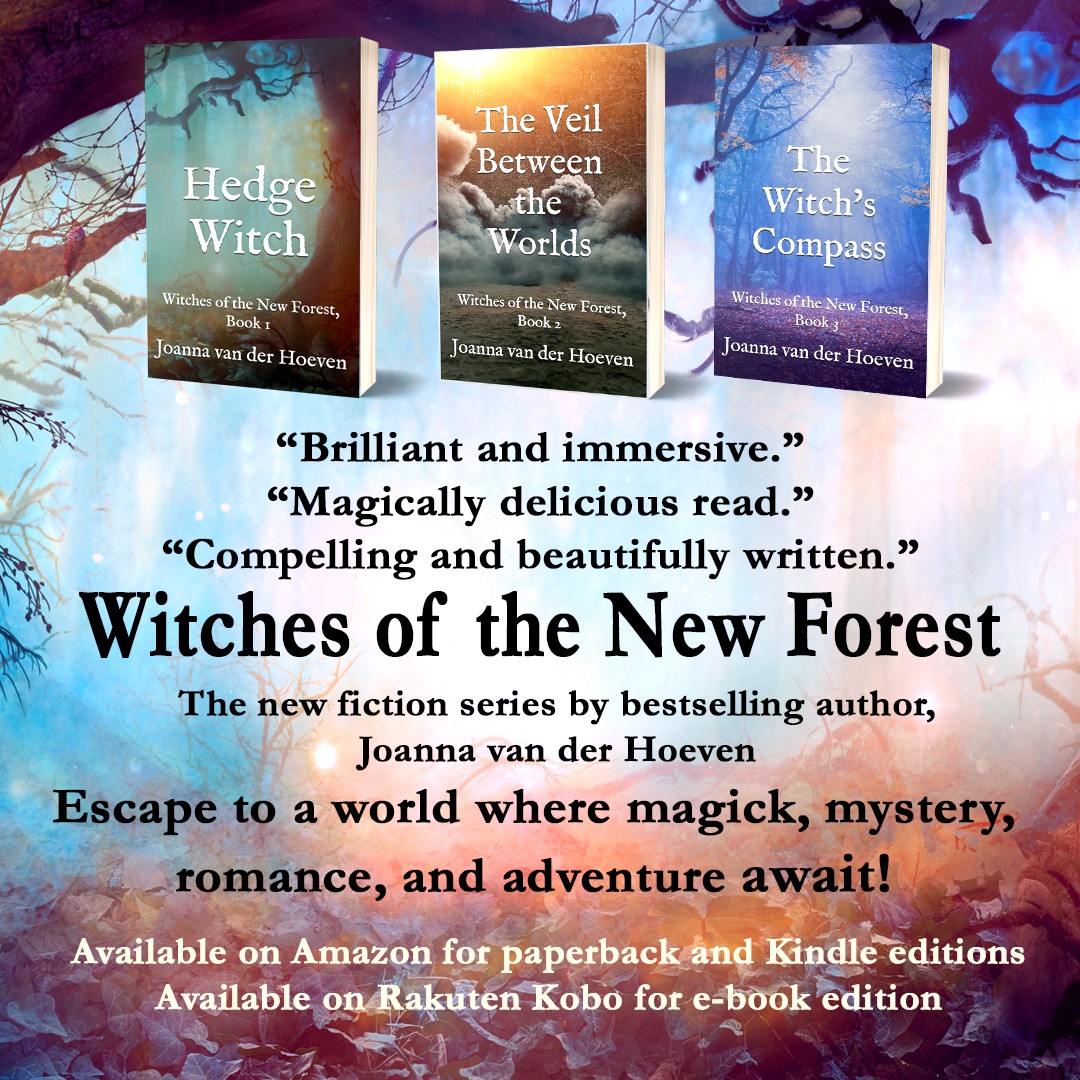
As I mentioned previously, my fiction series, Witches of the New Forest, is doing really well, and I had just finished writing the manuscript for Book 4 before heading out to Quebec. We are now in full editing mode, and we are on schedule for a 31st October release date! This will be Ryder’s story, whose adventures will certainly match those of her sister in the first three books!

In other news, I’ve had to cancel my appearance at this year’s Witchfest, as upon my return to the UK I received the dates for some surgery that I need (it’s not anything bad, just something that needs to be done before things deteriorate further). I will be in and out of appointments until the end of December, and so I’ve had to wipe my calendar of most things for the rest of this year. I hope that the new venue for Witchfest is a success, and I can’t wait to attend next year!


That’s it for the moment! I wish you all a blessed Lammas/Lughnasadh!
July Musings

The hot summer sun beats down, and the humid air lies heavy all around. To go into the forest during the day would be to invite all the biting insects to a feast, and to sit indoor feels almost like sacrilege on these summer days. But it is so hot. The kind of heat where just moving makes you break out in a sweat. Sitting still seems to be the best thing to do. The cat knows and understands this, and so I take my cue from her wisdom of being.


Even the birds have stilled their song in the midday heat. Earlier, the cardinal sang his heart out to his love, who is always nearby. The crows still caw occasionally, but apart from that, all is still except for the long, drawn out trill of the cicadas cooling off. The mosquitoes are all hiding in the woods from the heat, and the black flies have mostly died off. It’s the heat of an August day, in the middle of July, and we have been in this heat wave for two weeks now. Everyone is tired.


Still, my love for nature calls to me. I seek out the shade, and listen and watch the life that exists all around me. It’s in my nature, and was a big part of my Druid training. Be still. Watch. Listen. Learn.


When we still the voices in our minds, those stories of the humans that are part of our lives, we are then open to receive the stories of the other than human world. Whether we are in a city or on a remote hillside overlooking a vast plain of grasses shimmering in the breeze, there are stories all around us. In the flora and fauna, we learn of the countless ecosystems, micro and macro, and how we fit into them as living beings. And hopefully how to do so with love and respect.


The cycle of the seasons is shifting, from the height of midsummer and the ectastic, dancing energy of the tide of highest light, to the slower, more thoughtful tread of the harvest. The wheat is ripening in the fields, the seeds hanging in the trees and the late summer flowers are blooming. The greening is no longer vibrant, but heavy with the responsibility of continuing the legacy of growth, death and rebirth.


What lessons can I take from this oppressive heat, this heavy time, this long outbreath after the days of midsummer? Lammas or Lughnasadh is fast approaching: the first harvest. But we are still in an in-between state; the calm before the storm. It feels like a time to rest, recoup and prepare for the heavy labour that lies ahead when we collect in our dreams of the winter and spring, and which we have brought out into the world and into the light of summer. It’s that morning cup of coffee before the kids awake, or that few minutes in the bathroom of the office where you just need to be alone and regroup. It’s a stroll along a lakefront, the heavy stormclouds gathering overhead.


And so I rest, here with my family, as best I can in the 30+ degree celsius heat. I have just under two weeks remaining to gather up my strength again and reap the harvest that I had planned and worked for all this year. The books are coming along nicely, and the fiction has been especially rewarding. Finalsing that text in August and September will be a joy, and in readiness possibly for a Samhain release.


The breeze blows softly through the leaves of the oak tree my grandfather planted in the backyard. Now huge, its overhang shades the house from the relentless southerly sunshine, as well as standing as a proud reminder of our heritage and our life here in this part of Canada. Many other trees that I grew up with have long since gone, having lived out their life span or destroyed by storms or harsh winters. But the tall oak tree still stands, its large green leaves and developing acorns towering over this end of the village, and looking out towards the great expanse of the valley that is hidden from us humans by a large cedar hedge. This oak tree is part of both worlds: that of the human family that has lived under its boughs for over 50 years, and also that of the surrounding landscape, with the forest and valley, the hills and clouds, the rain and sunshine, sleet and snow that has blessed this landscape since it was formed.


Settling into my roots, deep like the oak tree, I can find the sustenance I need to carry me through.

Lammas Lessons

Lammas/Lughnasadh Blessings!

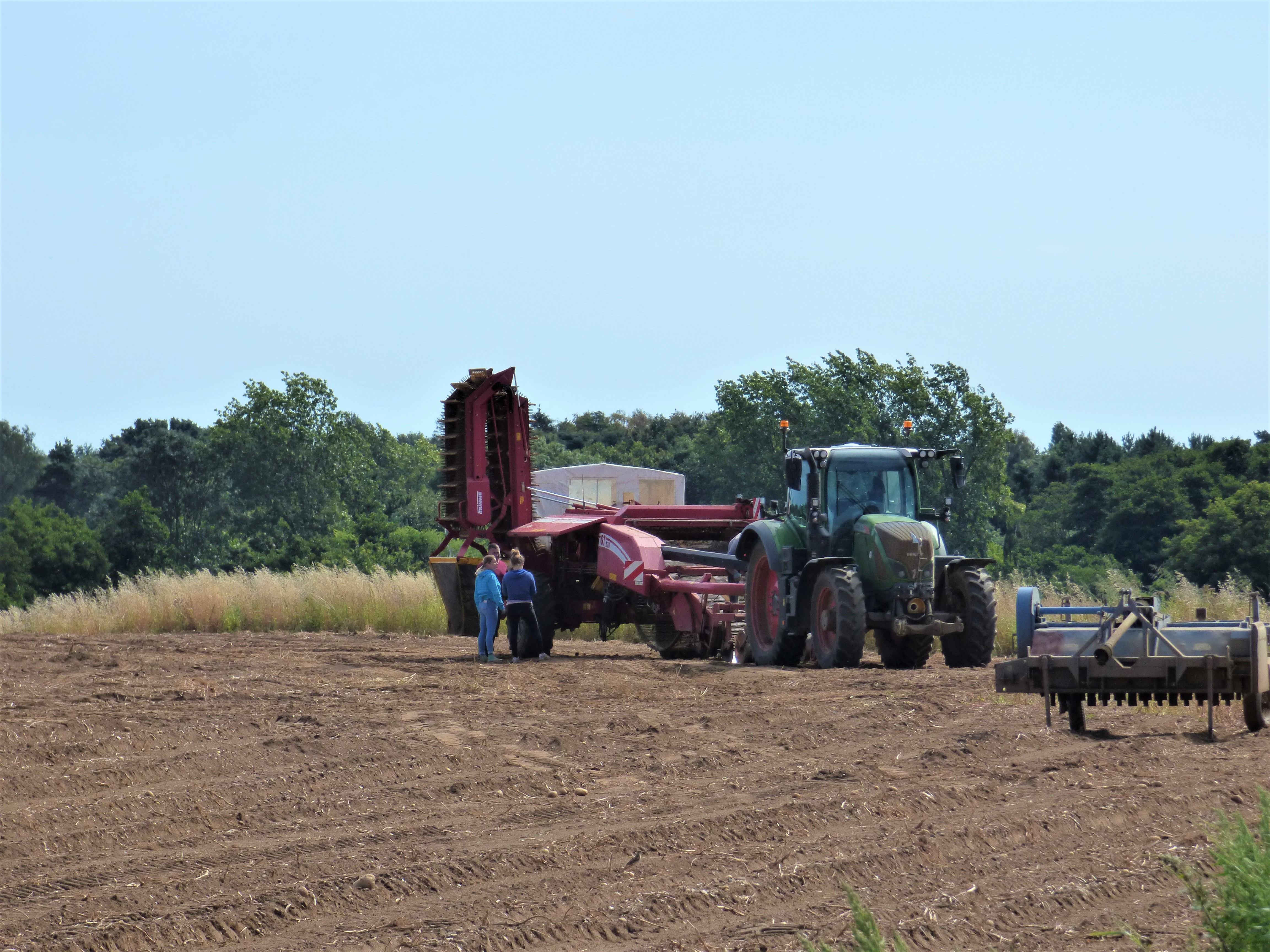
The harvest season is upon us, and has started weeks ago here in Suffolk, East Anglia. The fields of wheat began to be taken in by the combine harvesters mid-July, and the sound of machinery in the distance has been part of our daily routine now, and has also gently lulled us to sleep. Tractors abound on the small country roads, and driving around can sometimes be a hair-raising experience. But harvest is here, and we are thankful.

The wheat is again very small this year, as this is the third year of drought. No rain in the spring and early summer, and now that it’s time to take the crops in, now we get the rain. This makes it difficult for the farmers to harvest, as this is a crop that needs to be dry when being taken in. Challenges lie ahead, and not just for the farmers.

Our climate is changing, due to global warming. It’s up to us to act now, but I probably didn’t need to tell you that. Everything that we do, no matter how small, makes a difference if the majority of people do it. We can’t leave it to governments to regulate – they have too much of a vested interest in the status quo financially. The revolution must start at home, in quiet but effective ways.

I’ve always loved the word, revolution. Thinking about it from a Pagan context, I see the Wheel of Life revolving, bringing change. As the popular chant goes, She changes everything She touches, and everything She touches changes. The Wheel turns, and we learn with each revolution how better to live on this planet, hopefully getting wiser with the more information that we have to hand. Hopefully.

It’s always at harvest-time that I feel the strongest turn in the Wheel of the Year. Perhaps it’s because my favourite season is approaching, and the culmination of the dreams that we had in the winter and the seeds planted in the spring are now coming to fruition. We see the results of our work. It’s that tangible evidence that helps us to evolve,  to revolve, to become our best selves that we can be in this moment in time. Our souls are revolving along with everything else on the Wheel, and change is always immanent. Nothing stays the same. It’s up to us to make this change one that is positive, rather than seeing to our own destruction.

And so this Wheel’s revolution has laid bare many things that have long gone hidden, unnoticed, or uncared for here in this part of the world. Our government’s hypocrisies, lies and incapability have been laid bare for all to see, and hopefully a great change will come with the next election. We see the weather changing dramatically all across the world, and also in our own home region as well, knowing that we must be the change we want to see in the world. The harvest is in, and it is not a good one. If we are to survive, we must learn this hard lesson that the world is providing us.

I can see ways in which, in my own life, changes need to be made and will be made, starting immediately. Lammas and harvest time is the best time to take stock of how your life is going, where it is going and how you can change it so that your future harvests will be bountiful. You have the capability to change yourself, for no one can do it for you. The responsibility lies with each of us as individuals, and not just in governments, corporations and big business. Small changes, made on a mass scale, can make a difference.

As I walk the newly harvested fields, the dried stumps of this year’s crop all that remains, I reflect on my place in the world. What can I bring to nourish the next season, the next generation? What can I do to change my world?

From here on the Suffolk Coast, I wish you harvest blessings.

The Spiritual Harvest

New video now up on my YouTube channel 🙂

And now for some R&R…

The contract has been signed for the next book, the manuscript has been submitted this morning, this video was made this afternoon from footage I’ve been shooting all month, and now I’m going to take a little rest! See you all in a couple of weeks 🙂

Capturing the moments…

I’ve spent this last week getting some footage and trying to capture the moments of early August in the rural Suffolk countryside, so that I could share them with you all. Blessings of the harvest season!

If you’d like to support me and help me to create more videos and other content for my various social media sites, please do visit my Patreon Page.

New Lammas/Lughnasadh video!

The Importance of Lammas/Lughnasadh

P1050820 (3)I recently read something in a new Wiccan book release that made me sad and a little frustrated. In this work, the author stated that Lammas/Lughnasadh celebrations on the Wheel of the Year in Modern Paganism can feel like an outlier, a festival that for many people is hard to connect to, understand or celebrate. If you do not live in a rural area, why celebrate this festival at all? As such an important festival to our ancestors, we have to realise the importance of this festival not only in this context, but also in the modern day.
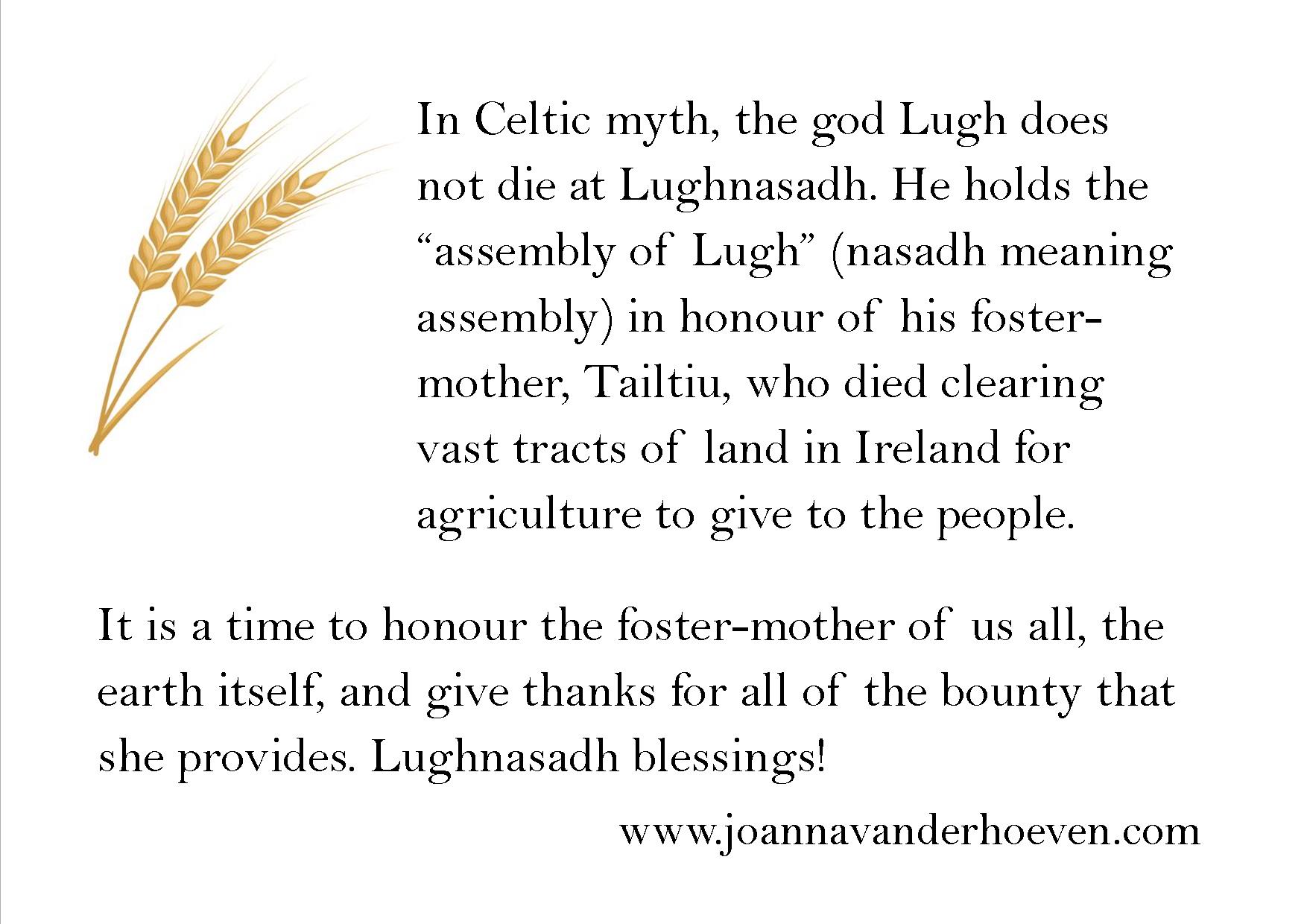
Historically, Lammas/Lughnasadh is the celebration of the first harvest, or games/festivals occurring just before the first harvest. It was an opportunity for people in a rural setting to meet others from the surrounding countryside, often from many miles away, in order to make trade deals, marriages and also enjoy games of competition. When your world is quite small as you live and breathe your farm/village life, the chance to get out and meet others is so very important, as I’m sure we all have experienced during the various lockdowns since the COVID pandemic. Imagine if that was your world all year round, and this was your only chance to see people outside of your village.

As well, the taking in of the first crops is something that should be celebrated in any nature-based tradition. Whether you live in an urban setting or not, what happens to the harvest in or near where you live, or in your own country on a wider scale does affect you, even if you are in the heart of a downtown metropolis. If the wheat harvest is bad, you will find bread and other wheat-based products go up. Same for any crop, whether that is apples, onions, potatoes, carrots – you get the idea. Not only does this affect you financially, but it can also affect you physically. If you are not supporting organic and locally produced crops as much as is possible within your capability, then you are effectively saying that nature doesn’t matter, and how we get our food is more important than the overall effect on the environment itself. This sort of thinking has led to genetically modified food, the long-term consumption of which we will only begin to notice in the coming years. The vast industry of monoculture crops requires much more pesticides and fungicides than a diverse or organic crop, as permaculture has shown us time and again. There is strength in diversity, and great weakness in monocultures. This applies not only to agriculture, but to all culture.

Everything is connected. Everything is related. To think that you are separate from something is mere illusion. Just because you might not live in a rural setting, doesn’t mean that what happens there has no effect on your life. The air we breathe, the water we drink, the food we eat and how we treat our environment all affects us every second of every day.

Let’s remember this when it comes to Lammas/Lughnasadh; let us remember the interconnectedness of all things, and the sacredness of all things. Let us remember how important this time was for our ancestors, and how important it is still, today, wherever we live. It’s not an abstract concept, especially if we follow a nature-based tradition. It is a real, living, breathing, contributing part of our world, and should be one of the most important festivals in the Wheel of the Year.

To find out more about Lammas/Lughnasadh, I have written about it and the other festivals celebrated in Druidry and much of Modern Paganism in my book, The Book of Hedge Druidry: A Complete Guide for the Solitary Practitioner.

Lughnasadh

Blessings of the first harvest!

Lughnasadh

The Wisdom of Barley

As I relaxed in my new hammock the other night (very comfy!) with my cat on my lap I could hear the slow rumble of the combine harvester in a nearby field. This is early, I thought.  Last year the wheat crop came in early because of the nearly two-month drought and extensive heat wave, which meant the stalks stopped growing at the beginning of June and just dried out early. But this year we’ve had just a little less than average rainfall, mostly in the evenings, and everything is looking really good. But some crops are still ready early, and this wheat field was no exception. Perhaps due to climate change, farmers in my area can get their crops in earlier, to reap earlier. It’s a bit risky, but when you need to rent that combine harvester, you won’t have to be fighting all the other farmers who also want to get their crops in, if you’re a couple of weeks early!

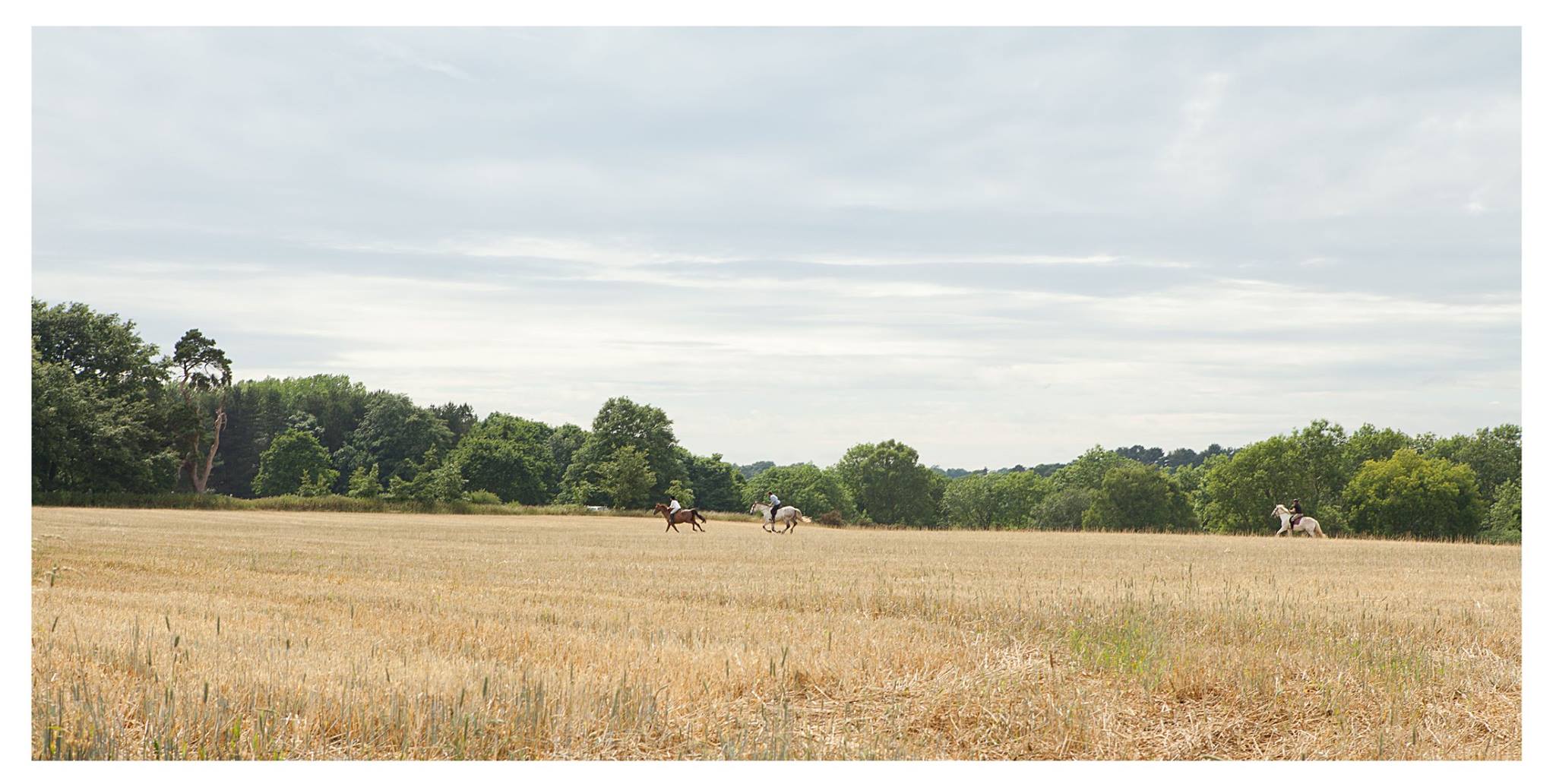
And so today I went for a walk, to look at the harvested field. The low grey clouds scudded the brow of the hill, and poppies and other wildflowers lined the footpath that divided the large field area into sections. Walking past the growing onions on either side, when I reached the top of the hill there, on the left-hand side, was the section of the field now bare of its golden treasure. There’s a certain feel and smell just after a harvest; a good smell and also a kind of empty smell, if that makes any sense. What was there was no longer there, and the scent left in its wake will soon also just be a memory.

I always feel happy and melancholy when I look out over the harvested fields. I love this time of year, when summer truly has settled in, and the warmth really kicks in; the flowers are at their peak, the young birds are on the wing. It’s a joyous time, when the thick, lush green canopy of the trees hangs heavy, the air warm and sometimes humid. And yet, when you stand on the edge of a cut field, you feel all this amidst a sort of sadness that flows from the heart, because you know that the height of summer has passed, and the harvest has begun. I can be both joyous during harvest time, and also sad, for soon it will all end.

I suppose it’s a lesson in mindfulness, to be present in the moment. If I’m too sad about the turning of the seasons, I’ll miss the joy right now. And if I don’t honour the poignant time of the beginning of the harvest and simply ignore it, then I will be missing the important time of the turning tide of the seasons, and also the lesson of impermanence.

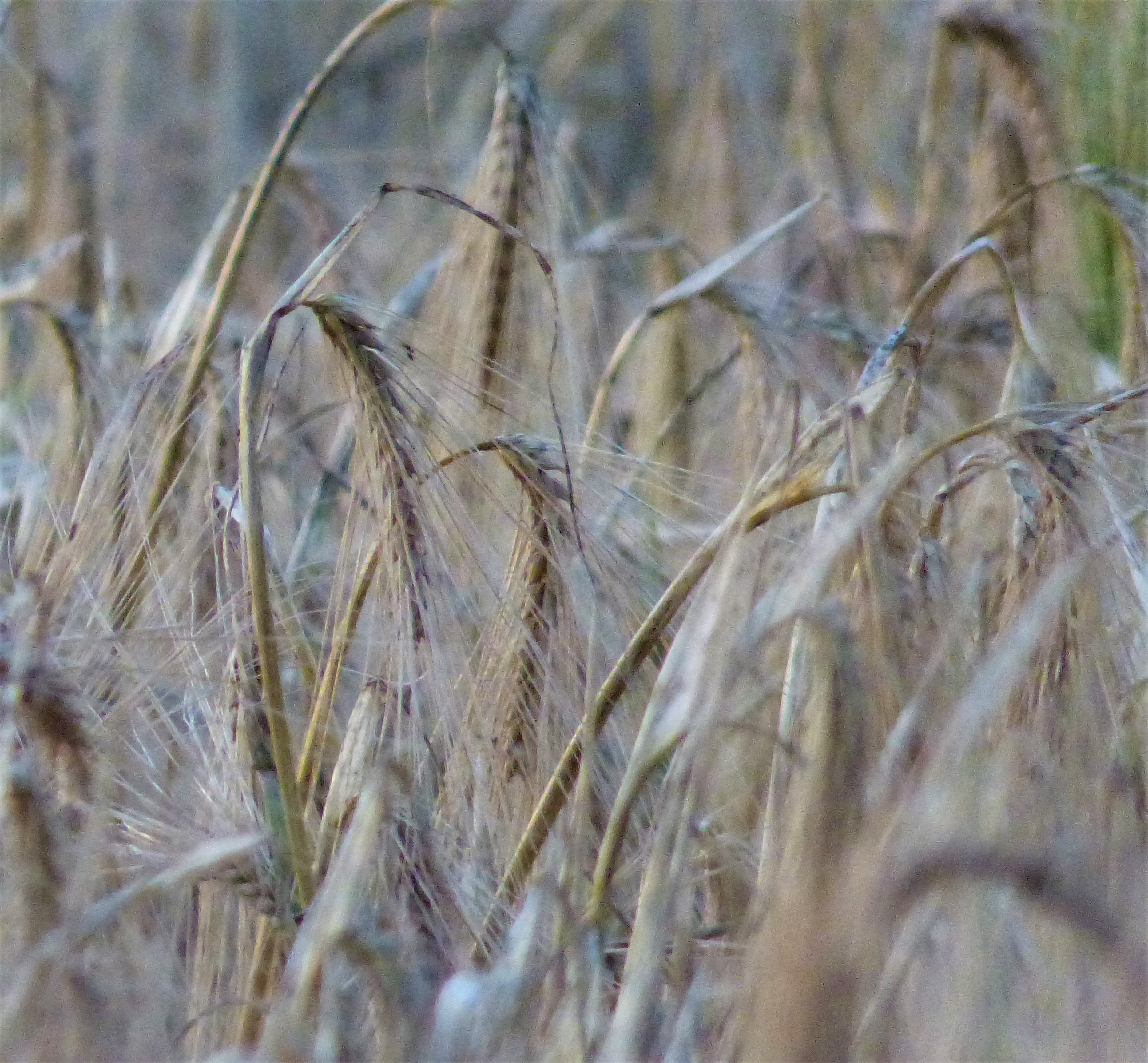
So I will visit the fields in turn, and listen out for the big machinery. Walking home past a field of barley, I could sense it would be a couple of weeks yet, but it was coming. But the barley whispered to me, “Don’t be sad now, for the sun is shining and we are ripening. Turn your face to the sun, and allow it to bring to fruition that which you dreamt of when you were just planting the seeds of your intention. And when the times comes, and it will, you can reap the harvest of what you have sown with joy and compassion.”

Barley is very wise.

6