
Thank you all for supporting this blog over the year, and I look forward to connecting with you in 2018. xoxo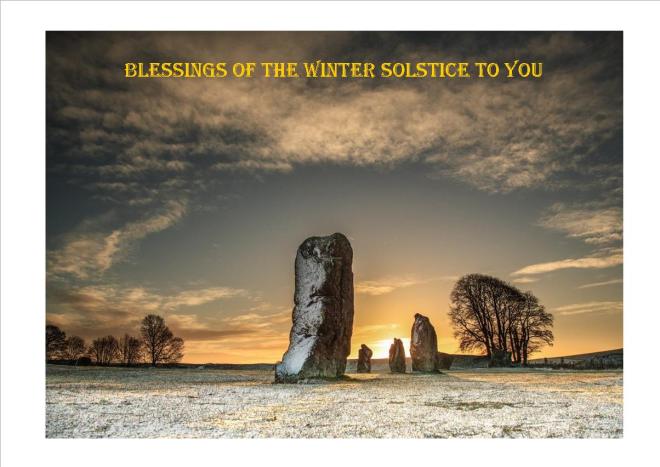
pagan
New Weekly Podcast!
 I’m starting up a weekly podcast on my Bandcamp page! Every week I aim to discuss an aspect of Druidry and Paganism, which will be available to download or stream through the site. To listen to all the podcasts you will need to be a subscriber, though I will offer one podcast a month for free. By being a subscriber, you will also have full access to the entire back catalogue, including the audio version of bestselling book, The Awen Alone: Walking the Path of the Solitary Druid.
To listen to the first podcast, click here: https://joannavanderhoeven.bandcamp.com/track/the-importance-of-daily-practice
Subscribe now to my Bandcamp page, for weekly podcasts, audiobooks, meditations, music, talks and more. Until January, this will only be £10 for a yearly subscription (a year from the date you joined). After that, the price will be going up, so subscribe now for the best deal!
Blog Award!
It’s an honour to be included in the Top 75 Witchcraft Blogs and Websites for Witches. (No.27!) You may notice the new badge on this blog in recognition of such 🙂 Many, many thanks for your support. May we be the awen, the inspiration!

Ten little seconds…
Meditation can be done for many different reasons. Some use it to find inner peace, others to help find a focus in their lives and their work, others to increase compassion in their lives and for others. But for the most part, I think an aspect of meditation that is often over-looked is the simple aspect of it being nice to just stop every once in a while, sit down and enjoy the moment.
I use meditation for all the reasons given above, and more. But it’s in the simple pleasure of stopping where perhaps it is of most use. Taking the time to light some candles and incense, get some cushions out and just simply “be” is a great gift that I can give to myself at the end of a busy day or week. As I sit in front of my altar, I allow all the thoughts that are running through my head to make themselves known to me, rather than just being background stress and noise. Eventually, the thoughts slow down, quieten and then comes that exquisite moment when all is still. No more mental gymnastics. No more body twitches, itches or squirming trying to find a comfortable, relaxed position. Everything settles, even if this feeling lasts for just ten seconds, and it is good. Better than good. The heart opens, the mind and body are one. There is nothing but myself and the world, here and now, sitting, breathing, peaceful.
Having even ten seconds to still the mind, to allow it to take a break from all the thoughts has an enormous effect on you for days afterwards. Taking the time to allow you to set aside the cares and worries, the reminiscing and the to-do lists, the work and the family issues has a profound effect not only on your mind but also on your body. Have you ever just sat on the couch after a busy day, flopped onto the sofa and just stopped for a minute or two? Meditation is the same thing, for your mind and your body, allowing it a moment of rest.
In that deep silence, when that moment is achieved, we can have some profound realisations as well. When we stop the mental chatter, we allow ourselves to refocus on what really matters in our lives. Just a few seconds of that blissful silent state can alter our perception and allow us to put things into perspective. What really matters? Not what the guy said to you in that social media group. Not the office gossip or your infuriating work colleague. We find that spending a little time in the quiet of our homes or meditation space, whether inside or outside, allows us to see that it’s in the joy of being alive right now, and the people that we actually physically share our lives with that really matter. Our family and friends. Our home. Our gardens. Our religion or spirituality. The Earth. Our perspective can get so skewed by what is happening in the world around us. Allowing us to stop and refocus changes everything.
It’s amazing what ten little seconds can achieve.
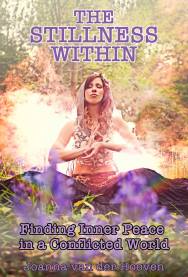 To find out more about meditation, stillness and finding peace, try my little e-book, The Stillness Within: Finding Inner Peace in a Conflicted World.
Escaping…
Right now, I’m in “book jail”, as Jhenah Telyndru so wonderfully describes it: when you are working so hard on a project, and it’s pretty much all that you can think about. I’m currently working on my 7th book, and this one’s a big one for Llewellyn Worldwide. However, today I thought I would get out and check on the progress of autumn in my area, because before you know it, it will pass you by! Sometimes it’s just nice to do something different creatively, so…
Here are some of the moments, captured on camera.
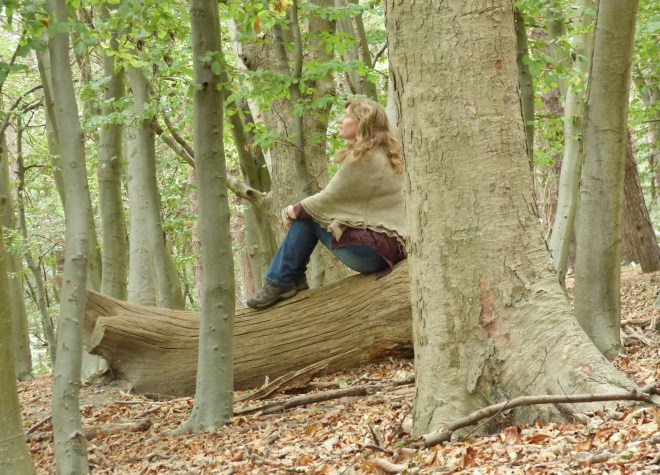
A quiet moment in the beech wood…
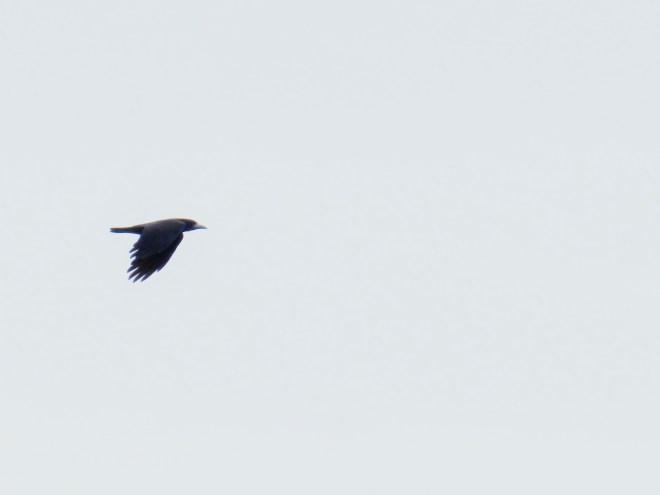
A crow going to join his mates…
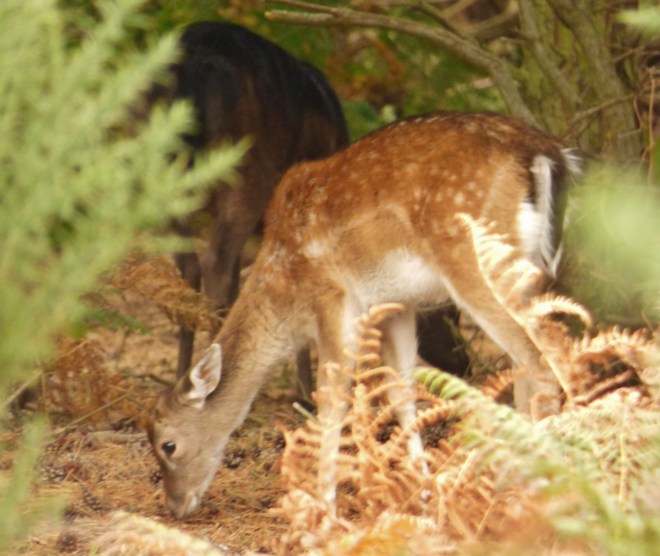
This year’s youngling!
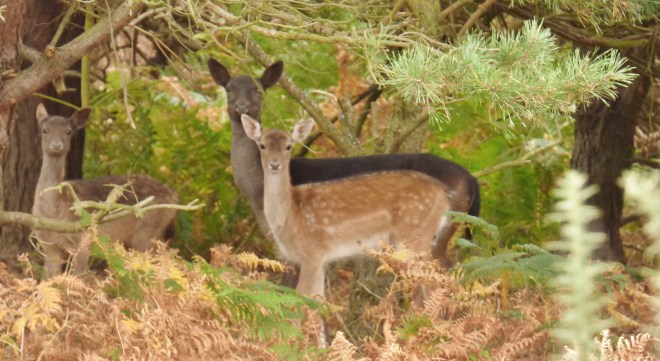
A proud mama…
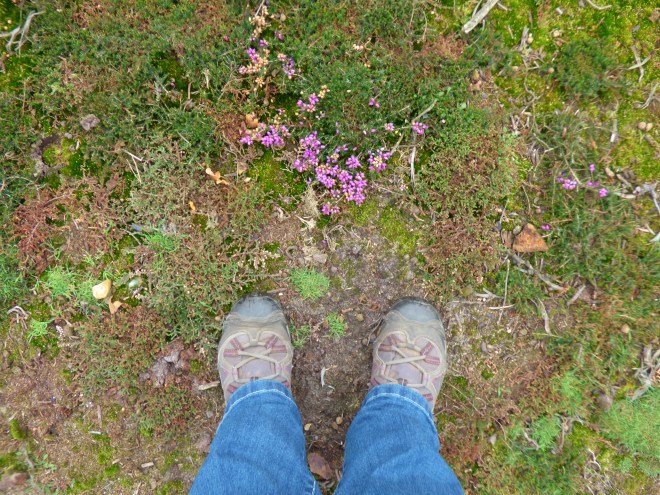
The last of the heather…
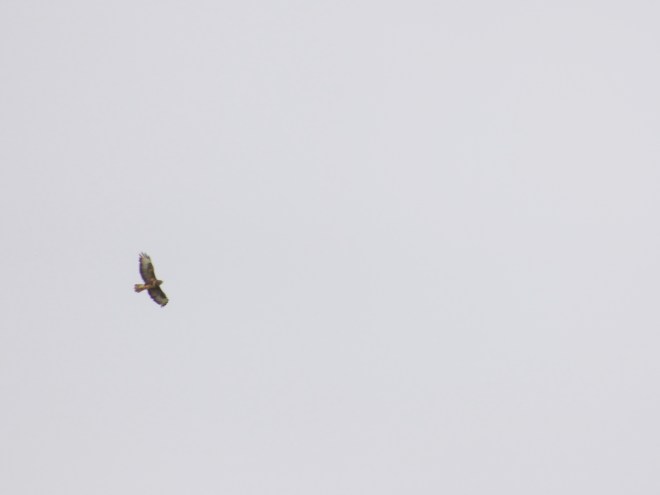
A majestic hawk…
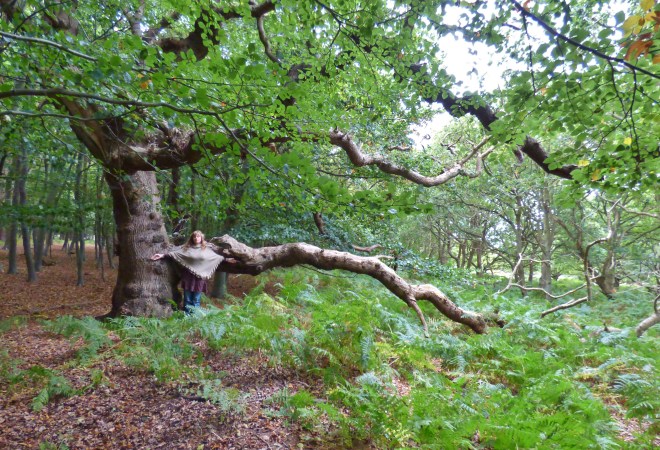
A moment with the Old Oak
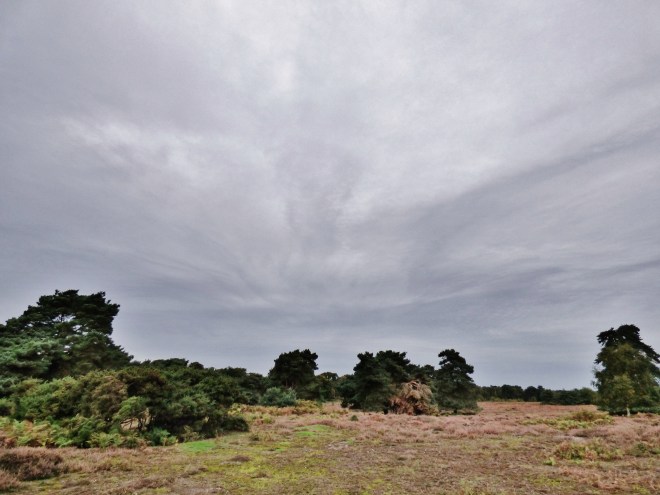
The incredible autumn skies…
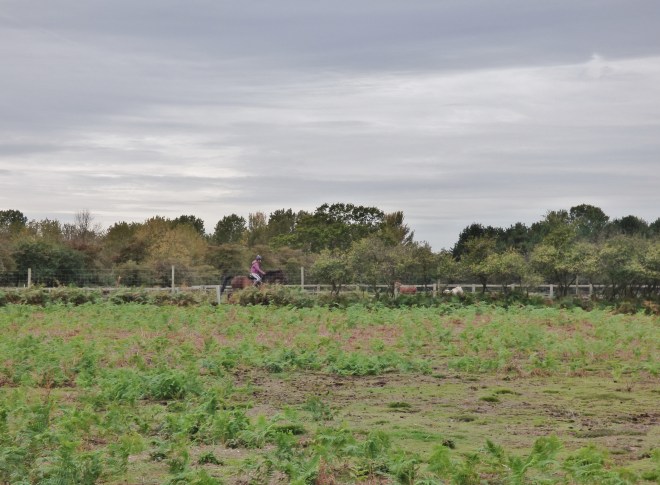
Going for a canter…
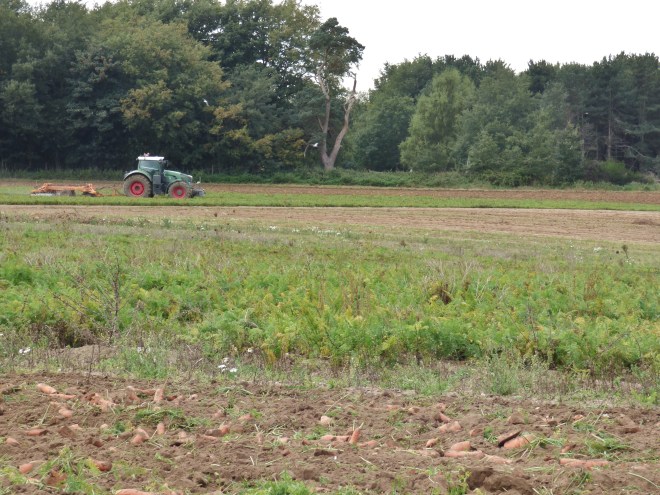
Harvesting the carrots
Samhain: Ancient and Modern
Here’s a taster of a blog that I put up yesterday for SageWoman’s channel at PaganSquare. To read the full post, click HERE.
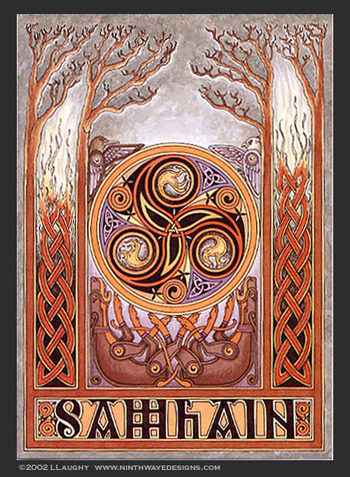 Calan Gaeaf (Welsh) or Samhain (Irish) begins at sunset of 31st October and runs to to sunset 1st November according to most Western Pagan traditions. If working by the moon, it is the first full moon when the sun is in Scorpio. If working by the natural landscape, it is when the first frosts bite. Samhain was termed the Celtic New Year, as it marked the ending of one cycle and the beginning of another. The Celts reckoned their days from sunset to sunset, and so the start of the year would begin in the dark time at the beginning of winter. Samhain marked the first day of Winter.
Calan Gaeaf, however, is a time that is not a time, and therefore some Pagans honour this tide and season from 31st October right through to the Winter Solstice. It is a time after many things have died, and there is a stillness to the air, an Otherworldly feel in the silence. It’s a dark time here in the UK, with long nights on our northerly latitude, and usually a very wet time as well. It’s not hard to see how these months could be seen outside of time, outside of the cycles of life, death and rebirth.
Calan Gaeaf, Samhain, Hallowe’en, All Soul’s Night – for many pagans this is the ending of one year and the beginning of another. It is often seen as the third and final harvest – with the last of the apples harvested, the cattle were prepared for winter and the grain stored properly. It is also a time when it is said that the veil between the worlds is thin, and the realms of the living and the dead are laid bare to each other. We are approaching the darkest time of the year, and the killing frosts and snows await just around the corner. It is a time of letting go, of releasing into the dark half of the year, and getting rid of the dross in our lives so that we do not have to carry them with us through the long winter nights. We consciously make the effort to live better, meaningful lives and let go of all that holds us back – our fears and worries, our anger and hatred. We nurture the beneficial and the good that we have in our lives, ensuring that they are well kept for our plans to come at the winter solstice. So the cycle continues. READ MORE…
Respect and Conduct at Public Sacred Sites
When visiting a sacred site, we can get carried away. We can often forget that at public sacred sites there are others there who are on their own quest, pilgrimage, whatever. We want to rush in, to do the work, to perform ritual, to connect, to sing, chant and celebrate. But we have to think more carefully about shared space.
I recently went to the White Spring with my Druid College Year 3 apprentices. I adore the White Spring; it’s such a lovely site. However, after about 15 minutes various people and groups piled in to temple, and the words “Pagan Circus” comes to mind…
At one point, we had some Druids chanting the awen softly one corner. Lovely. But then another woman began singing in another corner. In a third corner, a man was standing and singing at the top of his lungs (which in that space is really, really loud). Trying to get away from all this noise, I made my way the quietest part of the Mirror Pool in the middle of the temple. I gazed into the water, slowly collecting my thoughts and meditating upon the sacred water, when suddenly three women, two naked and one clothed, clambered into the Mirror Pool, stood in the middle of it and held hands, performing some sort of ritual between themselves. Needless to say, my meditation was, by then, a hopeless cause.
We have so little opportunity to be who we are, especially at such sacred sites as the White Spring. But we also have to bear in mind that this is a public space. There are other Pagans there who are attempting to commune with the energies, the gods and goddesses, the spirits of place, and who don’t need others crashing in on their precious few minutes in that area. These sites are not a Pagan free-for-all. We must respect others and the place. You would never see a group of monks from an abbey in the south of France rock up to Ely Cathedral and suddenly perform Mass, or chant their evensong while the resident monks and visitors alike are doing their thing. We have to bear this in mind, that other people’s experiences are just as important and valid as our own.
And it’s not just Pagans visiting these spaces. The White Spring is open to everyone, from groups of nuns visiting from Spain to families from Yorkshire on a weekend getaway. There are very practical things we need to bear in mind at such places. For one, it’s still illegal to be naked in a public space. For another, not everyone wants to see naked people, for various reasons. Imagine the Catholic nun trying to connect with St Brigid, and then having a group of naked priestesses splashing her habit as they clamber in and out of the sacred pool (there is, indeed, a separate plunge pool for people to dip in, should they wish!). Imagine a primary school teacher asking the young girl what she did on the weekend, and her reply was “Daddy and I went to visit a spring, and watched naked ladies.”
Many of these sacred sites have special out of hours timings for those who wish to hold private ritual. Both Chalice Well and the White Spring offer this, and it should be borne in mind by those who wish to hold ritual at these sites. That way, you won’t be intruding on anyone’s time spent at these sites, or offend anyone who’s beliefs are not your own. It requires advance planning and commitment, but it’s not that hard. I’ve done it myself, and had private time at the White Spring to plunge my naked self in the icy waters with a couple of friends, or visited the Red Spring after closing hours.
Let’s bear in mind other people’s experiences, which are just as valid as our own. Let’s not turn our sacred sites into spaces of competing rituals and rites all happening at the same time. Let’s honour the sacredness of the site, and remember that it’s not just there for us. The energy of these spaces is not only for our own spiritual nourishment. We take, take, take all the time. Receive healing, inspiration and more at these sites, by all means. But remember to give back, by respecting the site, and other people visiting it.
Make it an enjoyable and memorable experience for all.
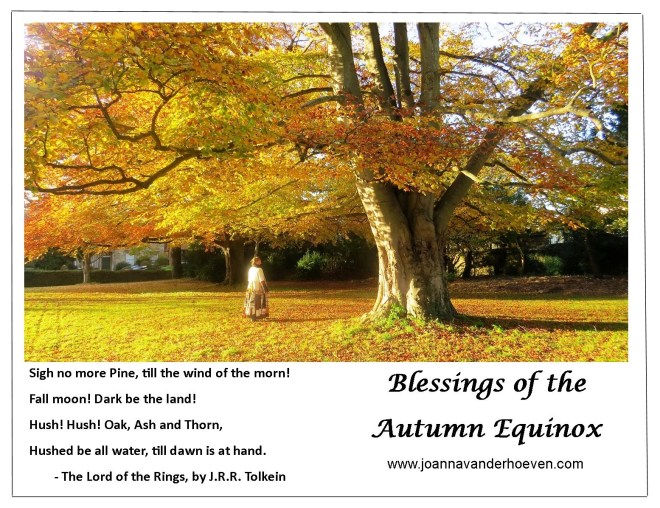
Blessings of the Autumn Equinox!
Druid Ritual
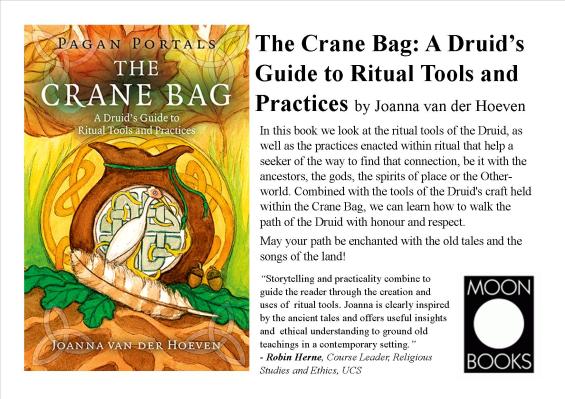 It’s all 5 star reviews so far! Here’s an excerpt from my latest book, The Crane Bag: A Druid’s Guide to Ritual Tools and Practices which you can purchase from Amazon, Moon Books, Barnes and Noble and all good book retailers!
What is The Crane Bag?
The Crane Bag: A Druid’s Guide to Ritual Tools and Practices is a book in the Pagan Portals series that describes the ritual tools and practices found in the Druid tradition. As part of the Pagan Portals series, it is intended as a brief introduction to the subject, allowing the reader to further develop their own path in their own time and in their own fashion.
“The Crane Bag” is a wonderful theme in Celtic mythology, found mostly in the tales of the poet-warrior Fionn Mac Cumhail, who inherited the crane bag from his father. This bag held the special treasures of the land and was made from the skin of a crane who was, in actuality, a woman enchanted into crane form. We can view the myths that surround the crane bag as those of the gifts of sovereignty, bestowed by the goddess upon worthy heroes as is typical of Celtic mythology. The Goddess held great abundance and gifts within her womb, and only those who passed the test and were deemed fit were able to be gifted with this most precious treasure. As the bestower of sovereignty, the Goddess fades and emerges time and again within the old stories, as does the crane bag, appearing and disappearing from myth when there is need. The sea god, Manannan, is the original owner of the crane bag and through his love for the goddess gives and takes it back throughout the telling of the tales.
Within the mythology of the crane bag, those who follow the Celtic Druid tradition can come to know a very beneficial tool in their learning, the gifts of which are endless. Within the crane bag are not only the tools of the Druid, but also a symbolism of the gift of the goddess, of sovereignty. With the proper use, it can further the Druid in working with the tides of nature, finding their proper place in the grand scheme of things, living in balance, harmony and peace. In ritual use, these tools can guide the Druid to deeper levels of meaning and understanding within the tradition, helping the Druid on her journey throughout life towards integration in a holistic way of being in the world. We are able to find a deep connection, be it with the ancestors, the gods, the spirits of place or the Otherworld. Combined with the tools of the Druid’s craft held within the crane bag, we can learn how to walk the path of the Druid with honour and respect.
What is Ritual?
Ritual consists of a prescribed set of words and actions within a particular context used to bring about a desired outcome. Druid ritual uses words and actions within the context of an earth-based tradition to connect with the landscape, the gods, the ancestors and so on. For the Druid, connection, relationship and integration with the landscape are at the heart of all that she does, whether in ritual or not. Ritual can be seen as a time set apart from daily life to reconnect the threads that bind us together with the land, with nature. We take a step back from what is perceived as the mundane and acknowledge the sacred. Ultimately, the Druid strives to perceive the sacred in everything, and ritual helps the Druid to achieve that vision.
Our modern lives are so busy, with work, family, media, technology and more. Ritual helps us to step back from the busyness, into another way of being. It is a change of consciousness, where we can shift our perception away from a singular view to a more plural view, integrating with the land around us, realising that we are a part of an ecosystem. Ritual is the act in the material world that connects us with a wider reality. It is an experience, not just a thought.
Ritual is that which helps us ground and centre in the present moment. When we stop, when we take a break to perform a ritual, we become aware of who, where and what we are at a particular point in time. We are rooted in the here and now, awake and aware to all that is happening around us. When we are awake, we are able to find our place in harmony with nature, finding a deep peace both within and without. It gives us an intention, a focus with which to work in the Druid tradition, to reweave the threads of connection.
Ritual also helps us to find stability. When we create rituals to perform repeatedly, we bring that sacred perspective more and more into our everyday life. These rituals needn’t be identical each and every time; what is important is that the ritual is actually done. It is the experience of ritual that helps us to self-locate. We cannot do that simply by thinking about it; we must act as well. When we have acted out our rituals with some regularity, we may find that our connection to the natural world deepens. The ancient philosopher Lao Tzu once said:
Watch your thoughts, they become words;
watch your words, they become actions;
watch your actions, they become habits;
watch your habits, they become character;
watch your character, for it becomes your destiny.
We as humans are creatures of habit, and indeed these habits define us as people. A repeated action or behaviour will certainly have an impact on who we are as an individual. By using ritual we can break off from bad habits and thought patterns, for example, and find the sacredness within and all around us. It requires practice, as in the Welsh saying at the beginning of this chapter. We cannot just think about ritual; we must do it. If we take the time to reconnect with our place in the natural world, over and over again, then we will maintain that connection more and more throughout our lives until they are an example of pure integration and harmony.
Druid ritual is also a celebration. The eight seasonal festivals of modern Druidry help us to remember what is going on in nature at the present moment. There are many books that cover the eight seasonal festivals, their origins, meanings and ways to celebrate, and so we will not cover that here (see bibliography and suggested reading for more). Rather, we will look at how Druid ritual is set up, from start to finish, using our tools from the crane bag to find our soul map in our own environment.
Ritual is also a tool for transformation. When we have worked with intention and grounded ourselves in the present moment, we cannot help but be transformed as our perception shifts from one perceived reality to another. Through the experience of ritual, we understand that our point of view is not the only one, and that perception shifts with intention. When we broaden our horizons, we cannot help but be transformed.
Re-enchanting the Soul
Work and familial obligations can sometimes weigh us down in a sea of mundane jobs, tasks, and commitments. With Druid ritual, we can re-enchant the soul to bring the magic back into our everyday lives, as we perceive the sacredness of all things. Then, we realise that there is no such thing as the mundane, only the sacred. The division between the two is realised as an illusion, and we are thus able to “travel between the worlds”.
The Druid is always questing for inspiration, or awen. Awen is a Welsh word, sometimes translated as “flowing spirit” or “flowing inspiration”. Creativity is such a large part of the Druid path, where we are inspired and then inspire others in return. This exchange of inspiration is at the heart of all that we do, in deep relationship with the world around us. When we touch each other soul to soul, where we find intention blending together to work in harmony, then we are inspired. The Druid looks to the natural world around her to gain that inspiration. She takes her cues from nature as to how to live in the present moment, utterly awake and aware. So inspired, she lives her life as best she can as part of that environment, in tune with all that shares the same space. By doing so, she also inspires others in return.
Simply by getting outside and into “nature”, our awareness shifts. Though nature is something that we are a part of all the time, we often see it as something “out there”, as external to ourselves. When we realise that we are a part of nature, we shift from a self-centred perspective to an integrated one, thereby opening our eyes to the beauty and wonder that lies all around us each and every day. Taking a walk helps us to see the beauty of an oak tree in full leaf, to feel the warm caress of the summer wind, to feel the blessing of the rain or the exhilaration of a snowstorm. We awaken our senses to the world around us simply by being out in it, in nature, away from central heating and electricity, away from cars, phones and computers. Though all these things can be of great benefit, when we re-attune our senses to our “natural” environment, we can also reawaken something that has long lain dormant within our souls. We can re-enchant our lives, re-wilding our souls. We can return to the very roots of our being. We can find the child-like wonder while looking at an ants’ nest, or listening to the blackbird at dusk. We no longer become bored or jaded, but rather totally awake to the world around us. Our lives are benefitted from this re-enchantment on every level. This is the awen.
This is also the importance of ritual. When we take the time to re-enchant our souls, we make our lives more magical, more meaningful and more present. We can step outside the realms of 9-5 living. We enter into a state of intention and enchantment, inspired and inspiring others in return. In this, we find true relationship.
May your path be enchanted with the old tales and the songs of the land!
(Extract from The Crane Bag: A Druid’s Guide to Ritual Tools and Practices by Joanna van der Hoeven. www.joannavanderhoeven.com).
Pagan Hygge
Hygge is a wonderful word. But it’s more than a word; it’s a feeling.
 Hygge (pronounced hue-gah or hoo-gah) was originally a Norwegian word, meaning “wellbeing” that was adopted by the Danes in the early 1800’s. Nowadays, it’s a very important word to describe a feeling of comfort, security, warmth, friendship, cosiness and more. In today’s world, we need that more than ever.
The Danes are experts at creating hygge. Much like the Druid searches for inspiration, the Danes quest for hygge. I too work to create feelings of hygge, to nourish the hygge in my home and with my friends and family, even as I quest for the awen, for inspiration from the natural world as to how to live my life with honour and integrity, as a fully functioning part of an ecosystem. For me, the two can work hand in hand.
Hygge is the simple things in life. Things that make you have that warm, fuzzy hyggelig feeling. Things that bring you joy. Small things. “Unimportant” things. It’s paying attention to the moment, right now, and appreciating it for all its worth. So, what things am I talking about here?
 Fireplaces. Candles. A cup of tea. Warm knitted socks. Petting a cat. Sitting outdoors watching the sunset. Walking quietly in a woodland. Picnics on the beach. Barbeques in the garden. Gathering with friends in a cosy pub. A family birthday party with lots of cake and laughter.
Hygge is nourishing the soul. We very much need this nourishment, for in our Western lives we run ourselves ragged. It’s not hard to see why the Danes are the happiest people in the world. They cultivate hygge regularly. They know the importance of being with family, of leaving work at 5pm to cook dinner and eat together at the dining table. Of working 40 hours a week or less. Of a welfare system that makes everyone feel secure, paid for with higher taxes. A free university education that benefits from these higher taxes as well. A sense of security, of well-being. Given that they live in a very challenging place, where the winter months have precious few hours of sunlight, they have strived to create that sense of security and safety in their homes, in bars, even at work. They’re doing it right.
I practice hygge. I sit in my conservatory after work, or outside in the sunshine with a cup of tea, smelling the air with a cat by my side. My morning cup of coffee is a silent ritual, sitting at the dining table with incense and candles lit in the autumn and winter months. I cook as often as I can, with local produce that nourishes not only the body but 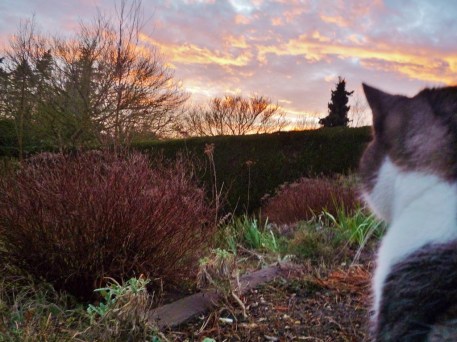 the soul. I welcome my friends over, have a spare pair of warm socks should they need them, cookies and teas or coffees at the ready. I light a candle and say prayers to my lady Brighid every morning at her shrine next to my fireplace, and give thanks for my many blessings. In my home, I want people to feel welcome, to feel safe in my little sanctuary. My work with the goddess Nemetona greatly helped me to appreciate all that sanctuary includes, and the importance it plays in all our lives. Gratitude and sanctuary are what we so desperately need.
With the threat of nuclear war, with the instability of Brexit, with floods and landslides and earthquakes and other natural disasters around the world, with capitalistic consumption and greed running rampant, it’s not hard to see why we are so unhappy. But we can change our own little space, creating space as well for others to appreciate the little things, in the spirit of hygge.
These little things become the most important things, and hopefully our actions will ripple out across the web of existence, with more and more people coming to understand the joys and wonders of hygge.
Please consider contributing/subscribing to this blog! Click HERE for more details.
 Down the Forest Path