
pagan
The Aesthetics of Our Traditions
It had been a busy couple of weeks. I finally finished the manuscript for the third book in my new fiction series, Witches of the New Forest. I also had another book published with Llewellyn Worldwide released on Saturday, which quickly hit the top of the charts in its category. I was absolutely thrilled, but I also needed some downtime.
I went to my special reading/relaxation room (our spare room is a devoted, sacred space) and rearranged my altar. I do so every few weeks, to match both my mood and my needs, and what I see reflected around me in nature. After I had settled down, I meditated for a while just to reset myself and find my centre. And then I opened my eyes.
I was instantly struck by the beauty and wonder of my spiritual path, of my religion. There on my altar, the candles flickering, the statues of my deities gathered round, the plants, stones, and tools of my Craft were laid out before me. The aesthetics of its hit me like a ton of bricks. And it was then that I realized the huge importance of aesthetics in both Witchcraft and Druidry, and how it shouldn’t be dismissed so easily.
Because too often we can dismiss these things as superficiality. “It’s all just surface, and the real stuff, the real work is what matters most.” But right then and there, I got it.
I got it.
It was what drew me to Witchcraft and Druidry in the first place. The tools, the beauty of the natural world, the images of deity, the rocks, stones, and crystals collected on my journeys, the sight of a plant sprouting new leaves, the flicker of a candle flame, the scent of the oil burner, the music gently playing in the background: I understood the importance of these things on a visceral level.
Because we need beauty in our lives. We need joy, and wonder, and creativity. We need that which makes our hearts sing, in order to continue this journey through life.
Many of us in the Western world are still under the influence of Protestant Christianity. Buddhists have their temples and incense, Roman Catholics have their mass and cathedrals, First Nations peoples have their art and their ceremonies. But the austerity found in many sects of Protestantism has been passed down through generation upon generation here in Britian and also throughout North America. The churches are stripped down to bare essentials, the incense is gone, the choirs are absent. The beauty of the rituals is harder to see with the naked eye, and stripping away all of that, I believe, has led us towards a reunification and a deep longing to reconnect with beauty and aesthetics. Much as I adore the beauty and simplicity of the functional Shaker style, my heart still years for more. More ceremony, more ritual, more pageantry.
We can get just as much out of these things as we can in one to one communication with our deities, the spirits, the land, or whatever it is that we work with and have deep relationship. While my own tradition still favours simplicity in all things, I can still appreciate the robed rituals, the poetic words chanted under the full moon, the drift of the incense smoke on the wind. These are the things that first caught my eye when I was seeking a religious and spiritual path that resonated with my soul. These are the things that still draw me back, time and again.
We are visual creatures; we cannot deny that. We see in colour. We need to indulge in that sense sometimes, to make our hearts sing once again. We need to feel the rich textures, to taste the indulgent flavours, to hear the sweet music, to smell the scents that fill us with passion.
There is nothing wrong with enjoying a ritual simply because it was visually stunning. What our eyes see, also goes to our hearts. Those memories will carry us through hard times. They will bring us back when we’ve lost our way. They will connect us to like-minded people. The aesthetics of our Craft and our tradition are not just surface value: they are essential.
Does that mean that every ritual has to be filled with these things? Of course not. We do what we can, when we can, and however we can. But in our hearts, we carry the feeling of those beautiful rituals into every other ritual that we do, that sense of wonderment and enchantment when we were truly moved in a previous experience. Although not every ritual will have that same result, we still have that within us, and can still seek it out, in both ritual and in our lives.
It’s not shallow to love the aesthetics of our tradition. It’s a part of our heritage, and instead, we should celebrate it, in all its various forms.

End of Year Blog for 2024
It’s coming to the end of the year, and I am about to take such much-needed time off. Throughout the year, I take two holidays: one summer, and one winter holiday. I use this time to go back home and see my family in Canada, which as the years progress gets even more important. They say you don’t know what you’ve got until its gone, but I disagree. I am so very thankful and happy for my friends and family, and I will spend every single chance I can get with them, no matter what.
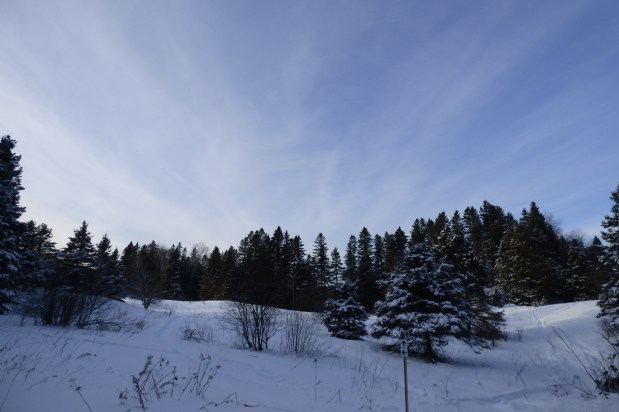
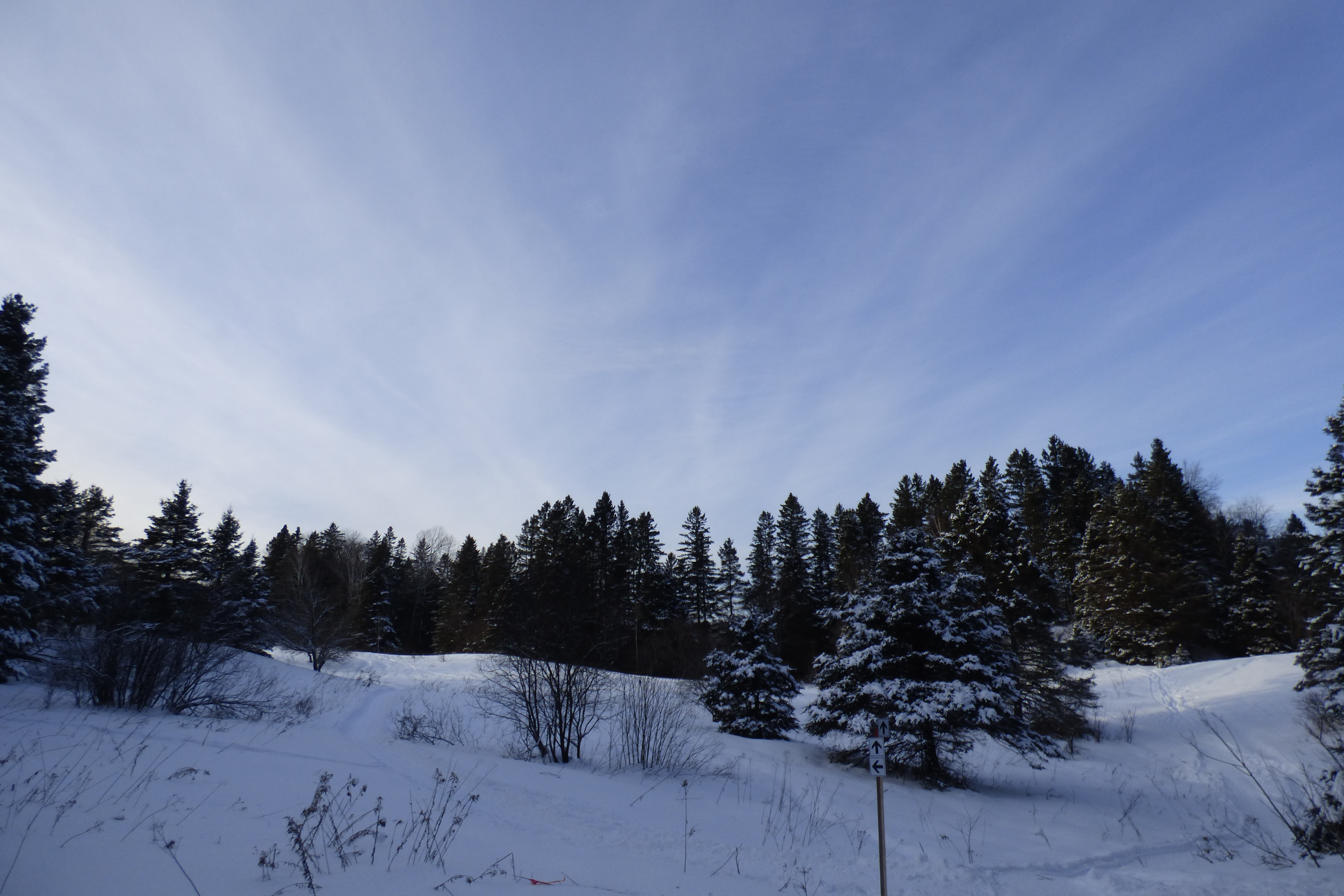
This time of year is always reflective for me. The autumn season begins the turning inwards of my thoughts, and as the nights draw in, the leaves fall and the winds of change come in bringing the storms. My energy moves from projecting out into the world, to pulling inwards. It’s a cycle of extrovert and introvert, though I must admit that I am a functioning introvert all of the time. When the leaves have all fallen, and the winter rains and dark days lie ahead, I think of home, of family and friends, of warmth and companionship even as I dream of long walks, snowshoe hikes, and cross-country skiing out in the silent wilderness of the boreal forest.
It’s a time when I take stock of my achievements for the year. This year has been exceptional, in that I have completed three books! The first is the follow-up to The Path of the Hedge Witch, my non-fiction work for Llewellyn. The Old Ways: A Hedge Witch’s Guide to Living a Magickal Life will be available next year in the UK, on the 8 March 2025 for Kindle and 8 April for the paperback. (Don’t ask me why the paperback takes a month longer, I have no idea. I’m guessing shipments from the US to UK Amazon stores are involved?)
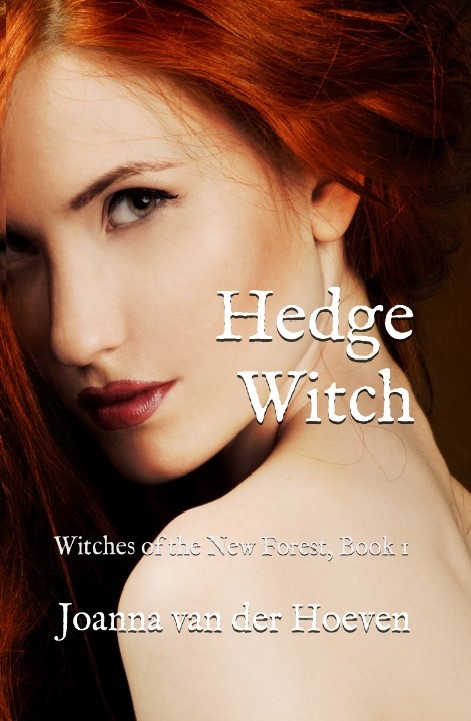
The second and third books finished this year begin my new fiction series, Witches of the New Forest. The first two books, Hedge Witch and The Veil Between the Worlds, form two thirds of the trilogy set around the main character, Hunter Williams, as she begins on her path of Hedge Witchcraft. With Druids, otherworldly characters, a magickal community and more, it’s a really fun environment to spend my days in, and I love it. Returning to fiction feels like coming home. (Other books in the series are planned, from different characters’ perspectives.)
I’ve always been a writer. From the age of twelve or thirteen, I’ve been writing stories. Ever since I finished reading Lord of the Rings, I knew that I wanted to write books set in a beautiful fantasy world where myth and magick meet.
Having been so productive this year has, however, caused a little burnout. I’m tired. I need some time away from my computer and my desk, away from social media, away from anything digital. I long to spend hours in the woods where I grew up, smelling the snow and the cedars, watching the chickadees and the wild turkeys coming into garden. I want to reconnect not only with the natural world, but also with my own sense of self. What I am craving most, is peace.
Which is funny, considering how crazy the first few weeks are going to be back home, shopping for presents, organising and attending the family parties, New Year’s celebrations and more. But it’s home, and it’s where I decompress, busy though it might appear. My heart just instantly relaxes, my body gives a sigh of relief and my lungs are filled with the crisp, cold air. There’s even an extra hour of daylight, not to mention days where the sun actually shines!
But peace is something that I’ve always sought after in my life. Little spaces of sanctuary. I have always created these spaces no matter where I was in the world, because I needed that in order to function on any sort of level. My homes have never been just houses, flats or apartments. They’ve been havens from the world outside, where I can let down my own walls and just be.
It’s a strange thing to think about, this need for peace. I look outside the window as I type, and I see collared doves in the beech tree. Are they at peace in this moment? They certainly don’t have to worry about promoting their work, keeping an eye on their sales, updating their social media or paying the bills. But they do have to survive in a difficult climate. Do they worry? About different things? Or are they at peace with what life had dealt them, and they’re just getting on with it?
I’ve studied a lot of Zen Buddhism in my time. That’s all about ways to find peace, by giving up searching for peace. There are so many paths to peace in this world. Maybe you could leave a comment on this post, sharing your path to peace? I’d love to hear about it.
Giving up the need for peace, as most Zen Buddhists would say, brings about peace. It’s the need that is the driving force in our own dissatisfaction. When we realise that we can have peace anywhere, at any time, simply by letting go of our need for peace, it can be like a ton of bricks has fallen from our shoulders. It’s so simple. And yet, so difficult to maintain. It can makes sense for five to ten seconds, before something else demands our attention. And our need for peace returns with a vengeance.
With so many external factors creating our personal circumstances, it can be very hard to see how we can let go of that need for peace in our lives, because people bring problems. Life is hard. We have no control over anything. For many Buddhists, simple acceptance of the circumstances is what brings peace. I’m not quite there yet all the time, but I can understand the mechanics behind the concept and try to remember it as much as I can throughout my day.
During the winter holidays, peace is such a central theme. Scenes of snowy landscapes evoke a feeling of peace and stillness on holiday cards. Snow is wonderful. It muffles sound, and covers all the sharp edges of the world, leaving behind sparkly magic in both sunlight and moonlight. Like a weighted blanket for the world, it holds us, frozen in a moment of time, to offer us peace.
Other simple things can bring us peace. The lighting of a candle, the recitation of a heartfelt prayer of thanks, the cooking of a meal, snuggling into a warm bed. Many things we often overlook can bring us peace. It is true: mindfulness does bring peace.
In a world full of lies, deception, insane politics, war and other atrocities, it can seem impossible to find peace. If you live in a country where people with guns are roaming the streets, if you live in dread of air raids or drones dropping bombs on your home, if you don’t have enough food for your cat, let alone yourself, finding peace is not only difficult, but damn-near impossible. When we are just fighting to survive, we are not at peace.
But I am guessing that the majority of you who are reading this blog do not live in these sorts of circumstances. We live in a mainly moral society, where the rule-breakers often get punished for breaking the social contracts and the laws that we have created through a democratic process of electing those to speak for us. In these worlds, we face other issues. We have the time to reflect on morals, on ethics, on philosophical ideas of all kinds. We can even create strange, perverse worlds where we find ourselves in moral competition with each other. “You’re not angry enough about this,” or “by not speaking up about it, you have failed society,” and other concepts often pop up on the socials, where everyone is judging everyone else, and everyone is found lacking.
It’s no wonder we can’t find peace.
Morality isn’t a competition.
But I digress.
For me, it’s in the small moments and in the small things where I find my peace. Having a moment to watch the sun set in the winter skies, with the golds and peaches highlighting the blues, pinks and purples. Stroking a purring cat curled up on a sunbeam on the bed. Eating a meal with my family. Sitting at my altar, honouring the deities, the spirits of place, and more. The big accomplishments are nice, and they are rewarding in different ways. But the culmination of all the small things is what really brings me peace. It’s not in what I do, but almost in what I don’t do. When I stop ‘doing’ and simply ‘be’, that’s where peace is found. It’s that liminal space, where there is no ‘I’ or ‘You’, but only ‘Us, Together’.
And so, I end this ‘end of year blog’ with an Irish blessing that’s often in my thoughts at this time of year.
Deep Peace to You
Deep peace of the running wave to you.
Deep peace of the flowing air to you.
Deep peace of the quiet earth to you.
Deep peace of the shining stars to you.
Two more days…
On Sunday, Dec 1 the second book in my new fiction series, Witches of the New Forest, will be released! The Veil Between the Worlds was written straight after I finished Hedge Witch, and then they both were edited one after the other. That’s why there’s only around a month in between release dates! Also, as there was a cliffhanger at the end of the first book, I wanted to release the second as soon as possible. So, here we are! I hope you enjoy them 🙂
You can pre-order the Kindle version now!
Click HERE to buy in the US
Click HERE to buy in the UK
Click HERE to buy in Canada
Paperback not available for pre-order, but coming out on the same day, 1 December!
Wow, That Was Fast!!!
Hot on the heels of the first book, Hedge Witch in my new fiction series, Witches of the New Forest, is this new second book, The Veil Between the Worlds. How did it come about so fast? I’ll tell you!
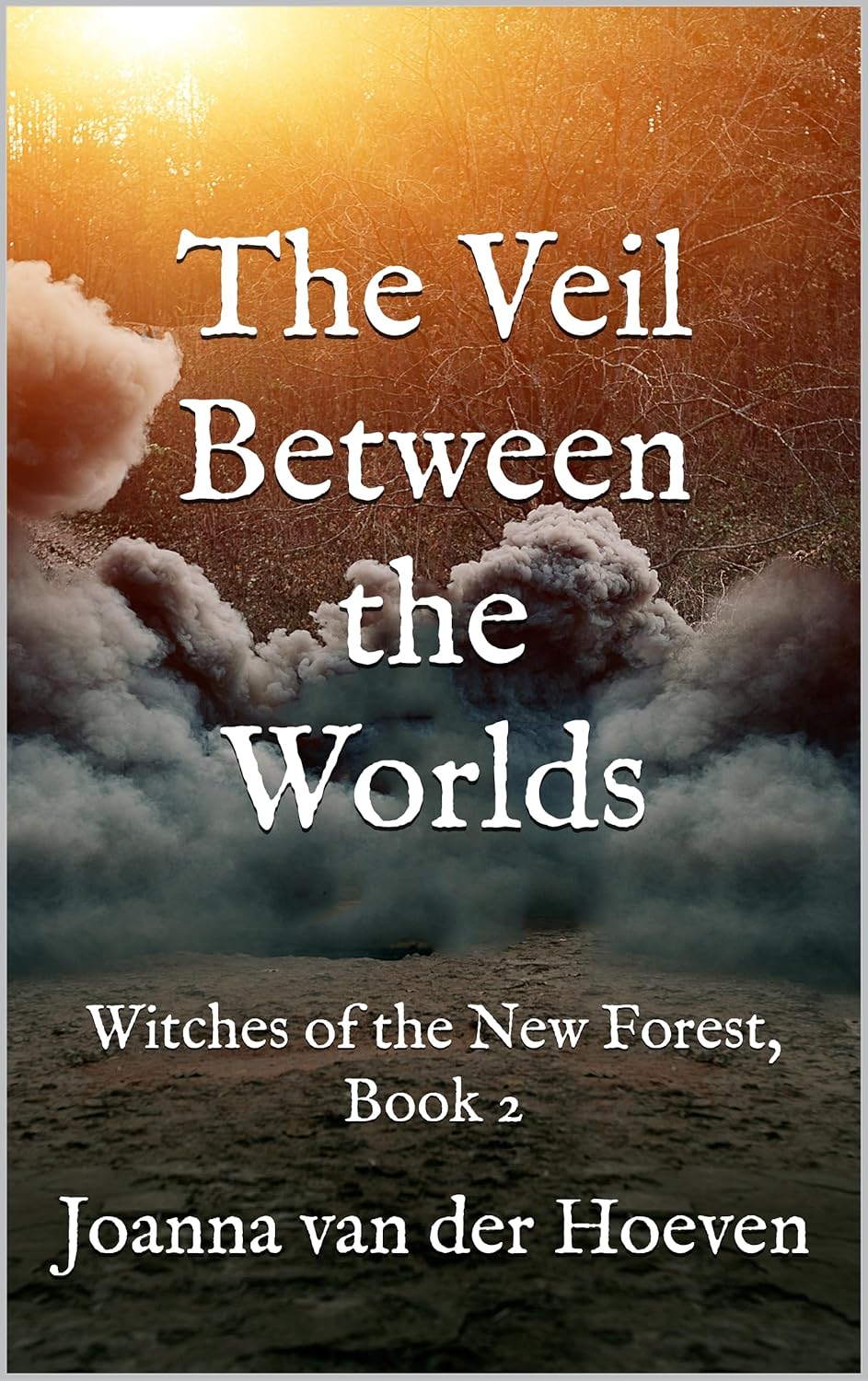
The first two books in this series were actually written one right after the other. As the story crosses over both books, I didn’t want to leave a huge gap in between them, as there is a bit of a cliffhanger ending in the first book! So, when I finished writing the first one, I immediately began the second. Once the second book was finished, then I started editing the first. When the editing was done, I then released it, and began editing for the second. So, September/October was spent editing Hedge Witch, and October/November was spend editing The Veil Between the Worlds.
The third book in the series, The Witch’s Compass, will be out late spring/early summer of 2025. This will the the third part of Hunter’s trilogy, before we move on to her sister, Ryder’s story. That’s going to be fun to write! Ryder is a great character, as is Hunter, but so, so very different.
The Veil Between the Worlds is availabe for pre-order on the Kindle version only. The paperback is not available for pre-order, but will be released at the same time as the Kindle version comes out, which is 1 December 2024.
I am having so much fun writing these books. Writing fiction is such a joy, and is what I have always wanted to do. Ever since I was twelve years old, I’ve had stories running through my head that I just had to write. It started with handwriting in unused school notebooks, and then moved onto an old manual, clackety typewriter before our family got an old second-hand electronic typewriter, which was much better for my hands than the other, older one! I wish I still had that little, blue typewriter that I began my writing career with nearly forty years ago.
It was only decades later that I released my first book, and from there went to writing non-fiction books on subjects that were so very dear to my heart: Druidry and Witchcraft, with some Zen Buddhism thrown in for good measure. I am so very proud of the work that I have accomplished over the years, and I still have another book coming out in the non-fiction category: The Old Ways, A Hedge Witch’s Guide to Living a Magickal Life (published through Llewellyn). This one will be released on 8 April 2025, but is available for pre-order now.
All of my work is written from the heart. Whether it’s fiction or non-fiction, I only write what I am passionate about, what I love. I feel that is the best way to write, and I am so blessed to be able to do this kind of work. Through the support of those who have followed me throughout the years, my readers, followers on social media, and my Patreon community I have been able to continue writing, and creating other content such as videos, music and more. Truly, I am blessed.
Authors today need support. The market is changing so quickly, with so many new challenges to face. Technology is racing away, with very little thought as to the repercussions on human beings, their lifestyle, their livelihoods and their creativity. If you have favourite authors, please support them any way you can. Buying their books is, of course, the best way, but did you know that leaving reviews on Amazon will help a book be seen to more people? Even if it is just a star rating that you have the time for, it all makes such a difference. Written reviews also help the author to see what people liked and didn’t like about the work, and can inspire them in their own creativity and help them to progress in their career. Leaving reviews on other platforms such as Goodreads helps to get the word out as well. And don’t forget to share social media posts from your favourite authors, as word of mouth is still one of the best ways you can help!
I hope that you enjoy my new fiction series. And don’t forget, books make excellent holiday gifts!
Many blessings to you,
Joanna
P.S. The links I’ve included in this post are for Amazon UK. If you live in a different country, you will have to visit that Amazon page in order to be able to get to the pre-order or ordering section for that book. Thank you!
Second Video in Land, Sea, & Sky series now up!
I’ve been so busy with the release of my new fiction series, Witches of the New Forest, and the first book, Hedge Witch. The second book, The Veil Between the Worlds is also written, and is currently in the final editing stage, so I’m hopeful for an early December release! All this being said, I haven’t had the time to make the second instalment in the Land Sea and Sky video series for my YouTube channel, until today! So, here you go, and I hope you like it!
Today is the Day!!!
A new chapter of my life has begun, with the release of the first book in my new fiction series, Witches of the New Forest. Hedge Witch is Book 1, and forms a trilogy before we move on to other characters, and their stories, throughout the rest of the series. I am so excited, and I hope you all enjoy this new series. And Book Two, The Veil Between the Worlds, is on track for a December release!
Paperback and Kindle editions are available on Amazon: https://www.amazon.com/Hedge-Witch-Witches-Forest-Book/dp/B0DLLFZDKM/
Samhain: The Origins of Hallowe’en
This article is in response to an article in my local village newsletter, declaring the so-called “evils” of Hallowe’en. Hallowe’en is not evil and is, in fact, a very ancient British tradition that spread to North America.
Hallowe’en stems from an ancient British tradition of the Celtic peoples. It was, and still is known as the festival of Calan Gaeaf (Welsh) or Samhain (Irish) which begins at sunset on the 31st October and runs to sunset on the1st November accordingly. The Celtic year was divided into two halves, the light half and the dark half. The light half began at the beginning of May, which marked the start of summer. The dark half began at Samhain (Irish) or Calan Gaeaf (Welsh) which marked the start of winter. The word Samhain is thought to be derived from “summer’s end”, being a linguistic inversion of sam-fuin. Samhain is a time that lies between times, and is a time that is not a time. It is the end of summer, and marks the time just before we enter the dark half of the year, often referred to as the Celtic New Year. It is a liminal time, and begins at dusk on 31st October on the calendrical year. (All Celtic holidays begin at dusk, the day before the calendrical date.) Some Druids follow a more agricultural or seasonal calendar, and celebrate Samhain when the first frosts appear.
Samhain is known popularly today as Hallowe’en. This stems from the Christian Hallowmass. What is interesting to note is that the Feast of All Saints, which follows the day after Hallowmass used to take place in May. It was moved in 834 to the 1st November, presumably to compete with the more Pagan traditions in an attempt to move the common folk away from such beliefs and practices.
Samhain is a time to remember the dead, and to welcome them. The dead are never far from us, and the Celtic worldview comprised a sort of ancestor veneration found the world over in Pagan traditions. Deceased relatives could come and visit the home, and so door were often left unlocked so that they could enter. Some use the tradition of a “Dumb Supper”, where food and places are laid out alongside the family’s fare for the dead, and the meal is eaten in silence. These plates were then taken outside as offerings to the spirits and the Fair Folk. Hollowing out turnips or sugar beets, and later pumpkins (which were/are much easier to carve) and placing a candle inside could provide a lantern by which the dead could find their way. Candles may have been left in windows as well, to help guide the way. Apples as well have a place at this festival, for one of the traditions was for a maiden to peel an apple and throw the peel over her shoulder: the letter that it formed was the initial of the name of the man she would marry. The custom of bobbing for apples is also thought to derive from Samhain traditions, with the lucky (and wet!) winners receiving fortune for the rest of the year. Brushing your hair and eating an apple while looking in a mirror at Samhain was said to reveal in the reflection the face of your true love. Modern-day trick or treating is said to come from the ancient buachaillí tui, disguised people who characterised the dead and lead a white mare (hobby horse) called Láir Bhán. This horse was symbolic of the goddess of the land.
At Samhain, when we arrive at summer’s end, is a liminal time. The veils between this world and the Otherworld are thin, and so we see the custom of dressing up or guising to protect the living from the “unhappy dead”. It could also be seen as an acknowledgement of the dead returning, and as a sort of celebration of the fact.
Samhain was celebrated by the Druids in Ireland high on the hilltops with fire, from an ancient ritual on Tlachtga or the Hill or Ward in Meath. Tlachtga was sacred to the Druids, whereas Tara was the place of the High King. Tlachta could be viewed from Tara, and a fire on Tara may have been lit in response, allowing the Druid’s to light their fire first, in their role as advisors. The Feast of Tara took place three days before and three days after Samhain. There is an alignment of the sun and moonrise from at Samhain from Tlachtga to a standing stone in Slieve na Caileach and also Lambay Island. Tara has an alignment from the Samhain sunrise to “Lugh’s Seat” at the “Pillars of Samhain” and a cairn dedicated to the goddess, Mór-Ríoghan above the Keash caves in County Sligo. In Irish tradition many ancient hills and fairyforts were connected by paths which the Sidhe were said to travel. At Samhain, the Celts would be taking their cattle down from the high grounds to their winter lodgings, and so would the Fairy Folk. It was wise to avoid the fairy paths or alignments on this day/night for this very reason.
At Glastonbury in Somerset, England, the Wild Hunt is said to ride out of the hill of Glastonbury Tor, with Gwyn ap Nudd, the Lord of Annwn at its head. He collects the souls of those who have died over the past year, and acts in the role of psychopomp, leading the souls to their rightful place in the Otherworld or afterlife. Fire rituals may well have been a part of ancient ceremony on the Tor, being a hill that could be seen for many miles in the surrounding flat countryside. Recently, a Samhain fire festival honouring The Wild Hunt now takes place at Glastonbury Tor every year, and is hugely popular, with modern-day Druids officiating the ceremonies.
In County Derry in Ireland, they celebrate the Spirit of Samhain, or Spiorad na Samhna. It is a hugely popular event, with over 30,000 people coming to participate and enjoy the festivities today, with a parade and fireworks, acrobats, fire-breathers, stories, song and more. This is echoed in Edinburgh, Scotland, where the Beltane Fire Society also holds a Samhuinn event every year. This began in 1995 and has grown ever since, with street performance and theatre in the heart of the city. A large, dramatic ritual ceremony is created and re-enacted each year by different groups which include dancers, drummers, actors and more.
So as you can see, Hallowe’en is not evil. It is an ancient tradition which people across Britain are still practicing today. It is a celebration and veneration of our ancestors, much as others festivals across the world do at this time of year, such as Dios de los Meurtos, or the Day of the Dead in Mexico. Simply because something is not Christian, doesn’t make it evil.
Resources:
Baker, Des “Spiora na Samhna”, Underground Short Film Festival, 2015
Butler, Dr Jenny ” The Festival of Samhain & Halloween in Ireland “, Crypt Interview
Eastwood, Luke “Tlachtga and the Ancient Roots of Hallowe’en/Samhain”, Order of Bards, Ovates and Druids
Hutton, R. (2011) Blood and Mistletoe: The History of the Druids in Britain: Yale University Press
Restall Orr, (2016) E. This Ancient Heart 2016 Moon Books
Restall Orr, E. (2004) Living Druidry: Magical Spirituality for the Wild Soul: London: Piatkus Books Ltd
Talboys, G. (2002) Way of the Druid: Rebirth of an Ancient Religion: O Books
Telyndru, J. (2005) Avalon Within: A Sacred Journey of Myth, Mystery and Inner Wisdom
van der Hoeven, J. (2014) The Awen Alone: Walking the Path of the Solitary Druid: Moon Books
van der Hoeven, J. (2021) The Book of Hedge Druidry: A Complete Guide for the Solitary Seeker: Llewellyn Worldwide
Psst… It’s Here… NEW BOOK!!!
I’ve started writing a new fictional series, called Witches of the New Forest. The Kindle edition of the first book, HEDGE WITCH is now up and available for pre-order – yay! The paperback version will be ready for pre-order next week. This is the first installment of my new fictional witchy series set in the little village of Burley, in the New Forest 🙂 Here is the synopsis:
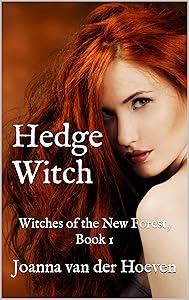
“Deep in the heart of the New Forest in England, lies the little village of Burley. Known for its connection to the flamboyant Witch, Sybil Leek in the 1950’s, this place is now a tourist hotspot for those who are fascinated by the occult and the paranormal. However, there is a much deeper secret known to only a select few in the area.
Witchcraft is real, and there are very powerful practitioners of the art that still live in and around Burley to this day. Magick runs deep within some family lines, passed on from generation to generation. There are also other magical beings that have existed in the area for thousands of years. As a liminal place, Burley is where myth and magick come together.
Two Canadian sisters, Hunter and Ryder, inherit their aunt’s property on the edge of the village. As they learn more about Burley, they also begin to learn more of their own heritage and how it is woven into the secrets that lie in the heart of this quaint little village.
This is the first part of Hunter’s story. The eldest, Hunter is the careful and cautious sister. A university professor, she is familiar with some of the history of the area. However, Hunter’s world is turned upside-down when she discovers not only her family legacy, but the extent of her own powers. Her guarded heart is opened by the love of a man whose life’s work is in dedication to the land, and whose encouragement to come into her true power changes her life forever.”
I am having so much fun writing fiction again. The characters write the story for me, and I’m just sitting back and watching all the fun, drama, intrigue and action! The first three books are all planned, and I’m already a third of the way through the second book, which is also the second part of Hunter’s story. The third book will be her sister’s (Ryder’s) tale. If you’d like to read something fun, funny, witchy, romantic and feel-good, then join me in the New Forest with this new series.
Here’s the link to pre-order the Kindle edition now! It will be sent to your e-reader on 28 October, just in time for Samhain 🙂 Paperback edition will be available for pre-order next week, so I’ll keep you posted when that is released.
https://www.amazon.co.uk/dp/B0DJL1X635/
The Struggle is Real
Pagan books sales have gone down radically in the last year and a half, despite the increasing number of books being made available. It seems to reflect what many of us authors have been worried about for several years now. The sales aren’t even made up with e-books, as those have dropped significantly as well. Audiobooks for non-fiction still aren’t that popular either, and the revenue from them has always been minimal. So why is there this sudden and sharp decline in books sales?
When I first started learning about and practicing various forms of Paganism in the early 1990’s, books and events were the go-to places to gather the information that I sought out. The choice of books available in the bookstores was only a handful stuffed somewhere in the “New Age” section. The internet didn’t exist, but you could order books from glossy catalogues that companies such as Llewellyn provided, which wasn’t too bad if you lived in the US but if you lived anywhere else, the shipping fees were astronomical. And so you just had to make do with what your local bookstore provided. If you were lucky to have a witchy type shop near you, the selection was a little better, but shelf space was always at a premium. And we didn’t even bother much with libraries back then, because they would never stock those sorts of books in the first place. Finding books to read was a real struggle, but such a joy when you did find one that resonated with you.
The coming of the internet was a huge blessing for the Pagan community who wanted to connect with others, talk about authors and books and find solace with others when the community was so small and so widespread. Books began to be marketed online, which was a real boon to the publishing industry. And yet, with more people online than ever before, what has happened to book sales lately? Surely they should still be increasing?
Nope. I’ve talked to my publishers, I’ve talked to other authors and everyone is seeing a real downturn in books sales. We’ve been scratching our heads, trying to figure out why. As book lovers ourselves, it’s difficult to fathom how this downturn has come about so suddenly. So here is my take on what’s going on, and how it could very well spell the end of non-fiction books in the coming future.
- People can get information for free online. As people are online more and more and there are so many different channels to get information from, why buy a book? You could watch a video, read a blog and receive a ton of information anywhere for free. I know that if I was a youngster just starting out, the majority of my information would be garnered from this form of transmission simply because it is free.
- People don’t have spare cash to buy books right now. Everyone I know is hurting more and more financially, and if it comes down to buying your groceries for the week or buying a book, you will buy the food. I hope.
- You can find pirated copies of pretty much anything online. Need I say more?
- Attention spans are waning. It’s a fact. “In the early 2000s, she and her team tracked people while they used an electronic device and noted each time their focus shifted to something new—roughly every 2.5 minutes, on average. In recent repeats of that experiment, she says, the average has gone down to about 47 seconds.” https://time.com/6302294/why-you-cant-focus-anymore-and-what-to-do-about-it/ (I actually had trouble reading this article, not because of attention span but because four different pop-ups kept interrupting my reading. Oh, the irony.)
- When a book is released, it is competing will millions of other books these days. With so much choice, it’s wonderful for the reader out there. But for the author? It seriously dilutes the sales. Unless you have a slick marketing team that works for you.
- Authors can’t afford slick marketing teams. The shift in lots of publishing has been to place the onus of marketing up on the author, as the publishers have to make cuts somewhere just to stay competitive. Most authors aren’t marketers. I spent nearly a decade in marketing for a world-famous music venue here in England. That has seen me in good stead for the last ten years, but even now I’m struggling against a tide of everything that I’ve mentioned above.
The struggle is real, folks. I hope one day that books will have a resurgence, that cosying up with a book on a rainy day will replace hiding under your duvet with your smartphone. There is just something about a book, something that feels like an old friend you can turn to, something that you can hold in your hands, that ages even as you age, the feel of something material rather than something immaterial.
Go analogue for a while. Slow down. Smell the books along the way. Because who knows how long they’ll be here?
 Down the Forest Path