End of Year Blog for 2024

End of Year Blog for 2024

It’s coming to the end of the year, and I am about to take such much-needed time off. Throughout the year, I take two holidays: one summer, and one winter holiday. I use this time to go back home and see my family in Canada, which as the years progress gets even more important. They say you don’t know what you’ve got until its gone, but I disagree. I am so very thankful and happy for my friends and family, and I will spend every single chance I can get with them, no matter what.

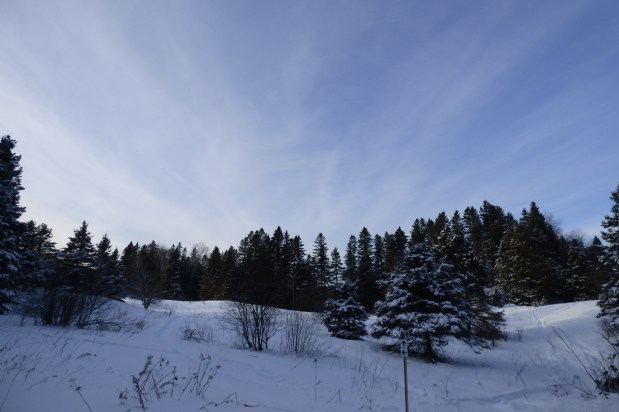
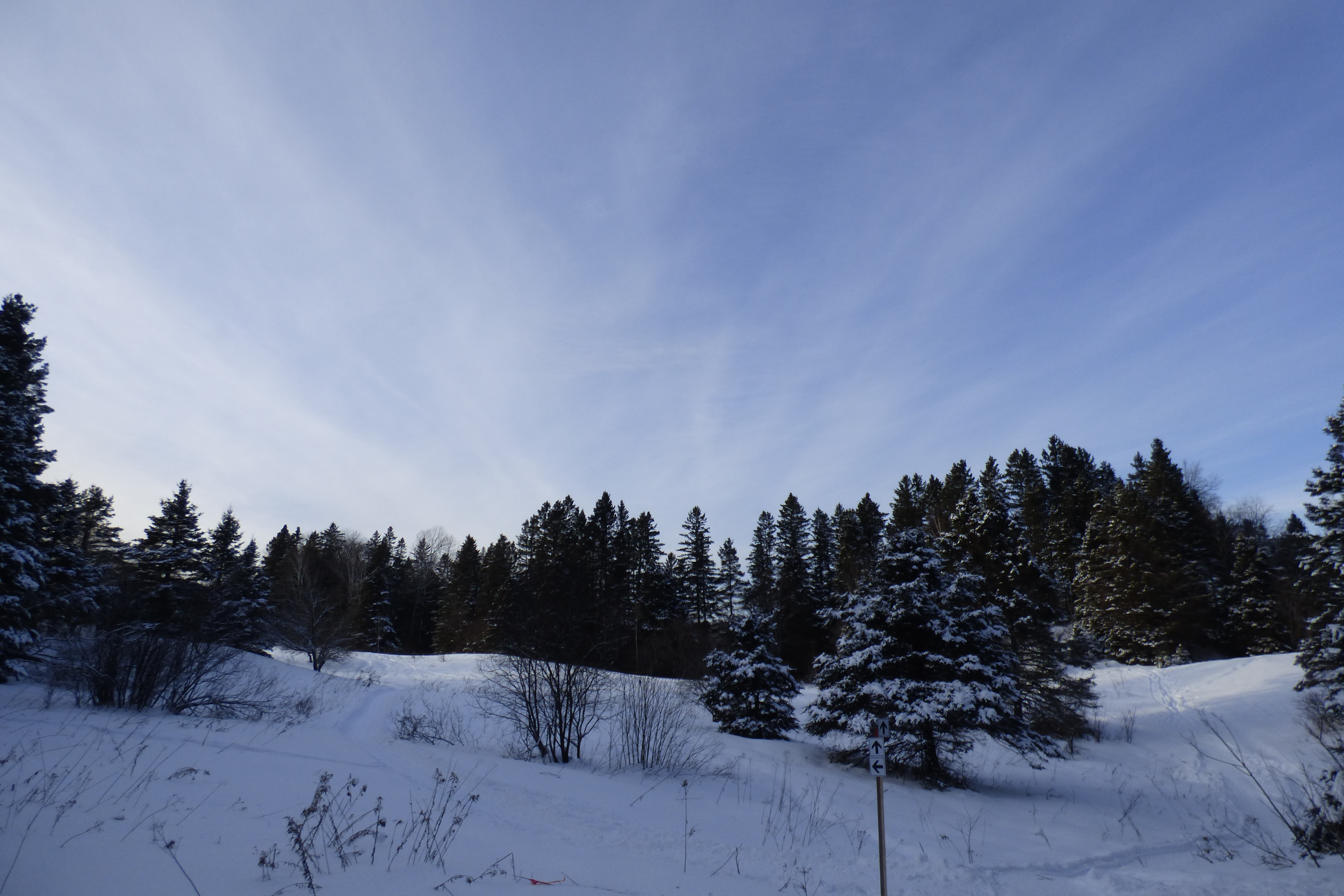
This time of year is always reflective for me. The autumn season begins the turning inwards of my thoughts, and as the nights draw in, the leaves fall and the winds of change come in bringing the storms. My energy moves from projecting out into the world, to pulling inwards. It’s a cycle of extrovert and introvert, though I must admit that I am a functioning introvert all of the time. When the leaves have all fallen, and the winter rains and dark days lie ahead, I think of home, of family and friends, of warmth and companionship even as I dream of long walks, snowshoe hikes, and cross-country skiing out in the silent wilderness of the boreal forest.

It’s a time when I take stock of my achievements for the year. This year has been exceptional, in that I have completed three books! The first is the follow-up to The Path of the Hedge Witch, my non-fiction work for Llewellyn. The Old Ways: A Hedge Witch’s Guide to Living a Magickal Life will be available next year in the UK, on the 8 March 2025 for Kindle and 8 April for the paperback. (Don’t ask me why the paperback takes a month longer, I have no idea. I’m guessing shipments from the US to UK Amazon stores are involved?)

The second and third books finished this year begin my new fiction series, Witches of the New Forest. The first two books, Hedge Witch and The Veil Between the Worlds, form two thirds of the trilogy set around the main character, Hunter Williams, as she begins on her path of Hedge Witchcraft. With Druids, otherworldly characters, a magickal community and more, it’s a really fun environment to spend my days in, and I love it. Returning to fiction feels like coming home. (Other books in the series are planned, from different characters’ perspectives.)

I’ve always been a writer. From the age of twelve or thirteen, I’ve been writing stories. Ever since I finished reading Lord of the Rings, I knew that I wanted to write books set in a beautiful fantasy world where myth and magick meet.

Having been so productive this year has, however, caused a little burnout. I’m tired. I need some time away from my computer and my desk, away from social media, away from anything digital. I long to spend hours in the woods where I grew up, smelling the snow and the cedars, watching the chickadees and the wild turkeys coming into garden. I want to reconnect not only with the natural world, but also with my own sense of self. What I am craving most, is peace.

Which is funny, considering how crazy the first few weeks are going to be back home, shopping for presents, organising and attending the family parties, New Year’s celebrations and more. But it’s home, and it’s where I decompress, busy though it might appear. My heart just instantly relaxes, my body gives a sigh of relief and my lungs are filled with the crisp, cold air. There’s even an extra hour of daylight, not to mention days where the sun actually shines!

But peace is something that I’ve always sought after in my life. Little spaces of sanctuary. I have always created these spaces no matter where I was in the world, because I needed that in order to function on any sort of level. My homes have never been just houses, flats or apartments. They’ve been havens from the world outside, where I can let down my own walls and just be.

It’s a strange thing to think about, this need for peace. I look outside the window as I type, and I see collared doves in the beech tree. Are they at peace in this moment? They certainly don’t have to worry about promoting their work, keeping an eye on their sales, updating their social media or paying the bills. But they do have to survive in a difficult climate. Do they worry? About different things? Or are they at peace with what life had dealt them, and they’re just getting on with it?

I’ve studied a lot of Zen Buddhism in my time. That’s all about ways to find peace, by giving up searching for peace. There are so many paths to peace in this world. Maybe you could leave a comment on this post, sharing your path to peace? I’d love to hear about it.

Giving up the need for peace, as most Zen Buddhists would say, brings about peace. It’s the need that is the driving force in our own dissatisfaction. When we realise that we can have peace anywhere, at any time, simply by letting go of our need for peace, it can be like a ton of bricks has fallen from our shoulders. It’s so simple. And yet, so difficult to maintain. It can makes sense for five to ten seconds, before something else demands our attention. And our need for peace returns with a vengeance.

With so many external factors creating our personal circumstances, it can be very hard to see how we can let go of that need for peace in our lives, because people bring problems. Life is hard. We have no control over anything. For many Buddhists, simple acceptance of the circumstances is what brings peace. I’m not quite there yet all the time, but I can understand the mechanics behind the concept and try to remember it as much as I can throughout my day.

During the winter holidays, peace is such a central theme. Scenes of snowy landscapes evoke a feeling of peace and stillness on holiday cards. Snow is wonderful. It muffles sound, and covers all the sharp edges of the world, leaving behind sparkly magic in both sunlight and moonlight. Like a weighted blanket for the world, it holds us, frozen in a moment of time, to offer us peace.

Other simple things can bring us peace. The lighting of a candle, the recitation of a heartfelt prayer of thanks, the cooking of a meal, snuggling into a warm bed. Many things we often overlook can bring us peace. It is true: mindfulness does bring peace.

In a world full of lies, deception, insane politics, war and other atrocities, it can seem impossible to find peace. If you live in a country where people with guns are roaming the streets, if you live in dread of air raids or drones dropping bombs on your home, if you don’t have enough food for your cat, let alone yourself, finding peace is not only difficult, but damn-near impossible. When we are just fighting to survive, we are not at peace.

But I am guessing that the majority of you who are reading this blog do not live in these sorts of circumstances. We live in a mainly moral society, where the rule-breakers often get punished for breaking the social contracts and the laws that we have created through a democratic process of electing those to speak for us. In these worlds, we face other issues. We have the time to reflect on morals, on ethics, on philosophical ideas of all kinds. We can even create strange, perverse worlds where we find ourselves in moral competition with each other. “You’re not angry enough about this,” or “by not speaking up about it, you have failed society,” and other concepts often pop up on the socials, where everyone is judging everyone else, and everyone is found lacking.

It’s no wonder we can’t find peace.

Morality isn’t a competition.

But I digress.

For me, it’s in the small moments and in the small things where I find my peace. Having a moment to watch the sun set in the winter skies, with the golds and peaches highlighting the blues, pinks and purples. Stroking a purring cat curled up on a sunbeam on the bed. Eating a meal with my family. Sitting at my altar, honouring the deities, the spirits of place, and more. The big accomplishments are nice, and they are rewarding in different ways. But the culmination of all the small things is what really brings me peace. It’s not in what I do, but almost in what I don’t do. When I stop ‘doing’ and simply ‘be’, that’s where peace is found. It’s that liminal space, where there is no ‘I’ or ‘You’, but only ‘Us, Together’.

And so, I end this ‘end of year blog’ with an Irish blessing that’s often in my thoughts at this time of year.

Deep Peace to You

Deep peace of the running wave to you.
Deep peace of the flowing air to you.
Deep peace of the quiet earth to you.
Deep peace of the shining stars to you.
New video: 5 Minute Mindfulness Meditation

How to perform a simple 5-minute mindfulness meditation 🙂

Zen and the Cello

The world-famous cellist, Pablo Casals, was once asked why he practiced eight hours a day, considering his already incredible skills. His reply? “Because I think I’m beginning to make some progress.”

In meditation, these are words to live by. No matter how many hours, days, weeks or years we’ve spent meditating, each and every day is brand new, with different situations affecting our mind. Just going to sit down and do some zazen (sitting meditation) every day, even if it’s only for ten minutes, is a great act of courage.

Why courage? Because you are taking the time to dedicate to your own mental health, and through helping yourself you are better able to help the world. And it takes courage to help the world, alongside resilience and inner strength.

Every time we sit down to meditate, we are performing an act of devotion. We are devoting ourselves to our practice, and in this case, practice does not make perfect; it makes for continual practice. There is no permanency in life; nothing is the same as it was a moment ago. Everything is in constant change, and sometimes those changes are too miniscule for us to see with our eyes. But it is still there, flowing, changing, moving in a world of impermanence. Even the insight that you may gain while sitting down in meditation is impermanent.

It may come as a flash, that brief moment of enlightenment. But then it’s gone, and we are left to carry that tiny insight with us into the rest of our lives, to help us learn and cultivate new insights. That moment where we realise that all is one, that we are all connected, where our ego drops away and we know; that moment of insight is impermanent, like everything else. You will not forever be at peace once you have gained this insight, nor will you become some enlightened being. What that flash of insight brings is more practice, so that you can understand and cultivate that awareness more and more into your daily life. Practice makes practice.

We might like to think that once we have gained some insight, that we have had some sort of “awakening”. But here’s the thing: when we go to sleep every night we still awaken every morning. We don’t just wake up once and have done with it. We constantly need to go through the cycle of sleep and wakefulness. It is so with our minds as well.

Someone who thinks that they are enlightened, that they know all that they need to know, is perhaps one of the most ignorant people on this planet. I’ve been there. We all have, at some point or other. And then we wake up and realise that it is a continuous process of awakening to our lives and to the world. We learn, we grow, we change each and every day. Sometimes we regress, sometimes we progress, but it is still work of some kind.

I like to think that with age, I have developed some sense of being no more than who I am in the moment, right now, and that’s enough. And as soon as I have that moment, it’s gone, and I’ve changed, we’ve all changed. There is nothing special about gaining this information or insight. It’s just me, it’s just you, it’s just how things are right now at this point in time. And that’s all that we can do. As Martin Luther said, “Here I stand. I can do no other.”

Except maybe to practice the cello.

For more on Zen and especially in relation to Druidry, see my book: Zen for Druids.

A Pure Moment

Have you ever had a pure moment? A moment when there is nothing to worry about, no future, no past, just this present moment, now?

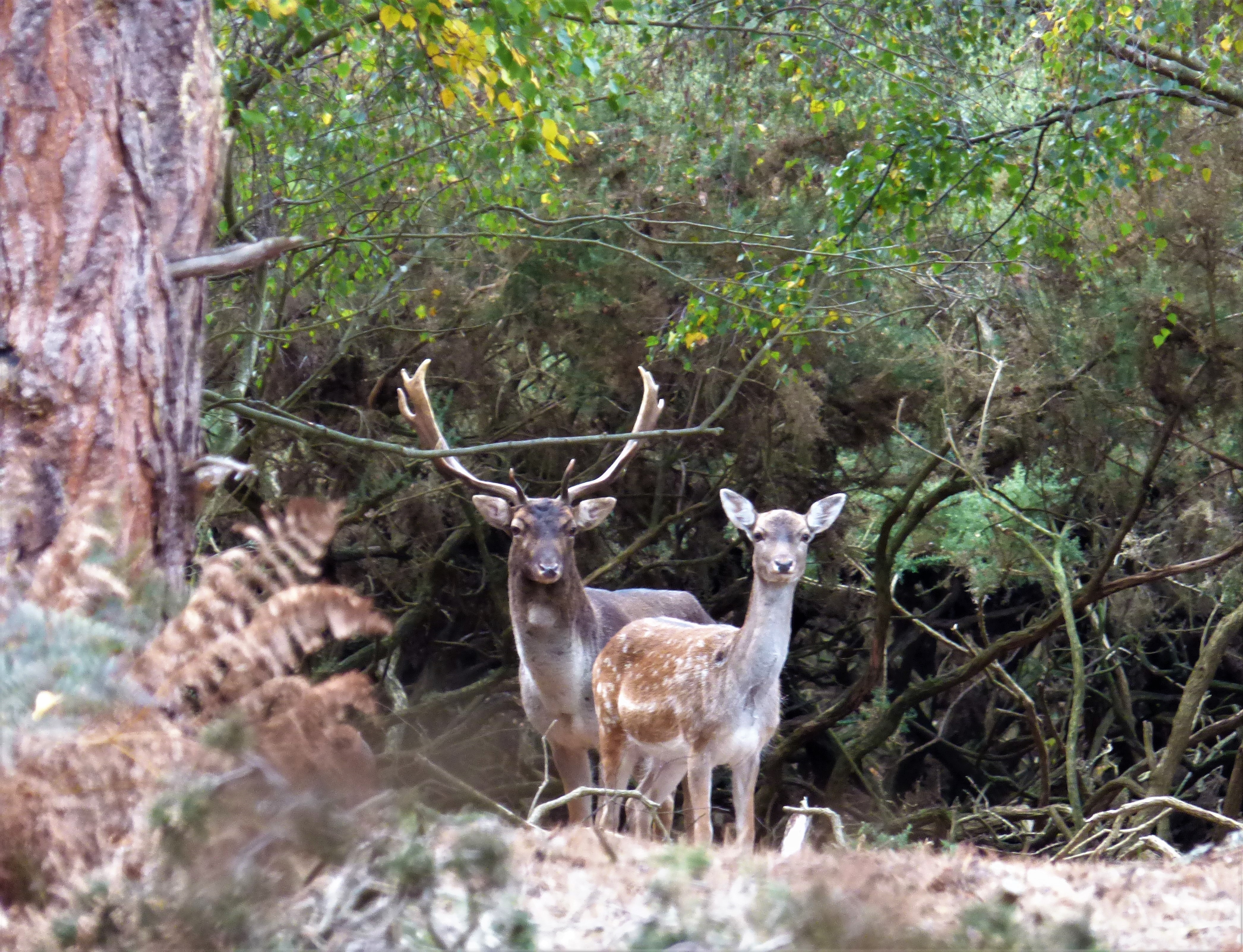
These past two weeks, I’ve had many of the beautiful moments, out on the heath with the deer. Making the effort, despite the rain, the mud, the cold wind and mist that gets into your bones has paid off in an abundance of these moments. It takes a while, sometimes, for them to happen, as you walk and think and think and walk and lose yourself in your turbulent mind. But then you spot a deer, or the sunlight on a mushroom, or a leaf twirling on a spider’s strand, and suddenly it all stops. You stop. You are caught in the moment, where all thoughts have ceased and you are just held by the beauty of the present moment.

It’s important to have these moments. For they are the reset button of the soul. When I gaze into the eyes of a doe, or a stag, the world falls away and all that matters is right now, this very moment. My troubles are later put into perspective, when thought returns. My body pauses, utterly motionless, in an otherworldly rest. My soul opens, and a true connection is made with the world, without thought, without bias, without prejudice.

No matter where you are, you can have these moments. Watching the sun move across a wall, or the shadows of a tree branch in the moonlight. Standing in the night breeze, listening to the sounds in the darkness all around you. Smelling the scent of woodsmoke on a country road, or hearing the song of a robin in the bush next to you. Stop, and take this moment, a pure moment. Reset your soul. And gaze into the eyes of the universe.

Working with Anger, Working with Community

An article by Sophie Dòbhran and Joanna van der Hoeven

As Druids, as Pagans, and also in the role of priestess it can sometimes become really hard to stay connected with people who are cultivating rage and anger towards an event that creates a painful gap between what they wish and what is happening. One reason might be that they seem so shocked towards the event, as if they had just realized that such things are possible in our world. The first surge of anger is necessary, in order to provide a little release from the pain and suffering of the first wounding, but then we keep wounding ourselves again and again by cultivating the anger. And in doing so through our connection with others, we cultivate misery and pain together and nurture our being entitled to it.

Is it in how we resist a situation, and in doing so how we are ourselves nurturing the rage and anger and blind suffering that we so loudly condemn?

Even more troubling, is that it seems that the journey stops there: misery seeks misery, people suffer together then turn the page and go back to watching violent forms of entertainment on television and in the movie theatres but all that’s acceptable in our society. Until the next shocking thing happens. It’s like awakening sporadically is so painful and shocking that it doesn’t stick.

It is so difficult to feel the anger properly, and then to let it go. Anger perpetuates more anger, more suffering, and more pain.

Sometimes we need anger to begin a new motivation, a new revolution. However, a revolt that is perpetually based in anger turns into the riots in the streets of London a few years back, where innocent people were hurt, shops destroyed and more. That sort of anger doesn’t produce any results other than more suffering. Yet the anger that the women of the suffragette movement felt turned into courageous and defiant acts against the establishment that won women the vote, and more rights to come.

We could look at it as differentiating between holding the anger as motivation, or holding the anger as instigation. The preferable way would be the former, and then with a level-head find the solution after gone through the initial suffering. But there is a boiling anger in society that’s continuously being repressed, both here in the UK and in the USA, which will eventually explode if nothing is done about it, if there isn’t an outlet for it. Peaceful demonstrations seem to have little effect anymore on the establishment, and the media can just block it out as if it never happened. So, there’s the anger there, and it’s not going away soon…

Perhaps it has to do with the general isolation that has taken place, people being so disconnected from each other, and from Nature. We are no longer used to being mindful, to listen to silence. We are addicted to all kinds of fake relationships, superficial activities, superficial foods, and so on.

We need to remember that it’s all energy; sometimes the energy of anger isn’t appropriate. And when it’s no longer appropriate, when it becomes harmful instead of leading us out of apathy, for instance, then we need to repurpose that energy into something useful.

“Useful” is something each person must define for themselves, for each situation is unique. In order to do that, we need to step back from the situation and get perspective in order to discern just action. Anger, like a barking dog, can alert us that our boundaries have been crossed. But are we going to let the dog address this situation for us? How about when we cultivate anger together and become a pack of barking dogs?

Perspective needs distance and silence to produce clarity. No one can understand just why we are so angry better than we do. What follows is compassion. Compassion is not always soft and gentle. Sometimes, compassion means strengthening boundaries or raising one’s voice to be heard. Compassion means observing the situation with distance and clarity in order to discern the best path of action inherent to it.

It’s easy to be angry and feel desperate, lost and confused. Or to think that a public demonstration will change things, because we are now used to getting immediate satisfaction all the time. And yet if we truly pay attention, we realize that we can truly cultivate the change we want to see in the world. On a much smaller scale, maybe, but it is real and it is tangible, and it is satisfying.

Given that we are already what we condemn, we never have to look very far to create mindful actions that reverse that negative flow. It doesn’t change the world or impact politicians, but it changes our world, from our nemeton to another’s nemeton. Aren’t our nemetons microcosms?

Druidry is a religion based on locality first and foremost, and so, when we are upset or angry, it’s our immediate locality that bears the brunt of it. Our immediate locality is also the thing that we can affect most in our lives. When we’re angry at the government or our employers, we can do what we can to be heard: writing letters, signing petitions, talking and organizing unions, etc. But we have no control over what happens after that.

However, in our own environment, in our own bodies and for the most part, in our own houses and land we do have some control, and these are the areas that we can affect to effect change. Only we can change ourselves. We can think and act locally first and foremost, instead of the usual “think globally, act locally” because our range of influence is not all-encompassing. We can think all we want (and post all we want on social media), but that does not effect change. If we bring it down into bitesize chunks that we can handle, then we’re able to really do the work that needs doing.

So, we work in our area, to clear litter, to do ritual work, to contact the Fair Folk, to work with the ancestors and the spirits of place because that is where we live, because that is where we get our nourishment and sustenance. It is also useful to become members of their parish council, or join other committees in the community. That way, we have a real vote on planning applications and housing developments, environmental and health issues and more. In doing so, our environment affects us and we affect it. Then, like little ripples from a pond, that changed and charged energy can spread out. We create an effect in the world.

Think of your locality, think of your tribe. When your tribe is strong, let that energy permeate the rest of the world. This is not to say that we must become insular, separatist and isolated, but more as a ways and means of really affecting change in our own worlds. Become aware of the energy of anger, and how it is being used. Take care of your community, of your locality, and be conscious of the choices you are making and the reasons behind those choices. When we are conscious of our behaviour, we work with right action, and our work will benefit in a holistic pattern that emanates from a strong and true core of personal sovereignty.

Sophie Dòbhran was born in Quebec and lives in a farmhouse on a small island near Quebec city with her husband, her son, two cats and a dog. She studied under Swami Premananda Saraswati for a certification in Hatha yoga and also studied with the Order of Bards, Ovates and Druids. She joined the Sisterhood of Avalon in 2014 and has been actively cultivating an avalonian spiritual practice since. She facilitates Red Tents once a month, as well as druidic rituals and an SOA learning circle in her community. To find out more, visit her website at http://www.ileauxpommes.wordpress.com.  

Joanna van der Hoeven is a Druid, Witch and a best-selling author. She has been working in Pagan traditions for over 20 years and is also a member of the Sisterhood of Avalon. She is the Director of Druid College UK, helping to re-weave the connection to the land and teaching a modern interpretation of the ancient Celtic religion. To find out more, please visit http://www.joannavanderhoeven.com

Make Tea

She lit the candles and incense, and sat down upon the cushions. Breathing deeply, she inhaled the fragrant scent, and allowed her gaze to wander over the items on the altar. She tried to focus, her gaze finally resting upon the image of Brighid, and the flame that the goddess held in her hands. As the darkness fell, both within and without, both figuratively and literally, she focused on the flame being offered. She took it within her heart, and for a brief moment it flickered, then died out as the darkness consumed it in a deep blanket of despair.

Breathe.

She focused once again on the image, this time on the watery vesica pisces symbol. Yet her mind would not focus, her thoughts filled with grief and anger, darkness and despair. She breathed through them, trying to remain in the present moment. But the darkness was overwhelming, and as she floundered, she cried out: “Help!”

The voice of the goddess spoke softly in her mind. “Make tea.”

She sat for a moment longer, determined to spend at least ten minutes at her altar. At last, she gave up and blew out the candles, allowing the incense to burn itself out. Make tea, the goddess had said. Alright. Let’s make some tea.

She went downstairs and put the kettle on. Let’s make tea, she said to herself. Mindfully. She prepared the small teapot with herbs known to lift the darkness and soothe the nerves: St John’s wort and skullcap. She also added some lemon balm, to ease tension and also for flavour. She inhaled the scent of the dried herbs, and mixed them together before placing them in the teapot. She looked out the window in the light of the setting sun, a small muntjac deer feeding alongside a magpie underneath the bird feeder.

She placed on a tray the teapot, strainer and saucer, as well as a small handmade earthenware cup. She brought these to the table, and laid them down with her full attention. The kettle had boiled, and she carefully filled her small iron kettle with the water, feeling the steam against her skin. She brought the iron kettle to the table, and placed it on a heat-proof mat. She sat down, her mind still battling the darkness around the edges, her thoughts seemingly not her own. She knew her hormones were swirling in a dance similar to that which she had experienced at adolescence, though now she was at the other end of the brilliant spectrum. She had to take care of herself, of her body as well as her mind.

She opened up the teapot and breathed. Mindfully, she took the iron kettle and filled the teapot with water, replacing the kettle with equal attention. She inhaled the scent of the herbs, and replaced the teapot lid. No other thoughts entered her mind, just these simple, small actions. Working with mindfulness, working with full attention to her actions, there was only the present moment.

She sat back and waited for the tea to brew. Slowly, she felt the darkness returning, crowding at her mind. Despair at the state of the world, at the constant struggle she faced with work, with others who could not do the simplest of tasks, with expectations from both strangers and friends, knowing that if she didn’t do something, no one would – stop. Breathe. Focus. Three minutes stretched to an eternity as the brew steeped in the teapot.

She took a deep breath, and the darkness receded an inch. She picked up the teapot, and concentrated on pouring the tea through the strainer into the small bowl. She kept up her concentration on her breath and on the pouring, and it filled her entire being. Nothing else mattered in that moment. Just pouring tea.

She put down the teapot and picked up the cup. The scent of the herbs brought back memories of a wonderful little shop called StarChild in Glastonbury. She allowed the brief memory to flicker, and then she refocused her attention on the cup in her hands. The heat radiated through the bowl, and she had to pick it up carefully, her fingers near the cooler end of the rim. Quietly, she took the first slurp, allowing the air to cool the hot water before it reached her tongue. She concentrated on nothing but drinking the tea, sitting alone in the dining room, with night falling outside.

She drank the first cup, and then brewed another in the teapot. She kept her mind focused on the present, acknowledging past wounds but not allowing them to flavour the present moment. She had worked hard to name them and transform them, and was working on it still. Three minutes again slipped past, and outside her dining room window she saw the Christmas lights from the house across the street go on.

She poured herself another cup, and drank it mindfully. A third cup was brewed and drunk, and when she finished she sat back and bowed to her tea set. She felt a little better, the darkness within relenting, though not wholly gone. She acknowledged and allowed the herbs to do their work on her body and her mind. With equally careful attention, she rinsed the kettle and washed the teapot, bowl and strainer, and then went upstairs with a lighter heart, to Skype with her mother and find even more comfort and peace, there in the moment, utterly in the moment.

Letting Go: Beware the Children of Anger

Letting go is truly a difficult thing to do, and yet seems so simple. Human beings, with their human consciousness, are just not that simple.

I’ve written before on how letting go is a process we have to repeat over and over again; it’s not a one-time event. We have to continually make the choice to let go, in order to truly live our lives in the present moment, in the here and now, emotionally responsible for ourselves and finding an ethically sound way of being in the world. I haven’t discussed the finer process of letting go, however, in any great detail and here are a few words from my own experience.

People are going to hurt us in one way or another, based upon expectations, behaviour, upbringing, environment and a whole host of factors that we simply have no control over. Our response to this is what is most important: our response-ability. When we have the ability to respond in a thoughtful, compassionate way then we are truly working to be a part of the world, a weave of the web that strengthens the whole.

Yet it is so hard to be compassionate when people deliberately hurt us, and sometimes even when it’s not deliberate but perhaps uncontrolled aggression from their past experience, current physical pain or more. But the ability to understand that there are more factors involved in any given situation that you are simply unable to perceive is at the heart of compassion. Compassion is a willingness to understand.

People have hurt me in the past, willingly and unwillingly. Colleagues and co-workers, lovers, strangers; there is no telling where the next experience will come from. However, noticing the stages that we go through when we are being hurt can help us on the path to letting go with an awareness that will allow us to not slip into the easy patterns of denial, whether that is of our own behaviour or that of others.

When we are hurt, usually our first response is anger. For most people, anger is something that time heals, though the length of time is relative to the person and their situation. Anger isn’t the most difficult thing to move through, as we can recognise anger much more easily than its children: pity being one of them. Often when we move through anger towards pity, we don’t know that we are still dealing with anger, with an abstract notion of the other person. Pity does not have empathy. Pity does not have anything to do with compasssion. Pity is the result of dualistic thinking, of an Us and Them mentality. We pity someone because we are separate from them. Pity is so often tinged with bitterness and anger that they are almost inseparable. When we have finished being angry with someone, we move on towards pitying them, in a passive/aggressive way of still attacking them. Pity the poor fool.

When we bypass pity through working around our anger, we find empathy instead, which holds no judgement of the individual.

Sometimes pity is replaced with its older sibling: contempt. We have been a victim of someone’s abuse, and though we realise we are no longer going to take their crap, we hold them in high contempt for putting us through that. They may have spent months trying to hurt us in various ways; we are so over that now and could they just get in with their own lives, please? So trapped in their little world, so lost…

Contempt is just as easy a trap to fall into as pity. Again, contempt has absolutely no compassion, no element of trying to understand involved in its process; it seeks only to make us feel better about ourselves. In the web of existence, we can’t just work on ourselves: we have to work on the whole.

We don’t have to stick around for further abuse, but we do have to be on our guard for feelings such as pity and contempt to flag up the fact that we haven’t actually moved on, we haven’t let go of our anger, we’ve only put a new hat on it and deceived ourselves with its shiny new appearance. When we find ourselves dancing with the feelings of contempt or pity, we can stop, untangle ourselves, bow and walk away, breathing into the wild winds of change. We know that we can choose our dance partners, and in that choosing find glorious freedom and self-expression. We know that we are part of an eco-system, part of a whole, where every part is acknowledged and sacred. The flows of the gods of humanity that we choose to dance with, however, it entirely up to us.

The Stillness Within Out Now!

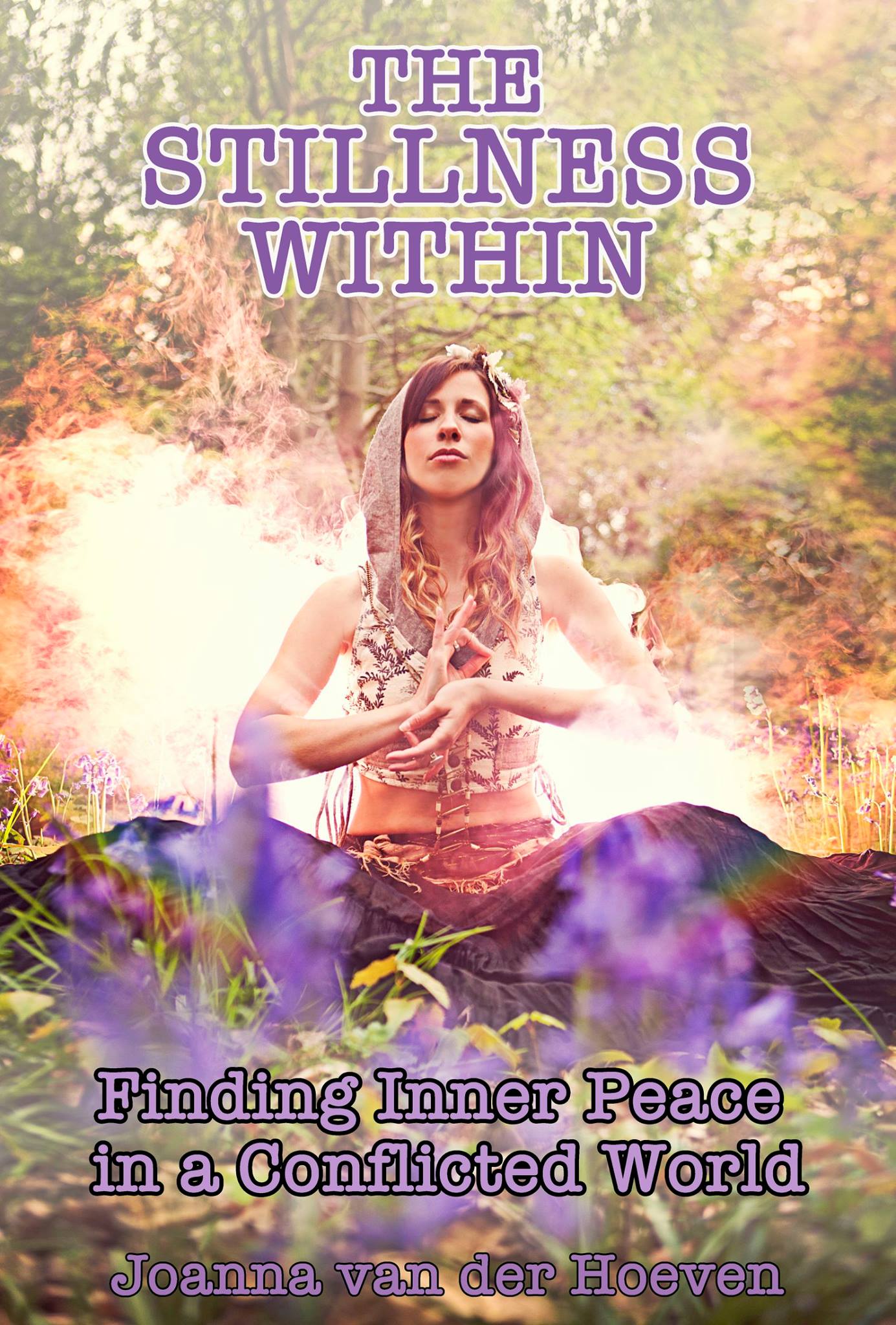
Cover 1My latest book, The Stillness Within: Finding Inner Peace in a Conflicted World is out now! It’s a little collection of writings from late 2014 to mid 2015 on how to deal with people, situations, and life in general when it all just gets messy, complicated, hurtful, stressed and more. Based on writings from this blog, they’re all collated into one little book, the proceeds of which are all going to charity: The Woodland Trust and Orangutan Appeal UK.

Available worldwide for Kindle only. Hope you enjoy it!

Sitting still – the joy, the suffering, transformation and impermanence

Working on my online course for Zen Druidry and putting into words a deeper exploration of Zen Buddhist concepts with Druid philosophy and way of life has opened my eyes even more to the wonder that is life, the suffering and the joy that we create and the freedom in distinguishing between the functional ego and the representational ego that causes so much unnecessary difficulty in our lives.

I think meditation is the key to unlocking these concepts, for by stilling the body we can still the mind enough to see clearly, to ponder concepts such as the Four Noble Truths and the Eightfold Path in a Druid context with a deeper insight as a result of simply being quiet and mindful. I sit in meditation for 30 – 40 minutes a day, with a large chunk of that time being spent simply being present in the moment, in all its pain and glory, up and downs, its successes and difficulties. It’s a simple thing to do, but can be quite difficult to do when we begin to realise just how our minds work, and how hard it is to let them be, to not get attached to thoughts and feelings and simply be the observer of the mind’s functioning. We love to judge, we love to recreate scenarios, we love to think, think, think about everything to the point where we leave our bodies behind. At the other extreme we run our bodies into the ground and by doing so, without stilling them for any amount of time our minds become as frazzled as our nerves and we cannot find any sense of peace.

Sitting in silence, we can feel extreme joy even as we can feel extreme pain. Our attachment to either is what causes us suffering. When we attach to joy, we want to feel it over and over again, and crave it, striving for it with all our being, sometimes living lost in the future anticipation of that joy, or lost in the past of when we had it in our lives. Our attachment to pain causes us to suffer further, again becoming lost in the future with thoughts of “when will this pain every end?” or lost in the past “this is the cause of my pain, if only…”; when we drop our attachment and simply be in the present moment, we can take care of our thoughts and our emotions with great skill, thereby being compassionate to ourselves.

When we sit with either joyful or painful feelings, when we observe them without judging them or anyone else, when we simply see them as a part of life, as an emotion, we can also begin to understand their impermanence. Buddhism talks a lot about the impermanence of everything, and this is reflected in the Druid tradition of honouring the ever-changing cycles of life. We look at a river and see that it is never the same river twice, but constantly flowing, moving downwards to the sea, being filled with rain and experiencing a cycle of existence that has no single, unchangeable part. When we see concepts of birth and death both within a Druid and Buddhist perspective, we realise that there is no such thing as a beginning or ending that is so often tied to these concepts. They are simply events in our lives that all things experience. My view is that we are all a part of nature’s soul, that everything that exists is nature undergoes changes in form through transformation, energy being patterned by conditions and environment in an endless cycle. When we see life in such a context, we see that joy and suffering are also impermanent, and we are able to sit and be with them, to take them by the hand and allow ourselves to experience them without getting caught up in their form, for we know that they are transitory, as are we.

In the quiet and stillness we are able to gain a greater perspective of the whole, rather than the chattering monologue that runs through our minds for the majority of our lives. To step outside of our minds is a great liberation. To see the interconnectedness of all things dissolves the separate ego, instead allowing us a deep realisation of the weave of each form in the tapestry of life. We understand and acknowledge the functional ego that allows us to be in this world, while letting go of the representational ego that strives for and causes separation through the illusion of an Us and Them mindset. We’re all in this together.

In the Ten Ox-herding Pictures (or The Ten Bulls)  we see the final part as being able to work in the world without that separate sense of self. I think this is very important for Druidry and for all Paganism, for if we stop at the realisation of self we are at risk of self-importance. It is necessary to find out who we are, and then to work on letting that go as we realise that self is part of another system, which is part of another system, and so on throughout the universe. Rafting the currents of human emotion become so much easier when we lose the idea of a separate self, for not only are we not hurt by others as much and are able to feel compassion to create a more harmonious and peaceful existence, but we also become a part of the flow of that current. We find that with time our meditation and contemplation allows us to let go of the raft and simply become the river, thereby not having to fight it anymore, or fight to keep our seat as we hurtle through obstacles on our journey to the sea.

It’s our choice, however, to do the work necessary in order to achieve this sense of wholeness and peace, for no one can do it for us.

For a look into how Druidry can be related to the Ten Ox-herding pictures, see my post HERE.

Boundless

Yesterday I was able to catch up with two friends from high school – we three haven’t been together for around 13 years. Having friends that you can talk to, about absolutely anything, and know that they’re really listening, that they’re there for you, that they love you no matter what distance lies between you or how much time has passed is one of life’s greatest blessings. I am so utterly blessed in that I have made some truly wonderful and remarkable friends both where I grew up in Canada and where I have lived for the past 18 years in the UK.

Today I am also helping my Mom host a huge family reunion BBQ in our backyard. We have nearly 40 people coming, some family members I haven’t seen for twenty years, cousins I used to babysit who now have children of their own. We’ve always had a close family, spending every weekend at the grandparents’ when we were little, all the cousins playing while the aunts and uncles talked about grown-up things with my Oma and Opa. It’s so amazing that we’re all still able to get together, to laugh and to celebrate simply being alive on this gorgeous autumnal day. I’m sure my Oma and Opa would have loved to have seen everyone together again, and I shall be having a glass of punch for both of them who live on inside me, looking out through my eyes and the eyes and hearts of the rest of the family in this beautiful part of the world.

A loving family is a real treasure. Good friends are a true blessing. Never take these for granted. Breathe, smile, and be in the moment. Be present for them, and take them deep into your heart. Love and joy are boundless, and like the soul cannot be contained within the body. The soul is the container for the body, not the other way around, and the soul expands outwards as far as the horizon can see.

Today, my soul is flying high in the clearest of blue skies, riding autumnal breezes, smiling from my heart and enjoying my Mom’s delicious punch.

May your soul be free as well. x