
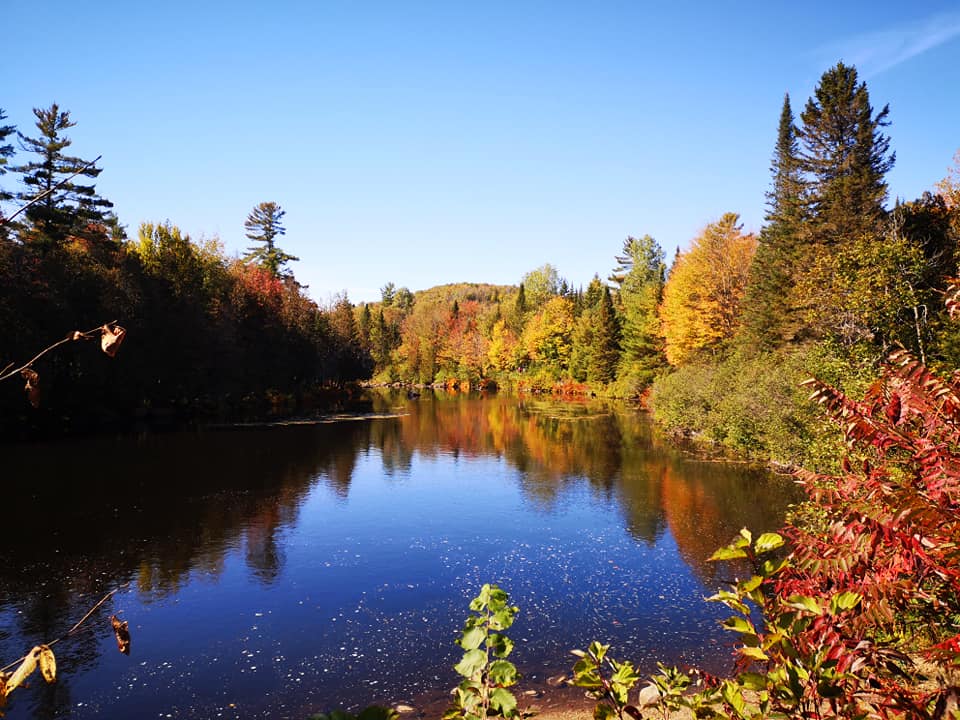
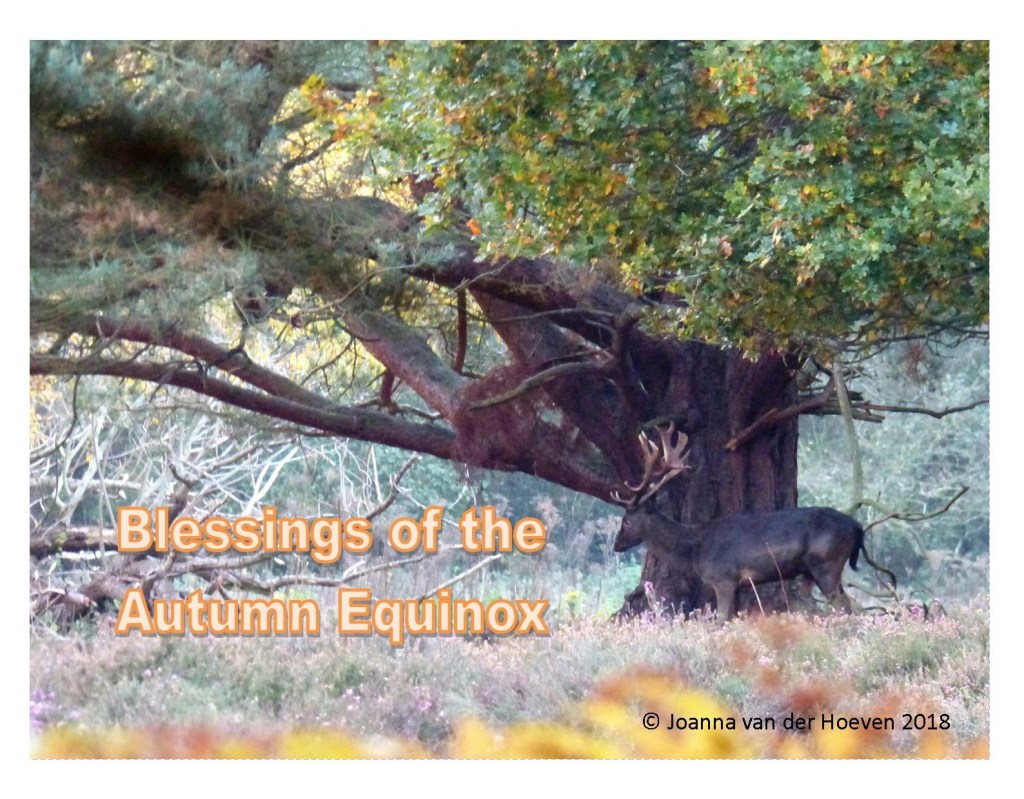
The Autumn Equinox is a brief moment in time where we are poised on the knife’s edge, about to tumble from summer into winter. It is a liminal time, where the transition from the long summer days to the long winter nights is keenly felt. The winds blow differently and stronger, the evenings are creeping in, the sun is not as high in the sky and offers a golden slant in the afternoons. The leaves are changing, the green is melting into golds and the riotous season of growth has ended. The deer have shed the velvet from their antlers and are fattening up, preparing for the rut. Acorns begin to ripen and fall from the oaks; beech nuts and hazelnuts too. Jays and squirrels are caching their nuts and badgers delight in the longer shadows and plentiful food.
For us humans, it is also a time of harvest. The apples are ripe and ready, the potatoes and onions form the second harvest after the cereal crops were gathered in August. Tractors rumble through the tiny village streets with loaded wagons full of produce, taking them to large storehouses or shipping trucks to dispense throughout the country. It is a busy time, with lots of dust in the air and the moon and sun often rising red in the lower atmosphere.
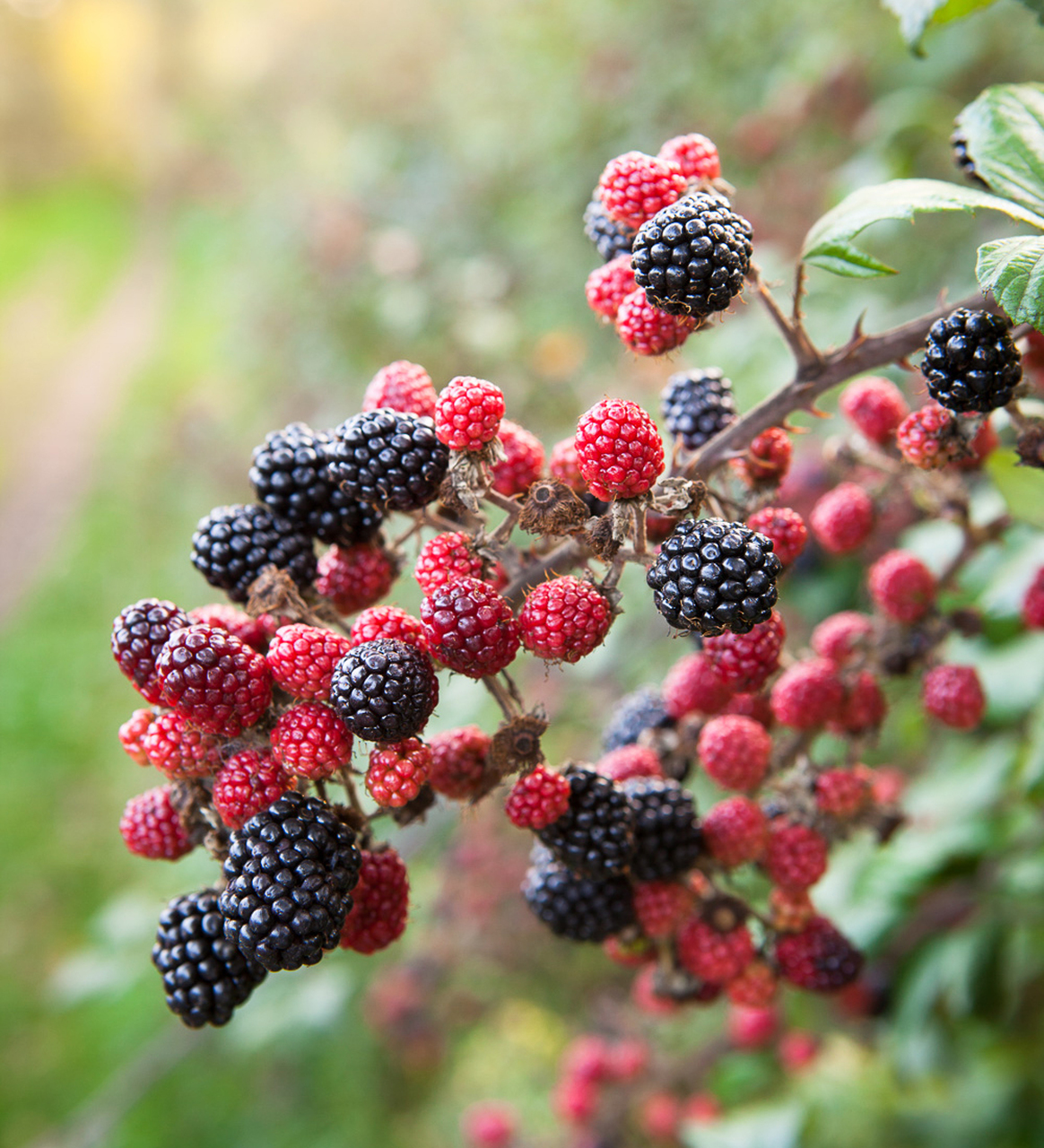
In an age when we can get almost any fruit and veg from a large superstore at any time of year, the importance of harvest is often lost to many. Why celebrate a harvest festival when we have supermarkets on our doorsteps? What need do we have to honour this important time of our ancestors? We live in the here and now, some may say. But all the food that is available in the supermarkets and stores comes from somewhere, from a place that had to work with the elements and seasons in order to grow the food, to take in the energy of that land to produce something that will sustain us. This is what is important, and why it is also important to remember this time for our ancestors of the not so distant past. It has only been in the last twenty or thirty years that all sorts of produce has become readily available throughout the year. When we forget the hardships of our ancestors, we forget a large part of their stories and where we came from, taking for granted many of the liberties that we live with today.
There’s a joy to be found in remembrance. There is also a joy in the turning of the seasons, from the light to the dark, from the harvest to the hunt, from summer to winter. Celebrating these turning points helps us to keep moving with the flow instead of getting stuck wishing that it was still summer. We allow the energy of the season to move freely through out bodies, as we should in any earth-based religion or spirituality. Nothing stays the same, and acceptance of that is perhaps the greatest gift that we can give to ourselves.
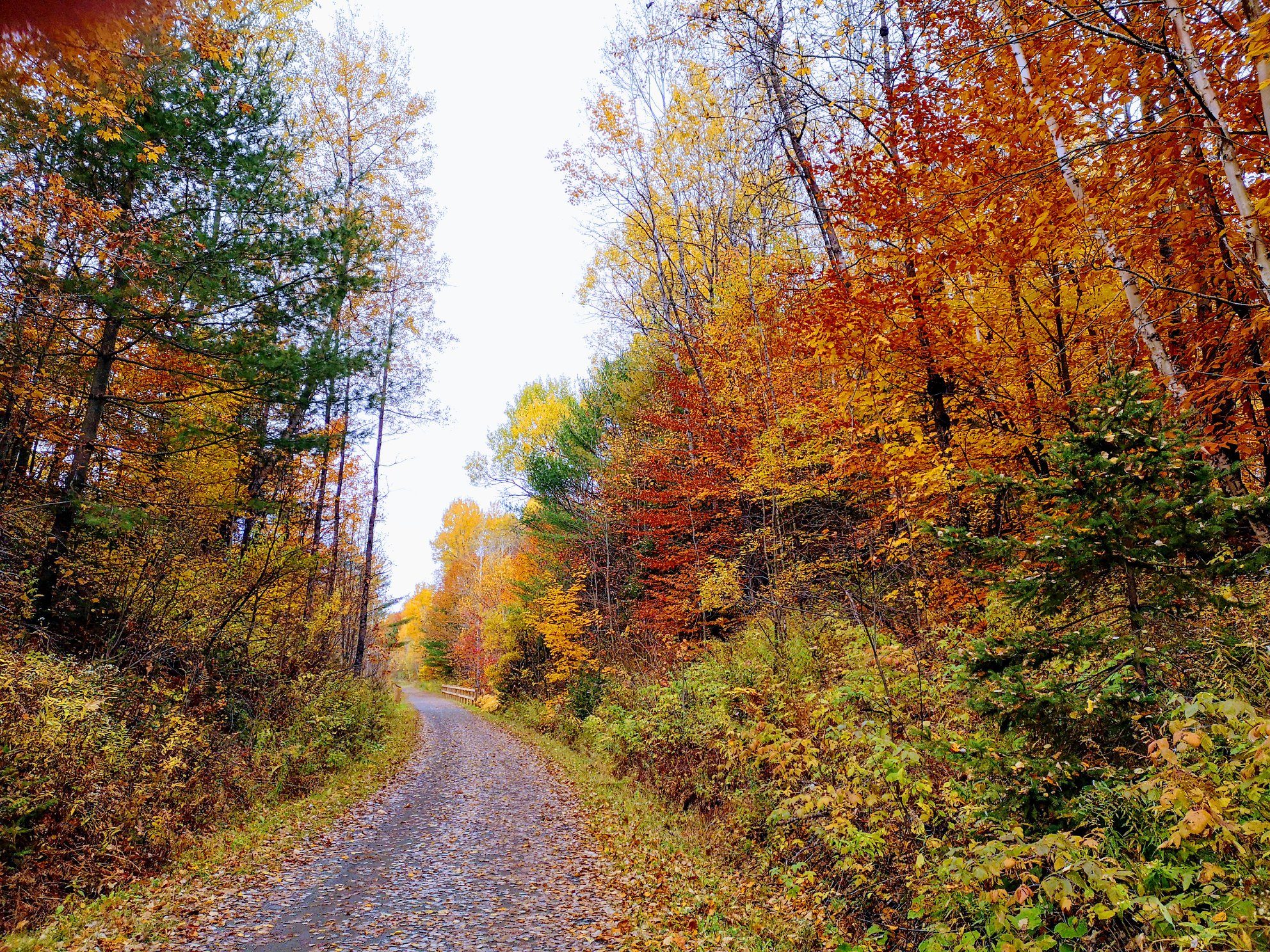
So honour this wonderful time. Celebrate the shift from shorts to jeans, drink all the pumpkin spice coffee you desire, wear hats and scarves and kick up autumn leaves on the path. Drink in the scent of woodsmoke and decay, feel the fresh breezes on your face. Settle in with a good book on the longer nights, light a candle and let your imagination roam. Think of the ancestors as you bite into that freshly picked apple, and honour all the changes that you yourself have undertaken.
Blessings of the Autumn Equinox, Mabon and Alban Elfed to you all.



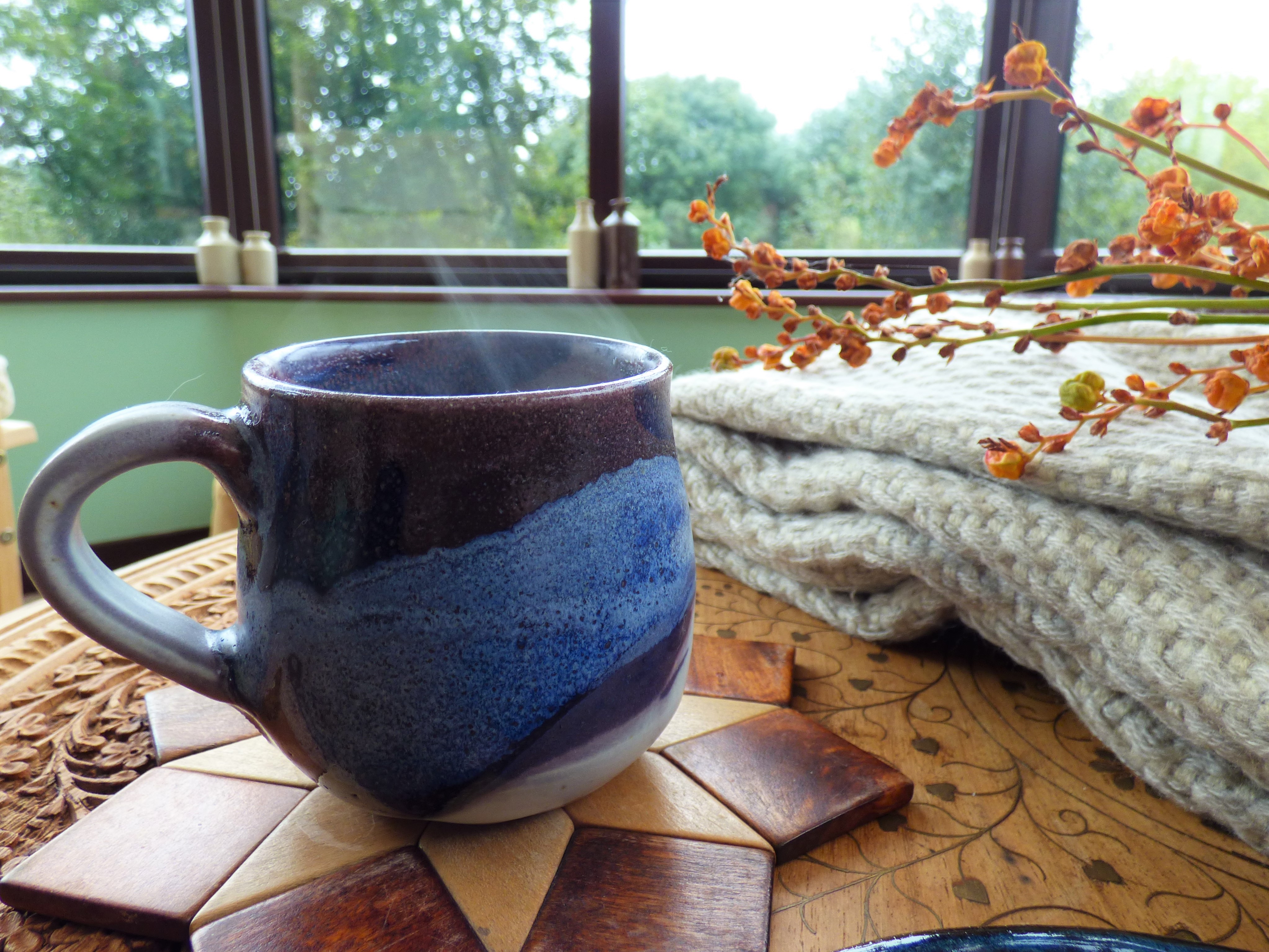 While you can hygge by yourself, and this is my favourite hygge, there is a lot to be said for social hygge. Indeed, for many who do not have solitary, feline souls, the social aspect of hygge is hygge. Getting together with friends around the dining table, having coffee and cake, talking and reminiscing is what it’s all about. But in these strange times, getting together with friends is a real challenge, and for some, not an option.
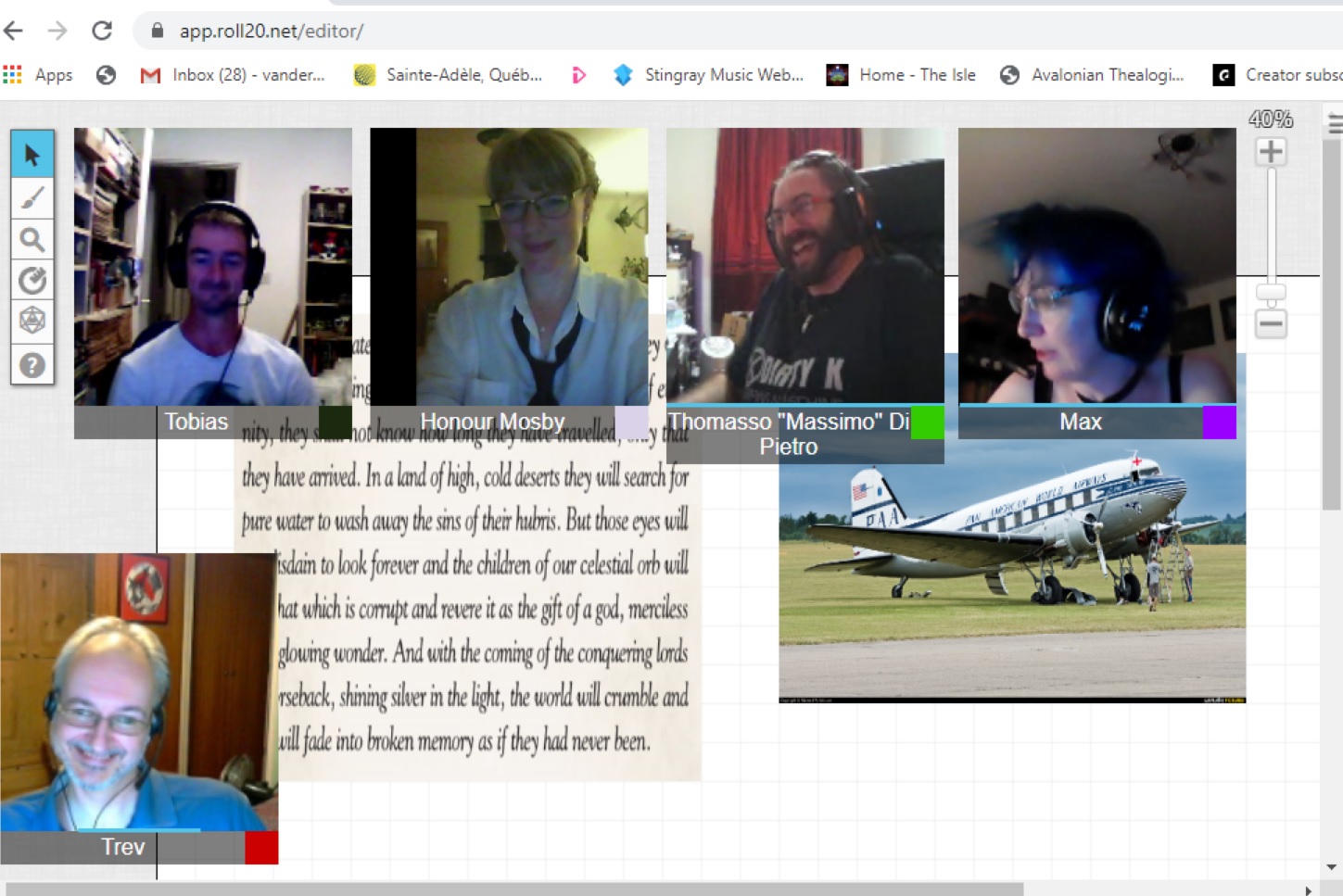 I thought I was doing okay without the social interaction. I have my husband and my cats, and Skype my family once a week, and talk to my mother on the phone as well. We’ve re-started our Saturday roleplaying sessions online (Cthulhu on the Roll 20 platform) and I call my friends weekly just to have a chat. While I was recovering from surgery, a couple of friends came by to drop off care packages and we had a small chat (me at the door, they in the driveway). I thought it wasn’t too bad, as I’m such a solitary creature anyway. But something last week made me realise just how much social interaction is an important part of my life and hygge.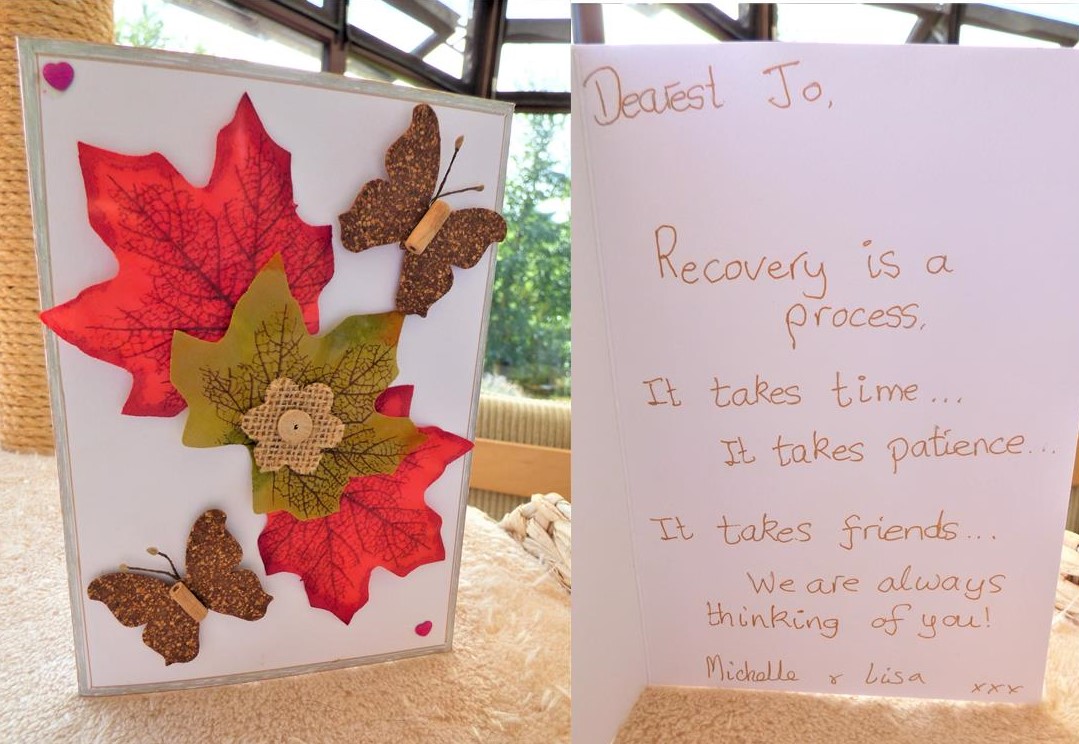
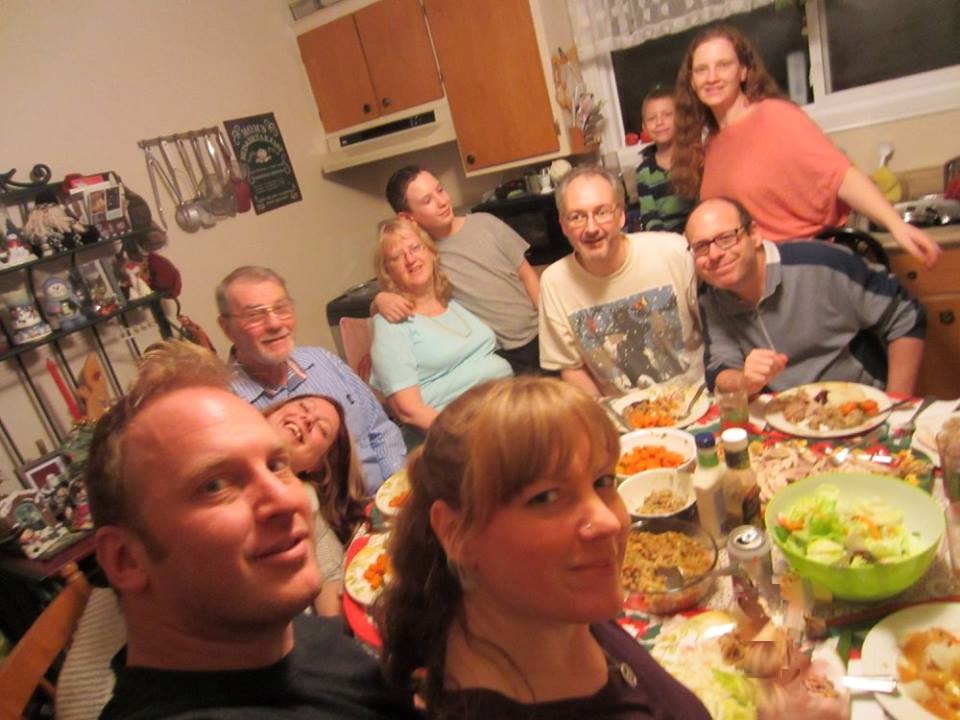 Who knows how much longer it will be before we are able to have that easy interaction again? I haven’t seen my family in Canada for over a year, and I don’t know when I’ll be able to return. That really hurts deep down. My parents’ 50th wedding anniversary had to be cancelled, and who knows if I’ll be able to make it in 2021 when they’ve rescheduled. It’s not until a vaccine has been tried and tested that I can travel safely and visit my friends and family, and that is a hard thing to bear when you haven’t had a hug from your mom for a long, long time.
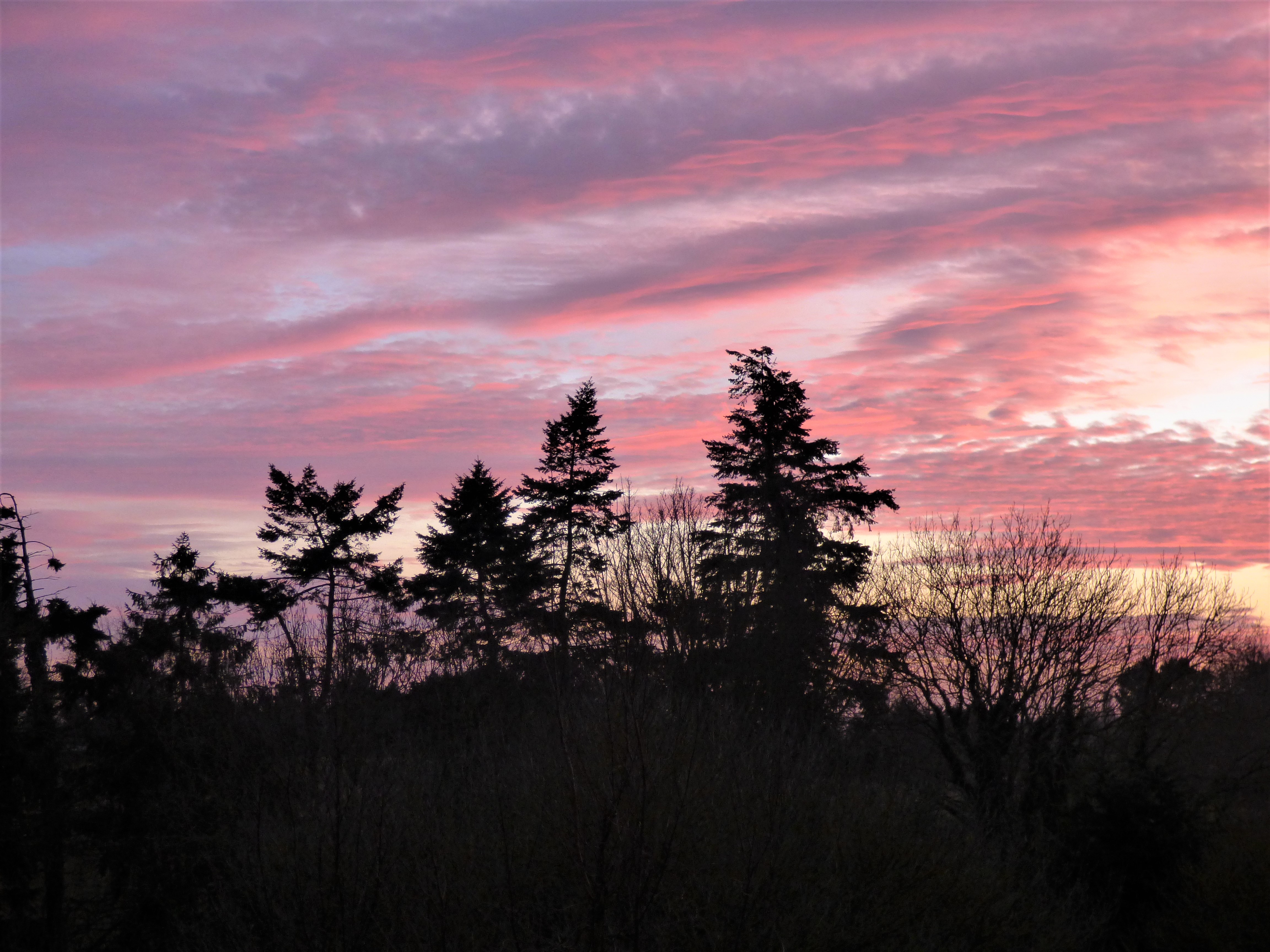 So I’m practicing careful hygge right now, socially-distanced hygge in the garden with a select few folk. Small steps while we navigate our way through this pandemic, and keep everyone safe. And while there is still anxiety about any social interaction, I can counter-balance that with some solitary hygge: time spent in silence and stillness, watching the sunset, or having a cup of tea and listening to some piano music. Cooking a birthday cake to celebrate 46 turns around the sun, and eating it with great pleasure with my husband and a glass of champagne. Holding hope in my heart that I will be able to see my family soon, and know that their love and the hygge that awaits at my mother’s kitchen table can exist in my mind and in my heart until I can experience the real thing.
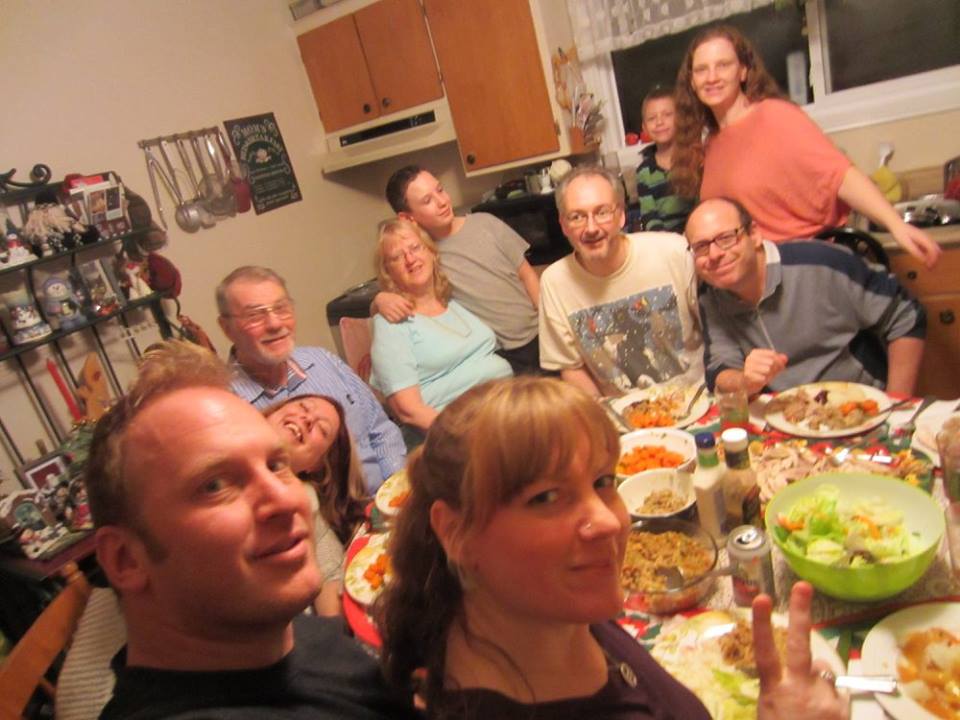 This time of year always makes me think of my family: my relatives, my extended family, and my ancestors. It’s a difficult time of year to be separate from them, as during this season it is all about being with family. As I won’t be going back to Canada for the holidays this year (I was back in the summer, and will be going back next summer for a big wedding anniversary) this winter will be a hard one, mentally and emotionally. Thank goodness for the blessings of Skype!
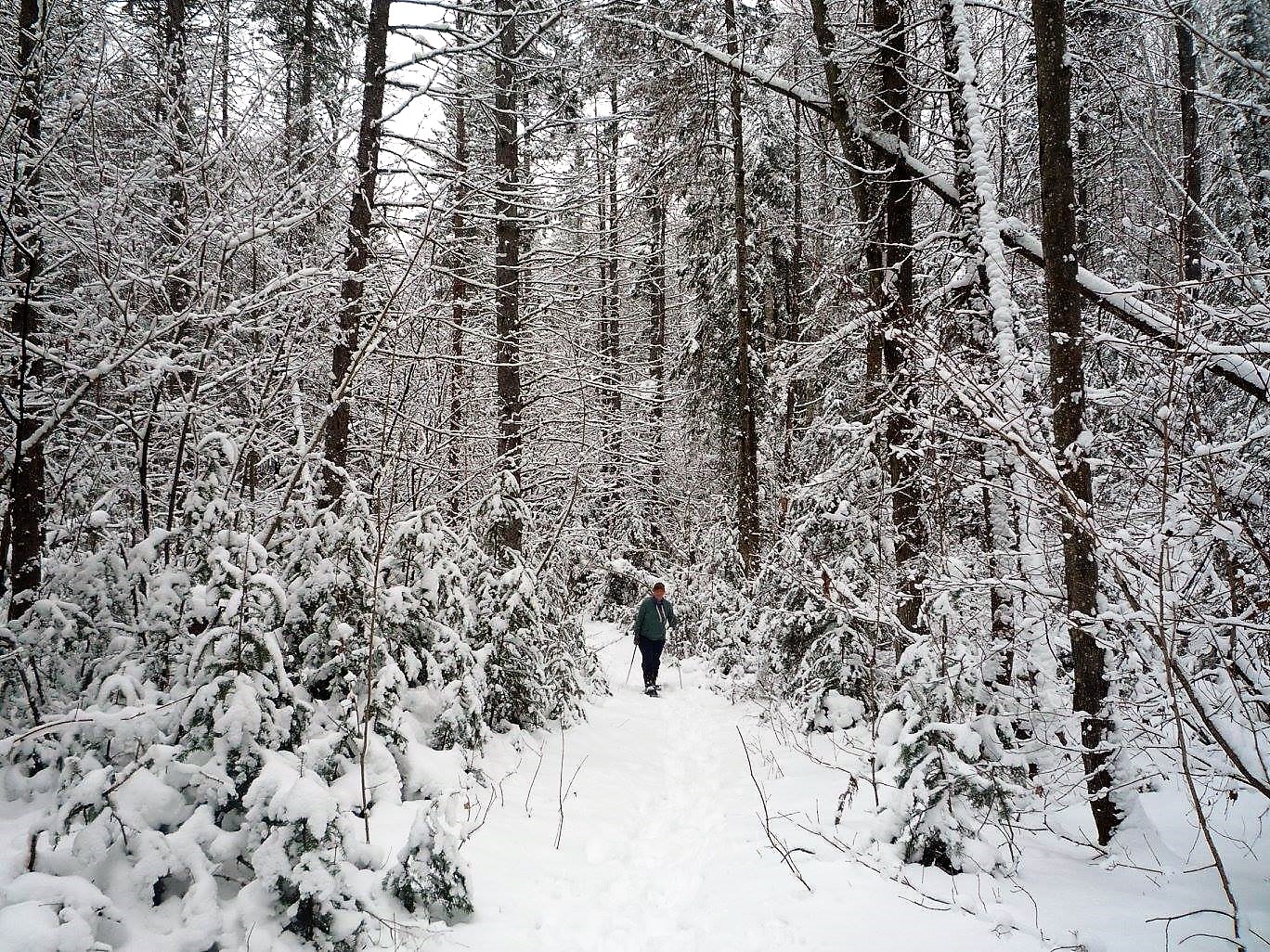 As always at this time of year, my spiritual path shifts to honour my ancestors. My practice takes on more of a Heathen focus, working with the old ways of Germanic customs, deities, ethics and lore. If I can’t be out walking the snow-covered hills and deep, silent forests of my native Canada, then I will work with the ancestors and spirits of place here in England that still remember and resonate with a similar landscape from their past, and also a similar ideal. It runs through my veins, the yearning to be with family, to deepen those bonds with gifts and storytelling, to be out in the winter air and honouring the world around me.
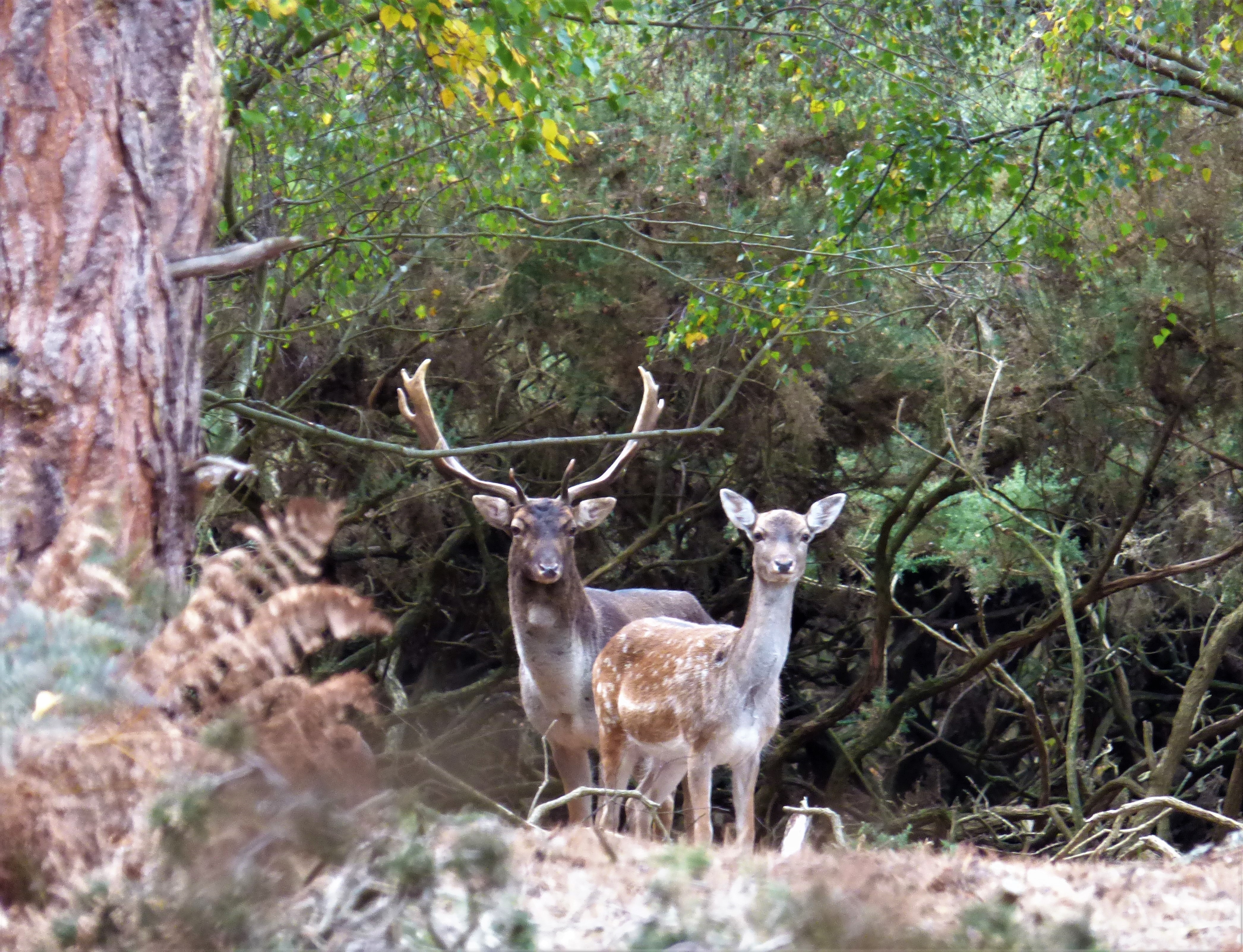
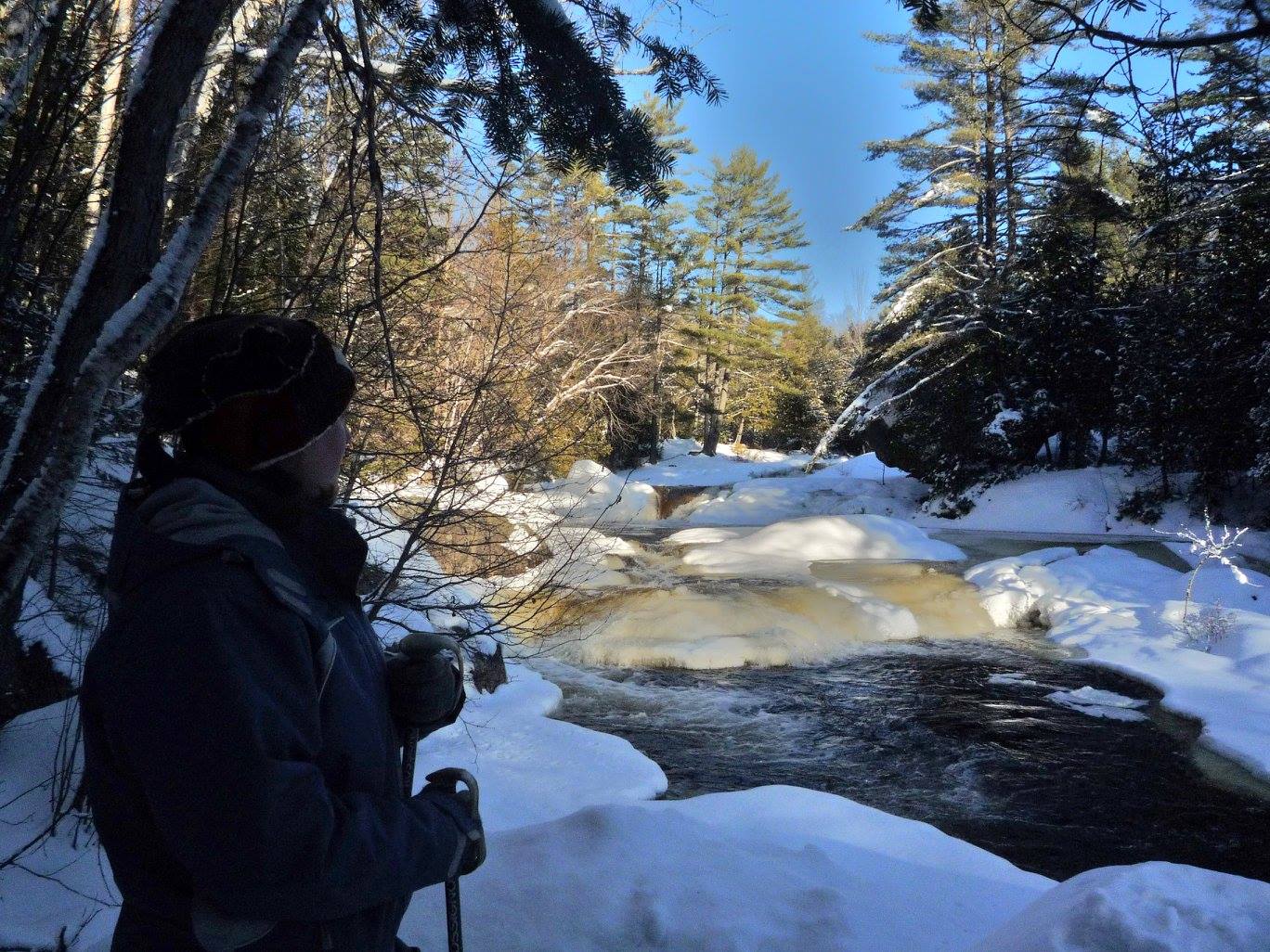 There is also a special place in my heart for Ullr, who is mostly associated with hunting but, as with all the northern traditions’ deities, they cannot be pigeon-holed into a specific “god of such and such” for their functions, their talents, their skills and their passions often overlap, just as ours do here in Midgarth. I also honour the Etin-bride Skadhi, she of the snowshoes, an independent and strong warrior woman who is not afraid to ask for what she wants in life. If I can’t be out on my cross-country skis back in Canada, then I can still feel the presence of the gods in the awesome winter skies of East Anglia, with frost on the ground and the deer in their large winter herds before me on the heath.
 All in all, this winter will be a quiet one, where I turn to my ancestors and work with my heritage, learning new things and becoming a student once again. I’m very much looking forward to it, and to the new discoveries along the way. May the blessings of winter’s might and reflection be with you all!
 Down the Forest Path