
It’s another hot but dry day, without humidity for the first time in weeks. I am so grateful for the respite from the oppressive, thick air that makes it hard to breathe. And so I am outside, having wandered the hills and down the forest ridge to the middle of the valley below. The wildflowers are blooming all around me, the bees buzzing and the brilliant blue sky stretching out all around me.
I notice a bird, circling over the edge of the valley. I study its flight, and see that it is a turkey vulture. These birds have been moving northwards into Canada for the last 50 years, as the climate changes and the mass use of pesticides has been banned. Their silent, lazy, teetering circles on the thermals and the breeze are now a common sight in the area. But for many they are still an enigma, a threat, or even mistaken for eagles.
I have always welcomed these birds, though they are feared and mistrusted by others. I spent a long time in that valley, watching the flight of the bird, thinking about how it teaches us of the things that we would rather ignore in our lives. As carrion feeders, they teach us first and foremost about death.
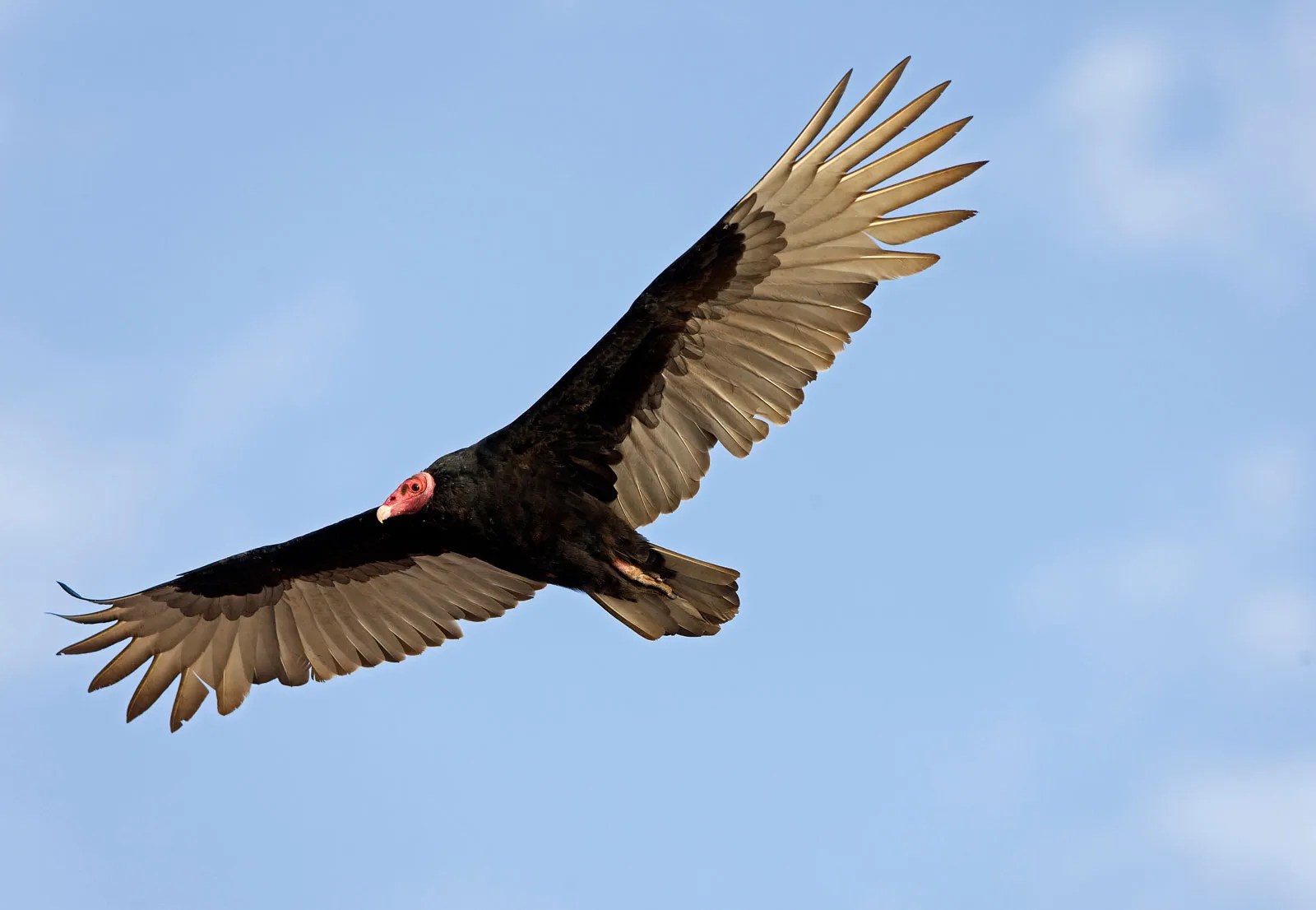
In Canada, there aren’t any First Nations stories about these birds, as they are a recent addition to our landscape. There are a few from further south in the US, both positive and negative. But anyone with a little time can do some research to find out how they fit into the landscape, and how they can teach us their knowledge and wisdom of being.
They aren’t pretty birds, though in flight they are certainly imposing, and even majestic, with their long wingspans. They eat the flesh of animals that have died, and so are like nature’s clean-up crew, saving the spread of bacteria and disease by disposing of rotting corpses. The acid in their stomachs is strong enough to kill harmful bacteria, and so they are very much an important part of the ecosystem by taking care of things that would be harmful to other living creatures, ourselves included.
Their bald, red heads can look menacing, but are well-adapted to eating rotting corpses. Feathers would get in the way and be difficult to clean of harmful bacteria, and so their featherless heads make it much easier to get in and eat the flesh and then be cleaned afterwards, in rivers, lakes or streams as they drink, or in the rain. They defecate on their legs, which for many people is quite disgusting, however they are not the only birds who do so. The reason that vultures specifically defecate on their legs (bird poo and pee comes out together from one orifice, by the way, which saves water loss) is so that they can kill bacteria on their legs with ammonia after feeding on corpses and walking over them.
Their sense of smell is what alerts them to food. They have the largest olfactory system of any bird. They can smell carrion from over a mile away! Very handy to mother nature’s clean-up crew. They can also spot carcasses from up to a mile away, though they have trouble seeing in the dark and so are daytime flyers. Incredible birds.
And yet they are feared, or mistrusted, or reviled. I stand in the middle of the valley, watching the vulture’s flight. A chant bubbles up in my mind, one that I had created early this year. The tune seemed to reflect the soaring freedom of the bird’s flight, and my happiness at its existence. I sang, watching the circles it made in the sky, willing the bird to hear my voice and my songs of praise.
And it came nearer. Immediately responding, it heard me and came, following the notes of my song. I felt that it could feel the love that I had for it, the wonder and joy of its existence and the freedom of its flight. I poured my emotion into my song, letting it know of my joy in its flight. Closer and closer it came, lower and lower, listening to me and drinking in my love. Over my head it came low, and circled beneath the sun, in a dance of light and darkness that reflected its very being. I raised a hand to my eyes, sheltering them from the light of the sun to watch the bird glide in the white brightness of the sky right overhead. The long, dark wingspan stretched over me, and my heart touched that bird with joy and love and peace, and that emotion was returned to me from this incredible bird.
It made one final low circle around me as I stopped my song. It then bid me farewell, and thanked me for the song as it moved over to the other side of the valley, find new thermals and a new vista. The experience of the vulture is something that I will cherish and carry me throughout my lifetime.
As the bird flew off, I spoke these words from my heart:
Your flight is my inspiration
And the knowledge that upon my death,
You will take care of my body
Is my sanctuary
For in death there is life,
In life there is death
So has it always been
So shall it always be
I will always sing to the vultures.
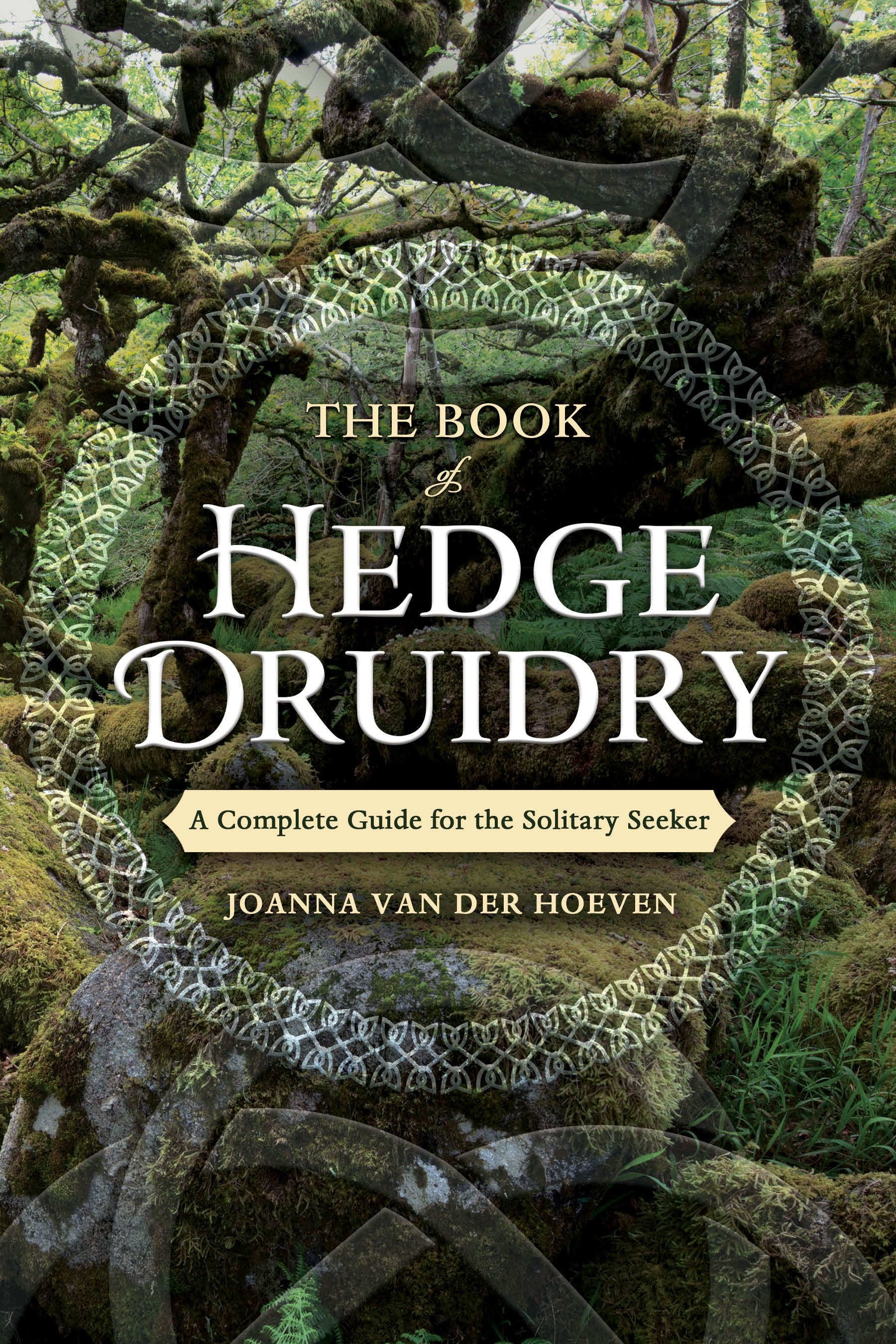 I finished the Big Book of Druidry (as I like to call it) and it was a labour of love. So much work went into that volume, and I hope that it reaches people like The Awen Alone did. I received so many emails from people about The Awen Alone this year, so many wonderful and life-changing stories, and I am so grateful that people took time out of their busy lives to write and share their story.
 Druid College continues to be successful, and due to a high demand for online courses, next year we are putting Year 1 on hold in order to create an online course. This will consist of video and audio material, a downloadable book and online meetings with others on the course. We hope to have this available by 2020, fingers crossed! Our current Year 2 students are doing so very well, and it is indeed a great pleasure to be working alongside such people. After each weekend session, as soon as I get in the car with Robin, we both say how wonderful the people are that have chosen to work with us, and how blessed we are by those that have chosen to join. They bring so much, and I am eternally grateful that these first four years have been as good as they are, which is to say, brilliant!
 As well, I had a difficult experience of another sort, when a peer decided to attack me on social media after I had contacted her to request permission to use two verses of an Irish poem she translated. To this day I still have no idea what set her off, but the vitriol of the attack was shocking, and the attempt to destroy me and everything I do quite mind-boggling. It brought back old pains of bullying when I was a child, and affected me on a physical level as well as mental. I realised this when I was walking down my street to the village shop, and in the middle of the street my heart started pounding and I felt very unsafe, like bullies were just waiting around the corner. I had to remind myself that I was 43 years old and no longer a young teenager, and no one was going to physically hurt me. It opened my eyes to the old scars that never truly heal, and I have learned how to better deal with such experiences. Namely, don’t read posts like that on social media, don’t get involved and don’t read all the uninformed comments either! Let the haters hate, there’s not much I can do about their behaviour anyway. As long as I am physically safe, and emotionally okay with a good support network of family and friends, that is what really matters, not what strange people say. I’m still working on compassion for people like that though. It’s not easy.
 Back to the creative front, I hope to add more to my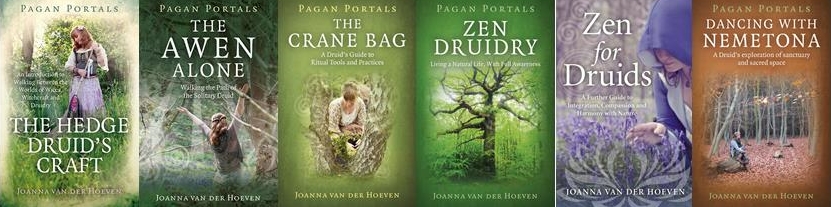
 Down the Forest Path